

You are in the right place. Dr. Tom Biernacki, DPM, FACFAS — board-certified foot & ankle surgeon with 3,000+ surgeries — explains exactly what CrossFit / functional fitness foot injuries means and what actually works. Call (810) 206-1402 for a same-day appointment at our Howell or Bloomfield Hills office.
Quick answer: Crossfit Functional Fitness Foot Ankle Injuries is a common foot/ankle topic that affects many patients. The 2026 evidence-based approach combines proper diagnosis, conservative-first treatment, and escalation only when needed. We treat this regularly at our Howell and Bloomfield Hills practices. Call (810) 206-1402.

Medically Reviewed by Dr. Tom Biernacki, DPM, FACFAS — Board-certified podiatrist & foot surgeon | Balance Foot & Ankle | Last updated: May 2026
Quick Answer: CrossFit & Functional Fitness Foot Injuries
CrossFit and functional fitness athletes are at high risk for plantar fasciitis, Achilles tendinopathy, ankle sprains, and metatarsal stress fractures due to high-load, high-repetition movements like box jumps, double-unders, and heavy lifts. Most injuries respond to load modification, targeted strengthening, and supportive footwear. See a podiatrist if pain persists beyond 2–3 weeks or if you cannot bear weight normally.
CrossFit and functional fitness have exploded in popularity — and so have the foot and ankle injuries that come with them. As a podiatrist treating athletes in Howell and Bloomfield Hills, Michigan, I regularly see CrossFit athletes sidelined by overuse injuries that were entirely preventable. The combination of Olympic lifting, gymnastics movements, plyometrics, and running creates a uniquely demanding environment for the lower extremity.
Most Common CrossFit Foot & Ankle Injuries
Functional fitness demands more from your feet than almost any other sport. The constant variation in movement patterns — from barefoot-style lifts to box jumps to rope climbs — means different structures get stressed in rapid succession. The most common injuries I treat in CrossFit athletes include plantar fasciitis (from high-volume double-unders and running), Achilles tendinopathy (from jumping and Olympic lifts), lateral ankle sprains (from agility work and box jumps), and metatarsal stress fractures (from repetitive jumping on hard flooring).
| Injury | Common Cause in CrossFit | Primary Symptom | Return-to-WOD Timeline |
|---|---|---|---|
| Plantar Fasciitis | Double-unders, running, rope climbs | Morning heel pain | 4–8 weeks |
| Achilles Tendinopathy | Box jumps, Olympic lifts, running | Posterior heel/tendon pain | 6–12 weeks |
| Ankle Sprain | Box jumps, agility drills, landings | Lateral ankle swelling/pain | 1–6 weeks |
| Metatarsal Stress Fracture | Repetitive jumping, rope skipping | Forefoot pain with activity | 6–8 weeks NWB |
| Sesamoiditis | Barbell cycling, pistol squats | Ball-of-foot pain under big toe | 4–8 weeks |
Why CrossFit Creates Unique Foot Demands
Unlike single-sport athletes, CrossFit participants switch rapidly between barefoot-preferred activities (Olympic lifting) and high-impact plyometrics — often in the same workout. Minimalist lifting shoes provide little cushioning for double-unders. Standard running shoes lack the lateral stability needed for agility movements. This footwear mismatch, combined with escalating WOD intensity and inadequate warm-up time, is the primary driver of overuse injuries in functional fitness athletes.
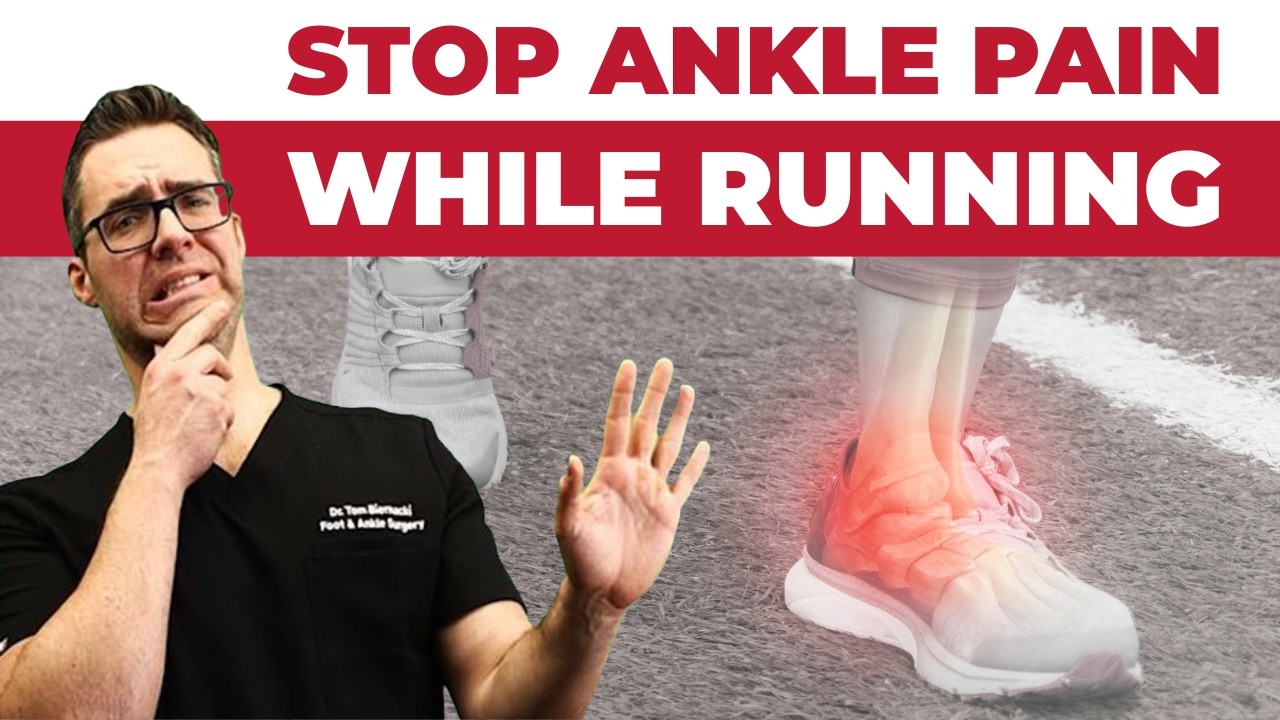
Watch: Ankle Pain During Training — Causes & Treatment
Dr. Tom explains what’s happening when ankle pain develops during high-intensity training and when it’s safe to push through:
Book a same-day evaluation → · (810) 206-1402
Most Common CrossFit Foot Injury Mistake
Footwear Strategy for CrossFit Athletes
No single shoe works for every CrossFit movement. Athletes benefit from a two-shoe strategy: a stable, low-drop lifting shoe for barbell work and squats, and a more cushioned, flexible training shoe for conditioning and running. For athletes with plantar fasciitis or flat feet, a custom orthotic that transitions between shoe types can dramatically reduce injury recurrence. We fit CrossFit-specific orthotics at both our Howell and Bloomfield Hills locations.
| Movement Type | Recommended Shoe Type | Key Feature |
|---|---|---|
| Olympic lifts / Squats | Weightlifting shoe | Elevated heel, rigid sole |
| Running / Double-unders | Cushioned trainer | Heel cushioning, flexibility |
| Box jumps / Agility | Cross-trainer | Lateral stability, grip |
| Mixed WODs | Nano-style trainer | Versatile, moderate cushion + stability |
Treatment for CrossFit Foot Injuries
Treatment depends on the specific structure injured and the phase of training. In the acute phase (first 72 hours), standard RICE protocol applies. For chronic overuse injuries like plantar fasciitis or Achilles tendinopathy, we use a combination of eccentric loading protocols, custom orthotics, shockwave therapy, and — in refractory cases — MLS laser therapy. Our goal is always to keep the athlete as active as possible while the injury heals, substituting movements rather than mandating complete rest.
Prevention: 5 Rules for CrossFit Athletes
Prevention in functional fitness comes down to five principles: (1) never increase total weekly volume more than 10% per week; (2) rotate footwear by movement type; (3) include dedicated foot and ankle mobility work in your warm-up; (4) address any ankle stiffness before it becomes tendinopathy; and (5) see a podiatrist at the first sign of localized bone pain — stress fractures in CrossFit are underdiagnosed and can become complete fractures if ignored.
Frequently Asked Questions
Can I keep doing CrossFit with plantar fasciitis?
Yes, with modifications. Avoid high-impact movements like double-unders and box jumps during the acute phase. Substitute rowing, biking, swimming, or sled pushes. Most CrossFit athletes can maintain significant fitness while plantar fasciitis heals with the right modifications and treatment plan from a sports podiatrist.
Why do CrossFit athletes get stress fractures more often?
The combination of high repetition jumping, hard flooring, rapid volume increases, and sometimes inadequate nutrition (particularly in female athletes with low bone density) creates an environment where metatarsal stress fractures are common. Any forefoot pain that worsens progressively with training warrants an X-ray and MRI evaluation.
Are minimalist shoes safe for CrossFit?
For Olympic lifting, yes — the flat, stable platform is biomechanically ideal. For high-volume running and jumping, minimalist shoes increase plantar fasciitis and metatarsal stress fracture risk significantly, especially in athletes not conditioned to barefoot-style training. Transition gradually if switching shoe types.
How long does a CrossFit ankle sprain take to heal?
Grade I sprains (stretching without tearing): 1–2 weeks. Grade II (partial tear): 3–6 weeks. Grade III (complete tear): 6–12 weeks with possible surgical evaluation. Key: proper rehabilitation including proprioceptive training is essential to prevent chronic ankle instability — one of the most common long-term problems we see in CrossFit athletes.
When should a CrossFit athlete see a podiatrist?
See a podiatrist immediately for any localized bone pain (possible stress fracture), significant swelling after a jump or landing, Achilles pain that doesn’t improve with 2 weeks of rest, or any foot or ankle pain preventing you from bearing weight normally. Early intervention saves months of recovery time. Same-day appointments are available at our Howell and Bloomfield Hills offices.
Related Resources
- Plantar Fasciitis Stretches for Athletes
- Sharp Shooting Foot Pain — Causes & Treatment
- Custom Orthotics for Athletes in Michigan
- Podiatrist-Recommended Athletic Shoes
CrossFit Foot Pain? We Treat Athletes.
Same-day appointments at Balance Foot & Ankle — Howell & Bloomfield Hills, MI. 4.9 ⭐ | 1,100+ reviews.
Book Appointment (810) 206-1402
What is Foot pain?
Foot pain is a common foot/ankle condition that affects mobility and quality of life. Understanding the underlying cause is the first step in successful treatment. Our podiatrists at Balance Foot & Ankle perform a hands-on biomechanical exam, review your activity history, and use diagnostic imaging when appropriate to identify the root cause—not just treat the symptom. Many patients have been told to “rest and ice” without a deeper diagnostic workup; our approach is different.
Symptoms and warning signs
Common signs of foot pain include pain that worsens with activity, morning stiffness, swelling, tenderness when palpated, and difficulty bearing weight. If you experience sudden severe pain, inability to walk, visible deformity, numbness or color change, contact our office the same day or visit urgent care—these can signal a more serious injury such as a fracture, tendon rupture, or vascular compromise. Diabetics with any foot wound should seek same-day care.
Conservative treatment options
Most cases of foot pain respond to non-surgical care: structured rest, supportive footwear changes, custom orthotics, targeted stretching and strengthening protocols, anti-inflammatory medications when medically appropriate, and in-office procedures such as ultrasound-guided injections. We also offer advanced therapies including MLS laser therapy, EPAT/shockwave, regenerative injections, and image-guided procedures. Treatment is sequenced from least invasive to most invasive, and we explain the rationale at every step.
When is surgery considered?
Surgery is reserved for cases that fail 3-6 months of well-structured conservative care, when there is structural pathology (severe deformity, complete tear, advanced arthritis), or when imaging shows damage that will not heal without intervention. Our surgeons have performed 3,000+ foot and ankle procedures and prioritize minimally-invasive techniques whenever appropriate. We discuss recovery timelines, return-to-activity milestones, and realistic outcome expectations before any procedure is scheduled.
Recovery timeline and prevention
Recovery from foot pain varies based on severity and chosen treatment path. Conservative cases often improve within 4-8 weeks with consistent adherence to the protocol. Post-procedural recovery may range from a few days (in-office procedures) to several months (reconstructive surgery). Long-term prevention involves footwear assessment, activity modification, structured strengthening, and regular check-ins with your podiatrist if you have a history of recurrence. We provide written home-exercise plans and digital follow-up support.
Ready to feel better?
Same-week appointments available in Howell and Bloomfield Hills, Michigan.
Book Your VisitReady to fix this for good?
Reading goes only so far. The fastest path to relief is a 30-minute office visit with Dr. Biernacki — same-day Howell or Bloomfield Hills. Call (810) 206-1402 or use our online booking.
In-Office Treatment at Balance Foot & Ankle
If home treatment isn’t providing relief for your foot and ankle conditions, our podiatry team at Balance Foot & Ankle can help with same-day evaluations and advanced in-office care.
Same-day appointments available. (810) 206-1402
Doctor Hoy’s Natural Pain Relief Gel
Natural topical pain relief I use in our clinic. Arnica + camphor formula — apply directly to the area 3–4x daily. ($20–25)
Shop Doctor Hoy’s →
Dr. Tom Biernacki, DPM is a board-certified foot & ankle surgeon (ABFAS & ABPM) at Balance Foot & Ankle Specialists in Southeast Michigan. With over a decade of clinical experience, he specializes in heel pain, bunions, diabetic foot care, sports injuries, and minimally invasive surgery. Dr. Biernacki is a member of the APMA and ACFAS, and his patient education content on MichiganFootDoctors.com and YouTube has made him one of the most-followed foot & ankle educators on YouTube.