
Medically reviewed by Dr. Tom Biernacki, DPM
Board-certified podiatric surgeon | Balance Foot & Ankle, Howell & Bloomfield Hills, MI
Last reviewed: May 2026

Quick answer: Duck Feet is a common foot/ankle topic that affects many patients. The 2026 evidence-based approach combines proper diagnosis, conservative-first treatment, and escalation only when needed. We treat this regularly at our Howell and Bloomfield Hills practices. Call (810) 206-1402.
You’ve noticed it in photos, or maybe a friend pointed it out — your feet splay outward when you walk, like a duck. Duck feet (medically called out-toeing) affects millions of people and ranges from a harmless quirk to a significant contributor to knee, hip, and back pain.
Here’s exactly what causes duck feet, when it’s a problem, and how to fix it — with specific exercises and tools that actually work.
The most important clinical decision with Duck Feet isn’t which treatment to start with — it’s identifying the correct subtype. That changes everything. Call (810) 206-1402.
What Are Duck Feet (Out-Toeing)?
Out-toeing is an abnormal gait pattern where one or both feet point outward (laterally rotated) during walking. The ‘normal’ foot progression angle is 5–10° externally rotated. Out-toeing is defined as foot progression angles greater than 20° on a consistent basis.
It’s important to distinguish: not all out-toeing is duck feet. Some people naturally have slightly externally rotated feet without gait problems. The clinical concern is when out-toeing causes pain, overloads joints, or contributes to other biomechanical issues.
What Causes Duck Feet?
In Children
Out-toeing in toddlers and young children (under age 8) is almost always a normal developmental finding. Common causes include:
- External tibial torsion: The tibia (shin bone) is twisted outward — usually self-corrects by age 6–8
- Femoral retroversion: The hip socket and femur are angled to externally rotate the leg — most common cause of persistent childhood out-toeing
- Calcaneovalgus foot: A newborn foot that points upward and outward — almost always self-corrects in the first year
In Adults
Adult duck feet usually trace back to:
- Hip external rotator tightness: Piriformis, obturator externus, and other deep hip rotators — extremely common in desk workers and people who sit cross-legged
- Flat feet (overpronation): As the arch collapses, the foot compensates by rotating outward
- Habitual posture: Years of standing or walking with feet turned out creates muscle memory that’s hard to undo without targeted training
- Prior hip or foot injury: Fractures, dislocations, or surgeries can alter limb alignment
- Pregnancy-related changes: Relaxin hormone loosens hip ligaments; some women retain increased external rotation postpartum
Why Duck Feet Cause Problems
Duck feet alter the entire kinetic chain — the interconnected system of ankles, knees, hips, and spine. Consequences include:
- Knee pain: Out-toeing creates valgus (inward) stress at the knee with each step, overloading the medial compartment and patellofemoral joint
- Hip pain: Chronic overuse of hip external rotators causes piriformis syndrome and deep buttock pain
- Low back pain: External rotation at the hip creates compensatory lumbar rotation with each stride
- Plantar fasciitis: Flat feet (often accompanying out-toeing) overstretch the plantar fascia
- Bunion development: Altered ground contact forces accelerate bunion progression
⚠️ See a podiatrist if duck feet cause:
- Knee, hip, or back pain that worsens with walking or running
- Visible asymmetry — one foot dramatically more turned out than the other
- Child over age 8 still with significant out-toeing (warrants X-ray evaluation)
- Tripping or balance difficulties related to gait pattern
- Callus formation under the big toe joint (sign of abnormal weight distribution)
How to Fix Duck Feet: Stretches and Exercises
Step 1: Release Hip External Rotators
- Piriformis stretch: Figure-4 stretch lying on back — cross affected ankle over opposite knee, pull both toward chest. Hold 30s × 3/day
- Seated figure-4: Cross ankle over knee while seated, gently lean forward. Hold 30s × 3
- Hip internal rotation stretch: Lying face down, bend knees 90°, let feet fall outward (rotating hips inward). Hold 20s × 3
Step 2: Strengthen Hip Internal Rotators (Rarely Done — Extremely Important)
- Clamshells (reversed): Side-lying, heels together, rotate top knee DOWN toward floor rather than up. This fires hip internal rotators instead of external rotators
- Standing internal rotation with band: Resistance band around knees, rotate one knee inward against resistance, hold 5 seconds
- Single-leg balance with internal rotation focus: Stand on one leg, actively rotate the standing knee inward toward second toe alignment — 30 seconds × 3
Step 3: Gait Retraining
Conscious gait retraining — focusing on pointing toes forward — can rewire movement patterns. Start in front of a mirror, progress to walking with tape lines, then outdoor surfaces. In our clinic, we use video gait analysis to measure foot progression angles before and after treatment.
Step 4: Orthotics
Custom orthotics with medial arch support and slight external heel wedging correct the flat-foot component and reduce excessive pronation. This takes significant pressure off the abnormal toe-out position.
Key takeaway: The most overlooked treatment for duck feet is strengthening the hip INTERNAL rotators — the glute medius and deep hip rotators that pull the leg back to neutral. Stretching alone won’t fix it.
Frequently Asked Questions
Can duck feet be corrected in adults?
Yes — though it takes longer than correcting it in children. Significant improvement in foot progression angle is achievable in most adults with 8–12 weeks of targeted hip strengthening, stretching, and gait retraining. Complete normalization is sometimes possible, but the goal is usually pain elimination and functional improvement.
Do children outgrow duck feet?
Most children with out-toeing from normal developmental variants (calcaneovalgus, external tibial torsion) do outgrow it by age 6–8. Femoral retroversion may persist longer. Referral to a specialist is warranted if significant out-toeing persists past age 8–10.
Does walking like a duck cause knee problems?
Yes — over time. External foot progression creates valgus (inward) knee stress and patellofemoral tracking problems. Many patients with unexplained knee pain have out-toeing as a contributing cause that gets missed when only the knee is examined.
Are shoe insoles helpful for duck feet?
Orthotics can help the foot component of duck feet — particularly if flat feet are driving the out-toeing. They won’t correct hip-driven out-toeing on their own, but they reduce pain and slow the progression of secondary problems.
The Bottom Line
Duck feet are more than a cosmetic concern — persistent out-toeing overloads knees, hips, and the plantar fascia. In children under 8, it usually self-resolves. In adults, targeted hip strengthening, stretching, and gait retraining produce real results.
At Balance Foot & Ankle, we combine video gait analysis, biomechanical assessment, and custom orthotic therapy to address duck feet at the root cause.
Sources
1. Staheli LT, et al. Lower-extremity rotational problems in children. J Bone Joint Surg Am. 1985;67(1):39-47.
2. Svenningsen S, et al. Regression of femoral anteversion. Acta Orthop Scand. 1989;60(2):170-173.
3. Souza RB, Powers CM. Predictors of hip internal rotation during running. Am J Sports Med. 2009;37(3):579-587.
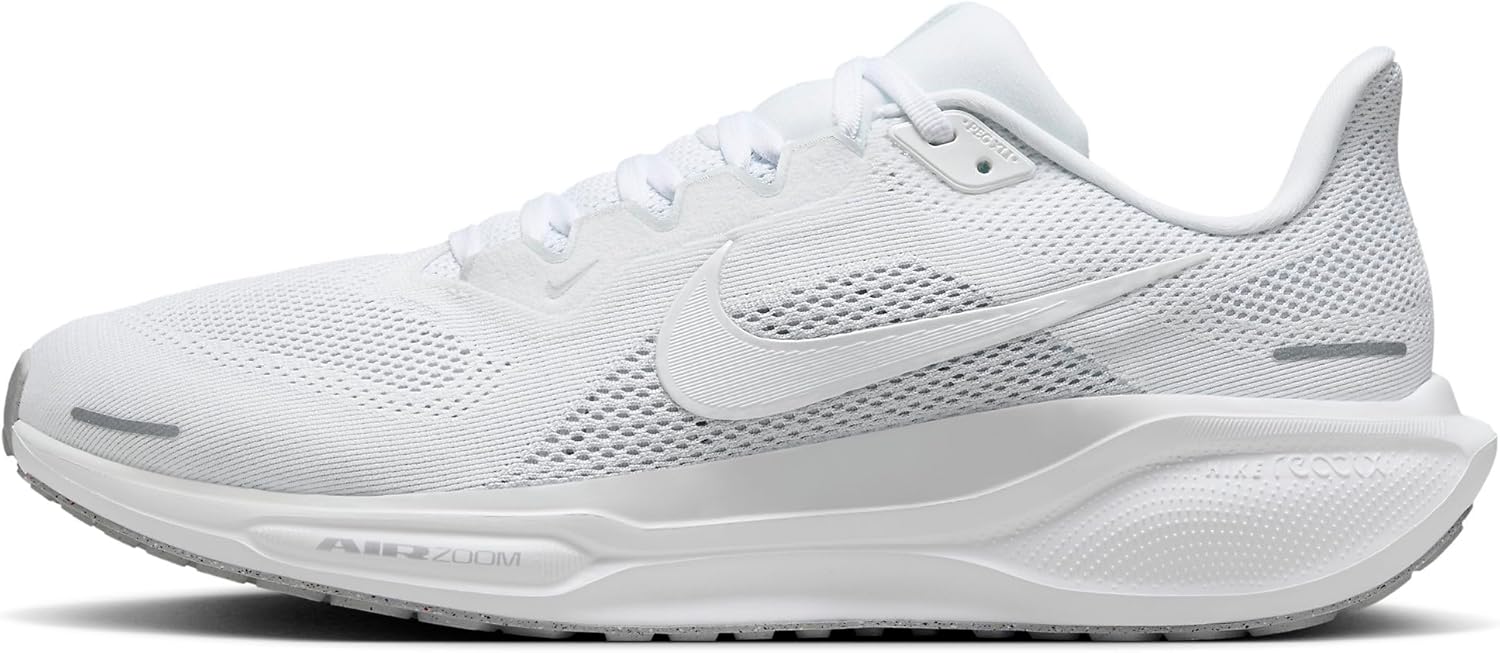
When Shoes Aren’t Enough — Dr. Tom’s Top 9 Orthotics
About 30% of patients I see for foot pain need MORE than a great shoe — they need a structured insole. Below: my complete 2026 orthotic ranking with pros, cons, and the specific patient I’d give each one to.




What is Foot pain?
Foot pain is a common foot/ankle condition that affects mobility and quality of life. Understanding the underlying cause is the first step in successful treatment. Our podiatrists at Balance Foot & Ankle perform a hands-on biomechanical exam, review your activity history, and use diagnostic imaging when appropriate to identify the root cause—not just treat the symptom. Many patients have been told to “rest and ice” without a deeper diagnostic workup; our approach is different.
Symptoms and warning signs
Common signs of foot pain include pain that worsens with activity, morning stiffness, swelling, tenderness when palpated, and difficulty bearing weight. If you experience sudden severe pain, inability to walk, visible deformity, numbness or color change, contact our office the same day or visit urgent care—these can signal a more serious injury such as a fracture, tendon rupture, or vascular compromise. Diabetics with any foot wound should seek same-day care.
Conservative treatment options
Most cases of foot pain respond to non-surgical care: structured rest, supportive footwear changes, custom orthotics, targeted stretching and strengthening protocols, anti-inflammatory medications when medically appropriate, and in-office procedures such as ultrasound-guided injections. We also offer advanced therapies including MLS laser therapy, EPAT/shockwave, regenerative injections, and image-guided procedures. Treatment is sequenced from least invasive to most invasive, and we explain the rationale at every step.
When is surgery considered?
Surgery is reserved for cases that fail 3-6 months of well-structured conservative care, when there is structural pathology (severe deformity, complete tear, advanced arthritis), or when imaging shows damage that will not heal without intervention. Our surgeons have performed 3,000+ foot and ankle procedures and prioritize minimally-invasive techniques whenever appropriate. We discuss recovery timelines, return-to-activity milestones, and realistic outcome expectations before any procedure is scheduled.
Recovery timeline and prevention
Recovery from foot pain varies based on severity and chosen treatment path. Conservative cases often improve within 4-8 weeks with consistent adherence to the protocol. Post-procedural recovery may range from a few days (in-office procedures) to several months (reconstructive surgery). Long-term prevention involves footwear assessment, activity modification, structured strengthening, and regular check-ins with your podiatrist if you have a history of recurrence. We provide written home-exercise plans and digital follow-up support.
AAOS OrthoInfo: Out-Toeing (Duck Feet)
Ready to Get Relief?
Same-day appointments available in Howell & Bloomfield Hills, MI
4.9★ | 1,123 Reviews | 3,000+ Surgeries
Or call: (810) 206-1402

Dr. Tom Biernacki, DPM is a board-certified foot & ankle surgeon (ABFAS & ABPM) at Balance Foot & Ankle Specialists in Southeast Michigan. With over a decade of clinical experience, he specializes in heel pain, bunions, diabetic foot care, sports injuries, and minimally invasive surgery. Dr. Biernacki is a member of the APMA and ACFAS, and his patient education content on MichiganFootDoctors.com and YouTube has made him one of the most-followed foot & ankle educators on YouTube.