
Medically reviewed by Dr. Tom Biernacki, DPM
Board-certified podiatric surgeon | Balance Foot & Ankle, Howell & Bloomfield Hills, MI
Last reviewed: May 2026

Pain along the inside of your ankle and arch with running? FDL tendonitis is the diagnosis we know how to treat.
You are in the right place. Dr. Tom Biernacki, DPM, FACFAS — board-certified foot & ankle surgeon with 3,000+ surgeries — explains exactly what flexor digitorum longus tendonitis means and what works. Call (810) 206-1402 for same-day appointment at Howell or Bloomfield Hills.
Quick answer: Flexor Digitorum Longus Tendonitis is a common foot/ankle topic that affects many patients. The 2026 evidence-based approach combines proper diagnosis, conservative-first treatment, and escalation only when needed. We treat this regularly at our Howell and Bloomfield Hills practices. Call (810) 206-1402.
The most important clinical decision with Flexor Digitorum Longus Tendonitis isn’t which treatment to start with — it’s identifying the correct subtype. That changes everything. Call (810) 206-1402.
What Is the FDL Tendon?
The flexor digitorum longus (FDL) is a deep muscle in the calf whose tendon runs behind the inner ankle (medial malleolus), along the arch of the foot, and splits into four branches — one attaching to the tip of each lesser toe (2nd–5th). Its primary job is curling the toes downward during push-off and helping stabilize the arch during stance phase.
FDL tendonitis occurs when repetitive overuse — especially running, jumping, or walking on uneven terrain — causes micro-tears and inflammation within the tendon sheath. It’s less common than posterior tibial tendon dysfunction (PTTD) but follows the same medial pathway and is frequently misdiagnosed.
Symptoms
- Aching or sharp pain along the inner ankle, just behind the medial malleolus
- Pain extending into the arch or sole when the tendon is loaded during push-off
- Tenderness on direct palpation along the FDL tendon course
- Pain with resisted toe flexion (pushing toes down against resistance)
- Swelling along the tendon sheath behind the inner ankle
- Worsens with uphill running, stairs, or prolonged walking
Treatment
Activity Modification and Rest
Reducing or eliminating aggravating activities — particularly running and jumping — for 2–4 weeks allows acute inflammation to subside. Cross-training with swimming or cycling maintains fitness without FDL loading. A structured return to running protocol (starting with flat terrain, short distances) prevents recurrence.
Orthotics and Footwear
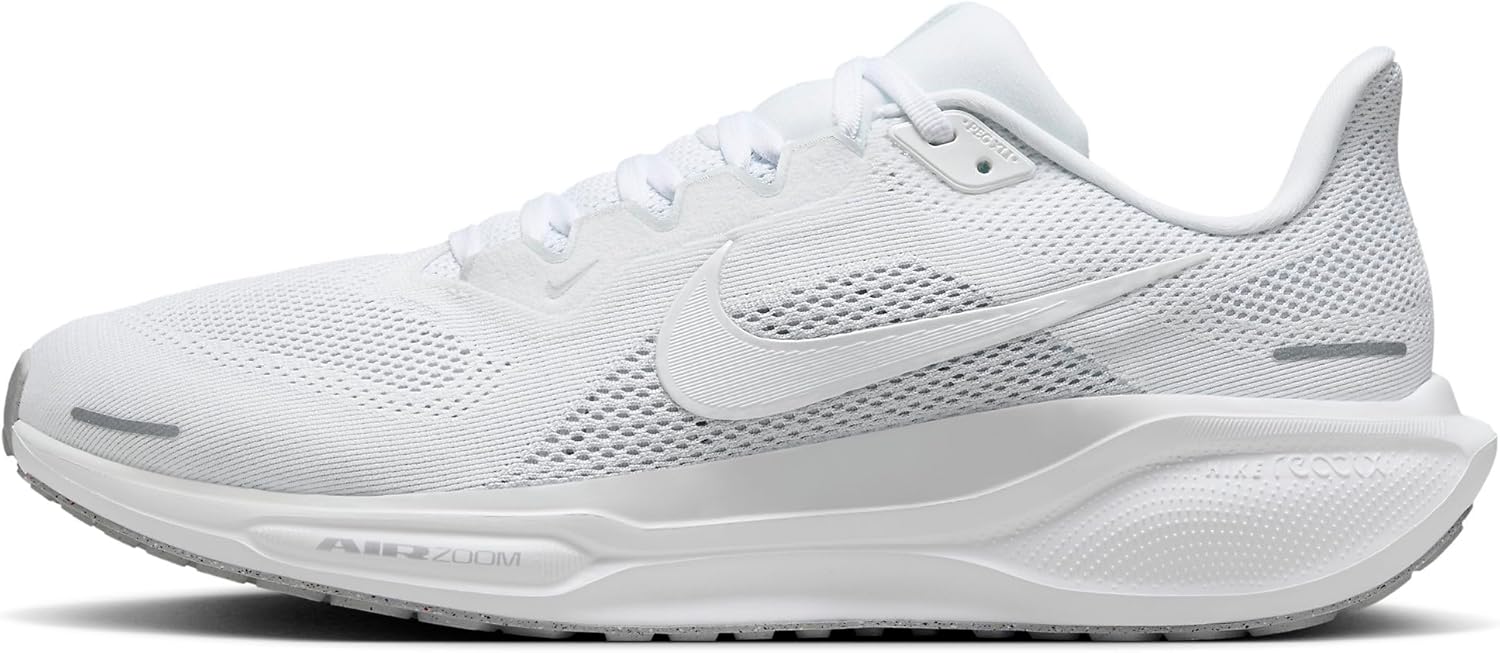
Custom orthotics with medial arch support reduce the strain on the FDL during gait. Motion-control or stability running shoes with firm medial post reduce excess pronation. Avoid flat, unsupportive footwear (flip-flops, ballet flats) during the recovery period.
Physical Therapy
Eccentric calf and toe-flexor strengthening is essential for tendon remodeling. Key exercises include towel toe curls, marble pickups, single-leg heel raises with toe flexion, and progressive resistance band toe curls. A typical course is 6–8 weeks of structured PT.
Injections
Corticosteroid injection into the FDL tendon sheath provides significant short-term pain relief and can break an acute inflammatory cycle. Note: intratendinous injection (into the tendon itself rather than the sheath) carries rupture risk — ultrasound guidance ensures accurate sheath injection. PRP (platelet-rich plasma) injections are an emerging option for chronic FDL tendinopathy unresponsive to cortisone.
Key takeaway: FDL tendonitis is often confused with posterior tibial tendon dysfunction because both cause inner ankle pain. Accurate diagnosis — through clinical exam and ultrasound if needed — ensures you’re treating the right structure. Conservative care is very effective when the correct tendon is targeted.
⚠️ See a podiatrist if:
- Inner ankle pain has persisted for more than 6 weeks despite rest
- You notice your arch flattening or foot rolling inward more than before
- A sudden sharp “pop” occurred in the inner ankle — possible tendon tear
- Swelling behind the inner ankle is increasing rather than improving
In-Office Treatment at Balance Foot & Ankle
Dr. Tom Biernacki evaluates FDL tendonitis with clinical exam and diagnostic ultrasound imaging. Custom orthotics, sheath injections, and structured rehabilitation programs are available. See our posterior tibial tendonitis page for related inner ankle conditions. Same-day appointments available. (810) 206-1402
Frequently Asked Questions
How do I know if I have FDL tendonitis vs. PTTD?
Both cause inner ankle pain, but they differ in location and associated findings. FDL pain is most prominent just behind the medial malleolus and extends toward the arch and plantar surface. PTTD pain is higher — often at the navicular bone prominence on the inner midfoot — and is associated with progressive arch collapse (flattening). A podiatrist can distinguish them clinically; ultrasound imaging confirms the diagnosis.
How long does FDL tendonitis take to heal?
Acute FDL tendonitis with relative rest and orthotics typically resolves in 4–8 weeks. Chronic tendinopathy (thickened, degenerated tendon) requires 3–6 months of structured rehabilitation. Full return to running training usually takes 8–12 weeks from the start of treatment. Patients who ignore the initial pain and continue running aggressively often extend their recovery significantly.
Can FDL tendonitis cause a flat foot?
If the FDL and posterior tibial tendons are both significantly compromised, arch support can decrease. However, isolated FDL tendonitis rarely causes visible arch collapse — that’s more characteristic of Stage II–III posterior tibial tendon dysfunction. If your arch appears to be flattening, a thorough evaluation for PTTD is essential.
The Bottom Line
FDL tendonitis is a diagnosable and very treatable cause of inner ankle and arch pain. The challenge is accurate identification — it’s easily confused with PTTD, tarsal tunnel syndrome, and plantar fasciitis. Once correctly diagnosed, a combination of orthotics, activity modification, and targeted rehabilitation produces excellent results in most patients without surgery.
When Shoes Aren’t Enough — Dr. Tom’s Top 9 Orthotics
About 30% of patients I see for foot pain need MORE than a great shoe — they need a structured insole. Below: my complete 2026 orthotic ranking with pros, cons, and the specific patient I’d give each one to.




Frequently Asked Questions
When should I see a podiatrist?
If symptoms persist past 2 weeks, affect your normal activity, or are accompanied by red-flag symptoms (warmth, redness, swelling, inability to bear weight).
What does treatment cost?
Most diagnostic visits and conservative treatments are covered by Medicare and major insurers. Out-of-pocket costs vary by your specific plan.
How quickly can I get an appointment?
Most non-urgent cases see us within 5 business days. Urgent cases (sudden pain, possible fracture) typically same or next business day.
What is Tendonitis?
Tendonitis is a common foot/ankle condition that affects mobility and quality of life. Understanding the underlying cause is the first step in successful treatment. Our podiatrists at Balance Foot & Ankle perform a hands-on biomechanical exam, review your activity history, and use diagnostic imaging when appropriate to identify the root cause—not just treat the symptom. Many patients have been told to “rest and ice” without a deeper diagnostic workup; our approach is different.
Symptoms and warning signs
Common signs of tendonitis include pain that worsens with activity, morning stiffness, swelling, tenderness when palpated, and difficulty bearing weight. If you experience sudden severe pain, inability to walk, visible deformity, numbness or color change, contact our office the same day or visit urgent care—these can signal a more serious injury such as a fracture, tendon rupture, or vascular compromise. Diabetics with any foot wound should seek same-day care.
Conservative treatment options
Most cases of tendonitis respond to non-surgical care: structured rest, supportive footwear changes, custom orthotics, targeted stretching and strengthening protocols, anti-inflammatory medications when medically appropriate, and in-office procedures such as ultrasound-guided injections. We also offer advanced therapies including MLS laser therapy, EPAT/shockwave, regenerative injections, and image-guided procedures. Treatment is sequenced from least invasive to most invasive, and we explain the rationale at every step.
When is surgery considered?
Surgery is reserved for cases that fail 3-6 months of well-structured conservative care, when there is structural pathology (severe deformity, complete tear, advanced arthritis), or when imaging shows damage that will not heal without intervention. Our surgeons have performed 3,000+ foot and ankle procedures and prioritize minimally-invasive techniques whenever appropriate. We discuss recovery timelines, return-to-activity milestones, and realistic outcome expectations before any procedure is scheduled.
Recovery timeline and prevention
Recovery from tendonitis varies based on severity and chosen treatment path. Conservative cases often improve within 4-8 weeks with consistent adherence to the protocol. Post-procedural recovery may range from a few days (in-office procedures) to several months (reconstructive surgery). Long-term prevention involves footwear assessment, activity modification, structured strengthening, and regular check-ins with your podiatrist if you have a history of recurrence. We provide written home-exercise plans and digital follow-up support.
Ready to Get Relief?
Same-day appointments available in Howell & Bloomfield Hills, MI
4.9★ | 1,123 Reviews | 3,000+ Surgeries
Or call: (810) 206-1402

Dr. Tom Biernacki, DPM is a board-certified foot & ankle surgeon (ABFAS & ABPM) at Balance Foot & Ankle Specialists in Southeast Michigan. With over a decade of clinical experience, he specializes in heel pain, bunions, diabetic foot care, sports injuries, and minimally invasive surgery. Dr. Biernacki is a member of the APMA and ACFAS, and his patient education content on MichiganFootDoctors.com and YouTube has made him one of the most-followed foot & ankle educators on YouTube.