n
Board Certified Podiatrists | Expert Foot & Ankle Care
(810) 206-1402 Patient Portal

Foot Health Guide for Seniors: Preventing Falls, Managing Arthritis, and Maintaining Mobility

Medically reviewed by Dr. Tom Biernacki, DPM

Board-certified podiatric surgeon | Balance Foot & Ankle
Last reviewed: April 2, 2026

Foot Health Guide for Seniors: Preventing Falls, Managing Arthritis, and Maintaining Mobility After 65

Quick Answer: Foot problems affect over 75% of adults over age 65, and untreated foot conditions are a leading contributor to falls, loss of independence, and reduced quality of life. Regular podiatric care, proper footwear, daily foot inspections, and targeted exercises can prevent most age-related foot complications and keep you active well into your 80s and beyond.

Medically Reviewed by: Dr. Thomas Biernacki, DPM — Board-Certified Foot & Ankle Surgeon | Balance Foot & Ankle, Southeast Michigan
Clinical focus: Geriatric foot care, fall prevention, diabetic foot management, arthritis treatment

Senior foot health guide - podiatrist Howell MI - Balance Foot & Ankle
Proactive foot care helps seniors maintain mobility and prevent falls | Balance Foot & Ankle

Table of Contents

Why Feet Change With Age

Aging affects every structure in the foot — bones lose density, ligaments lose elasticity, tendons lose strength, fat pads thin, and skin becomes fragile. These changes are gradual and often go unnoticed until they cause significant problems. By age 65, most adults have walked approximately 75,000 miles on their feet, and the cumulative wear begins to manifest as widening of the forefoot, flattening of the arch, stiffness in the joints, and reduced sensation in the toes.

Understanding these changes is the first step toward preventing their consequences. Many seniors accept foot pain as an inevitable part of aging, but this is simply not true. While structural changes cannot be reversed, their progression can be slowed, their symptoms can be managed effectively, and their most serious consequence — falls — can be dramatically reduced with proactive podiatric care. At our Southeast Michigan practice, we regularly see patients in their 70s and 80s who maintain active, independent lifestyles because they took their foot health seriously.

Fat Pad Atrophy and Thinning Skin

The plantar fat pad — a specialized cushioning structure under the heel and ball of the foot — thins significantly with age. By age 70, most adults have lost 30 to 50% of their original fat pad thickness, leaving the metatarsal heads and calcaneus with minimal shock absorption. This loss explains why many seniors feel like they are walking on bare bones, particularly on hard surfaces. The condition is accelerated by previous corticosteroid injections, diabetes, and years of wearing unsupportive footwear.

Skin changes compound the problem. Aging skin loses its elasticity, moisture, and thickness, making it more vulnerable to friction, pressure, and breakdown. Cracks in the heels can develop into deep fissures that serve as entry points for infection. The combination of thin skin over prominent bones with reduced fat padding creates a mechanical environment where calluses, ulcers, and pressure injuries develop with minimal provocation. Daily moisturizing with a urea-based cream (applied to the feet but never between the toes) helps maintain skin integrity and reduce fissure risk.

Arthritis in the Foot and Ankle

Osteoarthritis affects the foot and ankle in predictable patterns that worsen with age. The first metatarsophalangeal joint (big toe joint) develops hallux rigidus — progressive stiffness and bone spur formation that makes push-off painful and alters gait. The midfoot joints stiffen and may develop bone spurs that press against shoe uppers. The ankle joint, subtalar joint, and talonavicular joint lose cartilage gradually, creating pain with walking that many seniors mistakenly attribute to “just getting old.”

Rheumatoid arthritis and inflammatory arthritis also commonly affect the feet in older adults, often causing forefoot deformity, metatarsal head erosion, and joint instability. Gout — which becomes increasingly common after age 60, particularly in men — causes episodic intense inflammation in the big toe joint that can be debilitating. Treatment of foot arthritis in seniors focuses on maintaining mobility through a combination of supportive footwear, orthotic devices, anti-inflammatory management, joint protection strategies, and physical therapy. Surgery is reserved for cases where conservative measures fail to provide adequate function and pain relief.

Circulation Changes and Peripheral Arterial Disease

Peripheral arterial disease (PAD) affects approximately 12 to 20% of adults over age 65, reducing blood flow to the feet and lower legs. Reduced circulation impairs wound healing, increases infection risk, and causes intermittent claudication — cramping pain in the calves during walking that resolves with rest. In advanced cases, PAD can cause rest pain (pain in the feet while lying in bed, often relieved by dangling the feet over the bedside) and critical limb ischemia that threatens limb viability.

Signs of compromised circulation include cold feet, loss of hair on the toes and lower legs, thickened toenails, shiny skin, and wounds that heal slowly or not at all. Seniors with PAD require particular vigilance about foot care because even minor injuries — a small cut, a blister from new shoes, or an ingrown toenail — can escalate to serious infections when healing capacity is compromised. Vascular assessment through ankle-brachial index testing should be part of the annual evaluation for any senior with risk factors including smoking history, diabetes, hypertension, or hyperlipidemia.

Peripheral Neuropathy and Sensation Loss

Peripheral neuropathy — damage to the nerves supplying the feet — is one of the most consequential age-related foot conditions. Diabetes is the leading cause, but neuropathy also results from vitamin B12 deficiency (common in older adults, especially those taking metformin or proton pump inhibitors), chemotherapy, alcohol use, kidney disease, and idiopathic causes that become more prevalent after age 60. Neuropathy typically begins in the toes and progresses proximally in a stocking distribution, causing numbness, tingling, burning, and eventual complete loss of protective sensation.

Loss of protective sensation is dangerous because it eliminates the body’s primary warning system for foot damage. A senior with neuropathy may step on a tack, develop a blister from tight shoes, or sustain a burn from hot bathwater without any awareness of injury. These initially minor wounds can progress to deep infections, osteomyelitis, and even amputation without prompt detection and treatment. Daily visual foot inspection — checking between all toes, along the sole, and around the heel — is the single most important preventive measure for any senior with neuropathy.

Toenail Changes and Fungal Nails

Toenails undergo significant changes with aging. They become thicker, more brittle, and increasingly susceptible to fungal infection (onychomycosis). By age 70, approximately 50% of adults have some degree of fungal nail involvement. While primarily a cosmetic concern in younger patients, fungal nails in seniors create practical problems — thick, deformed nails are difficult to trim with standard clippers, and sharp nail edges can injure adjacent toes in patients with neuropathy or fragile skin.

Professional nail care by a podiatrist is recommended for any senior who cannot safely trim their own nails due to poor vision, limited flexibility, thick nails, diabetes, neuropathy, or circulation problems. Medicare covers routine foot care for patients with qualifying systemic conditions including diabetes, peripheral neuropathy, and peripheral vascular disease. Fungal nail treatment options include topical antifungals (jublia, tolnaftate), oral antifungals (terbinafine, which requires liver function monitoring), and laser treatment. Treatment decisions should consider the patient’s overall health, medication interactions, and functional goals.

Bunions and Hammertoe Progression

Bunions and hammertoes that may have been mild nuisances in middle age often progress significantly in the senior years. The ligamentous laxity that accompanies aging allows progressive forefoot splaying, worsening hallux valgus angulation, and increasing hammertoe contracture. These deformities alter weight distribution across the foot, causing painful calluses under prominent metatarsal heads and increasing the risk of skin breakdown — particularly dangerous in patients with diabetes or poor circulation.

Management in seniors prioritizes accommodation over correction when possible. Wide-toe-box shoes, gel toe spacers, protective pads over prominent joints, and custom orthotics that redistribute pressure away from painful areas can maintain comfortable ambulation without surgery. When deformity is severe enough to prevent safe shoe fitting, causes recurrent skin breakdown, or significantly limits mobility, surgical correction may be warranted even in older patients — provided cardiovascular risk and healing capacity are carefully assessed preoperatively.

Balance, Proprioception, and Fall Prevention

Falls are the leading cause of injury-related death in adults over 65, and foot problems are a major contributing factor. Reduced proprioception (position sense) in the feet means the brain receives less accurate information about foot position relative to the ground. Combine this with age-related loss of ankle range of motion, weakened intrinsic foot muscles, and ill-fitting footwear, and the risk of falls escalates dramatically. Studies consistently show that foot pain alone increases fall risk by 50 to 70%.

Fall prevention through foot care involves multiple strategies working together. Addressing foot pain through appropriate treatment removes a primary fall risk factor. Ensuring proper footwear — firm heel counter, non-slip sole, secure closure, low heel height — provides a stable base of support. Strengthening the intrinsic foot muscles and ankle stabilizers through targeted exercises improves dynamic balance. Orthotic insoles that provide full-contact support with the plantar surface enhance proprioceptive feedback to the brain, effectively improving the brain’s awareness of where the foot is in space.

Senior diabetic foot care - podiatrist near me Michigan
Regular diabetic foot exams are essential for seniors | Balance Foot & Ankle

Diabetic Foot Care for Seniors

Diabetes affects over 25% of adults over age 65, making diabetic foot care one of the most critical aspects of senior podiatric medicine. The combination of neuropathy, peripheral vascular disease, and impaired immune function creates a perfect storm for diabetic foot complications. A small callus or blister can progress to a deep ulcer within days, and infection can spread rapidly through compromised tissue. Diabetic foot complications remain the leading cause of non-traumatic lower limb amputation.

Prevention is infinitely more effective than treatment for diabetic foot problems. The daily foot inspection habit — checking all surfaces of both feet for redness, warmth, swelling, cuts, blisters, or color changes — is the cornerstone of prevention. Properly fitted shoes worn at all times (never walking barefoot, even indoors), moisture management, avoidance of over-the-counter corn and callus removers (which contain acid that can burn neuropathic skin), and regular podiatric examinations every 2 to 3 months form the foundation of a comprehensive diabetic foot care program.

Footwear Guide for Older Adults

Proper footwear becomes critically important as feet change with age. The ideal senior shoe features a firm heel counter that prevents rearfoot instability, a non-slip rubber outsole with adequate tread, a secure closure system (laces, Velcro straps, or buckles — not slip-ons that can catch on carpet), a toe box wide and deep enough to accommodate bunions, hammertoes, and orthotic insoles, a low heel-to-toe drop that mimics natural foot position, and a removable insole that can be replaced with a supportive orthotic.

Footwear mistakes that increase fall risk include wearing socks without shoes on smooth floors, using backless slippers that provide no heel support, wearing shoes with worn-out soles that have lost their traction, and continuing to wear shoes that are too narrow for widened forefoot structures. We advise all senior patients to have their feet measured annually (feet continue to widen and lengthen into old age), to shop for shoes in the afternoon when feet are at their largest, and to break in new shoes gradually over 1 to 2 weeks to prevent blisters.

Daily Foot and Ankle Exercises for Seniors

Targeted exercises can maintain or improve foot and ankle function at any age. Ankle circles — 10 repetitions clockwise and counterclockwise with each foot — maintain range of motion and promote circulation. Toe curls — gripping a towel with the toes for 10 repetitions — strengthen the intrinsic muscles that stabilize the arch. Calf raises — standing on a stable surface and rising onto the toes for 10 repetitions — build ankle strength and improve push-off power that reduces shuffling gait.

Balance exercises are equally important. Single-leg standing (with a chair or countertop for safety) — holding for 15 to 30 seconds on each foot — challenges the proprioceptive system and builds ankle stability. Heel-to-toe walking along a straight line for 10 to 15 feet improves dynamic balance. These exercises take less than 10 minutes per day and have been shown in multiple studies to reduce fall risk by 20 to 30% when performed consistently. Patients with significant balance deficits should work with a physical therapist to establish safe exercise progressions.

Skin Care and Moisture Management

Aging skin requires consistent moisture management to prevent the cracks, fissures, and breakdown that can lead to infection. Daily application of a urea-based moisturizer (10 to 25% urea concentration) to the heels, soles, and tops of the feet helps maintain skin elasticity and prevent fissuring. Moisturizer should never be applied between the toes, where retained moisture promotes fungal and bacterial growth. After bathing, feet should be dried thoroughly — especially between the toes — before applying moisturizer.

Calluses should be managed rather than removed aggressively. Gentle filing with a pumice stone after bathing can reduce callus thickness gradually, but cutting or shaving calluses at home is dangerous, particularly for patients with diabetes, neuropathy, or poor circulation. Professional debridement by a podiatrist provides safe, controlled callus reduction and allows simultaneous assessment of the underlying pressure distribution that caused the callus to form.

When to See a Podiatrist

All adults over 65 should establish a relationship with a podiatrist and schedule annual foot examinations, regardless of whether they are currently experiencing symptoms. Earlier or more frequent visits are warranted for patients with diabetes (every 2 to 3 months), peripheral neuropathy, peripheral vascular disease, rheumatoid arthritis, or a history of foot ulceration or amputation. Between scheduled visits, any new pain, swelling, skin changes, or wounds should prompt evaluation within 24 to 48 hours rather than waiting for the next scheduled appointment.

At our Southeast Michigan practice, we perform comprehensive senior foot assessments that include vascular evaluation, neurological testing, biomechanical assessment, skin and nail examination, footwear evaluation, and fall risk screening. This thorough approach allows us to identify problems before they become emergencies and develop individualized prevention plans that keep our patients active and independent.

Medicare Coverage for Podiatric Care

Medicare Part B covers medically necessary podiatric services including treatment of foot injuries, infections, and conditions affecting the nails, skin, and joints. Routine foot care — including nail trimming and callus debridement — is covered when the patient has a qualifying systemic condition such as diabetes with peripheral neuropathy, peripheral vascular disease, or chronic arterial insufficiency. For diabetic patients, Medicare covers therapeutic shoes and custom insoles through the Diabetic Shoe Program, which provides one pair of depth shoes and three pairs of custom insoles per calendar year.

Our office helps patients navigate Medicare coverage for all podiatric services. We verify benefits before treatment, submit claims directly, and assist with prior authorization when required. Many of the preventive services that keep senior feet healthy — regular nail care, callus management, vascular monitoring, and diabetic foot examinations — are fully covered under Medicare when appropriate documentation supports medical necessity.

Recommended Products for Senior Foot Care

These are the products we recommend to our senior patients at Balance Foot & Ankle for maintaining healthy, comfortable feet:

DASS Performance Compression Socks — Graduated compression improves venous return, reduces swelling in the feet and ankles (a common complaint in seniors, especially by end of day), and provides a proprioceptive layer that enhances balance and position sense. We recommend these for daily wear, particularly for patients with venous insufficiency, post-surgical swelling, or chronic edema.

Foot Petals Cushioned Insoles — For senior women who still enjoy dressier shoes, Foot Petals provide targeted cushioning for the ball of the foot where fat pad atrophy causes the most discomfort. These thin insoles fit inside dress shoes without altering the fit, making it possible to wear presentable footwear comfortably for social events, church, and dining out.

FLAT SOCKS No-Show Insole Socks — For seniors who prefer minimal footwear around the house, FLAT SOCKS provide a thin layer of arch support and cushioning that travels with the foot. They are excellent for use inside house shoes and slippers where traditional insoles may not fit.

Most Common Mistake We See

🔑 Key Takeaway: A 74-year-old woman from Shelby Township came to our office after falling and fracturing her wrist. When we asked about her foot history, she admitted she had been having increasing foot pain for over two years but assumed it was “just part of getting old.” She had stopped walking her neighborhood loop, stopped attending her exercise class, and had been wearing old, worn-out slippers around the house because they were the only shoes that did not hurt. Examination revealed severe bilateral plantar fasciitis, fat pad atrophy, and deconditioning of her ankle stabilizers — all treatable conditions. Within 8 weeks of starting orthotics, daily exercises, and proper footwear, she was walking again and her balance had improved dramatically. Her fall — and the resulting fracture — could have been prevented if she had sought podiatric care when the pain began rather than accepting it as inevitable.

Warning Signs That Require Immediate Evaluation

⚠️ Call (810) 310-1911 or visit our office immediately if you experience any of these warning signs:

  • Any open wound that is not healing within 1 to 2 weeks — Non-healing wounds in seniors may indicate circulation problems, infection, or diabetes and require immediate professional assessment
  • Sudden foot or ankle swelling with redness and warmth — May indicate deep vein thrombosis, gout flare, infection, or Charcot neuroarthropathy requiring urgent evaluation
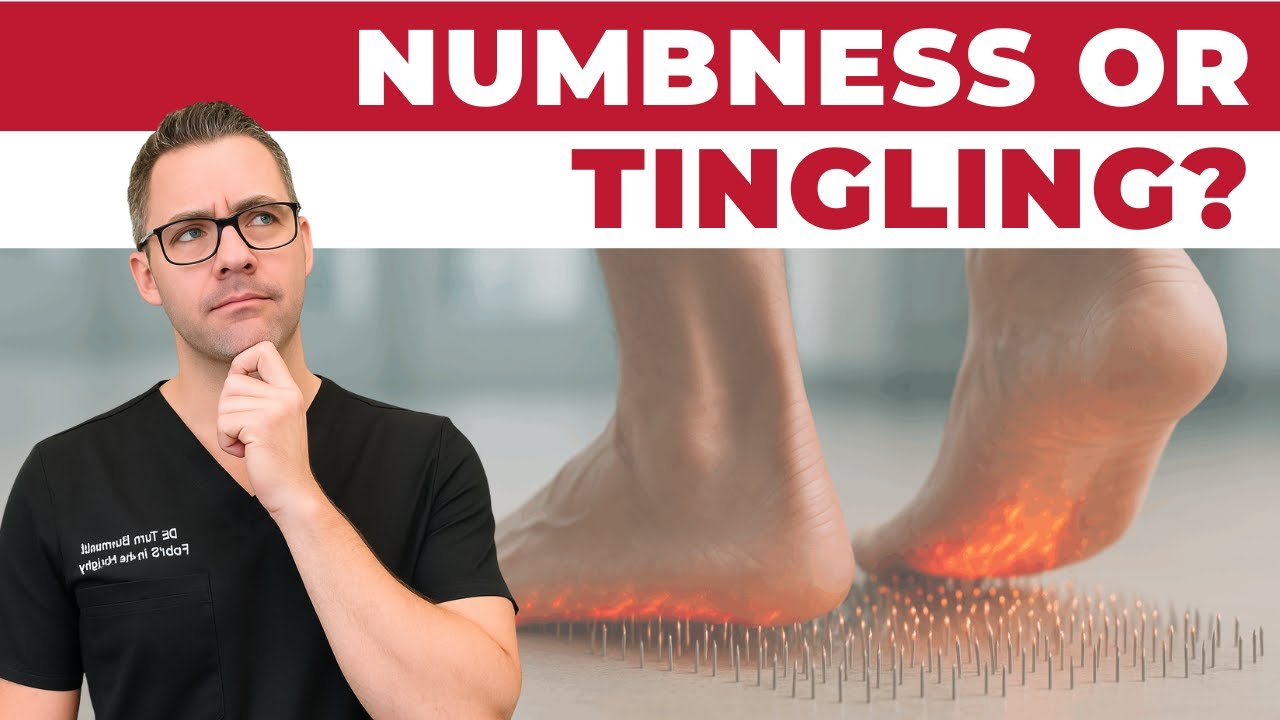
  • New numbness or tingling in the feet — Developing neuropathy needs prompt diagnosis to identify treatable causes like B12 deficiency or uncontrolled diabetes
  • Dark discoloration of toes or feet — Color changes may indicate compromised circulation that requires urgent vascular evaluation
  • Pain that wakes you from sleep or occurs at rest — Rest pain in the feet may indicate critical limb ischemia, which is a vascular emergency
  • A fall or near-fall related to foot pain or instability — One fall dramatically increases the risk of subsequent falls; early intervention is essential
  • Rapidly spreading redness or red streaks from a foot wound — Signs of cellulitis or lymphangitis that require immediate antibiotic treatment
  • Sudden inability to lift the front of the foot — Foot drop may indicate nerve compression, stroke, or other neurological emergency

Seniors: see a podiatrist promptly if you notice:

  • Any open wound or sore that doesn’t heal within 2 weeks
  • Numbness, tingling, or loss of sensation in your feet
  • Changes in skin color (darkening, redness, or blue discoloration)
  • Toenails that are thick, discolored, or painful
  • Sudden swelling in one foot or ankle
  • Balance problems or frequent stumbling

The Bottom Line on Senior Foot Health

Your feet are the foundation of your mobility and independence as you age. The conditions that affect senior feet—from arthritis and neuropathy to circulation changes and fall risk—are all manageable with proactive care. At Balance Foot & Ankle, we help seniors in Howell and Bloomfield Hills maintain healthy, pain-free feet through regular checkups, custom orthotics, proper footwear guidance, and targeted treatments. The single most important step you can take is scheduling regular podiatric evaluations before small issues become serious problems.

More Podiatrist-Recommended Arthritis Essentials

Arthritis Massage Ball

No products found.

Self-myofascial release for arthritic stiff joints — daily 3-minute protocol.

Cushioned Insole

No products found.

Impact absorption protects worn cartilage in the ankle and midfoot.

Rocker-Bottom Shoe Insert

No products found.

Propels gait without requiring ankle motion — gold standard for ankle arthritis.

As an Amazon Associate, Balance Foot & Ankle earns from qualifying purchases. Product recommendations are based on clinical experience; prices and availability shown above update live from Amazon.

Arthritis Header Photo Balance Foot And Ankle - Balance Foot & Ankle
Foot Health Guide for Seniors: Preventing Falls, Managing Arthritis, and Maintaining Mobility 20

When to See a Podiatrist

Foot and ankle arthritis progresses silently — cartilage doesn’t regrow, but joint fusion, cheilectomy, and biologic injections can restore function at every stage. Balance Foot & Ankle offers the full arthritis spectrum: bracing, injections, and reconstructive surgery. Start with a consult so we can image the joint and give you a realistic 5-year outlook.

Call Balance Foot & Ankle: (810) 206-1402  ·  Book online  ·  Offices in Howell & Bloomfield Hills

Frequently Asked Questions

How often should seniors see a podiatrist?
Healthy seniors without diabetes or vascular disease should have annual foot examinations. Diabetic patients need evaluation every 2 to 3 months. Those with peripheral neuropathy, peripheral vascular disease, or history of foot ulceration may need monthly visits depending on risk level. Any new symptom between visits warrants prompt evaluation.

Does Medicare cover podiatric care for seniors?
Medicare Part B covers medically necessary podiatric services including treatment of injuries, infections, and foot conditions. Routine foot care including nail trimming and callus debridement is covered for patients with qualifying systemic conditions such as diabetes with neuropathy or peripheral vascular disease. The Diabetic Shoe Program covers therapeutic shoes and custom insoles for qualifying diabetic patients.

Can foot exercises really prevent falls?
Yes. Multiple clinical studies demonstrate that targeted foot and ankle exercises reduce fall risk by 20 to 30%. The exercises improve ankle strength, proprioception, and balance — three factors that decline with age and directly contribute to fall risk. Combined with proper footwear and orthotic support, exercise-based interventions are among the most effective fall prevention strategies available.

Why do my feet hurt more as I get older?
Age-related foot pain has multiple causes: fat pad thinning under the heel and ball of foot reduces cushioning, ligament laxity allows arch flattening and forefoot widening, arthritis stiffens joints and creates bone spurs, and reduced circulation impairs tissue health. The good news is that most of these conditions respond well to treatment including orthotic support, appropriate footwear, targeted exercises, and topical pain management.

Is it safe for seniors to walk barefoot at home?
We advise against barefoot walking for seniors, especially those with diabetes, neuropathy, or poor circulation. Walking barefoot removes the protective barrier between your feet and potential hazards like dropped objects, pet toys, and temperature extremes. It also eliminates the proprioceptive and structural support that good footwear provides. We recommend wearing supportive house shoes with non-slip soles and removable insoles at all times indoors.

Sources

  1. Menz HB, et al. Foot problems as a risk factor for falls in community-dwelling older people: a systematic review and meta-analysis. Maturitas. 2018;118:7-14.
  2. Menz HB. Biomechanics of the ageing foot and ankle: a mini-review. Gerontology. 2015;61(4):381-388.
  3. Dunn JE, et al. Prevalence of foot and ankle conditions in a multiethnic community sample of older adults. American Journal of Epidemiology. 2004;159(5):491-498.
  4. Bus SA, et al. IWGDF guidance on footwear and offloading interventions to prevent and heal foot ulcers in patients with diabetes. Diabetes/Metabolism Research and Reviews. 2016;32(S1):25-36.
  5. Sherrington C, et al. Exercise for preventing falls in older people living in the community. Cochrane Database of Systematic Reviews. 2019;1(1):CD012424.

Watch: Understanding Foot Pain

Play video

Dr. Biernacki explains common causes of foot pain and when to seek professional treatment.

Take the First Step Toward Better Foot Health

Your feet have carried you through decades of life — they deserve expert care. At Balance Foot & Ankle, Dr. Biernacki provides comprehensive geriatric foot care with a focus on fall prevention, pain relief, and maintaining the independence that matters most to you. We accept Medicare and most insurance plans, and our office is fully accessible.

📞 Call (810) 310-1911 to schedule your evaluation.
→ Book Your Appointment Online

Related Treatment Pages

Last updated: April 2026 | Balance Foot & Ankle Specialists — Serving Southeast Michigan including Shelby Township, Macomb Township, Sterling Heights, Rochester Hills, Troy, and surrounding communities

Dr. Tom’s Recommended Products: See our clinically tested product recommendations for this condition. View Dr. Tom’s recommended products →

Insurance Accepted

BCBS · Medicare · Aetna · Cigna · United Healthcare · HAP · Priority Health · Humana · View All →

Ready to Get Back on Your Feet?

Same-week appointments available at both locations.

Book Your Appointment

(810) 206-1402

Recommended Products for Foot Arthritis
Products personally used and recommended by Dr. Tom Biernacki, DPM. All available on Amazon.
Anti-inflammatory topical for joint pain and stiffness without oral medication side effects.
Best for: Joint pain, morning stiffness
Shock-absorbing insoles that reduce impact stress on arthritic joints.
Best for: Reducing joint impact
Compression reduces swelling and supports circulation around arthritic joints.
Best for: Swelling reduction
These products work best with professional treatment. Book an appointment with Dr. Tom for a personalized treatment plan.
Complete Recovery Protocol
Dr. Tom's Arthritis Relief Kit
Daily management products for foot and ankle arthritis.
~$18
~$35
~$25
Kit Total: ~$78 $115+ for comparable products
All available on Amazon with free Prime shipping

Frequently Asked Questions

Can a podiatrist treat arthritis in the foot?
Yes. Podiatrists diagnose and treat all types of foot and ankle arthritis including osteoarthritis, rheumatoid arthritis, and gout. Treatments include custom orthotics, joint injections, physical therapy, and surgical options when conservative care is insufficient.
How much does a podiatrist visit cost without insurance?
Self-pay podiatrist visits typically range from 100 to 250 dollars for an initial consultation. Contact Balance Foot & Ankle Specialists at (810) 206-1402 for current self-pay pricing and payment plan options.
Medical References
  1. Plantar Fasciitis: Diagnosis and Conservative Management (PubMed)
  2. Plantar Fasciitis (APMA)
  3. Diagnosis and Treatment of Plantar Fasciitis (PubMed / AAFP)
  4. Heel Pain (APMA)
This article has been reviewed for medical accuracy by Dr. Tom Biernacki, DPM. References are provided for informational purposes.

Recommended Products from Dr. Tom

Balance Foot & Ankle surgeons are affiliated with Trinity Health Michigan, Corewell Health, and Henry Ford Health — three of Michigan’s largest health systems.