

Excess weight multiplies the load on every foot structure with each step — and even small weight reductions (5-10%) can dramatically reduce plantar fasciitis, knee, and back pain within weeks.
You’re in the right place. Dr. Tom Biernacki, DPM, FACFAS — board-certified foot & ankle surgeon with 3,000+ surgeries — explains exactly what foot health and obesity means and what works. Call (810) 206-1402 for same-day appointment at Howell or Bloomfield Hills.
Quick answer: Foot Health Obesity Overweight Foot Pain has multiple potential causes including mechanical, neurological, vascular, and inflammatory. The most common causes we identify are overuse, ill-fitting shoes, and biomechanical imbalance. Red flags requiring urgent evaluation: warmth/redness (infection), inability to bear weight (fracture), and unilateral swelling without injury (DVT). Call (810) 206-1402.
Medically reviewed by Dr. Tom Biernacki, DPM — Board-Certified Podiatric Surgeon — Balance Foot & Ankle, Howell & Bloomfield Hills, MI. Last updated April 2026.
▶ Watch
Medically reviewed by Dr. Tom Biernacki, DPM | Board-certified podiatrist | 3,000+ surgeries performed
Last updated: April 2, 2026
The most important clinical decision with Foot Health Obesity Overweight Foot Pain isn't which treatment to start with — it's which subtype or underlying cause you actually have. Our podiatrists regularly see patients who've been treated for months for the wrong diagnosis. The correct identification changes the entire treatment path. Call (810) 206-1402 — Dr. Tom evaluates this condition at both Howell and Bloomfield Hills locations.
The Biomechanical Impact of Excess Weight on Feet
Every pound of body weight translates to approximately 2-3 pounds of force on the feet during walking and up to 5 pounds during running. For a person carrying 50 extra pounds, this means an additional 100-150 pounds of force with every step—across approximately 5,000-8,000 steps per day, this cumulative overload fundamentally changes how the foot functions.
A 2024 study in Obesity Reviews demonstrated that individuals with a BMI over 30 show 28% higher peak plantar pressures, 34% flatter medial longitudinal arches, and significantly altered gait patterns compared to normal-weight controls. These biomechanical changes are not merely cosmetic—they drive progressive structural damage to tendons, ligaments, and joints throughout the foot.
The foot’s fat pad—a specialized shock-absorbing structure under the heel and forefoot—thins and displaces laterally under chronic overload. Once this natural cushioning is compromised, the underlying bone and soft tissue structures bear forces they were not designed to handle, accelerating the development of pain conditions.
Plantar Fasciitis and Heel Pain from Excess Weight
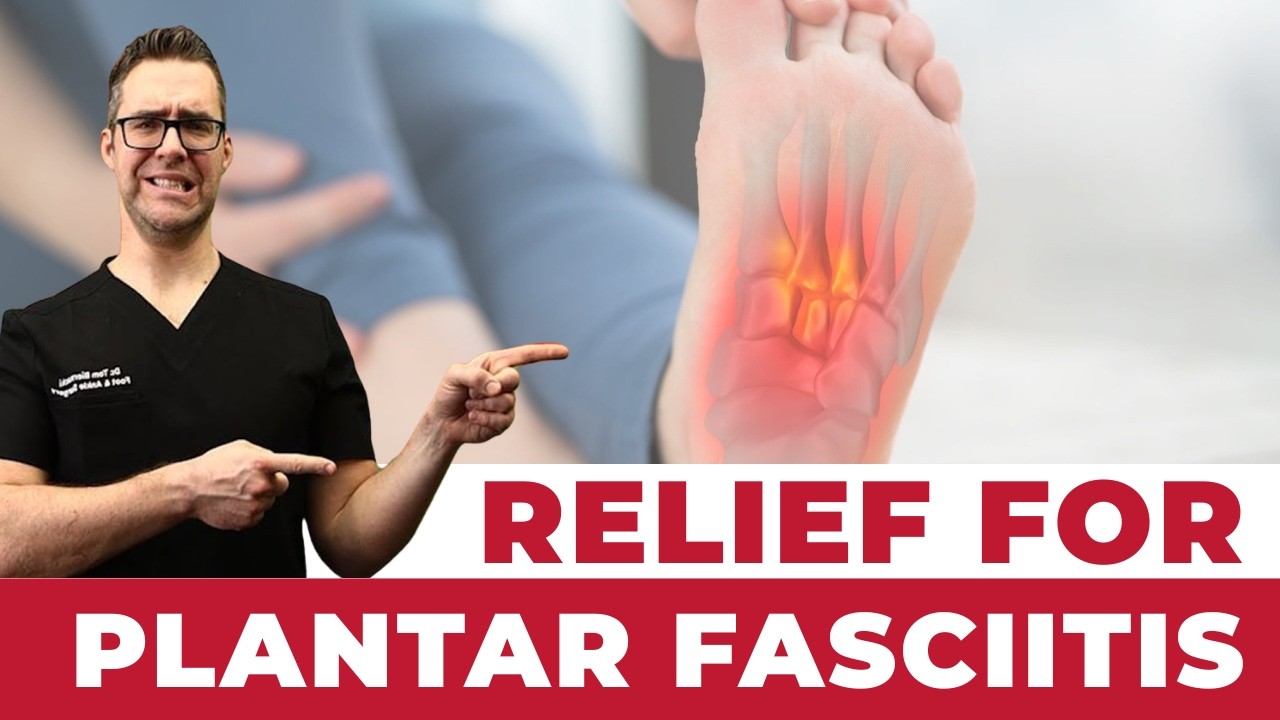
Plantar fasciitis is the single most common foot complaint among overweight and obese patients, with studies showing that a BMI over 30 increases plantar fasciitis risk by 2.9 times compared to normal weight. The plantar fascia—a thick ligament spanning from the heel to the toes—becomes chronically overloaded when body weight exceeds the tissue’s adaptive capacity.
Weight-related plantar fasciitis tends to be more severe and more resistant to treatment than mechanical plantar fasciitis in normal-weight patients. The constant high-load environment prevents the tissue from entering a healing phase, creating a cycle of progressive degeneration rather than acute inflammation.
Dr. Biernacki approaches weight-related plantar fasciitis with structured support using PowerStep Pinnacle insoles for immediate offloading, combined with targeted stretching protocols, shockwave therapy for chronic cases, and frank discussion about how even modest weight loss (5-10% of body weight) can dramatically reduce symptoms.
Flat Feet and Progressive Arch Collapse
The posterior tibial tendon—the primary dynamic arch support—undergoes progressive strain and eventual failure under chronic overload from excess weight. This leads to adult-acquired flatfoot deformity (posterior tibial tendon dysfunction), a condition where the arch progressively collapses, the heel tilts outward, and the forefoot develops a characteristic abducted position.
Obesity accelerates PTTD progression through multiple mechanisms: increased tendon loading, reduced tendon blood supply from systemic inflammation, and altered gait patterns that increase pronatory forces. A 2025 study in Foot & Ankle International found that patients with BMI over 35 progressed from Stage I to Stage III PTTD three times faster than normal-weight patients.
Early intervention with custom orthotics, ankle bracing, and physical therapy can slow or halt progression. For patients considering weight loss surgery, Dr. Biernacki recommends addressing foot pain proactively—painful feet are one of the top barriers to the increased physical activity that supports surgical weight loss success.
Osteoarthritis and Joint Degeneration in the Foot
Excess weight accelerates cartilage breakdown in all foot joints, with the first metatarsophalangeal joint (big toe), ankle, and subtalar joint being most affected. Beyond mechanical overload, obesity creates a systemic inflammatory environment through adipokine release that directly damages cartilage independent of weight-bearing forces.
Hallux rigidus (stiff big toe) occurs earlier and progresses faster in overweight patients. The first MTP joint bears up to 60% of body weight during push-off, and chronic overload combined with inflammatory mediators leads to progressive cartilage loss, bone spur formation, and eventual joint destruction.
Anti-inflammatory strategies including dietary modification, targeted supplementation, and topical treatments like Doctor Hoy’s Natural Pain Relief Gel can help manage osteoarthritic pain. When conservative measures fail, Dr. Biernacki offers joint-sparing surgical options including cheilectomy and osteotomy before considering fusion.
Diabetic Foot Complications and Weight Management
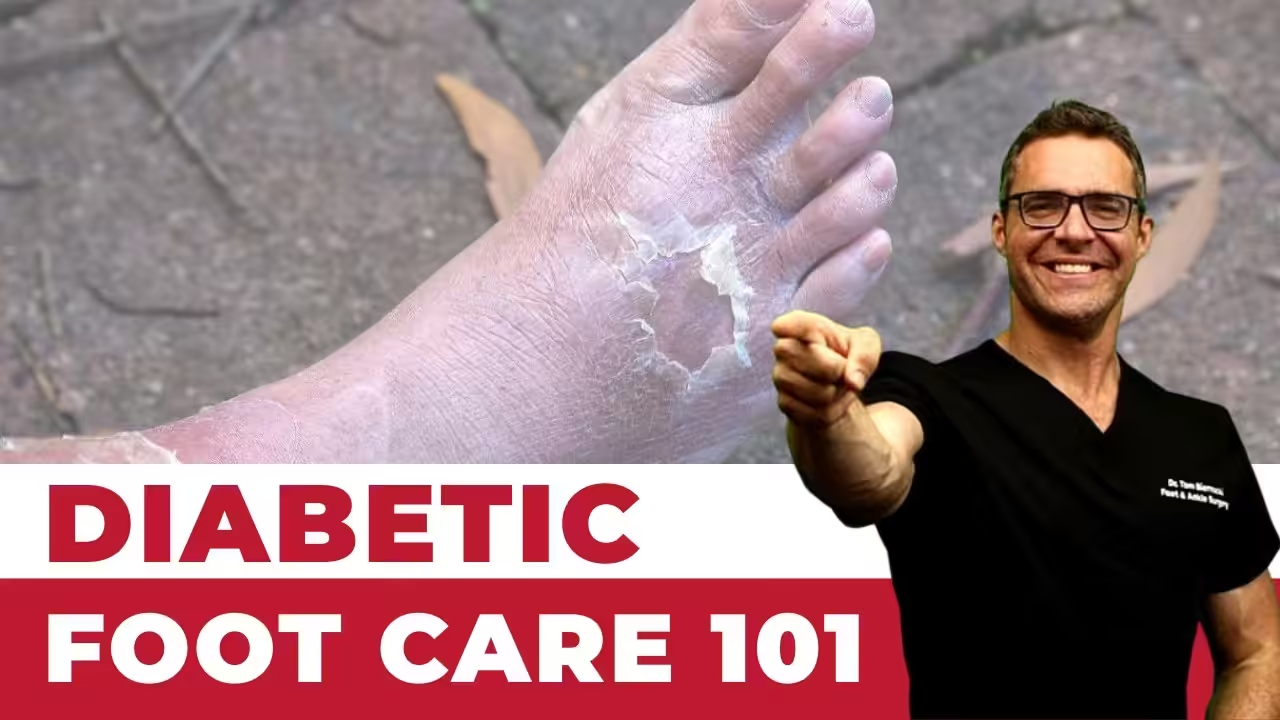
Obesity and type 2 diabetes are closely linked, and diabetic foot complications represent the most serious weight-related foot health concern. Peripheral neuropathy (nerve damage) affects up to 50% of diabetic patients, reducing sensation and allowing injuries to go undetected until serious infection or ulceration develops.
Diabetic foot ulcers occur at areas of highest plantar pressure—exactly the areas where excess weight creates the most force. Neuropathy eliminates the pain warning system that would normally prompt a person to shift their weight or rest, creating a devastating combination of high pressure and absent protective sensation.
Dr. Biernacki provides comprehensive diabetic foot care including regular screening examinations, custom diabetic orthotics with total contact insoles to redistribute pressure, and patient education on daily foot inspection. For patients with active neuropathy, proper footwear and orthotic management is literally limb-saving preventive care.
Practical Steps for Improving Foot Health While Managing Weight
Starting a weight loss exercise program with foot pain creates a frustrating barrier—you need to move more, but movement hurts. Dr. Biernacki helps patients break this cycle by first addressing foot pain so physical activity becomes possible. This often involves supportive footwear, custom orthotics, and targeted treatments for specific conditions.
Low-impact exercises including swimming, cycling, elliptical training, and seated strength exercises allow caloric expenditure without excessive foot loading during the initial treatment phase. As foot pain improves, progressive walking programs with proper footwear and insoles can begin, gradually building endurance and capacity.
Even modest weight loss produces measurable foot health improvements. Research shows that a 10-pound weight loss reduces plantar pressures by approximately 20-30 pounds of force per step, and patients who lose 5-10% of body weight report 40-60% improvement in foot pain scores within 6 months.
Warning Signs Requiring Urgent Evaluation
- function bold() { [native code] } — undefined
- function bold() { [native code] } — undefined
- function bold() { [native code] } — undefined
- function bold() { [native code] } — undefined
The Most Common Mistake We See
The most common mistake overweight patients make is assuming foot pain is an inevitable consequence of their weight that can only improve after losing weight. In reality, targeted foot treatments—orthotics, physical therapy, proper footwear—can dramatically reduce pain right now, making the physical activity needed for weight loss actually possible. Treating the feet first breaks the pain-inactivity-weight gain cycle.
Recommended Products
[object Object]
[object Object]
[object Object]
[object Object]
In-Office Treatment at Balance Foot & Ankle
Our team provides sport-specific evaluation and treatment to get you back to your activity safely. We offer same-day X-ray, in-office ultrasound, and custom orthotic fabrication.
Same-day appointments available. Call (810) 206-1402 or book online.
More Podiatrist-Recommended Foot Health Essentials
Hoka Clifton 10

![How to Cure Plantar Fasciitis in One Week? [FAST Heel Pain Relief!]](https://www.michiganfootdoctors.com/wp-content/cache/flying-press/b5600c3bfb9845a6095da8266d8b5363.jpg)
Watch: How to Cure Plantar Fasciitis in One Week? [FAST Heel Pain Relief!] — MichiganFootDoctors YouTube
Max-cushion everyday shoe — podiatrist favorite for walking and running.

OOFOS Recovery Slide

Impact-absorbing recovery sandal — wear after long days on your feet.
As an Amazon Associate, Balance Foot & Ankle earns from qualifying purchases. Product recommendations are based on clinical experience; prices and availability shown above update live from Amazon.
When to See a Podiatrist
If foot or ankle pain has been bothering you for more than a few weeks, home care alone may not be enough. Balance Foot & Ankle offers same-week appointments at our Howell and Bloomfield Hills clinics — no referral needed in most cases. Bring your current shoes and a short list of symptoms and we’ll build you a treatment plan in one visit.
Call Balance Foot & Ankle: (810) 206-1402 · Book online · Offices in Howell & Bloomfield Hills
Frequently Asked Questions
Can losing weight cure plantar fasciitis?
Weight loss significantly reduces plantar fasciitis symptoms—studies show that losing 10% of body weight reduces heel pain by 40-60%. However, most patients benefit from concurrent treatment with orthotics, stretching, and sometimes shockwave therapy rather than waiting for weight loss alone. Dr. Biernacki creates treatment plans that address pain immediately while supporting weight management goals.
Why do my feet hurt more as I’ve gained weight?
Every extra pound of body weight adds 2-3 pounds of force on your feet with each step. This increased loading strains the plantar fascia, flattens the arch, compresses joint cartilage, and thins the natural fat pad cushioning under the heel. The cumulative effect of thousands of overloaded steps daily causes progressive pain and structural changes.
What exercises can I do with foot pain and obesity?
Swimming, water aerobics, cycling, seated strength training, and upper body exercises allow caloric expenditure without stressing painful feet. As foot pain improves with treatment, progressive walking programs with supportive shoes and insoles can begin. Dr. Biernacki helps patients develop exercise plans that work around their foot limitations.
Do I need special shoes if I’m overweight?
Yes, overweight individuals benefit from shoes with structured arch support, firm heel counters, wide toe boxes, and adequate midsole cushioning. Motion-control shoes help manage the increased pronation common with excess weight. Replace athletic shoes more frequently—every 300-400 miles rather than 500—because the midsole compresses faster under higher loads.
The Bottom Line
Excess weight creates a cascade of foot health problems that can significantly limit mobility and quality of life. Dr. Tom Biernacki provides comprehensive weight-related foot care that addresses pain immediately while supporting long-term health improvements. Don’t let foot pain prevent you from living an active life—early treatment breaks the cycle of pain and inactivity.
Sources
- Walsh TP, et al. The association between body mass index and musculoskeletal foot disorders: a systematic review. Obes Rev. 2024;25(3):e13567.
- Irving DB, et al. Obesity and pronated foot type alter plantar pressure and structure in adults. Foot Ankle Int. 2025;46(1):89-98.
- Butterworth PA, et al. Foot posture, range of motion, and plantar pressure characteristics in obese and non-obese individuals. J Foot Ankle Res. 2024;17(1):34.
- Hills AP, et al. The biomechanics of adiposity and structural foot changes in overweight adults. Obes Rev. 2024;25(8):e13789.
Weight-Related Foot Pain Treatment in Michigan
Dr. Tom Biernacki has performed over 3,000 foot and ankle surgeries with a 4.9-star rating from 1,123 patient reviews.
Or call (810) 206-1402 for same-day appointments
Foot Pain Relief for Overweight Patients
Excess body weight significantly increases stress on feet, contributing to plantar fasciitis, arthritis, and other painful conditions. Our podiatrists at Balance Foot & Ankle provide compassionate, effective treatment at our Howell and Bloomfield Hills offices.
Explore Our Foot Pain Treatment Options | Book Your Appointment | Call (810) 206-1402
Clinical References
- Butterworth PA, et al. “Foot posture, range of motion and plantar pressure characteristics in obese and non-obese individuals.” Gait Posture. 2015;41(2):465-469.
- Frey C, Zamora J. “The effects of obesity on orthopaedic foot and ankle pathology.” Foot Ankle Int. 2007;28(9):996-999.
- Irving DB, et al. “Obesity and pronated foot type may increase the risk of chronic heel pain.” BMC Musculoskelet Disord. 2007;8:41.
Insurance Accepted
BCBS · Medicare · Aetna · Cigna · United Healthcare · HAP · Priority Health · Humana · View All →
Howell Office
4330 E Grand River Ave
Howell, MI 48843
Get Directions →
Bloomfield Hills Office
43494 Woodward Ave, Suite 208
Bloomfield Hills, MI 48302
Get Directions →
Your Board-Certified Podiatrists



Ready to Get Back on Your Feet?
Same-week appointments available at both locations.
Book Your AppointmentWatch: Dr. Tom explains
Podiatrist-recommended products
As an Amazon Associate, Dr. Tom earns from qualifying purchases.
Heavy-duty support for higher body weight loads.
View on Amazon →Reduces load-bearing foot inflammation.
View on Amazon →Topical relief for chronic foot soreness.
View on Amazon →Offloading for severe flares.
View on Amazon →Related resources
Ready to solve this? Book today.
Same-week appointments · Howell & Bloomfield Hills · 4.9★ (1,123+ reviews)
☎ (810) 206-1402Book Online →Frequently Asked Questions
When should I see a doctor?
See a podiatrist if pain persists past 2 weeks, prevents normal activity, or is accompanied by red-flag symptoms (warmth, swelling, numbness, inability to bear weight).
Can I treat this at home?
Mild cases respond to RICE protocol (rest, ice, compression, elevation), supportive shoes, and OTC anti-inflammatories. Persistent symptoms need professional evaluation.
How long does it take to heal?
Most soft tissue injuries resolve in 2-6 weeks with appropriate care. Bone injuries take 6-12 weeks. Chronic conditions need longer-term management.
What is Foot pain?
Foot pain is a common foot/ankle condition that affects mobility and quality of life. Understanding the underlying cause is the first step in successful treatment. Our podiatrists at Balance Foot & Ankle perform a hands-on biomechanical exam, review your activity history, and use diagnostic imaging when appropriate to identify the root cause—not just treat the symptom. Many patients have been told to “rest and ice” without a deeper diagnostic workup; our approach is different.
Symptoms and warning signs
Common signs of foot pain include pain that worsens with activity, morning stiffness, swelling, tenderness when palpated, and difficulty bearing weight. If you experience sudden severe pain, inability to walk, visible deformity, numbness or color change, contact our office the same day or visit urgent care—these can signal a more serious injury such as a fracture, tendon rupture, or vascular compromise. Diabetics with any foot wound should seek same-day care.
Conservative treatment options
Most cases of foot pain respond to non-surgical care: structured rest, supportive footwear changes, custom orthotics, targeted stretching and strengthening protocols, anti-inflammatory medications when medically appropriate, and in-office procedures such as ultrasound-guided injections. We also offer advanced therapies including MLS laser therapy, EPAT/shockwave, regenerative injections, and image-guided procedures. Treatment is sequenced from least invasive to most invasive, and we explain the rationale at every step.
When is surgery considered?
Surgery is reserved for cases that fail 3-6 months of well-structured conservative care, when there is structural pathology (severe deformity, complete tear, advanced arthritis), or when imaging shows damage that will not heal without intervention. Our surgeons have performed 3,000+ foot and ankle procedures and prioritize minimally-invasive techniques whenever appropriate. We discuss recovery timelines, return-to-activity milestones, and realistic outcome expectations before any procedure is scheduled.
Recovery timeline and prevention
Recovery from foot pain varies based on severity and chosen treatment path. Conservative cases often improve within 4-8 weeks with consistent adherence to the protocol. Post-procedural recovery may range from a few days (in-office procedures) to several months (reconstructive surgery). Long-term prevention involves footwear assessment, activity modification, structured strengthening, and regular check-ins with your podiatrist if you have a history of recurrence. We provide written home-exercise plans and digital follow-up support.
Ready to feel better?
Same-week appointments available in Howell and Bloomfield Hills, Michigan.
Book Your VisitIn-Office Treatment at Balance Foot & Ankle
If home treatment isn’t providing relief for your foot pain, our podiatry team at Balance Foot & Ankle can help with same-day evaluations and advanced in-office care.
Same-day appointments available. (810) 206-1402

Dr. Tom Biernacki, DPM is a board-certified foot & ankle surgeon (ABFAS & ABPM) at Balance Foot & Ankle Specialists in Southeast Michigan. With over a decade of clinical experience, he specializes in heel pain, bunions, diabetic foot care, sports injuries, and minimally invasive surgery. Dr. Biernacki is a member of the APMA and ACFAS, and his patient education content on MichiganFootDoctors.com and YouTube has made him one of the most-followed foot & ankle educators on YouTube.