
Medically reviewed by Dr. Tom Biernacki, DPM
Board-certified podiatric surgeon | Balance Foot & Ankle, Howell & Bloomfield Township, MI
Last reviewed: May 2026

| Condition | Prevalence in Elderly Women | Primary Cause | Key Treatment |
|---|---|---|---|
| Bunions (hallux valgus) | Very high (up to 35% over age 65) | Narrow footwear + genetics | Wide shoes, orthotics, bunionectomy |
| Hammertoes | High | Footwear + muscle imbalance | Toe pads, wider shoes, surgical correction |
| Metatarsalgia | High | Fat pad atrophy + deformity | Cushioned orthotics, metatarsal pads |
| Plantar fasciitis | Moderate–High | Loss of heel fat pad + tight calf | Stretching, orthotics, injection |
| Peripheral neuropathy | Moderate (higher with diabetes) | Diabetes, idiopathic | Glycemic control, protective footwear, gabapentin |
| Osteoarthritis (ankle/midfoot) | Moderate–High | Wear and tear + prior injury | Orthotics, injections, fusion if severe |
| Toenail fungus | High | Reduced immunity, circulation | Oral antifungal, laser treatment |
| Footwear Feature | Why It Matters for Elderly Women |
|---|---|
| Wide/extra-wide toe box | Accommodates bunions and hammertoes without pressure |
| Low broad heel (<1 inch) | Reduces Achilles strain; improves balance vs. flat sole |
| Firm heel counter | Prevents excessive rearfoot motion; reduces plantar fasciitis |
| Removable insole | Allows insertion of custom orthotics |
| Non-slip rubber outsole | Reduces fall risk—leading cause of injury in seniors |
| Velcro or elastic closure | Accommodates edema; easier for arthritic hands |
| Rocker-bottom sole option | Reduces forefoot pressure in metatarsalgia and arthritis |
Quick answer: Foot Pain Elderly Women has multiple potential causes including mechanical, neurological, vascular, and inflammatory. The most common causes we identify are overuse, ill-fitting shoes, and biomechanical imbalance. Red flags requiring urgent evaluation: warmth/redness (infection), inability to bear weight (fracture), and unilateral swelling without injury (DVT). Call (810) 206-1402.
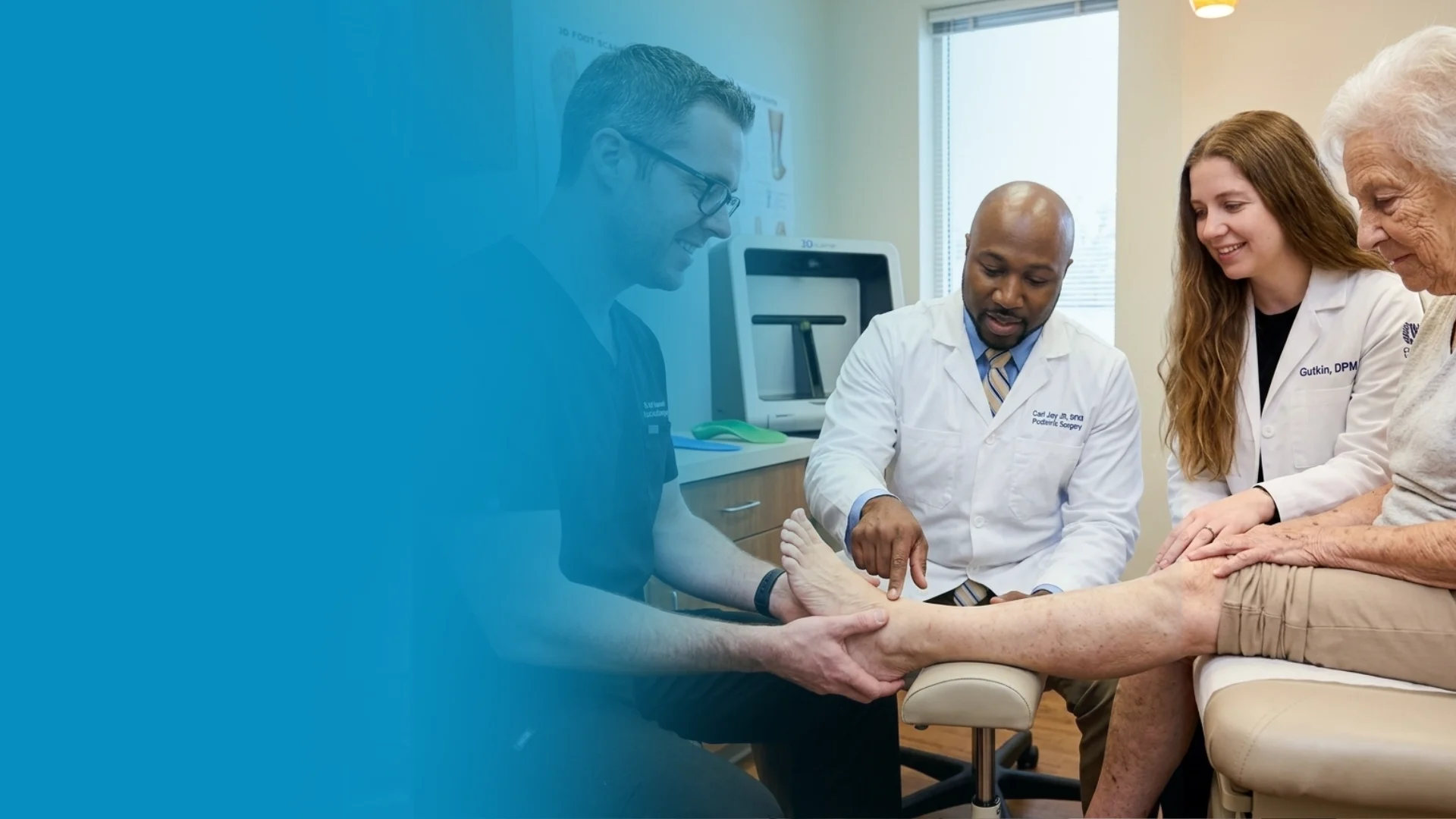

![How to Cure Plantar Fasciitis in One Week? [FAST Heel Pain Relief!]](https://www.michiganfootdoctors.com/wp-content/cache/flying-press/b5600c3bfb9845a6095da8266d8b5363.jpg)
Watch: How to Cure Plantar Fasciitis in One Week? [FAST Heel Pain Relief!] — MichiganFootDoctors YouTube
The most important clinical decision with Foot Pain Elderly Women isn’t which treatment to start with — it’s identifying the correct subtype. That changes everything. Call (810) 206-1402.
Foot Pain Elderly Women: Quick Answer
Foot pain affects 60-70% of women over 65 – and causes more disability than any other body system in this age group. We help dozens of elderly patients each month at Balance Foot and Ankle manage age-related foot conditions. Here are the 8 most common causes and effective treatments.
Why Elderly Women Have More Foot Pain
Age-related changes: Plantar fat pad atrophy (loses 20-30% by age 70); skin thinning; tendon stiffening; ligament laxity; cumulative wear-and-tear arthritis; circulation changes; muscle weakness; balance decline. Compounding factors specific to women: Decades of wearing heels and narrow shoes; hormonal changes (postmenopausal); osteoporosis; rheumatoid arthritis (more common in women).
1. Osteoarthritis (Most Common)
Joints affected: Big toe (hallux limitus/rigidus), midfoot, subtalar, ankle. Symptoms: Stiffness worse in morning (lasts less than 30 min); deep aching pain; reduced range of motion; bony bumps. Treatment: Stiff-soled shoes (Hoka, Brooks Beast), custom orthotics with appropriate modifications, NSAIDs, weight management, low-impact exercise. Surgical options for severe arthritis (joint replacement, fusion).
2. Plantar Fat Pad Atrophy
Mechanism: Natural age-related loss of plantar heel and forefoot fat pads. Symptoms: Walking on hard surfaces hurts; sense of “walking on bones”; bruising easily on bottom of foot; thin appearance of forefoot/heel. Treatment: Cushioned shoes (Hoka Bondi), heel cups, gel forefoot pads, custom orthotics with cushion. Cannot be reversed but can be effectively managed.
3. Bunions and Hammertoes
Mechanism: Decades of progressive deformity often becomes severe by older age; arthritis develops in deformed joints. Symptoms: Visible deformities; pain with shoes; calluses; difficulty fitting in shoes. Treatment: Wide toe-box shoes, custom orthotics, padding, accommodative care. Surgery if conservative care fails (modern minimally invasive options available even for elderly patients).
4. Diabetic Foot Care Concerns
Issues: Neuropathy (cant feel injury), reduced circulation, slower healing, skin/nail problems. Treatment: Daily foot inspection; properly fitted diabetic shoes (Medicare covered); routine foot care every 60 days (Medicare covered); aggressive treatment of any wounds or infections. Critical to prevent ulceration and amputation.
5. Plantar Fasciitis (Common Even in Elderly)
Causes: Tight calves (worsens with age), inadequate cushioning in shoes, fat pad loss adding stress to fascia. Symptoms: Heel pain especially with first morning steps. Treatment: Custom orthotics, daily stretching, supportive cushioned shoes, ice. Cortisone injection if conservative care fails after 6 weeks.
6. Vascular Disease (Peripheral Arterial Disease)
Symptoms: Cold feet, weak/absent pulses, claudication (calf pain with walking, relieved by rest), slow-healing wounds, hair loss on legs. Treatment: Smoking cessation, exercise program, statins, antiplatelet therapy, possibly revascularization. Critical to identify – PAD increases stroke and heart attack risk significantly.
7. Falls and Fractures
1 in 4 elderly women falls annually; foot fractures common. Risk factors: Weak ankle stabilizers, balance decline, vision changes, polypharmacy, osteoporosis. Prevention: Stable supportive shoes (NOT slippers or barefoot at home), home safety assessment, balance/strength exercises, vision check, medication review with PCP. Hip fractures often preceded by foot/ankle stumbles.
8. Ingrown Toenails and Routine Foot Care
Issues: Difficulty reaching toes; vision/hand limitations; thickened nails; risk of infection. Solution: Routine professional foot care every 60 days (covered by Medicare for diabetics, neuropathy, vascular disease); proper trimming; family help when needed. Never skip nail care – infections in elderly can be serious.
Comprehensive Approach for Elderly Women
1. Annual comprehensive foot exam with podiatrist. 2. Routine foot care every 60 days if covered (most elderly qualify under Medicare). 3. Properly fitted shoes always (no slippers, no barefoot at home). 4. Custom orthotics for biomechanical issues. 5. Daily foot inspection. 6. Maintain mobility – walking, swimming, gentle stretching. 7. Address underlying conditions (diabetes, arthritis, vascular disease). Schedule an evaluation at Balance Foot and Ankle for personalized care plan.
Podiatrist-Recommended Products

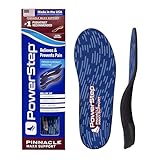
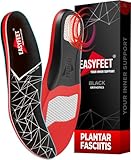

In-Office Treatment at Balance Foot & Ankle
If home treatment isn’t providing relief for your foot pain, our podiatry team at Balance Foot & Ankle can help with same-day evaluations and advanced in-office care.
Same-day appointments available. (810) 206-1402
Frequently Asked Questions About Foot Pain Elderly Women
Why do elderly women have more foot pain?
Age-related changes (fat pad atrophy, joint wear, tendon stiffening), decades of heels/narrow shoes, osteoporosis, common conditions (RA, diabetes), and reduced circulation all contribute.
What is the best shoe for elderly women with foot pain?
Hoka Bondi 8 (max cushion), New Balance 928 (walking, fall-prevention), Vionic Walker (dress/casual), Skechers Slip-Ins (easy on/off), Drew diabetic shoes (foot deformities, Medicare-covered).
Are foot pain pills safe for elderly?
Topical NSAIDs (diclofenac gel) are safest. Oral NSAIDs (ibuprofen, naproxen) can affect kidneys and stomach in elderly – use lowest effective dose, short-term. Acetaminophen is gentler. Consult PCP for chronic pain.
Should I see a podiatrist for foot care if I am elderly?
Yes – especially if diabetic, have vascular disease, neuropathy, or vision/hand limitations affecting nail care. Medicare covers podiatry for qualifying patients every 60 days.
Can elderly women have foot surgery?
Yes – age alone is not a contraindication. Modern outpatient procedures (bunion, hammertoe, ingrown nail, ankle reconstruction) can be done safely even in 70s and 80s with appropriate medical clearance.
How can elderly women prevent falls?
Wear supportive shoes (NOT slippers or barefoot), use night lights, remove rugs, balance/strength exercises, regular vision check, medication review, home safety assessment, podiatric foot exam.
Will Medicare cover foot care for elderly?
Yes – Medicare covers: routine foot care every 60 days for qualifying conditions; diabetic shoes annually for qualifying diabetics; specialist visits; medically necessary surgery; custom orthotics for documented medical necessity.
Related Resources from Balance Foot & Ankle
Still Dealing With Foot Pain Elderly Women?
Same-week appointments at Balance Foot & Ankle in Howell & Bloomfield Township, MI.
Book Your Appointment⚕ Doctor Recommended
Doctor Hoy’s Natural Pain ReliefTopical relief for foot & ankle pain
View Product →APMA: Foot Care for Elderly Patients
Ready to Get Relief?
Same-day appointments available in Howell & Bloomfield Township, MI
4.9★ | 1,123 Reviews | 3,000+ Surgeries
Or call: (810) 206-1402

Dr. Tom Biernacki, DPM is a board-certified foot & ankle surgeon (ABFAS & ABPM) at Balance Foot & Ankle Specialists in Southeast Michigan. With over a decade of clinical experience, he specializes in heel pain, bunions, diabetic foot care, sports injuries, and minimally invasive surgery. Dr. Biernacki is a member of the APMA and ACFAS, and his patient education content on MichiganFootDoctors.com and YouTube has made him one of the most-followed foot & ankle educators on YouTube.