
Medically reviewed by Dr. Tom Biernacki, DPM
Board-certified podiatric surgeon | Balance Foot & Ankle, Howell & Bloomfield Township, MI
Last reviewed: May 2026

Numb toes are one of the most common complaints I evaluate — and also one of the most diagnostically varied. The same symptom (reduced or absent sensation in the toes) can stem from something as simple as shoes that are too tight or as significant as diabetic neuropathy or a lumbar disc problem. The key is understanding when toe numbness is a warning sign versus a benign, mechanical issue.
8 Causes of Numbness in Toes
1. Tight or Narrow Shoes
The most common cause of toe numbness I see — particularly in patients who wear narrow dress shoes, high heels, or athletic shoes that are too small. Compressive neuropathy from shoe pressure is entirely reversible once the offending footwear is changed. Numbness typically affects the toes on one foot, is worse after prolonged wear, and resolves quickly when shoes are removed. If this is the cause, switch to wide toe box shoes immediately.
2. Morton’s Neuroma
Morton’s neuroma is a thickening of the tissue around the digital nerve between the 3rd and 4th metatarsal heads (most commonly). It causes burning, tingling, and numbness in the 3rd-4th toe web space, often described as “walking on a pebble.” Tight shoes worsen it dramatically; wide toe box shoes and metatarsal pads provide relief. A podiatrist can confirm with clinical exam and ultrasound.
3. Peripheral Neuropathy
Peripheral neuropathy is damage to the peripheral nerves — most commonly caused by diabetes, but also by alcoholism, B12 deficiency, chemotherapy, hypothyroidism, and autoimmune conditions. Classic presentation: bilateral stocking-distribution numbness (both feet, starting at the toes and progressing proximally). Often accompanied by burning, tingling, or the sensation of wearing a sock when barefoot. This requires medical evaluation and management of the underlying cause.
4. Lumbar Disc Herniation / Nerve Root Compression
Disc herniations at L4-L5 or L5-S1 compress nerve roots that supply sensation to the toes. L5 compression typically causes numbness on the dorsum (top) of the foot and great toe. S1 compression affects the outer foot and small toes. These radiculopathies are usually accompanied by lower back pain and may include sciatica (radiating pain down the leg). Diagnosis requires MRI; treatment involves physical therapy, injections, or surgery in severe cases.
5. Tarsal Tunnel Syndrome
Tarsal tunnel syndrome is compression of the posterior tibial nerve as it passes through the tarsal tunnel on the medial ankle — the foot’s equivalent of carpal tunnel syndrome. It causes numbness, tingling, and burning in the sole of the foot and toes, often worse at night or after prolonged standing. Tinel’s sign (tapping over the tarsal tunnel reproduces symptoms) is a useful clinical test. Treatment: orthotics, physical therapy, steroid injections, or surgical release.
6. Raynaud’s Phenomenon
Raynaud’s causes vasospasm of the small blood vessels in response to cold or stress — dramatically reducing circulation to the toes. Toes turn white, then blue, then red as blood flow returns, accompanied by numbness and tingling. It can be primary (no underlying cause) or secondary to autoimmune conditions like lupus or scleroderma. Management involves keeping extremities warm and, for severe cases, calcium channel blockers.
7. Peripheral Arterial Disease (PAD)
PAD is narrowing of the arteries supplying the legs and feet, reducing oxygen delivery to the tissues. Numbness from PAD is typically accompanied by cold feet, leg cramping with walking (claudication), pale or mottled skin, and slow wound healing. PAD is more common in smokers, diabetics, and those over 60. It requires vascular evaluation and is a serious condition — untreated severe PAD can lead to amputation.
8. Cold Exposure / Frostnip
Temporary toe numbness in cold weather is normal — reduced circulation to the extremities is a normal response to cold. True frostnip (superficial cold injury) causes numbness that persists after warming and may be accompanied by skin color changes. Frostbite (deeper injury) requires medical treatment. If toes remain numb for more than 30 minutes after coming into a warm environment, seek evaluation.
How Toe Numbness Is Diagnosed
| Test | What It Detects |
|---|---|
| Monofilament test (Semmes-Weinstein) | Protective sensation threshold — screens for diabetic neuropathy |
| Vibration testing (tuning fork) | Large fiber neuropathy; early peripheral neuropathy |
| Nerve conduction velocity (NCV) | Peripheral nerve damage; confirms neuropathy, tarsal tunnel |
| Ankle-brachial index (ABI) | Peripheral arterial disease — compares ankle to arm blood pressure |
| Ultrasound | Morton’s neuroma; tarsal tunnel soft tissue |
| MRI lumbar spine | Disc herniation, spinal stenosis causing nerve root compression |
| Blood work | Fasting glucose, HbA1c, B12, thyroid function, autoimmune markers |
⚠️ See a Doctor Promptly When Toe Numbness:
- Is bilateral (both feet) and progressive
- Starts suddenly without an obvious cause (shoe pressure, cold)
- Is accompanied by weakness in the foot or leg
- Comes with skin color changes, ulcers, or wounds that won’t heal
- Is persistent (more than a few days without improvement)
- You have diabetes — any change in sensation needs prompt evaluation
- Is accompanied by low back pain or leg pain (possible disc issue)
Frequently Asked Questions
Can numbness in toes go away on its own?
Yes, when caused by benign mechanical factors — tight shoes, crossing the legs, or temporary cold exposure. These resolve quickly once the cause is removed. Numbness from Morton’s neuroma often improves significantly with footwear changes and metatarsal pads. Numbness from systemic causes (diabetic neuropathy, PAD, B12 deficiency) may be reversible if the underlying condition is treated early, but established nerve damage from these causes tends to be permanent or only partially reversible.
Why are my big toes numb specifically?
Isolated big toe numbness most often points to: shoe pressure on the medial first toe (from narrow shoes or a shoe that’s too short), hallux rigidus (arthritis of the first MTP joint affecting adjacent nerves), or L4-L5 nerve root compression (which classically affects the great toe and first web space). If both big toes are numb, peripheral neuropathy is more likely. A podiatric evaluation with possible spine referral is the appropriate workup.
When Shoes Aren’t Enough — Dr. Tom’s Top 9 Orthotics
About 30% of patients I see for foot pain need MORE than a great shoe — they need a structured insole. Below: my complete 2026 orthotic ranking with pros, cons, and the specific patient I’d give each one to.




Watch: Peripheral Neuropathy Gets Worse Without These Fixes
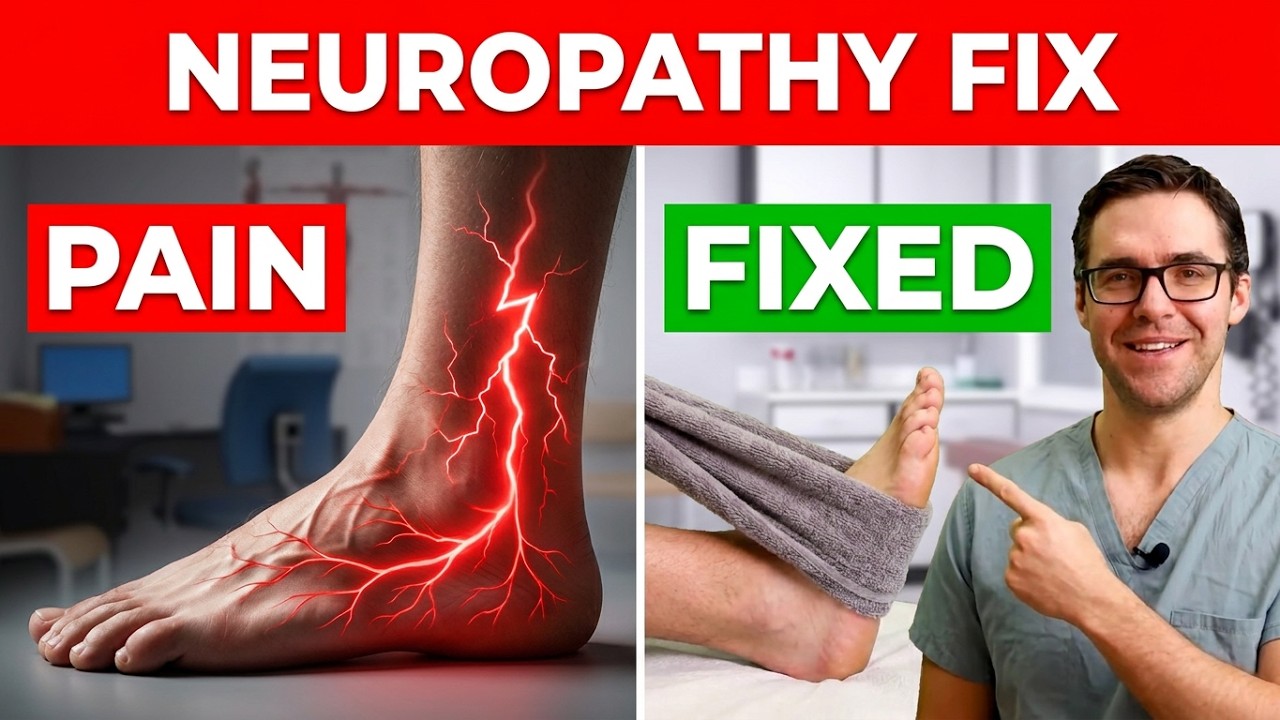
Dr. Tom explains the specific interventions that slow or halt peripheral neuropathy progression — and the common mistakes that accelerate nerve damage. Critical information for anyone with toe numbness or tingling, whether the cause is diabetic, idiopathic, or mechanical.
Frequently Asked Questions
In-Office Treatment at Balance Foot & Ankle
If home treatment isn’t providing relief for your toenail or nail condition, our podiatry team at Balance Foot & Ankle can help with expert evaluations and advanced in-office care.
🆕 Dr. Tom’s Top-Recommended Products
30% of every Foundation Wellness sale supports free clinics. Clinically vetted — nothing we wouldn’t use ourselves.
PowerStep Pinnacle Insoles
Podiatrist-designed arch support for daily comfort and injury prevention.
Doctor Hoy’s Pain Relief Gel
Natural topical pain relief — no NSAIDs, no prescription needed.
NCBI: Toe Numbness — Peripheral Neuropathy Differential
Ready to Get Relief?
Book online 24/7 in Howell & Bloomfield Township, MI
4.9★ | 1,200+ Reviews | 3,000+ Surgeries
Or call: (810) 206-1402

Dr. Tom Biernacki, DPM is a board-certified foot & ankle surgeon (ABFAS & ABPM) at Balance Foot & Ankle Specialists in Southeast Michigan. With over a decade of clinical experience, he specializes in heel pain, bunions, diabetic foot care, sports injuries, and minimally invasive surgery. Dr. Biernacki is a member of the APMA and ACFAS, and his patient education content on MichiganFootDoctors.com and YouTube has made him one of the most-followed foot & ankle educators on YouTube.