
Medically reviewed by Dr. Tom Biernacki, DPM
Board-certified podiatric surgeon | Balance Foot & Ankle, Howell & Bloomfield Township, MI
Last reviewed: May 2026

Quick answer: For elderly, podiatrists recommend shoes with structured arch support, deep heel cup, and forefoot rocker. Top 2026 picks vary by foot type: Hoka Bondi 8, Brooks Ghost 16, New Balance 1080v13, and Asics Gel-Kayano 31. Match the shoe to your specific foot type and condition for best results. Call (810) 206-1402.
The most important clinical decision with Best Shoes For Elderly isn’t which treatment to start with — it’s identifying the correct subtype. That changes everything. Call (810) 206-1402.
Best Shoes For Elderly: Quick Answer
The best shoes for elderly seniors balance fall prevention, ease of use, foot protection, and comfort. Top podiatrist picks for 2026: Skechers GoWalk Arch Fit (best easy-on slip-on); Hush Puppies Power Walker (best durable everyday); New Balance 928v3 (best for diabetic seniors); HOKA Bondi 9 (best maximum cushion); Brooks Addiction Walker (best motion control); Orthofeet Asheville (best Velcro closure); Drew Athena (best diabetic-approved); Apex (best wide widths); Propet TravelActiv (best lightweight); KEEN Newport H2 (best for outdoor active seniors). Critical features for elderly: slip-resistant soles (Vibram or rubber); easy-on closures (Velcro, BOA, or stretch laces); supportive heel cup; toe-box depth for hammertoes/bunions; stable base (no extreme rocker bottoms which can cause falls); breathable but protective uppers. Avoid: backless slippers; flip-flops; backless mules; very thick rocker-bottom shoes (fall risk in some seniors).
Why Shoes Matter More for Elderly
Falls are the leading cause of injury in adults 65+. According to the CDC, 25% of seniors fall each year, leading to 3 million ER visits and 32,000 deaths. Inappropriate footwear contributes to a significant proportion of these falls.
How shoes prevent falls: Slip-resistant soles maintain traction; supportive heel cups stabilize the rear foot; secure closures (vs slippers) keep the foot in the shoe; breathable uppers reduce moisture/blister risk; protective toe boxes prevent stubbing injuries.
How wrong shoes cause falls: Backless slippers/mules slip off easily; loose-fitting shoes shift while walking; smooth-soled shoes lack traction; very thick rocker-bottom shoes (popular HOKA-style) can be unstable for elderly with limited proprioception; high heels obviously increase fall risk.
Beyond falls: Elderly need shoes that accommodate common foot conditions (bunions, hammertoes, diabetic neuropathy, swollen feet, arthritis), are easy to put on (limited bending and dexterity), and provide all-day comfort.
Top 10 Best Shoes for Elderly (Detailed Reviews)
1. Skechers GoWalk Arch Fit ($85) — Best easy-on slip-on. Stretch-knit upper, removable arch fit insole. Easy to slip on without bending. Lightweight.
2. Hush Puppies Power Walker ($95) — Best durable everyday. Leather upper, EVA cushion, slip-resistant outsole. Looks like a dress walking shoe.
3. New Balance 928v3 ($150) — Best for diabetic seniors. APMA-approved diabetic shoe. Medicare-eligible. Wide and extra-wide widths.
4. HOKA Bondi 9 ($170) — Best maximum cushion. Excellent for seniors with arthritis or chronic foot pain. Caution: rocker bottom may cause falls in some seniors with limited proprioception — try first.
5. Brooks Addiction Walker ($140) — Best motion control. Provides stability for seniors with overpronation or knee pain.
6. Orthofeet Asheville ($150) — Best Velcro closure. Designed specifically for elderly with arthritis (no shoelace tying needed). Wide widths. Removable insole.
7. Drew Athena ($175) — Best diabetic-approved with style. Mary Jane look, fits orthotics, leather upper. Medicare-eligible diabetic shoe.
8. Apex Athletic ($170) — Best wide widths (up to 4E). Specialized for difficult-to-fit feet. Excellent for bunions, hammertoes, severely swollen feet.
9. Propet TravelActiv ($90) — Best lightweight. 7.5 oz women, 9.2 oz men. Mesh upper. Easy on/off with stretch laces.
10. KEEN Newport H2 ($130) — Best for outdoor active seniors. Sandal/closed-toe hybrid, Vibram outsole, washable. For grandparents who garden, hike, walk in nature.
Critical Features Checklist
Must-haves:
Slip-resistant outsole: Vibram or rubber with deep tread pattern. AVOID smooth leather soles.
Supportive heel cup: Locks the heel in place, prevents foot from sliding within the shoe.
Easy-on closure: Velcro (best for arthritic hands); BOA dial (twist-knob system); stretch laces. Traditional shoelaces difficult for many seniors.
Adequate toe-box depth: Room for hammertoes, bunions, swollen feet without pressure. Look for “extra depth” labeling.
Stable base: Wide platform, NOT extreme rocker bottoms (HOKA-style may cause balance issues in some seniors with limited proprioception).
Breathable upper: Mesh or perforated leather to reduce moisture, fungal infection, and blister risk.
Removable footbed: Allows custom orthotic insertion. Critical if using prescription orthotics.
Avoid:
— Backless slippers or mules (high fall risk).
— Flip-flops (no stability, no foot protection).
— Smooth leather soles (slip risk on smooth floors).
— Very narrow toe boxes (squeeze hammertoes/bunions).
— High heels (>1.5 inches — fall risk).
— Floppy unsupportive house shoes (encourage shuffling gait, fall risk).
Diabetic Shoes (Medicare Coverage)
Medicare Part B covers ONE pair of therapeutic shoes plus 3 pairs of inserts annually for qualifying diabetic patients. This is a major benefit underused by many eligible seniors.
Eligibility: Diagnosis of diabetes plus at least ONE of: peripheral neuropathy with callus formation; history of pre-ulcerative callus; history of foot ulcer; history of partial or complete amputation; foot deformity; poor circulation.
Process: Your primary care doctor (the one managing your diabetes) signs a Statement of Certifying Physician confirming the indication. Then a podiatrist or supplier (DME) fits you with appropriate shoes and inserts.
Top diabetic shoe brands: Drew (Athena, Moonlight, etc.); Apex; Orthofeet; New Balance 928v3 / 1540v3; Anodyne; Aetrex.
Cost to patient: Usually 20% Medicare coinsurance (~$50-100 per pair), often covered by supplemental insurance.
How to get: Ask your primary care doctor about diabetic shoe eligibility. Or schedule a podiatrist visit specifically for diabetic foot evaluation. Balance Foot & Ankle handles diabetic shoe certification and fitting in office.
Shoes for Specific Senior Foot Conditions
Diabetic neuropathy: Prescription diabetic shoes (Drew, Apex, New Balance 928v3). Seamless interior. Extra depth toe box. Soft custom orthotics.
Bunions: Wide toe-box (Brooks Ghost wide, Altra Torin, HOKA Bondi wide, Apex). Soft uppers that stretch over the bump.
Hammertoes: Extra depth toe box. Custom orthotics with metatarsal pad. Avoid pointed-toe styles.
Arthritis: Cushioned shoes (HOKA Bondi 9, Brooks Glycerin 22). Easy closures (Velcro, BOA). Removable insole for orthotic accommodation.
Swollen feet (lymphedema, heart failure): Adjustable closures (Velcro across the entire instep). Mesh uppers that conform. Brands: Orthofeet, Drew, Apex.
Plantar fasciitis: Maximum cushion + arch support (HOKA Bondi 9, ASICS Gel-Nimbus 26). Heel cups inserted for additional support.
Prior fall history / balance issues: Stable wide-base shoes. Avoid rocker bottoms. Slip-resistant outsole essential. Consider PT for fall prevention training.
Common Mistakes Seniors Make With Shoes
Wearing the same shoes too long: Senior shoes lose cushion and traction over time. Replace every 6-12 months even if “they still feel fine.”
Wearing slippers/house shoes outdoors: Slippers are NOT safe for outdoor walking. They lack heel support and traction.
Refusing orthotics: Many seniors resist orthotics because of cost or unfamiliarity. But orthotics dramatically improve foot pain and reduce fall risk.
Not getting properly measured: Foot size changes throughout life — most adults are wearing shoes too small. Get measured at the shoe store every 1-2 years.
Choosing style over function: Looking good is fine — but not at the expense of fall prevention. Modern senior shoes can be both supportive and stylish.
Not using diabetic shoe Medicare benefit: Eligible diabetic seniors get Medicare-covered shoes annually but often don’t know about the benefit.
When to See a Podiatrist About Shoes
Same-week appointment if: chronic foot pain despite “good” shoes; recent fall (need to address fall prevention including footwear); diabetic patient (need annual foot exam plus diabetic shoe certification); difficulty finding shoes that fit properly; uncertain which type of shoe is right for your conditions. At Balance Foot & Ankle we provide complimentary biomechanical evaluation and shoe-fitting consultation, plus diabetic shoe certification and fitting in office. Same-week appointments at our Howell and Bloomfield Township MI offices.
When Shoes Aren’t Enough — Dr. Tom’s Top 9 Orthotics
About 30% of patients I see for foot pain need MORE than a great shoe — they need a structured insole. Below: my complete 2026 orthotic ranking with pros, cons, and the specific patient I’d give each one to.


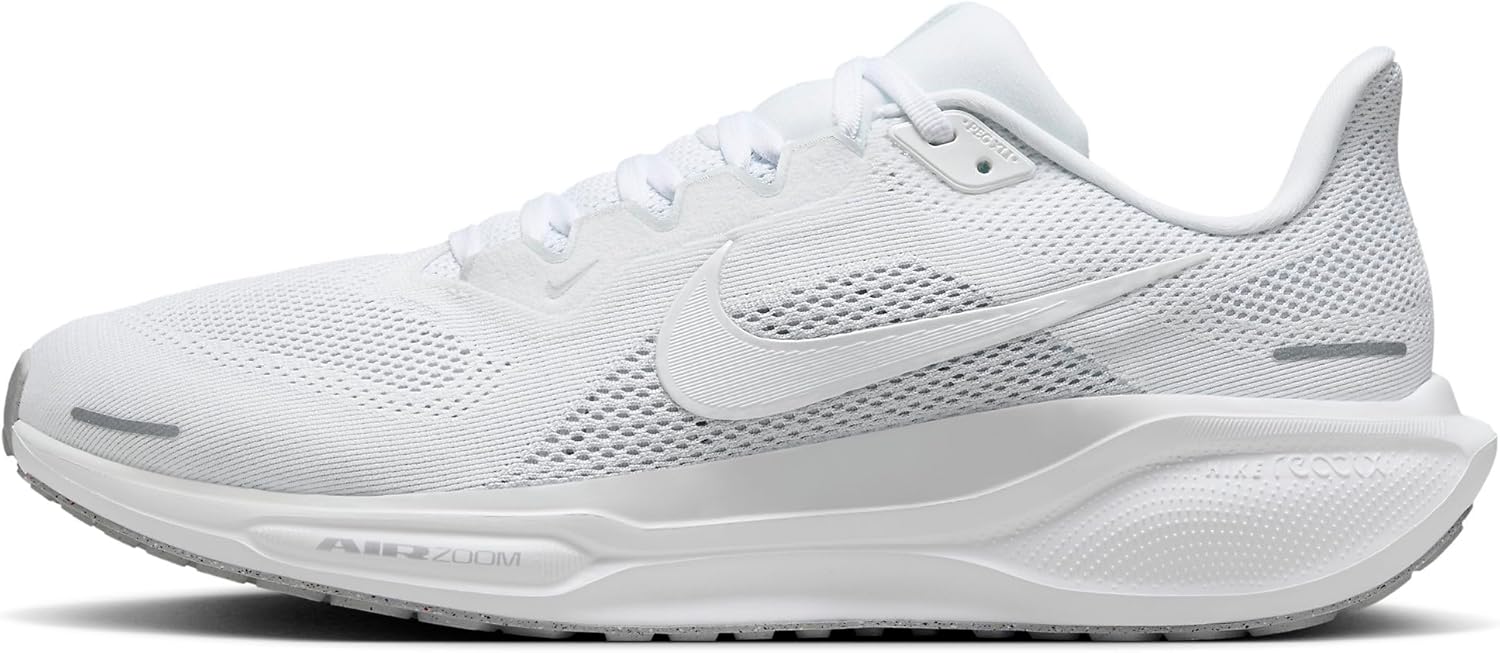


Podiatrist-Recommended Products

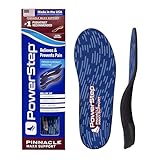
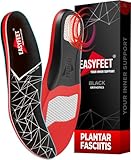

In-Office Treatment at Balance Foot & Ankle
If home treatment isn’t providing relief for your foot pain, our podiatry team at Balance Foot & Ankle can help with same-day evaluations and advanced in-office care.
Frequently Asked Questions About Best Shoes For Elderly
What are the best shoes for elderly women?
Skechers GoWalk Arch Fit (easy-on); Hush Puppies Power Walker (durable); Orthofeet Asheville (Velcro); Drew Athena (diabetic-approved); HOKA Bondi 9 (max cushion).
Are HOKA shoes good for elderly?
Maximum cushion is excellent for foot pain, but the rocker bottom may cause balance issues in some seniors with limited proprioception. Try in person before buying.
Can Medicare pay for diabetic shoes?
Yes — Medicare Part B covers ONE pair of therapeutic shoes plus 3 pairs of inserts annually for qualifying diabetic patients. Patient pays 20% coinsurance (~$50-100).
What shoes prevent falls in elderly?
Stable, slip-resistant, supportive shoes with secure closures. AVOID: backless slippers, flip-flops, smooth leather soles, very thick rocker bottoms (in some seniors).
Are Velcro shoes good for seniors?
Excellent — easier than tying laces (helpful for arthritis or limited dexterity). Allow accommodation of swollen feet. Top picks: Orthofeet Asheville, Drew, Apex.
What’s the best slip-on shoe for elderly?
Skechers GoWalk Arch Fit (lightweight, stretch upper); Propet TravelActiv (lightweight); various Velcro options.
Should elderly wear orthotics in their shoes?
Often yes — custom orthotics dramatically improve foot pain and reduce fall risk. Diabetic seniors qualify for Medicare-covered diabetic inserts annually.
Related Resources from Balance Foot & Ankle
- Best Shoes for Walking
- Best Shoes for Standing All Day
- Diabetic Foot Care
- Best Orthotics
- Best Shoes for Wide Feet
- Podiatrist Recommended Shoes

Dr. Tom Biernacki, DPM is a board-certified foot & ankle surgeon (ABFAS & ABPM) at Balance Foot & Ankle Specialists in Southeast Michigan. With over a decade of clinical experience, he specializes in heel pain, bunions, diabetic foot care, sports injuries, and minimally invasive surgery. Dr. Biernacki is a member of the APMA and ACFAS, and his patient education content on MichiganFootDoctors.com and YouTube has made him one of the most-followed foot & ankle educators on YouTube.