
Medically reviewed by Dr. Tom Biernacki, DPM
Board-certified podiatric surgeon | Balance Foot & Ankle, Howell & Bloomfield Township, MI
Last reviewed: May 2026

| Construction Foot Injury | Mechanism | Symptom | Treatment |
|---|---|---|---|
| Plantar fasciitis | Hard uneven surfaces; heavy loads; poor arch support | Sharp heel pain at first steps; worsens over shift | Work-boot orthotic + calf stretching + arch support |
| Puncture wound | Nail or sharp debris penetrating boot sole | Sudden pain; bleeding; wound to plantar surface | Tetanus update + wound irrigation; medical evaluation |
| Crush injury / fracture | Heavy object drop on foot | Immediate pain, swelling, bruising; possible deformity | Emergency evaluation + imaging |
| Achilles tendinopathy | Repetitive ladder climbing; rigid boot limiting dorsiflexion | Morning stiffness; posterior heel ache after climbing | Eccentric heel drops + heel lift insert |
| Metatarsal stress fracture | Prolonged walking on hard surfaces with inadequate cushion | Progressive forefoot ache worsening with mileage | Stiff-sole boot; reduced activity; imaging to confirm |
| Heel fat-pad syndrome | Years of compressive heel loading on concrete | Deep bruised heel pain throughout shift | Gel heel cup + maximum-cushion boot insole |
| Vibration white finger / peripheral vascular | Prolonged power tool vibration exposure | Cold, numb, or white toes after tool use | Anti-vibration gloves + occupational medicine evaluation |
| Work Boot Feature | ASTM Standard | Protection Level | Best For |
|---|---|---|---|
| Steel toe cap | ASTM F2413 I/75 C/75 | 75 ft-lbs impact; 2500 lb compression | General construction; heavy material handling |
| Composite toe cap | ASTM F2413 I/75 C/75 | Equal impact; lighter; non-conductive | Electrical work; workers with toe pressure pain |
| Puncture-resistant shank | ASTM F2413 PR | Nail penetration resistance | Framing, demolition, roofing |
| Electrical hazard sole | ASTM F2413 EH | 18,000V resistance (dry conditions) | Electricians, work near live circuits |
| Metatarsal guard | ASTM F2413 Mt/75 | Protects metatarsals from heavy drop | Heavy equipment, steel fabrication |
| Slip-resistant outsole | ASTM F2913 | Wet/oily surface grip | All construction; especially wet concrete work |
Quick answer: Foot Pain From Construction Work has multiple potential causes including mechanical, neurological, vascular, and inflammatory. The most common causes we identify are overuse, ill-fitting shoes, and biomechanical imbalance. Red flags requiring urgent evaluation: warmth/redness (infection), inability to bear weight (fracture), and unilateral swelling without injury (DVT). Call (810) 206-1402.
![How to Cure Plantar Fasciitis in One Week? [FAST Heel Pain Relief!]](https://www.michiganfootdoctors.com/wp-content/cache/flying-press/b5600c3bfb9845a6095da8266d8b5363.jpg)
Watch: How to Cure Plantar Fasciitis in One Week? [FAST Heel Pain Relief!] — MichiganFootDoctors YouTube
Foot Pain From Construction Work: Quick Answer
Construction work creates significant foot pain – the heavy steel-toe boots, prolonged standing on hard surfaces, and physical demands stress feet relentlessly. We help dozens of construction workers yearly at Balance Foot and Ankle. Here is the comprehensive construction worker foot care guide.
Why Construction Work Causes Foot Pain
Construction-specific demands: 8-12 hour shifts on hard surfaces; heavy steel-toe boots; carrying heavy loads; ladder/scaffolding work; uneven surfaces; dropped objects risk; weather extremes (cold, heat); long-term wear and tear; often inadequate breaks; dust/debris exposure. Construction workers: among highest foot injury rates of any profession.
Most Common Construction Foot Issues
1. Plantar fasciitis: Very common; from prolonged hard-surface standing. 2. Achilles tendinitis: From boot demands and ladders. 3. Foot fatigue: Daily generalized soreness. 4. Crush injuries: From dropped objects/equipment. 5. Puncture wounds: Nails, sharp debris. 6. Bunion/hammertoe progression: From boot pressure. 7. Foot fungus: From sweaty conditions in boots. 8. Cold injuries: Winter construction. 9. Heel pain: From boot impact. 10. Knee/back pain: From foot mechanics over time.
Best Construction Work Boots
Steel toe vs composite toe: Steel toe traditional; composite lighter and non-conductive. Top brands: Red Wing (premium); Wolverine; Carhartt; Timberland Pro; KEEN Utility. Features needed: Steel/composite toe rated for site requirements; metatarsal protection if specified; slip-resistant sole; waterproof if applicable; comfortable insole or aftermarket insole accommodation. Replace regularly: every 6-12 months for daily wearers; sooner if visible damage.
Custom Orthotics for Construction
Construction orthotic considerations: Must fit in steel/composite toe boots; accommodate boot insert space; provide arch support for prolonged standing; reduce plantar fasciitis; durable for daily heavy use; sometimes shock absorption. Many construction workers benefit: Especially with chronic plantar fasciitis; flat feet; high arches; chronic foot pain. Often insurance covered: through workers comp or general insurance for diagnosed conditions.
Crush Injury Considerations
Construction crush injuries: Common – dropped tools, materials, equipment. Severity: Bruising to severe crush injury with fractures and tissue damage. Steel toe boots help prevent: significantly reduce injury severity. RED FLAGS: Cant bear weight; severe deformity; severe swelling; signs of compartment syndrome (severe disproportionate pain). Same-day evaluation: even if seems minor; serious injuries possible. Workers comp considerations: report all injuries promptly.
Puncture Wound Management
Construction puncture wounds: Nails are most common cause. Risks: Tetanus; infection; deep tissue/joint involvement; foreign body retention. Treatment: Clean thoroughly; tetanus current essential (booster every 10 years, sooner if dirty wound); antibiotic prophylaxis often; X-ray sometimes for foreign body; close follow-up for infection signs. Diabetic workers: especially careful; emergency room if puncture wound.
Daily Foot Care Routine
End-of-day routine: Boot removal allows feet to breathe; air out boots between days (alternate boots if possible); sock change immediately if very sweaty; foot inspection (especially for puncture marks); wash feet; apply moisturizer; address any developing issues. Pre-work routine: Quality moisture-wicking socks; antifungal powder if prone; clean dry boots; proper sock fit; hydration.
Cold Weather Construction
Winter construction: Foot health challenges. Issues: Frostbite risk; reduced circulation; cold injuries; slip injuries. Solutions: Quality insulated work boots; wool socks (NOT cotton); chemical foot warmers (where allowed); change wet socks immediately; warm up periodically; address cold sensitivity (Raynauds, neuropathy). Outdoor workers: especially vulnerable.
Workers Compensation Foot Issues
Construction foot injuries: often workers compensation eligible. Document: Date of injury; mechanism; immediate treatment; ongoing symptoms. Treatment: usually covered by workers comp insurance; may include podiatry evaluation, custom orthotics, surgery if needed. Chronic conditions: Sometimes workers comp; sometimes general insurance. Worth pursuing: many workers underuse benefits available.
When to See a Podiatrist
See us if: construction-related foot pain persists more than 1-2 weeks; suspected plantar fasciitis; crush injury (even if seems minor); puncture wound (especially if redness develops); need orthotic evaluation; chronic conditions worsening from work; bunion or hammertoe progression; need workers comp evaluation; suspected stress fracture. Same-week appointments at Balance Foot and Ankle. Schedule online.
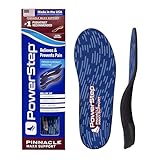
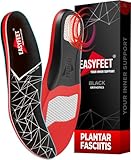
Podiatrist-Recommended Products


Frequently Asked Questions About Foot Pain From Construction Work
Why does construction work hurt my feet?
8-12 hour shifts on hard surfaces; heavy steel-toe boots; carrying heavy loads; ladder/scaffolding work; uneven surfaces; dropped objects risk; weather extremes; long-term wear and tear; often inadequate breaks. Construction workers among highest foot injury rates.
What construction boots are best for foot pain?
Top brands: Red Wing (premium); Wolverine; Carhartt; Timberland Pro; KEEN Utility. Steel/composite toe rated for site requirements; slip-resistant sole; waterproof if applicable; comfortable insole or aftermarket insole accommodation. Replace every 6-12 months.
Can I wear orthotics in steel-toe boots?
YES with construction-appropriate orthotics. Must fit in steel/composite toe boots; accommodate boot insert space; provide arch support for prolonged standing; reduce plantar fasciitis; durable for daily heavy use. Often workers comp covered.
What should I do if I drop something on my foot?
Same-day evaluation even if seems minor. RED FLAGS: cant bear weight; severe deformity; severe swelling; signs of compartment syndrome. Steel toe boots help prevent severe injuries. Report all injuries promptly for workers comp.
What if I step on a nail at work?
Risks: tetanus; infection; deep tissue/joint involvement; foreign body retention. Treatment: clean thoroughly; tetanus current essential (booster if not within 5 years for dirty wound); antibiotic prophylaxis often; X-ray sometimes. Diabetic workers: emergency room.
Are construction foot injuries covered by workers comp?
Often YES – construction foot injuries usually workers compensation eligible. Document: date of injury; mechanism; immediate treatment; ongoing symptoms. Treatment usually covered including podiatry, orthotics, surgery if needed. Many workers underuse benefits.
When should I see a podiatrist about construction foot pain?
Pain persists more than 1-2 weeks; suspected plantar fasciitis; crush injury (even if seems minor); puncture wound (especially if redness develops); need orthotic evaluation; chronic conditions worsening; bunion/hammertoe progression; workers comp evaluation needed.
Related Resources from Balance Foot & Ankle
Still Dealing With Foot Pain From Construction Work?
Same-week appointments at Balance Foot & Ankle in Howell & Bloomfield Township, MI.
Book Your Appointment⚕ Doctor Recommended
Doctor Hoy’s Natural Pain ReliefTopical relief for foot & ankle pain
View Product →In-Office Treatment at Balance Foot & Ankle
If home treatment isn’t providing relief for your foot pain, our podiatry team at Balance Foot & Ankle can help with same-week evaluations and advanced in-office care.
APMA: Foot Pain Relief and Activity-Related Causes
Ready to Get Relief?
Same-week appointments available in Howell & Bloomfield Township, MI
4.9★ | 1,123 Reviews | 3,000+ Surgeries
Or call: (810) 206-1402

Dr. Tom Biernacki, DPM is a board-certified foot & ankle surgeon (ABFAS & ABPM) at Balance Foot & Ankle Specialists in Southeast Michigan. With over a decade of clinical experience, he specializes in heel pain, bunions, diabetic foot care, sports injuries, and minimally invasive surgery. Dr. Biernacki is a member of the APMA and ACFAS, and his patient education content on MichiganFootDoctors.com and YouTube has made him one of the most-followed foot & ankle educators on YouTube.