
Medically reviewed by Dr. Tom Biernacki, DPM
Board-certified podiatric surgeon | Balance Foot & Ankle, Howell & Bloomfield Township, MI
Last reviewed: May 2026

| Food Service Role | Highest-Risk Foot Condition | Why This Role | Priority Prevention Strategy |
|---|---|---|---|
| Line cook / Chef | Plantar fasciitis + heel fat-pad syndrome | 10–14h static standing on concrete kitchen floor | Maximum-cushion insole + anti-fatigue mat |
| Server / Waiter | Ankle sprain + metatarsalgia | Rapid direction changes carrying loaded trays on wet floors | SRC-rated slip-resistant shoe + ankle brace history |
| Dishwasher | Tinea pedis + venous edema | Constant moisture exposure; prolonged standing | Waterproof closed-toe shoe + antifungal sock |
| Host / Cashier | Metatarsalgia + posterior tibial tendinopathy | Standing behind hard podium/counter without walking | Anti-fatigue mat + arch-support insole |
| Barista | Plantar fasciitis + Achilles tendinopathy | Confined station standing + repetitive reaching | Rocker-sole clog + compression sock |
| Food runner / Busser | Ankle sprain + metatarsal stress fracture | High step count + heavy loads on slippery surfaces | Supportive athletic shoe with SRC outsole |
| Shift Recovery Protocol | Timing | Duration | Benefit |
|---|---|---|---|
| Ice application to heels and balls of feet | Within 30 min post-shift | 15 minutes | Reduces plantar fascia and metatarsal inflammation |
| Leg elevation above heart | First 30 min after shift | 20–30 minutes | Drains venous edema from lower legs |
| Plantar fascia stretch | Before first steps next morning | 30 sec × 3 reps | Prevents fascia re-tear on first weight-bearing |
| Epsom salt foot soak | Evening post-shift | 15–20 minutes | Reduces muscular soreness; minor anti-inflammatory effect |
| Compression sock wear | Entire shift duration | Full shift | Prevents venous edema accumulation |
| Shoe rotation | Alternate pairs every shift | Ongoing | Allows midsole to decompress; extends shoe life |
Quick answer: Foot Pain From Restaurant Work has multiple potential causes including mechanical, neurological, vascular, and inflammatory. The most common causes we identify are overuse, ill-fitting shoes, and biomechanical imbalance. Red flags requiring urgent evaluation: warmth/redness (infection), inability to bear weight (fracture), and unilateral swelling without injury (DVT). Call (810) 206-1402.
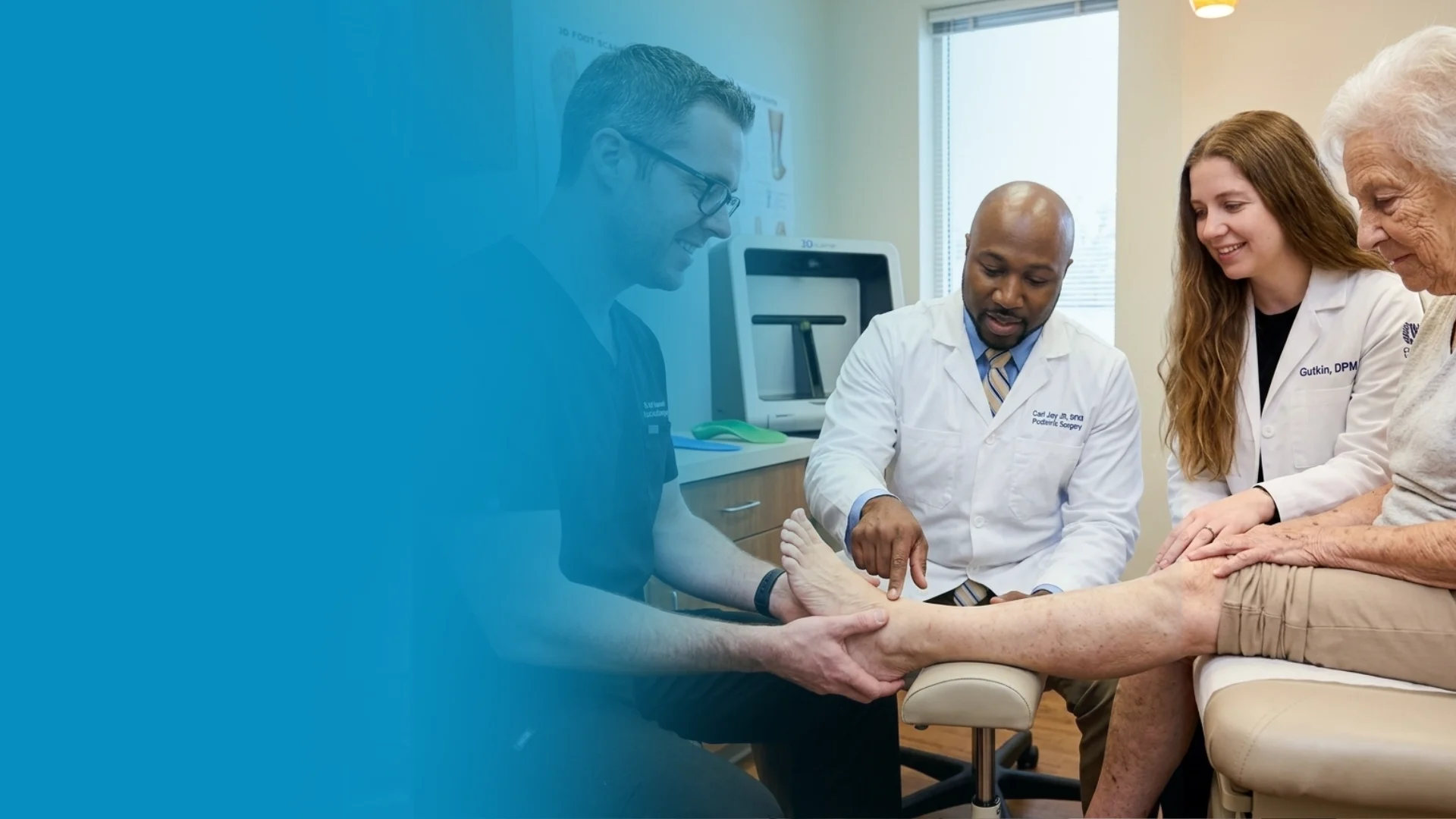
Watch: How to Cure Plantar Fasciitis in One Week? [FAST Heel Pain Relief!] — MichiganFootDoctors YouTube
The most important clinical decision with Foot Pain From Restaurant Work isn’t which treatment to start with — it’s identifying the correct subtype. That changes everything. Call (810) 206-1402.
Foot Pain From Restaurant Work: Quick Answer
Restaurant work is among the most foot-demanding professions – the prolonged standing, hot kitchens, slip-resistant shoe requirements, and long shifts create unique foot challenges. We help dozens of restaurant workers yearly at Balance Foot and Ankle. Here is the comprehensive restaurant work foot care guide.
Why Restaurant Work Causes Foot Pain
Restaurant demands: 8-12 hour shifts standing; hot kitchen environments; slip-resistant shoes (often heavy/uncomfortable); rapid movements; carrying heavy trays; tight hot spaces; concrete floors; rare sit-downs during shift; multiple shifts back-to-back; minimal breaks legally allowed. Restaurant workers: highest rates of foot pain among service industry workers.
Most Common Restaurant Foot Issues
1. Plantar fasciitis: Most common; from concrete floors and prolonged standing. 2. Foot fatigue: Daily generalized soreness. 3. Heel pain: From hard surfaces. 4. Bunion/hammertoe pressure: From confined slip-resistant shoes. 5. Foot fungus: Sweaty hot conditions. 6. Burns: Hot liquid spills, broken dishes. 7. Achilles tendinitis: From rapid movements. 8. Calf cramps: Common at end of shift. 9. Ankle sprains: Slip-and-fall accidents. 10. Varicose veins: Long-term standing.
Best Restaurant Work Shoes
Slip-resistant shoes essential: Required for safety. Top picks: Crocs Bistro Pro (popular for kitchen); Skechers Work series; Dansko Professional (popular with healthcare/restaurant); Birkenstock Profi-Birki; Snibbs (newer brand); Vionic Shoes for the Service Industry. Features needed: Slip-resistant sole; comfortable for long shifts; arch support; cushion; easy to clean; waterproof helpful in kitchen. Replace regularly: Every 6 months for daily wearers.
Custom Orthotics for Restaurant Workers
Restaurant orthotic considerations: Must fit in slip-resistant work shoes; address arch issues; reduce plantar fasciitis; provide cushion for long shifts; sometimes prescription (covered by insurance). Most beneficial workers: Plantar fasciitis sufferers; flat-footed; high-arched; chronic foot pain; severe foot fatigue. Worth investment: Often eliminates need for time off work due to foot pain.
Plantar Fasciitis in Servers and Cooks
Restaurant plantar fasciitis: Extremely common. Pattern: Worse at start of shift; eases somewhat with movement; worse next morning; chronic. Treatment: Quality supportive shoes; custom orthotics; pre-shift stretching; ice after shift; address foot mechanics; sometimes work accommodation needed. Many restaurant workers: limp through plantar fasciitis flares – dont have to with proper treatment.
Compression Socks for Restaurant Work
Compression socks: Excellent for restaurant workers. Benefits: Reduce swelling; reduce vein issues; reduce foot fatigue; some find help with plantar fasciitis. Recommended: 15-20 mmHg for general use; 20-30 mmHg for varicose veins or significant swelling. Brands: Sigvaris; Jobst; Sockwell; CEP. Daily wear: many restaurant workers find dramatic improvement.
Foot Fungus and Sweaty Feet
Restaurant work + foot fungus: High incidence. Causes: Sweaty hot conditions; closed shoes all day; sometimes wet feet from kitchen spills; shared/contaminated environments. Prevention: Antifungal powder daily; alternate shoes between shifts (let dry); cotton or moisture-wicking socks; sock change mid-shift if heavily sweating; address fungal issues immediately. Treatment: Topical antifungal; sometimes oral if persistent.
Daily Foot Care for Restaurant Workers
Pre-shift: Quality fitted slip-resistant shoes; clean dry feet; antifungal powder; orthotics in place; foot stretching. During shift: Use anti-fatigue mats if available; stretch during slow periods; hydration; address developing pain immediately. Post-shift: Foot soak (cool water); ice for sore areas; elevation; foot massage; gentle stretching; rest before next shift; address developing issues.
Burns and Foot Injuries
Restaurant burns/injuries: Hot oil splashes; boiling water spills; dropped knives; broken glass; falls. Prevention: Slip-resistant shoes always (CRITICAL); awareness of hot surfaces; proper handling techniques; tetanus current (broken glass risk). Treatment: Cool burns immediately (no ice); medical evaluation for significant burns; tetanus update if needed.
When to See a Podiatrist
See us if: restaurant work foot pain persists more than 1-2 weeks; suspected plantar fasciitis (very common); chronic foot pain affecting work; need orthotic evaluation; persistent foot fungus; need work shoe recommendations; varicose vein concerns; ankle sprain from work fall; suspected stress fracture from prolonged standing. Same-week appointments at Balance Foot and Ankle. Schedule online.
Podiatrist-Recommended Products

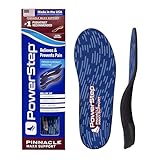
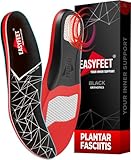

Frequently Asked Questions About Foot Pain From Restaurant Work
Why does restaurant work hurt my feet?
8-12 hour shifts standing; hot kitchen environments; slip-resistant shoes (often heavy/uncomfortable); rapid movements; carrying heavy trays; tight hot spaces; concrete floors; rare sit-downs during shift; minimal breaks. Highest rates of foot pain among service industry.
What restaurant shoes are best for foot pain?
Slip-resistant shoes essential. Top picks: Crocs Bistro Pro (popular for kitchen); Skechers Work; Dansko Professional; Birkenstock Profi-Birki; Snibbs; Vionic Shoes for the Service Industry. Features: slip-resistant sole, comfort, arch support, cushion.
Should I wear compression socks for restaurant work?
YES – excellent for restaurant workers. Reduce swelling; reduce vein issues; reduce foot fatigue; some help plantar fasciitis. Recommended: 15-20 mmHg general use; 20-30 mmHg for varicose veins or significant swelling. Brands: Sigvaris, Jobst, Sockwell, CEP.
Can I wear orthotics in restaurant work shoes?
YES with restaurant-appropriate orthotics. Must fit in slip-resistant work shoes; address arch issues; reduce plantar fasciitis; provide cushion for long shifts. Sometimes prescription/insurance covered. Often eliminates need for time off due to foot pain.
How do I prevent foot fungus from restaurant work?
Antifungal powder daily; alternate shoes between shifts (let dry); cotton or moisture-wicking socks; sock change mid-shift if heavily sweating; address fungal issues immediately. Hot sweaty conditions in kitchen create high fungal infection risk.
How do I survive long restaurant shifts on my feet?
Quality slip-resistant supportive shoes; custom orthotics if needed; compression socks; anti-fatigue mats if available; pre-shift stretching; during-shift micro-breaks; post-shift foot care (soak, ice, elevation, massage); proper hydration.
When should I see a podiatrist about restaurant work foot pain?
Pain persists more than 1-2 weeks; suspected plantar fasciitis (very common); chronic foot pain affecting work; need orthotic evaluation; persistent foot fungus; need work shoe recommendations; varicose vein concerns; ankle sprain from work fall.
Related Resources from Balance Foot & Ankle
Still Dealing With Foot Pain From Restaurant Work?
Same-week appointments at Balance Foot & Ankle in Howell & Bloomfield Township, MI.
Book Your Appointment⚕ Doctor Recommended
Doctor Hoy’s Natural Pain ReliefTopical relief for foot & ankle pain
View Product →What is Foot pain?
Foot pain is a common foot/ankle condition that affects mobility and quality of life. Understanding the underlying cause is the first step in successful treatment. Our podiatrists at Balance Foot & Ankle perform a hands-on biomechanical exam, review your activity history, and use diagnostic imaging when appropriate to identify the root cause—not just treat the symptom. Many patients have been told to “rest and ice” without a deeper diagnostic workup; our approach is different.
Symptoms and warning signs
Common signs of foot pain include pain that worsens with activity, morning stiffness, swelling, tenderness when palpated, and difficulty bearing weight. If you experience sudden severe pain, inability to walk, visible deformity, numbness or color change, contact our office the same day or visit urgent care—these can signal a more serious injury such as a fracture, tendon rupture, or vascular compromise. Diabetics with any foot wound should seek same-day care.
Conservative treatment options
Most cases of foot pain respond to non-surgical care: structured rest, supportive footwear changes, custom orthotics, targeted stretching and strengthening protocols, anti-inflammatory medications when medically appropriate, and in-office procedures such as ultrasound-guided injections. We also offer advanced therapies including MLS laser therapy, EPAT/shockwave, regenerative injections, and image-guided procedures. Treatment is sequenced from least invasive to most invasive, and we explain the rationale at every step.
When is surgery considered?
Surgery is reserved for cases that fail 3-6 months of well-structured conservative care, when there is structural pathology (severe deformity, complete tear, advanced arthritis), or when imaging shows damage that will not heal without intervention. Our surgeons have performed 3,000+ foot and ankle procedures and prioritize minimally-invasive techniques whenever appropriate. We discuss recovery timelines, return-to-activity milestones, and realistic outcome expectations before any procedure is scheduled.
Recovery timeline and prevention
Recovery from foot pain varies based on severity and chosen treatment path. Conservative cases often improve within 4-8 weeks with consistent adherence to the protocol. Post-procedural recovery may range from a few days (in-office procedures) to several months (reconstructive surgery). Long-term prevention involves footwear assessment, activity modification, structured strengthening, and regular check-ins with your podiatrist if you have a history of recurrence. We provide written home-exercise plans and digital follow-up support.
Ready to feel better?
Same-week appointments available in Howell and Bloomfield Township, Michigan.
Book Your VisitIn-Office Treatment at Balance Foot & Ankle
If home treatment isn’t providing relief for your foot pain, our podiatry team at Balance Foot & Ankle can help with same-day evaluations and advanced in-office care.
APMA: Foot Pain Relief and Activity-Related Causes
Ready to Get Relief?
Same-day appointments available in Howell & Bloomfield Township, MI
4.9★ | 1,123 Reviews | 3,000+ Surgeries
Or call: (810) 206-1402

Dr. Tom Biernacki, DPM is a board-certified foot & ankle surgeon (ABFAS & ABPM) at Balance Foot & Ankle Specialists in Southeast Michigan. With over a decade of clinical experience, he specializes in heel pain, bunions, diabetic foot care, sports injuries, and minimally invasive surgery. Dr. Biernacki is a member of the APMA and ACFAS, and his patient education content on MichiganFootDoctors.com and YouTube has made him one of the most-followed foot & ankle educators on YouTube.