
Medically reviewed by Dr. Tom Biernacki, DPM
Board-certified podiatric surgeon | Balance Foot & Ankle, Howell & Bloomfield Township, MI
Last reviewed: May 2026

| Weight Loss Method | Rate of Loss | Foot Fat Pad Risk | Muscle Loss Risk | Foot Care Priority |
|---|---|---|---|---|
| GLP-1 medications (Ozempic/Wegovy) | Very Fast (15–25% over months) | High — disproportionate fat pad loss | High if no resistance exercise | Heel cups + cushioned shoes immediately; orthotics; resistance exercise |
| Bariatric surgery (gastric bypass) | Very Fast | High | High — protein malabsorption risk | Protein supplementation; orthotics; quarterly podiatry check |
| Low-calorie diet (medically supervised) | Moderate | Moderate | Moderate | Orthotics; cushioned footwear; monitor for fat pad symptoms |
| Exercise + lifestyle modification | Slow (ideal) | Low — gradual fat loss allows adaptation | Low — exercise preserves muscle | Standard supportive footwear; orthotics if flat feet |
| Rapid Weight Loss Foot Symptom | Cause | When It Appears | Treatment |
|---|---|---|---|
| Heel pain on hard floors (new onset) | Heel fat pad atrophy | During rapid loss phase | Gel heel cups; maximally cushioned shoes; avoid barefoot on hard floors |
| Forefoot ball-of-foot pain | Metatarsal fat pad atrophy | During rapid loss phase | Metatarsal pads; cushioned insoles; rocker-sole shoes |
| Arch pain during exercise | Intrinsic muscle sarcopenia + arch instability | Concurrent with muscle loss | Custom orthotics; resistance exercise for foot/calf strength |
| General foot aching after walks | Reduced foot cushioning; structural adaptation lag | Throughout weight loss phase | Maximum cushion footwear; reduce barefoot time; orthotics |
Rapid weight loss can trigger foot pain through fat pad atrophy, vitamin deficiencies, and altered gait mechanics — even though most patients expect their feet to feel better.
You’re in the right place. Dr. Tom Biernacki, DPM, FACFAS — board-certified foot & ankle surgeon with 3,000+ surgeries — explains exactly what foot pain from rapid weight loss means and what works. Call (810) 206-1402 for same-week appointment at Howell or Bloomfield Township.
Quick answer: Foot Pain From Rapid Weight Loss has multiple potential causes including mechanical, neurological, vascular, and inflammatory. The most common causes we identify are overuse, ill-fitting shoes, and biomechanical imbalance. Red flags requiring urgent evaluation: warmth/redness (infection), inability to bear weight (fracture), and unilateral swelling without injury (DVT). Call (810) 206-1402.
![How to Cure Plantar Fasciitis in One Week? [FAST Heel Pain Relief!]](https://www.michiganfootdoctors.com/wp-content/cache/flying-press/b5600c3bfb9845a6095da8266d8b5363.jpg)
Watch: How to Cure Plantar Fasciitis in One Week? [FAST Heel Pain Relief!] — MichiganFootDoctors YouTube
Foot Pain From Rapid Weight Loss: Quick Answer
Rapid weight loss can paradoxically cause foot pain – the changes in foot mechanics, fat pad atrophy, and altered nutrition affect feet uniquely. We help dozens of weight loss patients yearly at Balance Foot and Ankle. Here is the comprehensive rapid weight loss foot pain guide.
Why Rapid Weight Loss Causes Foot Pain
Weight loss foot effects: Foot fat pad reduction (especially heel and forefoot); foot size changes (often becomes smaller); shoe fit changes; nutritional deficiencies if poor diet; sometimes increased activity causes overuse; muscle/tendon weakness if rapid loss; rebound foot pain when activities increase. Common scenarios: Bariatric surgery; aggressive diets; medical weight loss; postpartum weight loss; significant illness recovery.
Most Common Rapid Weight Loss Foot Issues
1. Heel fat pad atrophy: Common; bruise-like heel pain. 2. Plantar fasciitis: Sometimes increases with activity. 3. Metatarsalgia: Forefoot fat pad reduction. 4. Foot size changes: Need new shoes. 5. Vitamin/mineral deficiency neuropathy: If nutrition inadequate. 6. Stress fractures: If activity increases too quickly. 7. Weakness/instability: If muscle loss too. 8. Sagging skin: Sometimes excess skin issues. 9. Loose skin in arch: After significant loss. 10. Achilles issues: Sometimes from increased activity.
Heel Fat Pad Atrophy
Heel fat pad atrophy: Major issue with rapid weight loss. Pattern: Bruise-like heel pain especially on first steps; worse on hard surfaces; persistent throughout day; sometimes new pain after weight loss. Why: Fat pad reduces with weight loss; reduced cushioning; bony prominence develops. Treatment: Cushioned heel cups or pads; quality cushioned shoes; reduce time on hard surfaces; sometimes custom orthotics with extra heel cushion; in severe cases injectable fillers (limited evidence).
Foot Size Changes
Weight loss foot size changes: Often dramatic. Common: 1/2 to full shoe size smaller; sometimes width changes; previously comfortable shoes become loose. Implications: Need new shoes; loose shoes cause friction blisters; loose shoes cause gait alterations and foot pain. Recommendation: Get fitted at appropriate intervals; especially after significant weight loss; sometimes need new shoes multiple times during weight loss journey.
Bariatric Surgery and Feet
Bariatric surgery patients: Foot health considerations. Pre-surgery: Often severe foot pain from excess weight; podiatry consult sometimes helpful. Post-surgery: Significant pain reduction usually; foot fat pad atrophy possible; foot size may change; sometimes new conditions develop with increased activity; vitamin/mineral deficiencies need management. Long-term: Continued foot care important.
Nutritional Deficiencies and Foot Pain
Rapid weight loss diet considerations: Sometimes inadequate nutrition. Foot-related deficiencies: B12 (peripheral neuropathy); vitamin D (bone health); iron; folate; calcium; protein. Symptoms: Burning feet; tingling; weakness; bone pain. Workup: Blood tests for vitamin levels; correction with supplementation. Bariatric patients especially: Often need lifelong supplementation.
Activity Increases and Stress Fractures
Weight loss + activity increase: Stress fracture risk. Why: Sudden activity increase; bone density may not have improved yet; nutritional deficiencies; muscle weakness from rapid loss. Common locations: Metatarsals; tibia. Prevention: Gradual activity increases (not all-at-once); adequate calcium/vitamin D; address pain promptly; quality footwear. Warning signs: Localized pinpoint pain; pain progressing with activity.
Best Footwear During Weight Loss
Recommendations: Maximum cushion shoes (compensate for fat pad atrophy); appropriate sizing (replace as foot shrinks); supportive for new activity levels; quality construction. Top picks: Hoka Bondi 8 (max cushion – very helpful); Brooks Glycerin 21; New Balance 1080v13. Replace regularly: Track shoe age; address developing pain. Multiple sizes during weight loss: Have several shoe sizes available as foot changes.
Custom Orthotics During Weight Loss
Custom orthotics during weight loss: Often beneficial. Indications: Heel fat pad atrophy; metatarsalgia; chronic foot pain; activity-related issues; flat feet developing/worsening. Considerations: May need adjustments as foot changes; cushioning components especially helpful. Insurance: Often covered for diagnosed conditions.
When to See a Podiatrist
See us if: rapid weight loss foot pain develops; suspected heel fat pad atrophy; need shoe recommendations after weight changes; suspected stress fracture from increased activity; need orthotic evaluation; chronic conditions appearing during weight loss; nutritional concerns; bariatric surgery patient with foot issues. Same-week appointments at Balance Foot and Ankle. Schedule online.
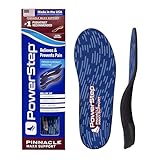
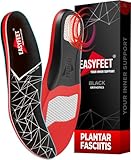
Podiatrist-Recommended Products


Frequently Asked Questions About Foot Pain From Rapid Weight Loss
Can rapid weight loss cause foot pain?
YES – foot fat pad reduction (especially heel and forefoot); foot size changes (often becomes smaller); shoe fit changes; nutritional deficiencies if poor diet; sometimes increased activity causes overuse; muscle/tendon weakness if rapid loss.
Why does my heel hurt after losing weight?
Heel fat pad atrophy – common with rapid weight loss. Bruise-like heel pain especially on first steps; worse on hard surfaces. Why: fat pad reduces with weight loss; reduced cushioning. Treatment: cushioned heel cups/pads; quality cushioned shoes; sometimes orthotics.
Will my shoe size change after weight loss?
OFTEN YES. Weight loss foot size changes often dramatic: 1/2 to full shoe size smaller; sometimes width changes. Get fitted at appropriate intervals; especially after significant weight loss; sometimes need new shoes multiple times during weight loss journey.
Can rapid weight loss cause neuropathy?
POSSIBLY – if nutritional deficiencies develop. B12 deficiency major cause of foot neuropathy; bariatric patients especially at risk. Symptoms: burning feet; tingling; weakness. Workup: blood tests for vitamin levels; correction with supplementation.
Should I increase exercise during weight loss?
YES but gradually. Sudden activity increase + weight loss = stress fracture risk. Why: bone density may not have improved yet; nutritional deficiencies; muscle weakness from rapid loss. Prevention: gradual increases; adequate calcium/vitamin D; address pain promptly.
What shoes are best during weight loss?
Maximum cushion shoes (compensate for fat pad atrophy): Hoka Bondi 8 (max cushion – very helpful); Brooks Glycerin 21; New Balance 1080v13. Replace regularly. Multiple sizes during weight loss as foot changes.
When should I see a podiatrist about weight loss foot pain?
Foot pain develops with weight loss; suspected heel fat pad atrophy; need shoe recommendations after weight changes; suspected stress fracture from increased activity; need orthotic evaluation; chronic conditions appearing; bariatric surgery patient with issues.
Related Resources from Balance Foot & Ankle
Still Dealing With Foot Pain From Rapid Weight Loss?
Same-week appointments at Balance Foot & Ankle in Howell & Bloomfield Township, MI.
Book Your Appointment⚕ Doctor Recommended
Doctor Hoy’s Natural Pain ReliefTopical relief for foot & ankle pain
View Product →APMA: Foot Pain Relief and Activity-Related Causes
Ready to Get Relief?
Same-week appointments available in Howell & Bloomfield Township, MI
4.9★ | 1,123 Reviews | 3,000+ Surgeries
Or call: (810) 206-1402

Dr. Tom Biernacki, DPM is a board-certified foot & ankle surgeon (ABFAS & ABPM) at Balance Foot & Ankle Specialists in Southeast Michigan. With over a decade of clinical experience, he specializes in heel pain, bunions, diabetic foot care, sports injuries, and minimally invasive surgery. Dr. Biernacki is a member of the APMA and ACFAS, and his patient education content on MichiganFootDoctors.com and YouTube has made him one of the most-followed foot & ankle educators on YouTube.