
Medically reviewed by Dr. Tom Biernacki, DPM
Board-certified podiatric surgeon | Balance Foot & Ankle, Howell & Bloomfield Township, MI
Last reviewed: May 2026

| Anorexia-Related Foot Condition | Nutritional Mechanism | Risk Level | Management |
|---|---|---|---|
| Metatarsal stress fractures | Calcium/D deficiency + estrogen loss + exercise on fragile bone | Very High — especially with exercise | Offloading boot; restrict weight-bearing activity; nutritional rehab |
| Foot and calf muscle cramps / tetany | Hypocalcemia, hypomagnesemia, hypokalemia | High — especially during purging | Electrolyte correction (medical); magnesium + calcium supplementation |
| Peripheral neuropathy | B12, B1, folate malnutrition | Moderate — develops over months-years | Nutritional rehabilitation; B-vitamin supplementation |
| Cold, discolored feet (Raynaud’s-like) | Cardiovascular compromise from malnutrition; bradycardia | Moderate — reflects systemic severity | Warmth; cardiovascular stabilization; eating disorder treatment |
| Muscle weakness / foot drop | Severe protein-calorie malnutrition myopathy | High in severe cases | Nutritional rehabilitation; physical therapy; AFO if drop foot |
| Supportive Foot Care Priority | Action | Goal |
|---|---|---|
| Stress fracture evaluation | X-ray + MRI if X-ray negative; bone density assessment | Identify fractures before displacement; quantify bone loss |
| Activity modification | Restrict high-impact exercise during active fracture healing | Prevent fracture displacement and delayed union |
| Cushioned protective footwear | Maximum cushion shoes; rocker soles for metatarsal protection | Reduce mechanical stress on fragile bones |
| Nutritional team coordination | Share foot findings with eating disorder treatment team | Foot complications can motivate treatment engagement |
| Non-judgmental care environment | Focus on foot health without shaming or diet comments | Maintain therapeutic relationship and care access |
Anorexia and disordered eating can trigger stress fractures, fat pad atrophy, and neuropathy in the feet — often the first warning sign that the body is in caloric or nutritional crisis.
You’re in the right place. Dr. Tom Biernacki, DPM, FACFAS — board-certified foot & ankle surgeon with 3,000+ surgeries — explains exactly what foot pain from anorexia means and what works. Call (810) 206-1402 for same-week appointment at Howell or Bloomfield Township.
Quick answer: Foot Pain From Anorexia has multiple potential causes including mechanical, neurological, vascular, and inflammatory. The most common causes we identify are overuse, ill-fitting shoes, and biomechanical imbalance. Red flags requiring urgent evaluation: warmth/redness (infection), inability to bear weight (fracture), and unilateral swelling without injury (DVT). Call (810) 206-1402.
Medically Reviewed | Dr. Tom Biernacki, DPM | Board-Certified Podiatrist | Balance Foot & Ankle, Michigan
Watch: How to Cure Plantar Fasciitis in One Week? [FAST Heel Pain Relief!] — MichiganFootDoctors YouTube
Foot Pain From Eating Disorders: Quick Answer
Eating disorders cause significant foot pain – the nutritional deficiencies, bone density loss, and physical effects compound foot health issues. We help dozens of recovering patients yearly at Balance Foot and Ankle. Here is the comprehensive eating disorder foot pain guide.
Why Eating Disorders Cause Foot Pain
Eating disorder foot effects: Severe nutritional deficiencies; bone density loss (osteoporosis); muscle weakness/atrophy; reduced fat pads; circulation issues; menstrual irregularities affecting bone; cold intolerance; vitamin deficiencies; significant body composition changes. Sometimes years of damage: Foot health affected long-term even with recovery.
Most Common Eating Disorder Foot Issues
1. Stress fractures: Major concern; reduced bone density. 2. Cold feet (severe): Circulation effects. 3. Heel fat pad atrophy: From weight loss. 4. Foot weakness: Muscle atrophy. 5. Slow healing: Of any foot conditions. 6. Peripheral neuropathy: Vitamin deficiencies. 7. Acrocyanosis: Blue/purple discoloration of feet. 8. Edema (sometimes paradoxical): From malnutrition. 9. Increased fall risk: Weakness and weight changes. 10. Permanent bone density loss: Sometimes irreversible.
Stress Fractures in Eating Disorders
Stress fracture risk: Major concern. Why: Reduced bone density (often osteoporosis); inadequate calcium/vitamin D; menstrual irregularities (estrogen affects bone); low body weight; sometimes excessive exercise. Common locations: Metatarsals; tibia; femur. Treatment: Address eating disorder; nutritional rehabilitation; activity modification; sometimes surgery; bone density treatments. Recovery: Slower than typical due to underlying issues.
Female Athlete Triad / RED-S
Triad: Energy availability; menstrual function; bone health. RED-S (Relative Energy Deficiency in Sport): Updated comprehensive concept including male athletes. Issues: Inadequate caloric intake for activity level; menstrual irregularities (amenorrhea); reduced bone density; increased stress fracture risk; impaired performance. Common in: Distance runners, dancers, gymnasts, figure skaters. Evaluation: Sports medicine; nutritionist; sometimes endocrinology.
Bone Density Concerns
Osteoporosis from eating disorders: Sometimes severe. DEXA scan: Bone density measurement; sometimes shows osteoporosis in young patients. Treatment: Address underlying eating disorder (most important); calcium/vitamin D supplementation; sometimes bisphosphonates (controversial in young patients); hormone therapy in some cases; weight restoration. Recovery: Some bone density restored with recovery; sometimes permanent loss.
Cold Feet and Acrocyanosis
Severe cold feet: Common in eating disorders. Why: Reduced body fat insulation; circulation effects; metabolic effects; sometimes Raynauds-like symptoms. Acrocyanosis: Blue/purple discoloration of feet/hands; persistent; from circulation issues; often resolves with weight restoration. Management: Address underlying eating disorder; warm clothing; sometimes circulation medications; address Raynauds if present.
Refeeding Considerations
Refeeding syndrome: Medical concern when starting nutritional rehabilitation. Foot effects: Sometimes edema (paradoxically) when refeeding starts; weight gain affects shoe fit; activity tolerance gradually improves; bone density slowly recovers; muscle strength improves. Foot care during recovery: Quality supportive shoes; gradual activity increases; address developing foot pain; orthotics if needed; foot evaluation periodically.
Recovery and Foot Health
During recovery: Foot health improves but slowly. Strategies: Quality nutrition; calcium/vitamin D supplementation; gradual activity progression; foot care for any developing issues; address residual conditions (heel fat pad atrophy, etc.); periodic podiatry evaluation. Long-term: Many improvements possible; some permanent changes; bone density may not fully restore.
Sensitive Approach to Care
Patient-centered approach: Eating disorders need multidisciplinary care; podiatrist part of team but not primary; medical team, nutritionist, mental health professional all important; podiatrist helps with foot conditions while overall recovery progresses; not the place to address eating disorder directly. Resources: National Alliance for Eating Disorders helpline; specialized treatment centers.
When to See a Podiatrist
See us if: foot pain during eating disorder recovery; suspected stress fracture; severe heel fat pad atrophy; severe cold feet/acrocyanosis; need orthotic evaluation; chronic conditions developing during recovery; need foot care during weight restoration; recurring foot injuries despite recovery efforts. Same-week appointments at Balance Foot and Ankle. Schedule online. If you or someone you know is struggling with an eating disorder, please reach out to specialized professionals – this is a sensitive topic and resources exist to help.
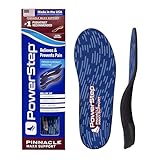
Podiatrist-Recommended Products


Frequently Asked Questions About Foot Pain From Eating Disorders
Can eating disorders cause foot pain?
YES – severe nutritional deficiencies; bone density loss (osteoporosis); muscle weakness/atrophy; reduced fat pads; circulation issues; menstrual irregularities affecting bone; vitamin deficiencies. Sometimes years of damage; foot health affected long-term even with recovery.
Are stress fractures common in eating disorders?
YES – major concern. Reduced bone density (often osteoporosis); inadequate calcium/vitamin D; menstrual irregularities (estrogen affects bone); low body weight; sometimes excessive exercise. Common: metatarsals, tibia, femur.
Why do my feet feel so cold?
Common in eating disorders. Why: reduced body fat insulation; circulation effects; metabolic effects. Acrocyanosis: blue/purple discoloration of feet/hands; persistent; from circulation issues; often resolves with weight restoration.
What is the female athlete triad / RED-S?
Triad: energy availability, menstrual function, bone health. RED-S more comprehensive including male athletes. Issues: inadequate caloric intake; menstrual irregularities; reduced bone density; increased stress fracture risk. Common in distance runners, dancers, gymnasts, figure skaters.
Will my bone density recover?
Some recovery possible with weight restoration and proper nutrition; sometimes permanent loss. DEXA scan measures progress. Treatment: address underlying eating disorder (most important); calcium/vitamin D; sometimes hormone therapy. Earlier intervention better.
Can foot pain improve during eating disorder recovery?
YES – foot health improves but slowly during recovery. Strategies: quality nutrition; calcium/vitamin D supplementation; gradual activity progression; foot care for developing issues; address residual conditions. Many improvements possible with comprehensive care.
When should I see a podiatrist about eating disorder-related foot pain?
Foot pain during recovery; suspected stress fracture; severe heel fat pad atrophy; severe cold feet/acrocyanosis; need orthotic evaluation; chronic conditions developing; need foot care during weight restoration. Eating disorders need multidisciplinary care – reach out to specialized professionals if struggling.
Related Resources from Balance Foot & Ankle
Still Dealing With Foot Pain From Eating Disorders?
Same-week appointments at Balance Foot & Ankle in Howell & Bloomfield Township, MI.
Book Your Appointment⚕ Doctor Recommended
Doctor Hoy’s Natural Pain ReliefTopical relief for foot & ankle pain
View Product →Frequently Asked Questions
Podiatrist-Recommended Products
These are the products Dr. Tom recommends most often in his clinic at Balance Foot & Ankle for lasting foot pain relief:
- PowerStep Pinnacle Arch Support Insoles — #1 clinic recommendation for arch support and heel pain relief
- Doctor Hoy’s Natural Pain Relief Gel — Fast-acting topical relief used and trusted by podiatrists
- CURREX RunPro Insoles — Dynamic arch profile for active patients and runners
As an Amazon Associate, Balance Foot & Ankle earns from qualifying purchases. These recommendations reflect genuine clinical use.
Ready to fix this for good?
Reading goes only so far. The fastest path to relief is a 30-minute office visit with Dr. Biernacki — same-week, Howell or Bloomfield Township. Call (810) 206-1402 or use our online booking.
APMA: Foot Pain Relief and Activity-Related Causes
Ready to Get Relief?
Same-week appointments available in Howell & Bloomfield Township, MI
4.9★ | 1,123 Reviews | 3,000+ Surgeries
Or call: (810) 206-1402

Dr. Tom Biernacki, DPM is a board-certified foot & ankle surgeon (ABFAS & ABPM) at Balance Foot & Ankle Specialists in Southeast Michigan. With over a decade of clinical experience, he specializes in heel pain, bunions, diabetic foot care, sports injuries, and minimally invasive surgery. Dr. Biernacki is a member of the APMA and ACFAS, and his patient education content on MichiganFootDoctors.com and YouTube has made him one of the most-followed foot & ankle educators on YouTube.