
Medically reviewed by Dr. Tom Biernacki, DPM
Board-certified podiatric surgeon | Balance Foot & Ankle, Howell & Bloomfield Township, MI
Last reviewed: May 2026

| Arch Pain Condition | Pain Location | Key Feature | Best Diagnostic Test | Treatment |
|---|---|---|---|---|
| Plantar Fasciitis | Plantar heel → arch | Worst first step AM; improves then returns | Clinical exam; ultrasound shows thickened fascia | Orthotics, stretching, night splint, cortisone |
| Posterior Tibial Tendinopathy | Medial ankle → arch (inner side) | Progressive flatfoot; can’t do single-leg heel rise | MRI (gold standard); ultrasound | Orthotics, PT, brace; surgery if tendon ruptures |
| Navicular Stress Fracture | Top of midarch (navicular bone) | Activity pain; point-tender over navicular | MRI (X-ray often misses early) | Non-weight bearing 6–8 weeks; surgery if displaced |
| Spring Ligament Tear | Medial arch → heel | Sudden arch collapse; very flat foot develops | MRI | Brace; surgery for complete tears |
| Tarsal Tunnel Syndrome | Medial ankle + arch + toes | Burning, tingling; Tinel’s sign at medial ankle | NCS/EMG; MRI for space-occupying lesion | Orthotics; injection; surgery for persistent cases |
| Arch Pain Home Care | For Condition | Method | Expected Result |
|---|---|---|---|
| Plantar fascia stretch (towel pull) | Plantar fasciitis | Seated; pull toes back toward shin; hold 30s × 3 before first step | Reduces morning pain 50–60% in 4–8 weeks |
| Arch support insole | Plantar fasciitis; flat feet | OTC arch support in all shoes including home slippers | Reduces daily arch load; improves with use |
| Ice roll (frozen water bottle) | Plantar fasciitis; arch inflammation | Roll under arch 10–15 min after activity | Reduces post-activity inflammation |
| Avoid barefoot on hard floors | All arch conditions | Slippers with arch support; never barefoot on tile/wood | Removes arch load during home hours |
| See podiatrist | Any arch pain > 2 weeks | Professional diagnosis prevents wrong self-treatment | Accurate diagnosis → targeted treatment → faster resolution |
Pain near the arch of the foot is most often plantar fasciitis, plantar fibroma, or posterior tibial tendonitis. The exact location and what triggers the pain narrow it down within minutes.
You’re in the right place. Dr. Tom Biernacki, DPM, FACFAS — board-certified foot & ankle surgeon with 3,000+ surgeries — explains exactly what foot pain near the arch means and what works. Call (810) 206-1402 for same-day appointment at Howell or Bloomfield Township.
Quick answer: Foot Pain Near Arch has multiple potential causes including mechanical, neurological, vascular, and inflammatory. The most common causes we identify are overuse, ill-fitting shoes, and biomechanical imbalance. Red flags requiring urgent evaluation: warmth/redness (infection), inability to bear weight (fracture), and unilateral swelling without injury (DVT). Call (810) 206-1402.
Medically Reviewed | Dr. Tom Biernacki, DPM | Board-Certified Podiatrist | Balance Foot & Ankle, Michigan
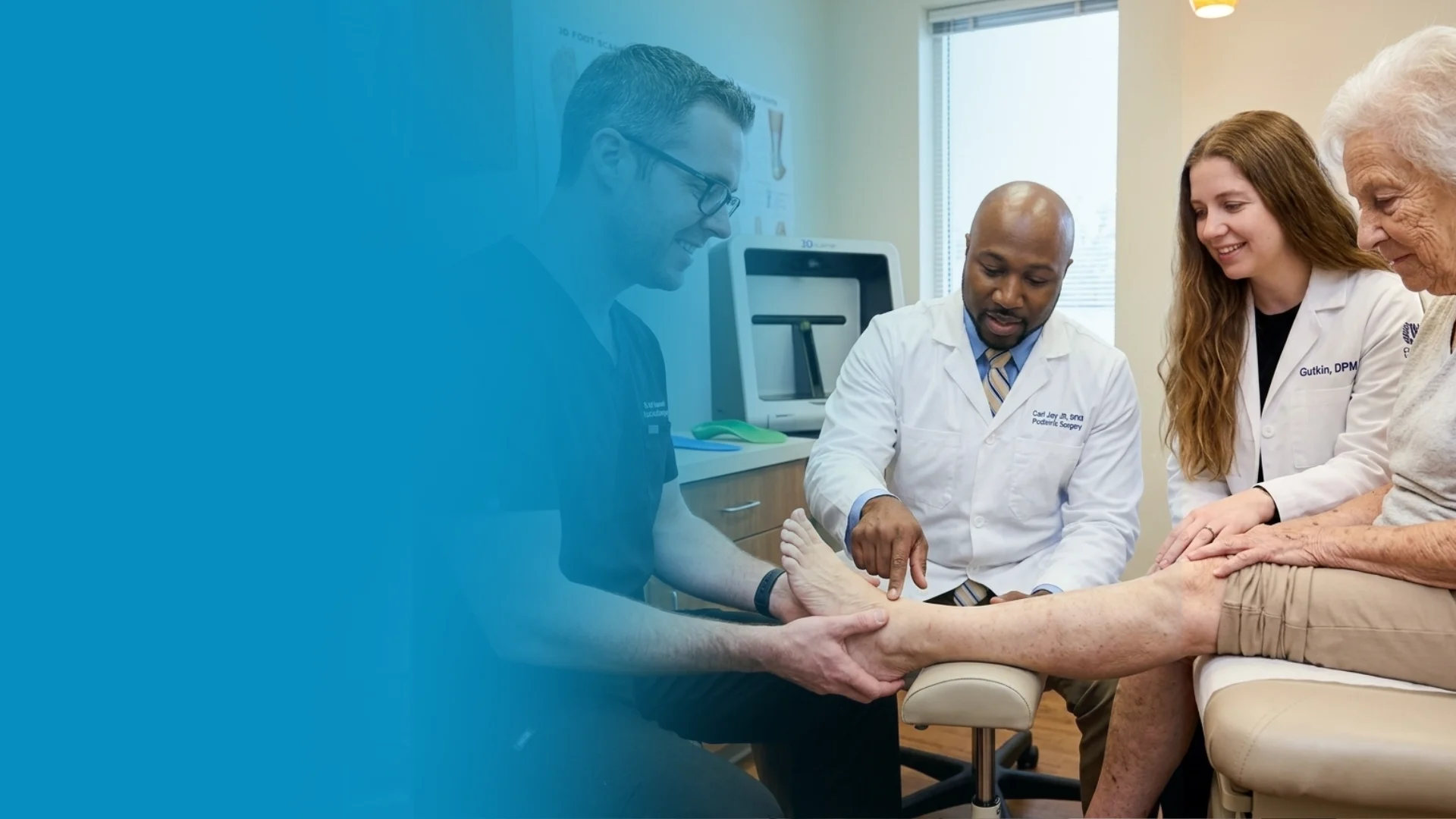
![How to Cure Plantar Fasciitis in One Week? [FAST Heel Pain Relief!]](https://www.michiganfootdoctors.com/wp-content/cache/flying-press/b5600c3bfb9845a6095da8266d8b5363.jpg)
Watch: How to Cure Plantar Fasciitis in One Week? [FAST Heel Pain Relief!] — MichiganFootDoctors YouTube
The most important clinical decision with Foot Pain Near Arch isn’t which treatment to start with — it’s identifying the correct subtype. That changes everything. Call (810) 206-1402.
Foot Pain Near Arch: Quick Answer
Arch pain has many causes – distinguishing them is important for proper treatment. We help dozens of patients yearly at Balance Foot and Ankle. Here is the comprehensive arch pain guide.
Most Common Arch Pain Causes
1. Plantar fasciitis (proximal): Most common; arch and heel pain. 2. Posterior tibial tendinitis (PTTD): Inside arch pain. 3. Flat foot mechanics: Arch collapse. 4. Tarsal tunnel syndrome: Burning in arch. 5. Accessory navicular: Extra bone in arch area. 6. Navicular stress fracture: Less common but serious. 7. Cuboid syndrome (lateral arch): Outside midfoot. 8. Mortons neuroma (forefoot arch): Sometimes felt as arch. 9. Arch sprain: Acute injury. 10. Plantar fibroma: Benign growth in plantar fascia.
Plantar Fasciitis (Most Common)
Plantar fasciitis arch pain: Most common arch pain cause. Pattern: Sharp/stabbing arch and heel pain on first steps; improves over 5-10 minutes; gradually worsens during day. Treatment: Plantar fascia stretching; calf stretching; ice; quality supportive shoes; arch support (orthotics); plantar fasciitis night splint; ESWT or injection if severe.
PTTD (Posterior Tibial Tendinitis)
PTTD arch pain: Inside arch pain especially. Symptoms: Pain along inside of ankle and arch; gradual onset; often progressive flat foot development; pain with prolonged standing/walking. Stages: I (tendinitis); II (deformity reducible); III (rigid deformity); IV (arthritis develops). Treatment: Custom orthotics (essential); bracing; PT; sometimes surgery. Early intervention: prevents progression to flat foot deformity.
Flat Foot Mechanics
Flat feet: Common cause of arch pain. Pattern: Generalized arch pain; worse with activity; sometimes inside ankle pain; often associated with PTTD. Treatment: Custom orthotics (essential); supportive shoes; address contributing factors (weight, foot mechanics). Pediatric flat feet: Often resolve with growth; painful flat feet need evaluation.
Tarsal Tunnel Syndrome
Tarsal tunnel: Posterior tibial nerve compression at ankle – causes arch burning. Symptoms: Burning, tingling, numbness in arch and sole; worse with activity; positive Tinels sign (tapping causes shooting pain). Causes: Trauma; flat feet (most common); ganglion cyst; varicose veins. Treatment: Address underlying flat foot with orthotics; steroid injection; surgical release if refractory.
Accessory Navicular
Accessory navicular: Extra bone on inside of arch. Population: Present in ~10% of population; most asymptomatic; some painful. Symptoms: Inside arch pain; bony prominence palpable; pain with shoe pressure; sometimes gradual onset in adolescence. Treatment: Conservative (orthotics, padding, anti-inflammatories); steroid injection sometimes; surgical removal for chronic cases.
Navicular Stress Fracture
Navicular stress fracture: Important diagnosis. Common in: Athletes (basketball, running, gymnastics, dance, skateboarding). Symptoms: Vague midfoot pain (NOT always pinpoint); worse with activity; sometimes overlooked initially; insidious onset. Diagnosis: Often missed initially; MRI gold standard (X-ray often normal early). Treatment: Strict NON-WEIGHT-BEARING typically required for 6-8 weeks; sometimes surgery. Career-ending: if missed or improperly treated.
Plantar Fibroma
Plantar fibroma: Benign nodule in plantar fascia. Symptoms: Palpable lump on bottom of foot in arch; sometimes painful with shoe pressure or walking; can grow larger; slow growing. Treatment: Often observation if not painful; orthotics with cutout to reduce pressure; sometimes injections; surgery for refractory cases (high recurrence rate). Related: Sometimes associated with Ledderhose disease.
Foot Type and Arch Pain
Flat feet: More likely PTTD, plantar fasciitis, tarsal tunnel. High arches: More likely lateral arch pain (cuboid issues, peroneal); plantar fasciitis still possible. Normal arches: Various conditions possible. Treatment: Often involves addressing underlying foot mechanics with orthotics specifically designed for foot type.
When to See a Podiatrist
See us if: arch pain persists more than 1-2 weeks; suspected plantar fasciitis; suspected PTTD (with arch flattening); persistent burning sensation; suspected accessory navicular; suspected stress fracture (especially navicular – urgent); plantar fibroma; need orthotic evaluation; chronic conditions affecting daily activities. Same-week appointments at Balance Foot and Ankle. Schedule online.
Podiatrist-Recommended Products

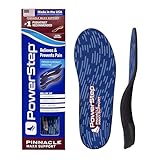

Frequently Asked Questions About Foot Pain Near Arch
What causes pain near the arch of my foot?
Most common: plantar fasciitis (proximal); posterior tibial tendinitis PTTD (inside arch); flat foot mechanics; tarsal tunnel syndrome; accessory navicular; navicular stress fracture; cuboid syndrome (lateral arch); Mortons neuroma (forefoot arch); arch sprain; plantar fibroma.
Why does my arch hurt in the morning?
Most likely plantar fasciitis. Classic pattern: sharp/stabbing arch and heel pain on first steps; improves over 5-10 minutes; gradually worsens during day. Treatment: plantar fascia stretching; calf stretching; ice; quality supportive shoes; arch support.
What is PTTD?
Posterior Tibial Tendon Dysfunction. Symptoms: pain along inside of ankle and arch; gradual onset; often progressive flat foot development. Treatment: custom orthotics (essential); bracing; PT; sometimes surgery. Early intervention prevents progression to flat foot deformity.
What is an accessory navicular?
Extra bone on inside of arch. Present in ~10% of population; most asymptomatic; some painful. Symptoms: inside arch pain; bony prominence palpable; pain with shoe pressure. Treatment: conservative (orthotics, padding); sometimes injection; surgical removal for chronic cases.
Could vague midfoot pain be a stress fracture?
POSSIBLY – navicular stress fracture important diagnosis. Common in athletes. Symptoms: vague midfoot pain (NOT always pinpoint); often missed initially. MRI gold standard. Treatment: strict NON-WEIGHT-BEARING for 6-8 weeks; career-ending if missed.
What is a plantar fibroma?
Benign nodule in plantar fascia. Symptoms: palpable lump on bottom of foot in arch; sometimes painful with shoe pressure or walking; can grow larger. Treatment: often observation if not painful; orthotics with cutout; sometimes injections; surgery for refractory cases.
When should I see a podiatrist about arch pain?
Pain persists more than 1-2 weeks; suspected plantar fasciitis; suspected PTTD (with arch flattening); persistent burning sensation; suspected accessory navicular; suspected stress fracture (especially navicular – urgent); plantar fibroma; need orthotic evaluation.
Related Resources from Balance Foot & Ankle
Still Dealing With Foot Pain Near Arch?
Same-week appointments at Balance Foot & Ankle in Howell & Bloomfield Township, MI.
Book Your Appointment⚕ Doctor Recommended
Doctor Hoy’s Natural Pain ReliefTopical relief for foot & ankle pain
View Product →Frequently Asked Questions
Podiatrist-Recommended Products
These are the products Dr. Tom recommends most often in his clinic at Balance Foot & Ankle for lasting foot pain relief:
- PowerStep Pinnacle Arch Support Insoles — #1 clinic recommendation for arch support and heel pain relief
- Doctor Hoy’s Natural Pain Relief Gel — Fast-acting topical relief used and trusted by podiatrists
- CURREX RunPro Insoles — Dynamic arch profile for active patients and runners
As an Amazon Associate, Balance Foot & Ankle earns from qualifying purchases. These recommendations reflect genuine clinical use.
APMA: Localized Foot Pain — Causes
Ready to Get Relief?
Same-day appointments available in Howell & Bloomfield Township, MI
4.9★ | 1,123 Reviews | 3,000+ Surgeries
Or call: (810) 206-1402

Dr. Tom Biernacki, DPM is a board-certified foot & ankle surgeon (ABFAS & ABPM) at Balance Foot & Ankle Specialists in Southeast Michigan. With over a decade of clinical experience, he specializes in heel pain, bunions, diabetic foot care, sports injuries, and minimally invasive surgery. Dr. Biernacki is a member of the APMA and ACFAS, and his patient education content on MichiganFootDoctors.com and YouTube has made him one of the most-followed foot & ankle educators on YouTube.