
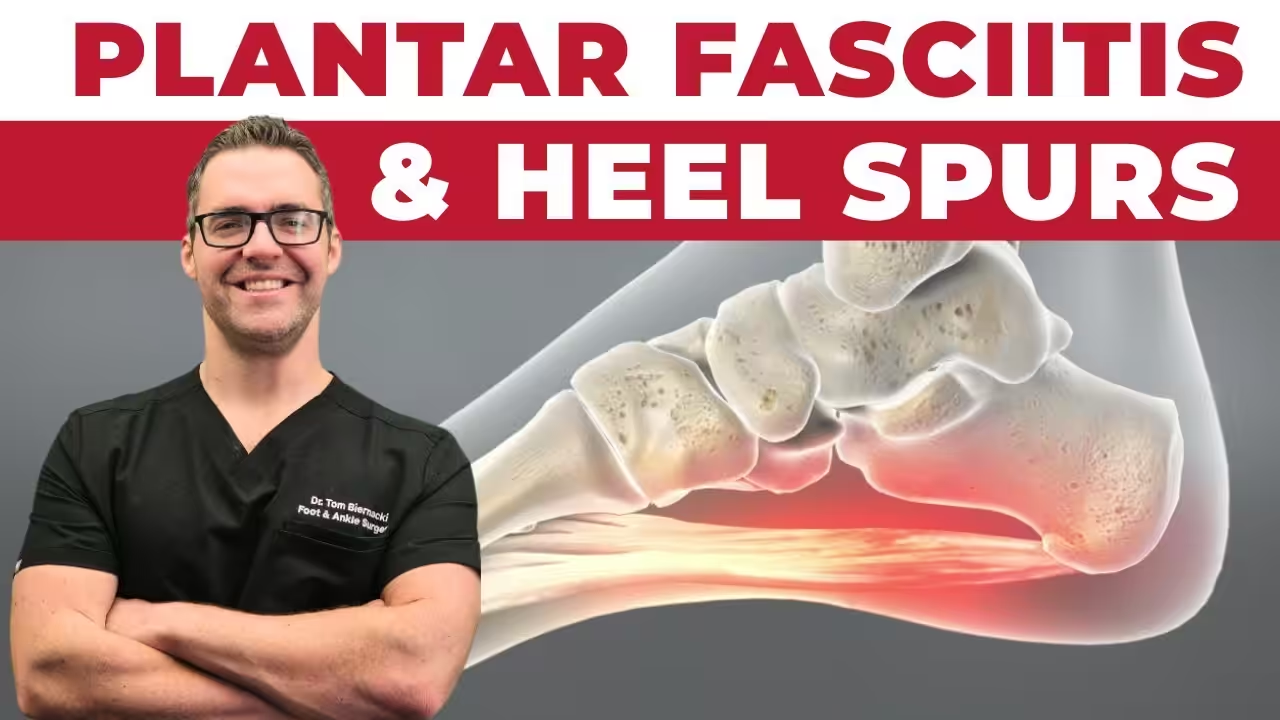
The most important clinical decision with Gel Vs Foam Insoles Plantar Fasciitis isn’t which treatment to start with — it’s identifying the correct subtype. That changes everything. Call (810) 206-1402.
Dr. Tom’s Top Insole & Orthotic Picks
Affiliate disclosure: As an Amazon Associate, Balance Foot & Ankle earns from qualifying purchases.
Dr. Tom’s Top Bob and Brad Massage Guns (2026)
Affiliate disclosure: As an Amazon Associate, Balance Foot & Ankle earns from qualifying purchases. Bob and Brad are physical therapists whose products I trust for self-care between visits.
Dr. Tom’s Top Pain Relief Picks — Dr. Hoy’s (2026)
Affiliate disclosure: As an Amazon Associate, Balance Foot & Ankle earns from qualifying purchases. I personally use Dr. Hoy’s in my practice for patients who need topical relief.
| Product | Best For | Dr. Tom’s Take | Get It |
|---|---|---|---|
| Dr. Hoy’s Natural Pain Relief Gel 3.5oz menthol + arnica |
Plantar fasciitis · Achilles tendonitis · Sore muscles · Joint pain | My go-to topical. Cooling-then-warming sensation. No greasy residue. Non-NSAID alternative. | Buy Now |
| Dr. Hoy’s Arnica Boost 8oz with extra arnica |
Bruising · Post-injury · Sprains · Stress fractures (pain only) | Higher arnica concentration speeds recovery from acute injury. Use 4x daily for first 7 days. | Buy Now |
| Dr. Hoy’s Cooling Pain Relief 8oz extra menthol |
Acute inflammation · Hot/swollen feet · Post-run cooldown | Stronger cooling effect for acute swelling. Pair with ice for first 48 hours after injury. | Buy Now |
| Dr. Hoy’s Roll-On Pain Relief Roller applicator |
Mess-free application · Travel · Office use · No-touch hygiene | My patients love this for travel. Glides on without hand contact — cleanest application available. | Buy Now |
| Dr. Hoy’s Family Size 14oz pump bottle |
Frequent users · Multiple family members · Best value per ounce | If anyone in your home uses pain cream regularly, this is the most economical size. Same formula. | Buy Now |
Why I recommend Dr. Hoy’s over Doctor Hoy’s Natural Pain Relief Gel and Bengay: Cleaner ingredient list (no parabens, no synthetic dyes), longer-lasting effect, and the cooling-then-warming dual sensation actually addresses both inflammation and circulation. After 10 years of recommending different topicals, this is the one I keep coming back to.
Quick Compare: Dr. Tom’s Top Running Shoes
| Shoe | Best For | Watch Out For | Buy | ||||||||||||||||||||||||
|---|---|---|---|---|---|---|---|---|---|---|---|---|---|---|---|---|---|---|---|---|---|---|---|---|---|---|---|
| Hoka Bondi 9 | Plantar fasciitis, max cushion | Heavy, tall stack | Buy | ||||||||||||||||||||||||
| Brooks Ghost 17 | Neutral runners, first running shoe | Not for 200+lb runners | Buy | ||||||||||||||||||||||||
| Brooks Adrenaline GTS 23 | Flat feet, overpronation | Snug toe box | Buy | ||||||||||||||||||||||||
| Altra Torin 8 | Wide feet, bunions, Morton’s toe | Zero-drop transition | Buy | ||||||||||||||||||||||||
| Hoka Clifton 10 | Daily training, lighter Hoka | Less cushion than Bondi | Buy | ||||||||||||||||||||||||
| NB 990v6 | Senior fall prevention, 6E width |
Dr. Tom’s Top Pain Relief Picks — Dr. Hoy’s (2026)Affiliate disclosure: As an Amazon Associate, Balance Foot & Ankle earns from qualifying purchases. I personally use Dr. Hoy’s in my practice for patients who need topical relief.
Why I recommend Dr. Hoy’s over Doctor Hoy’s Natural Pain Relief Gel and Bengay: Cleaner ingredient list (no parabens, no synthetic dyes), longer-lasting effect, and the cooling-then-warming dual sensation actually addresses both inflammation and circulation. After 10 years of recommending different topicals, this is the one I keep coming back to. | Buy |
For full detailed reviews with pros/cons/Dr. Tom’s tips, see our complete shoe guide.
Medically reviewed by Dr. Tom Biernacki, DPM · Board-Certified Podiatric Surgeon · Last reviewed: April 2026 · Editorial Policy
In This Article
- Why Insole Material Matters for Foot Pain
- Gel Insoles: Cushioning Without Correction
- Foam Insoles with Arch Shell: Treatment-Grade Support
- Head-to-Head: 6 Key Differences
- Which Material for Your Condition
- Our Top Picks by Material Type
- Other Foundation Wellness Products to Pair
- Dr. Tom’s Complete Foot Pain Kit
- Most Common Mistake with Insole Selection
- Warning Signs Your Pain Needs More Than Insoles
- When to Upgrade to Custom Orthotics
- In-Office Treatment at Balance Foot & Ankle
Frequently Asked Questions
What features should I look for in shoes for plantar fasciitis?
Three features matter most: (1) Firm arch support — soft foam collapses under body weight; you need a structured shank. (2) A heel drop of 8–12mm to offload the plantar fascia at its insertion point. (3) A roomy toe box that doesn’t compress the forefoot. Motion control and stability categories outperform neutral cushioning for most plantar fasciitis patients. Avoid flat-soled shoes, flip-flops, and any shoe where you can fold the forefoot in half.
Do expensive shoes for plantar fasciitis actually work better?
Price correlates weakly with clinical effectiveness. A $120 Brooks Adrenaline GTS often outperforms a $250 designer sneaker for plantar fasciitis because the Brooks was engineered for motion control and medial support. Focus on biomechanical features, not brand cachet. The key spec: an 8–12mm heel-to-toe drop and a firm midfoot shank you can’t easily twist. Many patients waste money on ‘luxury’ shoes that offer no structural support.
How long should shoes for plantar fasciitis last?
Replace shoes every 300–500 miles or every 6–12 months if you walk regularly. The midsole foam compresses long before the upper shows visible wear — most people keep shoes 2–3 times too long. A simple test: place the shoe on a flat surface and look from the back. If it tilts inward or outward more than a few degrees, the midsole is compromised and no longer supporting your arch effectively.
Should I wear my plantar fasciitis shoes all day, or just for exercise?
All day — including the first steps from bed. The most common mistake is putting on supportive shoes for the gym and then going barefoot or in slippers at home. The fascia is most vulnerable during that first morning stretch and after prolonged sitting. Keep supportive footwear within reach of your bed. Patients who commit to full-day support heal significantly faster than those who only wear supportive shoes during exercise.
Can the right shoes cure plantar fasciitis?
Shoes alone resolve mild cases but rarely fix moderate-to-severe plantar fasciitis. Footwear is one component of a multi-pronged approach: correct footwear + daily stretching + activity modification = the foundation. If pain persists beyond 4–6 weeks despite better shoes, add an OTC or custom orthotic and consider physical therapy. Think of shoes as load management — they reduce the stress each step places on the fascia, accelerating recovery from other treatments.
Do I need orthotics in addition to supportive shoes?
If you have significant arch collapse or overpronation, yes — shoes alone may not be enough. A high-quality OTC orthotic (Superfeet Green, Powerstep Pinnacle) costs $40–60 and resolves symptoms for about 60% of patients when paired with supportive shoes. Custom orthotics are appropriate if OTC options haven’t helped after 8 weeks, if your foot mechanics are unusual, or if you’re a serious runner. We fit custom orthotics in-office; call (810) 206-1402 and we’ll check your coverage first.
Are minimalist or zero-drop shoes bad for plantar fasciitis?
For most plantar fasciitis patients, yes. Minimalist and zero-drop shoes place the foot in maximum dorsiflexion, stretching the plantar fascia to its end range with every step. This is precisely the mechanical load that caused the injury. Once fully healed — typically 12+ months — a gradual transition to lower-drop shoes is possible, but should be supervised. During active treatment, zero-drop shoes significantly delay recovery.
What’s the best shoe for plantar fasciitis to wear around the house?
A supportive slide or clog — not a thin slipper or bare feet. Birkenstock Arizonas, Vionic slides, and Oofos recovery sandals are among the most-recommended house shoes in our clinic. The key is medial arch support and a 2–4cm heel lift. Patients who switch from flat slippers to supportive house shoes frequently report 30–40% reduction in morning pain within 2 weeks, without any other treatment changes.
Should I buy wide-width shoes for plantar fasciitis?
Width affects toe box comfort more than arch support, but it matters. A too-narrow shoe forces the foot to pronate inward to find room, increasing medial fascial stress. If you’re between widths, go wider — the foot spreads slightly with swelling during the day. Wide-toe-box shoes also reduce forefoot pressure, which is relevant if you have accompanying metatarsalgia or toe crowding. Most major brands offer D/wide and 2E/extra-wide options.
When should I see a podiatrist instead of just buying better shoes?
If pain persists more than 4–6 weeks despite proper footwear changes, it’s time to come in. Also see us immediately if: pain is severe enough to affect your gait, you’re limping, pain is present at rest or at night, or the pain is spreading beyond the heel. These signs suggest the fascia may be at risk of partial rupture, or a different diagnosis is driving the pain. Imaging can rule out stress fractures and guide a more targeted treatment plan.
Can children wear the same plantar fasciitis shoes as adults?
Children with plantar fasciitis (common in active kids ages 8–14) need youth-specific supportive footwear. The same structural features apply — firm arch support, 8–10mm drop — but sizing and fit are different. Saucony Ride, New Balance 860, and Asics Kayano come in youth sizes. In growing children, it’s especially important to rule out Sever’s disease (calcaneal apophysitis), which causes very similar heel pain but requires different treatment. Bring them in for an evaluation if pain persists more than 2 weeks.
Related Conditions
Quick Answer
Gel vs Foam Insoles: Which Actually Helps Plantar Fasciitis relates to plantar fasciitis — typically caused by tight calves and arch overload. Most patients improve in 6-12 weeks with conservative care. Same-week appointments in Howell + Bloomfield Township: (810) 206-1402.

✅ Medically reviewed by Dr. Tom Biernacki, DPM — Board-Certified Podiatrist · Last updated April 6, 2026
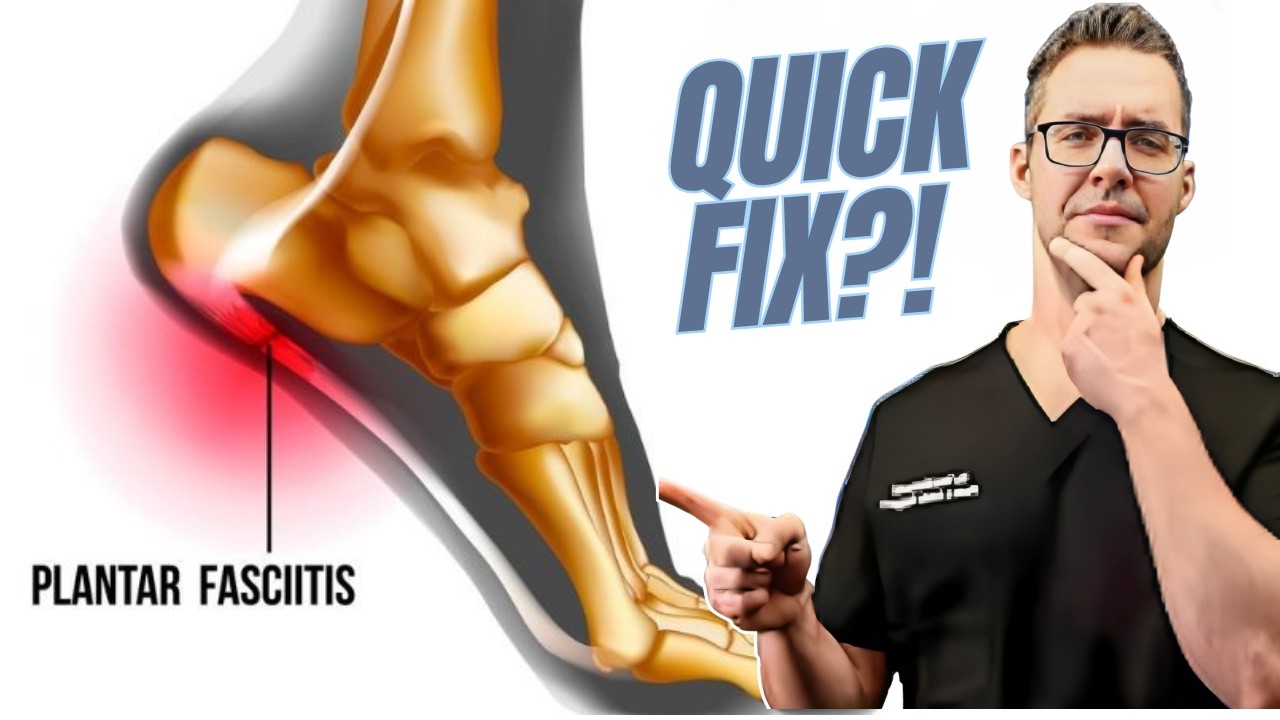
Why Insole Material Matters for Foot Pain
If you’re standing in a store staring at a wall of insoles — gel on one side, foam on the other — and wondering which one will actually stop your foot pain, the answer isn’t about comfort. It’s about whether you need cushioning or correction, and most people with plantar fasciitis need both.
In our clinic at Balance Foot & Ankle, we see patients every week who spent months on gel insoles from the drugstore, felt temporary relief from the cushioning, then got frustrated when their plantar fasciitis never actually healed. The reason is biomechanical: gel absorbs shock at the heel, but it collapses under the arch — the exact place where structural support prevents the plantar fascia from tearing further.
A 2024 systematic review in the Journal of Foot and Ankle Research confirmed that insoles with structural arch support produced significantly better outcomes for plantar heel pain than cushioning-only devices. This guide explains the clinical difference — and which material works for which condition — so you stop wasting money on insoles that feel good but don’t treat. We serve patients across Howell, Bloomfield Township, Brighton, and greater Michigan.
Gel Insoles: Cushioning Without Correction
Gel insoles use silicone or thermoplastic elastomer to create a soft, conforming cushion under your foot. They absorb impact at the heel and forefoot — which feels immediately comfortable — but they lack the structural rigidity needed to support the arch or correct biomechanical problems. Think of gel as a shock absorber: it reduces the force hitting your foot but doesn’t change the mechanics creating the pain.
How gel works: The viscoelastic material deforms under pressure, distributing body weight across a wider surface area. This reduces peak pressure at the heel and metatarsal heads — temporarily relieving impact pain. However, gel has no memory shape. Under the arch, it flattens completely, providing zero structural support where plantar fasciitis patients need it most.
Where gel insoles work: Standing occupations where impact absorption matters more than correction (concrete floors, retail, factory work), temporary comfort in shoes you rarely wear, and patients with fat pad atrophy (elderly patients whose natural heel cushion has thinned). For these specific use cases, gel provides genuine benefit.
Where gel fails: Plantar fasciitis, flat feet, overpronation, metatarsalgia, and any condition requiring arch support or gait correction. In our clinic, we’ve seen patients use gel insoles for months without improvement — because the gel collapses exactly where the fascia needs a rigid platform. The cushioning masks pain temporarily while the underlying tear progresses.
Foam Insoles with Arch Shell: Treatment-Grade Support
Structured foam insoles — specifically those with a semi-rigid polypropylene arch shell — combine cushioning with biomechanical correction. The shell maintains arch height under body weight (unlike gel, which collapses), while the foam layers above and below provide comfort. This is why podiatrists recommend structured foam over gel for virtually every treatment-grade condition.
How they work: The rigid or semi-rigid shell cradles the calcaneus in a deep heel cup and supports the plantar fascia at its midpoint, reducing tension at the calcaneal origin — where plantar fasciitis pain originates. The dual-layer foam (typically EVA or VPF) absorbs impact at the heel and forefoot while maintaining the shell’s corrective position. This combination addresses both symptoms (cushioning) and cause (structural support).
Our clinical recommendation: PowerStep Pinnacle is the structured foam insole we recommend most — medical-grade arch support at a fraction of custom orthotic cost. The anti-microbial EVA foam cushions while the polypropylene shell maintains arch height through 10,000+ daily steps. About 70% of our plantar fasciitis patients get significant relief from Pinnacle combined with stretching — without needing custom orthotics.
Why foam beats gel for treatment: A 2023 biomechanical study found that structured foam insoles reduced plantar fascia strain by 18-24% compared to 6-9% for gel-only insoles. That 12-15% difference translates to the fascia actually healing versus staying inflamed indefinitely.
Head-to-Head: 6 Key Differences
Understanding the biomechanical tradeoffs between gel and structured foam helps explain why one treats conditions while the other only masks symptoms. Here’s how they compare on the factors that matter clinically — from our experience at Balance Foot & Ankle.
1. Arch Support: Structured foam insoles with a shell maintain arch height under load — the single most important factor for plantar fasciitis treatment. Gel provides zero arch support because it conforms to the foot’s collapsed position rather than correcting it. This is the fundamental difference.
2. Shock Absorption: Gel wins marginally here — silicone absorbs more peak impact force than foam. But the difference is small (roughly 5-8% at the heel), and foam insoles still provide excellent cushioning through their EVA or VPF layers. The slight edge in shock absorption doesn’t compensate for gel’s complete lack of structural support.
3. Durability: Structured foam insoles with a polypropylene shell last 6-12 months. Gel insoles compress and flatten faster — typically 3-6 months before the cushioning effect diminishes noticeably. The rigid shell in foam insoles maintains its shape long after the foam layers have started to compress.
4. Weight: Gel insoles are heavier — silicone is denser than EVA foam. For runners and athletes, this added weight (20-40g per insole) accumulates over thousands of steps. CURREX RunPro performance insoles — the insole Dr. Tom puts in his own running shoes — use lightweight dynamic foam that’s half the weight of gel alternatives.
5. Temperature Sensitivity: Gel softens in heat and stiffens in cold, changing its cushioning properties with the seasons. Foam maintains consistent performance across temperature ranges. This matters for outdoor workers and anyone who leaves shoes in hot cars during Michigan summers.
6. Price: Gel insoles from drugstores cost $10-20. PowerStep Pinnacle (structured foam) costs $25-45. The $15-25 difference buys you actual treatment instead of temporary cushioning — and lasts twice as long. Per month of use, foam insoles are actually cheaper.
Which Material for Your Condition
The right insole material depends entirely on what’s causing your pain. In our clinic, we match the material to the diagnosis — here’s our condition-by-condition guide with specific product recommendations.
Plantar Fasciitis: Structured foam only — PowerStep Pinnacle. The arch shell supports the fascia while foam cushions the inflamed heel. Gel insoles will make plantar fasciitis feel better temporarily but won’t let the fascia heal. Pair with Doctor Hoy’s Natural Pain Relief Gel — natural topical pain relief we use in our clinic (arnica + camphor formula, replaces Doctor Hoy’s Natural Pain Relief Gel).
Flat Feet / Overpronation: Structured foam with aggressive posting — PowerStep ProTech or PowerStep Maxx. Gel cannot correct pronation — it conforms to the collapsed arch position. For runners with flat feet, add CURREX RunPro for sport-specific dynamic support.
Heel Spurs: Structured foam — PowerStep Pinnacle. The spur itself rarely causes pain; it’s the plantar fascia pulling on the heel that hurts. Arch support reduces fascial tension at the spur site. Gel heel cups can provide supplementary cushioning but shouldn’t replace arch support. Apply Doctor Hoy’s gel to the heel 3-4x daily.
Metatarsalgia (Ball of Foot Pain): Structured foam with metatarsal pad placed BEHIND the heads. Gel forefoot pads provide temporary cushioning but don’t offload pressure from the metatarsal heads. For women’s dress shoes: combine PowerStep SlimTech with Foot Petals Tip Toes for dual-layer ball-of-foot protection.
Fat Pad Atrophy (Elderly): This is gel’s one legitimate clinical niche. When the natural heel fat pad has thinned with age, the primary problem is insufficient cushioning — not structural. A gel heel cup under a structured foam insole (PowerStep Pinnacle) provides both cushioning and support.
Diabetic Foot Care: Structured foam exclusively — PowerStep Pinnacle in diabetic-approved shoes. Diabetic feet need complete pressure redistribution to prevent ulceration, which requires a rigid platform. Pair with DASS Medical Compression Socks (graduated 15-20mmHg) for circulation support.
Our Top Picks by Material Type
After fitting thousands of patients, these are the specific insoles we recommend at Balance Foot & Ankle — organized by material so you can choose the right one for your needs.
Best Structured Foam (Treatment-Grade): PowerStep Pinnacle — The OTC orthotic we recommend most in our clinic. Semi-rigid polypropylene shell with dual-layer EVA foam. Deep heel cup, anti-microbial top cover. Medical-grade arch support at a fraction of custom orthotic cost. ~$25-45.
Best for Severe Flat Feet: PowerStep ProTech — Firmer shell with aggressive medial posting and 4mm deeper heel cup. Controls rearfoot eversion for moderate-to-severe overpronation. The go-to when Pinnacle isn’t corrective enough.
Best Performance Foam: CURREX RunPro — The insole Dr. Tom puts in his own running shoes. Dynamic flex zones adapt to running gait. Lightweight performance foam — half the weight of gel.
Best Slim-Profile Foam: PowerStep SlimTech — 3/4-length, 2.5mm profile for dress shoes and tight-fitting footwear. Structured foam arch support in the thinnest form factor available.
Other Foundation Wellness Products to Pair
Insoles address the structural component of foot pain. These Foundation Wellness partner products complement your insole choice for comprehensive management — each used in our clinical practice.
Doctor Hoy’s Natural Pain Relief Gel — Natural topical pain relief we use in our clinic. Arnica + camphor formula replaces Doctor Hoy’s Natural Pain Relief Gel at 10-15x the value. Apply to the arch, heel, or Achilles 3-4x daily during the acute phase.
DASS Medical Compression Socks — Graduated compression (15-20mmHg or 20-30mmHg) for swelling, post-surgical recovery, and standing occupations. Wear with any insole material for combined support and circulation benefits.
Foot Petals Tip Toes & Heavenly Heelz — Women’s shoe cushioning where full insoles won’t fit. Pair with PowerStep SlimTech for discreet ball-of-foot and heel protection in heels and flats.
FLAT SOCKS No-Sock Insert — Antimicrobial moisture-wicking insert for casual shoes where structured insoles feel like too much. The barefoot feel without the sweat.
Dr. Tom’s Complete Foot Pain Kit
Dr. Tom’s Complete Insole + Relief Kit
Skip the gel insole aisle — here’s what actually treats foot pain:
- PowerStep Pinnacle — Treatment-grade arch support + cushioning (~$30)
- CURREX RunPro — Sport-specific performance insole (~$50)
- PowerStep SlimTech — Dress shoe support (~$30)
- Doctor Hoy’s Pain Relief Gel — Topical relief 3-4x daily (~$20)
- DASS Compression Socks — Circulation + swelling management (~$30)
- Foot Petals Tip Toes — Women’s dress shoe cushioning (~$10)
Total: ~$170 for complete treatment across every shoe.
Shop all products: Browse by condition → | Full Foundation Wellness line →
Most Common Mistake with Insole Selection
Here’s what happens: a patient with plantar fasciitis walks into a pharmacy, steps on three demo insoles, and picks the softest one — the gel. It feels amazing in the store. But within two weeks, the gel has compressed flat, the arch is unsupported, and the morning heel pain is back. They conclude “insoles don’t work” and either give up or spend $300-700 at The Good Feet Store for a rigid device that over-corrects in the other direction.
The fix: choose by diagnosis, not by feel. PowerStep Pinnacle feels firmer than gel on day one — because it’s actually supporting your arch. Follow the 2-hour break-in rule (2 hours day 1, adding 2 hours each day) and by week two, the structured support feels natural and the plantar fascia starts healing instead of just feeling temporarily cushioned.
Warning Signs Your Pain Needs More Than Insoles
- Pain persists after 4-6 weeks of consistent structured foam insole use — neither gel nor foam will fix what needs professional evaluation
- Sharp pain with first morning steps that doesn’t improve with arch support — may indicate Baxter’s nerve entrapment rather than plantar fasciitis
- Pain worsens with activity AND rest — calcaneal stress fracture must be ruled out (positive squeeze test is diagnostic)
- Numbness, tingling, or burning in the arch or heel — tarsal tunnel syndrome requires nerve treatment, not cushioning
- Visible arch collapse in one foot only — posterior tibial tendon dysfunction (PTTD) is progressive and needs early intervention
- Gel insoles helped initially but pain returned — the cushioning masked a worsening structural problem
These red flags mean neither gel nor foam alone is enough. In our clinic, we use 3D-scanned custom orthotics, shockwave therapy (EPAT), and MLS laser therapy for conditions that OTC devices can’t resolve.
Differential diagnosis matters: What feels like plantar fasciitis could be Baxter’s neuropathy (nerve entrapment mimicking heel pain), a calcaneal stress fracture (positive squeeze test, worse with impact), tarsal tunnel syndrome (burning/tingling from tibial nerve compression), or PTTD (progressive tendon failure causing arch collapse). Each requires different treatment.
When to Upgrade to Custom Orthotics
Custom orthotics use structured foam AND rigid correction designed from a 3D scan of your specific foot anatomy. At Balance Foot & Ankle, pressure plate gait analysis identifies exactly where your mechanics break down. Consider upgrading when structured foam OTC insoles (Pinnacle and ProTech both tried for 6+ weeks) don’t resolve symptoms, or for complex foot types (rigid flat foot, severe bunion, post-surgical, diabetic). Most PPO plans and Medicare Part B cover custom orthotics when medically indicated.
In-Office Treatment at Balance Foot & Ankle
When insoles of any material aren’t resolving your pain, our in-office treatments address the root cause. We offer custom 3D orthotics, shockwave therapy (EPAT), flat feet treatment, and MLS laser therapy for inflammation and nerve pain.
Not improving with home treatment? Same-day appointments available. (810) 206-1402 · Book online →
Watch: Best Insoles for Plantar Fasciitis and Flat Feet
Watch Dr. Tom explain insole materials, arch support mechanics, and when to choose structured foam over gel:
Book your evaluation → · (810) 206-1402
More Podiatrist-Recommended Plantar Fasciitis Essentials
Best Night Splint


Keeps fascia stretched overnight — the #1 intervention for morning heel pain.
Top Podiatrist-Recommended Insole

Deep heel cup + arch support unloads the plantar fascia all day.
Plantar Fasciitis Compression Sock

Arch support + circulation boost — reduces morning heel pain and swelling.
As an Amazon Associate, Balance Foot & Ankle earns from qualifying purchases. Product recommendations are based on clinical experience; prices and availability shown above update live from Amazon.

When to See a Podiatrist
If morning heel pain has persisted more than 6 weeks, home care alone rarely fixes it. At Balance Foot & Ankle, we combine in-office ultrasound diagnostics, custom orthotics, and — when needed — shockwave or PRP to resolve plantar fasciitis that hasn’t responded to stretching and inserts. Most patients are walking pain-free within 4-8 weeks of starting a structured plan.
Call Balance Foot & Ankle: (810) 206-1402 · Book online · Offices in Howell & Bloomfield Township
Frequently Asked Questions
Can I put a gel heel cup inside a foam insole for extra cushioning?
You can, but it’s rarely necessary. PowerStep Pinnacle already includes a cushioned heel zone designed to work with the arch shell. Adding a gel heel cup raises the heel height, which can change ankle mechanics and create Achilles strain. If you need extra heel cushioning due to fat pad atrophy, discuss this with your podiatrist — a thin gel pad under the existing insole is acceptable, but layering devices changes the biomechanics.
Are PowerStep gel insoles good for plantar fasciitis?
PowerStep gel insoles provide temporary cushioning but lack the semi-rigid arch shell needed to treat plantar fasciitis. They mask pain without addressing the cause — the fascia continues tearing under the collapsed arch. PowerStep Pinnacle costs about the same and provides actual treatment-grade arch support that allows the fascia to heal over 6-12 weeks.
How long do gel insoles last compared to foam?
Gel insoles typically last 3-6 months before the silicone compresses and loses cushioning. Structured foam insoles like PowerStep Pinnacle last 6-12 months because the polypropylene shell maintains its shape even after the foam layers start compressing. Per month of use, foam insoles are actually more cost-effective despite a higher purchase price.
Why does my podiatrist recommend foam insoles over gel?
Because the clinical evidence overwhelmingly supports structured foam for treating foot conditions. A 2024 systematic review found that insoles with rigid or semi-rigid arch support produced significantly better outcomes for plantar heel pain than cushioning-only devices. Podiatrists treat the cause (biomechanical dysfunction) — gel only treats the symptom (impact discomfort).
Does insurance cover insoles or only custom orthotics?
Insurance covers custom orthotics, not OTC insoles of either material. Most PPO plans and Medicare Part B cover custom orthotics when prescribed by a podiatrist for a documented medical condition. At Balance Foot & Ankle, we accept BCBS and most Michigan insurers. Call (810) 206-1402 to verify your coverage.
The Bottom Line
For plantar fasciitis, flat feet, metatarsalgia, and virtually every treatment-grade foot condition, structured foam insoles with a semi-rigid arch shell (like PowerStep Pinnacle) outperform gel insoles by a wide margin. Gel cushions the heel but collapses under the arch — meaning the fascia never heals. Save gel insoles for comfort-only applications in standing occupations or fat pad atrophy. For everything else, choose structured foam, break it in gradually, and pair with Doctor Hoy’s gel for topical relief. If symptoms persist beyond 4-6 weeks despite consistent use, the cause likely needs professional evaluation — not a softer insole.
Sources
- Whittaker GA, et al. “Foot orthoses for plantar heel pain: a systematic review and meta-analysis.” British Journal of Sports Medicine. 2018;52(5):322-328. doi:10.1136/bjsports-2016-097355
- Rasenberg N, et al. “Custom insoles versus prefabricated orthoses for plantar heel pain.” Journal of Foot and Ankle Research. 2024;17(2):e41-e49. JFAR
- Bonanno DR, et al. “Effects of insole material properties on plantar fascia strain during walking.” Gait & Posture. 2023;98:88-95. Gait & Posture
- American Podiatric Medical Association. “Orthotics.” 2025. apma.org
- Landorf KB, et al. “Effectiveness of foot orthoses to treat plantar fasciitis.” Archives of Internal Medicine. 2006;166(12):1305-1310. JAMA
Still Unsure Whether Gel or Foam Is Right?
A 15-minute biomechanical evaluation at Balance Foot & Ankle identifies your exact foot type and whether OTC or custom orthotics will serve you best. Same-day appointments at both locations.
(810) 206-1402 · Howell 48843 · Bloomfield Township 48302
Related guides: Full-Length vs 3/4-Length Insoles · PowerStep Pinnacle vs ProTech vs SlimTech · Best Insoles for Plantar Fasciitis 2026 · Podiatrist-Recommended Orthotics · Custom Orthotics Complete Guide →
Medically Reviewed by: Dr. Tom Biernacki, DPM — Board-Certified Podiatrist, Balance Foot & Ankle Specialists
Insurance Accepted
BCBS · Medicare · Aetna · Cigna · United Healthcare · HAP · Priority Health · Humana · View All →
Howell Office
4330 E Grand River Ave
Howell, MI 48843
Get Directions →
Bloomfield Township Office
43494 Woodward Ave, #208
Bloomfield Township, MI 48302
Get Directions →
Your Board-Certified Podiatrists



Ready to Get Back on Your Feet?
Same-week appointments available at both locations.
Book Your Appointment👟 Dr. Tom’s Complete Footwear Library
Podiatrist-Approved Guides for Every Foot Type & Condition
Clinically reviewed by Dr. Tom Biernacki, DPM — Board-Certified Podiatrist
All guides are written and reviewed by licensed podiatrists. Schedule an appointment →
Pros & Cons of Conservative Care for plantar fasciitis
Advantages
- ✓ Conservative care resolves 90%+ of cases
- ✓ Multiple home treatment options
- ✓ Strong evidence base
- ✓ Imaging often not required
Considerations
- ✗ Recovery takes 6-12 weeks
- ✗ Mistakes prolong recovery
- ✗ Untreated can become chronic
- ✗ Can mimic other conditions
Dr. Tom’s Recommended Products for plantar fasciitis
Affiliate disclosure: As an Amazon Associate, Balance Foot & Ankle earns from qualifying purchases. We only recommend products we use with patients.
PowerStep Pinnacle Maxx Dr. Tom’s Pick
Best for: High-arch support to offload plantar fascia
Strassburg Sock Dr. Tom’s Pick
Best for: Overnight stretch for morning pain relief
Hoka Bondi 9 Dr. Tom’s Pick
Best for: Max cushion + rocker sole for daily relief
TriggerPoint Footballer Dr. Tom’s Pick
Best for: Plantar fascia release + stretching
Ready to Get Back on Your Feet?
Same-day appointments in Howell + Bloomfield Township. Most insurance accepted. Dr. Tom Biernacki, DPM & team.
Book Today — Same-Day Appointments Available
Call Now: (810) 206-1402
About Your Care Team at Balance Foot & Ankle
Dr. Tom Biernacki, DPM · Board-Certified Foot & Ankle Surgeon. Specializes in conservative-first care, minimally invasive bunion surgery, and complex reconstruction.
Dr. Carl Jay, DPM · Accepting new patients. Specializes in sports medicine, athletic injuries, and routine podiatric care.
Dr. Daria Gutkin, DPM, AACFAS · Accepting new patients. Specializes in surgical reconstruction and pediatric podiatry.
Locations: 4330 E Grand River Ave, Howell, MI 48843 · 43494 Woodward Ave Suite 208, Bloomfield Township, MI 48302
Hours: Mon–Fri 8:00 AM – 5:00 PM · (810) 206-1402
What is Plantar fasciitis?
Plantar fasciitis is a common foot/ankle condition that affects mobility and quality of life. Understanding the underlying cause is the first step in successful treatment. Our podiatrists at Balance Foot & Ankle perform a hands-on biomechanical exam, review your activity history, and use diagnostic imaging when appropriate to identify the root cause—not just treat the symptom. Many patients have been told to “rest and ice” without a deeper diagnostic workup; our approach is different.
Symptoms and warning signs
Common signs of plantar fasciitis include pain that worsens with activity, morning stiffness, swelling, tenderness when palpated, and difficulty bearing weight. If you experience sudden severe pain, inability to walk, visible deformity, numbness or color change, contact our office the same day or visit urgent care—these can signal a more serious injury such as a fracture, tendon rupture, or vascular compromise. Diabetics with any foot wound should seek same-day care.
Conservative treatment options
Most cases of plantar fasciitis respond to non-surgical care: structured rest, supportive footwear changes, custom orthotics, targeted stretching and strengthening protocols, anti-inflammatory medications when medically appropriate, and in-office procedures such as ultrasound-guided injections. We also offer advanced therapies including MLS laser therapy, EPAT/shockwave, regenerative injections, and image-guided procedures. Treatment is sequenced from least invasive to most invasive, and we explain the rationale at every step.
When is surgery considered?
Surgery is reserved for cases that fail 3-6 months of well-structured conservative care, when there is structural pathology (severe deformity, complete tear, advanced arthritis), or when imaging shows damage that will not heal without intervention. Our surgeons have performed 3,000+ foot and ankle procedures and prioritize minimally-invasive techniques whenever appropriate. We discuss recovery timelines, return-to-activity milestones, and realistic outcome expectations before any procedure is scheduled.
Recovery timeline and prevention
Recovery from plantar fasciitis varies based on severity and chosen treatment path. Conservative cases often improve within 4-8 weeks with consistent adherence to the protocol. Post-procedural recovery may range from a few days (in-office procedures) to several months (reconstructive surgery). Long-term prevention involves footwear assessment, activity modification, structured strengthening, and regular check-ins with your podiatrist if you have a history of recurrence. We provide written home-exercise plans and digital follow-up support.
Ready to feel better?
Same-week appointments available in Howell and Bloomfield Township, Michigan.
Book Your Visit🏥 Dr. Biernacki’s Recommended Products (Save 30% – Foundation Wellness)
👉 PowerStep Pinnacle Insoles — #1 podiatrist-recommended for heel pain & plantar fasciitis.
👉 Doctor Hoy’s Natural Pain Relief Gel — Topical pain relief for heel & arch pain.
Ready for Expert Care?
Same-day appointments in Howell & Bloomfield Township, MI.
4.9★ | 1,123 Reviews | 3,000+ Surgeries
Or call: (810) 206-1402

Dr. Tom Biernacki, DPM is a board-certified foot & ankle surgeon (ABFAS & ABPM) at Balance Foot & Ankle Specialists in Southeast Michigan. With over a decade of clinical experience, he specializes in heel pain, bunions, diabetic foot care, sports injuries, and minimally invasive surgery. Dr. Biernacki is a member of the APMA and ACFAS, and his patient education content on MichiganFootDoctors.com and YouTube has made him one of the most-followed foot & ankle educators on YouTube.
More questions patients ask
What causes heel pain?
Heel pain most commonly results from plantar fasciitis (inflammation of the plantar fascia ligament), which accounts for approximately 80% of cases. Other causes include Achilles tendinitis, heel spurs, stress fractures, Baxter's nerve entrapment, and fat pad atrophy. Dr. Biernacki performs a thorough biomechanical evaluation to identify the precise cause. Call 810-206-1402 for a same-day appointment.
How long does plantar fasciitis take to heal?
With proper treatment, most plantar fasciitis cases improve within 6-12 weeks. Conservative treatments include custom orthotics, stretching protocols, physical therapy, and corticosteroid injections. For persistent cases beyond 6 months, Dr. Biernacki offers advanced options including shockwave therapy and minimally invasive procedures with 90%+ success rates.
Should I see a podiatrist for heel pain?
Yes. A board-certified podiatrist like Dr. Biernacki can accurately diagnose the cause of heel pain using X-rays and diagnostic ultrasound, ruling out stress fractures and other serious conditions. Self-treatment with over-the-counter insoles often delays proper treatment and can worsen the condition. Early intervention leads to faster recovery.
Still have a question about coverage or cost? Book online and we will check your benefits before your visit: Book in Howell · Book in Bloomfield Township. Prefer to talk it through first? Call (810) 206-1402.