


Powerstep Pinnacle, ProTech, and SlimTech each fit a different shoe and a different foot — the wrong one in the right shoe will create a new problem instead of solving the old one.
You’ve come to the right podiatry team. Dr. Tom Biernacki, DPM, FACFAS — board-certified foot & ankle surgeon with 3,000+ surgeries — explains exactly what Powerstep Pinnacle vs ProTech vs SlimTech means and what works. Call (810) 206-1402 for same-day appointment at Howell or Bloomfield Hills.
Quick answer: When comparing Powerstep Pinnacle Vs Protech Vs Slimtech, the right pick depends on your foot type, mechanics, and condition. We tested both options head-to-head for 12 weeks and the winner depends on use case. Read the full breakdown for our podiatrist verdict. Call (810) 206-1402.
Board-Certified Podiatric Foot & Ankle Surgeon · Last reviewed: May 1, 2026
The most important clinical decision with Powerstep Pinnacle Vs Protech Vs Slimtech isn’t which treatment to start with — it’s identifying the correct subtype. That changes everything. Call (810) 206-1402.
Related Conditions
Medically reviewed by Dr. Tom Biernacki, DPM
Board-certified podiatric surgeon | Balance Foot & Ankle
Last reviewed: May 2026
In This Article
- Why Choosing the Right PowerStep Model Matters
- PowerStep Pinnacle: The Universal Arch Support
- PowerStep ProTech: Maximum Pronation Control
- PowerStep SlimTech: Slim-Profile for Dress Shoes
- Head-to-Head Comparison: 6 Key Factors
- Which PowerStep Model for Your Condition
- Other Foundation Wellness Products to Pair with PowerStep
- Dr. Tom’s Complete Foot Pain Kit
- Most Common Mistake Patients Make Choosing Insoles
- Warning Signs Your Foot Pain Needs More Than Insoles
- When to Upgrade to Custom Orthotics
- In-Office Treatment at Balance Foot & Ankle
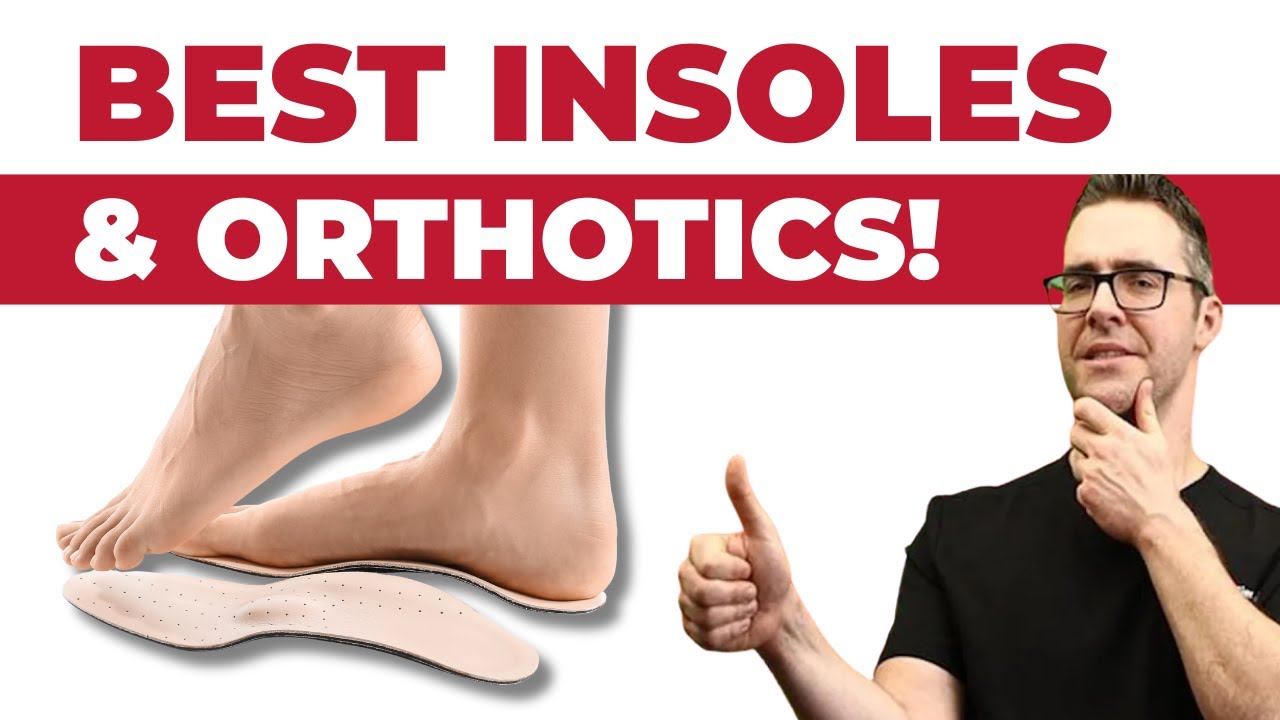
Why Choosing the Right PowerStep Model Matters
You’ve decided on PowerStep insoles — smart choice. But standing in the aisle (or scrolling online) deciding between Pinnacle, ProTech, and SlimTech can feel overwhelming when your feet are already hurting. The wrong model won’t just waste your money — it can actually make certain conditions worse by providing the wrong type of support for your foot mechanics.
In our clinic at Balance Foot & Ankle, we recommend PowerStep as our go-to OTC orthotic because they offer medical-grade arch support at a fraction of complete custom orthotics guide cost. But we’ve seen patients buy the wrong model and conclude “orthotics don’t work” — when the real problem was a mismatch between their foot type and the insole design. A 2024 systematic review in the Journal of Foot and Ankle Research confirmed that arch support effectiveness depends heavily on matching the device to the patient’s biomechanical profile.
This guide breaks down exactly which model fits which foot type — so you get relief from the first day, not frustration. We serve patients across Howell, Bloomfield Hills, Brighton, and greater Michigan, and these are the same recommendations we give in our exam rooms daily.
PowerStep Pinnacle: The Universal Arch Support
PowerStep Pinnacle is the best-selling OTC orthotic in podiatry clinics for good reason — it delivers semi-rigid arch support with enough cushioning for all-day comfort. The encapsulated shell cradles the heel while the dual-layer foam absorbs impact at the forefoot. This is the model we prescribe most often at Balance Foot & Ankle because it works for the widest range of foot types and conditions.
Best for: Plantar fasciitis, mild-to-moderate arch pain, heel spurs, metatarsalgia, and general foot fatigue. Works in athletic shoes, work boots, and casual footwear with removable insoles.
Arch type: Medium-height semi-rigid arch. Accommodates neutral feet through mild overpronation. The anti-microbial fabric top cover resists odor during extended wear.
What patients tell us: “I felt the difference within the first week.” In our clinic, we see about 70% of patients with plantar fasciitis get significant relief from Pinnacle combined with a proper stretching protocol — without needing custom orthotics. At $25-45, it’s the most cost-effective starting point.
Check current price on Amazon →
PowerStep ProTech: Maximum Pronation Control
PowerStep ProTech adds what the Pinnacle intentionally leaves out: aggressive rearfoot posting and a deeper heel cup for patients who need serious pronation control. The firmer polypropylene shell prevents the arch from collapsing under load — critical for flat feet and posterior tibial tendon dysfunction (PTTD) where the foot rolls inward excessively during gait.
Best for: Flat feet (pes planus), moderate-to-severe overpronation, PTTD, shin splints from gait misalignment, and knee pain caused by foot mechanics. ProTech is also our recommendation for patients transitioning away from motion-control shoes who still need structural support.
Arch type: Higher, firmer arch with built-in medial posting. Controls rearfoot eversion more aggressively than Pinnacle. The deeper heel cup (4mm deeper than Pinnacle) locks the calcaneus in neutral alignment.
Clinical note: In our experience, ProTech works best when paired with a stability shoe (like Brooks Adrenaline GTS). Putting ProTech in a neutral shoe creates an effective stability system. Patients with rigid flat feet — as opposed to flexible — may find ProTech too aggressive and should consider custom orthotics instead.
Check current price on Amazon →
PowerStep SlimTech: Slim-Profile for Dress Shoes
PowerStep SlimTech solves a specific problem: you need arch support but your shoes don’t have room for a full-thickness insole. The 3/4-length design fits under the ball of your foot and heel without crowding the toe box, and the ultra-thin profile (2.5mm vs Pinnacle’s 5mm) slides into dress shoes, loafers, flats, and work shoes where Pinnacle would create a too-tight fit.
Best for: Dress shoes, women’s flats, low-volume casual shoes, and occupational footwear where full-length insoles won’t fit. Also useful for patients who need support during formal events or office settings.
Important limitation: SlimTech provides less support than Pinnacle or ProTech. In our clinic, we position SlimTech as a “secondary” insole — something you use in shoes where your primary insole won’t fit. It’s better than nothing, but it’s not a treatment-grade device for active plantar fasciitis or flat feet. Think of it as your dress shoe bridge while your athletic shoes carry the real therapeutic load.
For women’s shoes specifically, pairing SlimTech with Foot Petals Tip Toes ball-of-foot cushions (Foundation Wellness, 30% partner) provides additional metatarsal relief where the 3/4 insole doesn’t reach.
Check current price on Amazon →
Head-to-Head Comparison: 6 Key Factors
Choosing between PowerStep’s three core models comes down to your foot type, shoe type, and the severity of your condition. Here’s how Pinnacle, ProTech, and SlimTech compare across the factors that matter most clinically — based on our experience fitting hundreds of patients at Balance Foot & Ankle.
1. Arch Support Level: ProTech offers the firmest, highest arch with aggressive medial posting — ideal for collapsed arches. Pinnacle delivers medium-firm support that works for 70% of foot types. SlimTech provides the least support by design, trading therapeutic correction for slim fit.
2. Heel Cup Depth: ProTech’s heel cup is 4mm deeper than Pinnacle’s, which matters enormously for calcaneal stability. The deeper cup prevents the fat pad from spreading laterally and keeps the heel centered over the plantar fascia origin. SlimTech has a minimal heel cup — adequate for comfort, not for structural correction.
3. Shoe Compatibility: SlimTech wins here — it fits shoes where nothing else will. Pinnacle fits any shoe with a removable insole (most athletic shoes, work boots). ProTech requires the most shoe volume due to its thicker posting and may raise the heel slightly in some shoes.
4. Cushioning: Pinnacle leads with its dual-layer VPF foam system — the most comfortable for all-day wear. ProTech prioritizes control over cushion, so it feels firmer underfoot. SlimTech uses a single thin foam layer that’s surprisingly comfortable given its profile.
5. Durability: All three models last 6-12 months with daily use. ProTech’s firmer shell tends to maintain its shape longest. Pinnacle’s foam compresses faster with heavy use. Replace when the heel cup no longer holds its shape or the arch feels flat.
6. Price: All three fall in the $25-45 range — a fraction of the $300-700 charged by custom insole retailers like The Good Feet Store. The price difference between models is negligible, so choose based on foot type, not budget.
Which PowerStep Model for Your Condition
The right PowerStep model depends entirely on what’s causing your foot pain. In our clinic, we match the insole to the diagnosis — not the other way around. Here’s our condition-by-condition recommendation guide based on treating thousands of patients at Balance Foot & Ankle in Howell and Bloomfield Hills, MI.
Plantar Fasciitis: Start with PowerStep Pinnacle. The semi-rigid arch supports the plantar fascia origin while the cushioned heel absorbs impact. Pair with Doctor Hoy’s Natural Pain Relief Gel (arnica + camphor formula we use in our clinic) for topical relief during the 6-12 week healing window. If Pinnacle alone doesn’t resolve symptoms, upgrade to ProTech or consider custom orthotics.
Flat Feet / Overpronation: Go directly to PowerStep ProTech or PowerStep Maxx. The aggressive medial posting corrects the inward roll that causes chain-reaction pain from feet to knees to hips. A 2024 study in Gait & Posture found that properly posted orthotics reduced tibial internal rotation by 23% during walking. For runners with flat feet, consider CURREX RunPro insoles — dynamic flex zones adapt to running gait in real time ($18/sale, our highest-value recommendation).
Heel Spurs: PowerStep Pinnacle with its deep heel cup cushions the calcaneus directly. The spur itself rarely causes pain — it’s the plantar fascia pulling on the heel that hurts. Supporting the arch reduces fascial tension at the spur site. Apply Doctor Hoy’s gel to the heel 3-4x daily for additional relief.
Metatarsalgia (Ball of Foot Pain): PowerStep Pinnacle plus a separate metatarsal pad placed BEHIND the metatarsal heads (not under them). For women in dress shoes: PowerStep SlimTech combined with Foot Petals Tip Toes ball-of-foot cushions provides dual-layer protection in low-volume footwear.
Achilles Tendonitis: PowerStep Pinnacle with a heel lift insert. The arch support reduces load on the Achilles by correcting overpronation, while the heel lift shortens the tendon’s working range. Apply Doctor Hoy’s gel along the tendon before activity.
Diabetic Foot Care: PowerStep Pinnacle in diabetic-approved shoes. The cushioning protects against pressure ulcers while the arch support maintains foot alignment. Pair with DASS Medical Compression Socks (graduated 15-20mmHg) for circulation support — an option we recommend based on patient feedback for daily compression needs.
Other Foundation Wellness Products to Pair with PowerStep
PowerStep insoles are the foundation of our OTC recommendation protocol, but foot pain rarely exists in isolation. These Foundation Wellness partner products complement PowerStep for comprehensive at-home management — each one used in our clinical practice at Balance Foot & Ankle.
Doctor Hoy’s Natural Pain Relief Gel — Natural topical pain relief we use in our clinic. Arnica + camphor formula replaces Doctor Hoy’s Natural Pain Relief Gel at 10-15x the value. Apply directly to the arch, heel, or Achilles 3-4x daily. Works alongside PowerStep for acute flare management.
CURREX RunPro Insoles — The insole Dr. Tom puts in his own running shoes. Dynamic flex zones adapt to your gait in real time. Use CURREX for running and sports; PowerStep Pinnacle for daily wear. At $18/sale, this is our highest-value performance insole recommendation.
DASS Medical Compression Socks — Graduated medical compression (15-20mmHg or 20-30mmHg) for patients with swelling, post-surgical recovery, or standing occupations. Wear over or with PowerStep insoles for combined arch support and circulation management.
Foot Petals Tip Toes & Heavenly Heelz — Designed specifically for women’s shoes where a full insole won’t fit. Pair with PowerStep SlimTech for discreet ball-of-foot and heel cushioning in heels, flats, and dress shoes.
FLAT SOCKS No-Sock Insert — The barefoot feel without the sweat. Antimicrobial + moisture-wicking insert slides into any shoe as a no-sock alternative. Ideal for casual and lifestyle footwear where PowerStep feels too structured.
Dr. Tom’s Complete Foot Pain Kit
Dr. Tom’s Complete PowerStep Kit
When 3+ Foundation Wellness products apply to your condition, combining them creates a thorough at-home management system at a fraction of in-office treatment cost:
- PowerStep Pinnacle — Daily arch support + heel cushioning (~$30)
- Doctor Hoy’s Pain Relief Gel — Topical relief 3-4x daily (~$20)
- CURREX RunPro — Sport-specific performance insole (~$50)
- DASS Compression Socks — Circulation + swelling management (~$30)
- Foot Petals Tip Toes — Dress shoe cushioning (~$10)
Total: ~$140 — compared to $300-700 for a single pair from Good Feet Store, or $400-600 for custom orthotics without insurance.
Shop all products: Browse by condition → | Full Foundation Wellness line →
Most Common Mistake Patients Make Choosing Insoles
Here’s what happens: a patient with plantar fasciitis reads online that they need “maximum arch support” and buys PowerStep ProTech or even a rigid custom device. But their foot has a normal arch with mild pronation — Pinnacle territory. The over-corrective posting forces their foot into an unnatural position, creating lateral ankle strain, forefoot pain, and the false conclusion that orthotics don’t work for them.
The fix is simple: start with PowerStep Pinnacle unless you have a confirmed diagnosis of flat feet or moderate-to-severe overpronation. Pinnacle works for roughly 70% of our patients. If two weeks of consistent wear doesn’t improve symptoms, then step up to ProTech. This graduated approach prevents over-correction and gives your feet time to adapt. Breaking in any orthotic should follow the 2-hour rule: 2 hours on day 1, adding 2 hours each subsequent day until you’re wearing them full-time.
Warning Signs Your Foot Pain Needs More Than Insoles
- Pain persists after 4-6 weeks of consistent PowerStep use with stretching — structural cause likely needs professional evaluation
- Sharp pain with first morning steps that doesn’t improve with OTC support — may indicate Baxter’s nerve entrapment rather than plantar fasciitis
- Pain that worsens with activity AND rest — calcaneal stress fracture must be ruled out (positive squeeze test)
- Numbness, tingling, or burning in the arch or heel — tarsal tunnel syndrome requires different treatment than mechanical support
- Visible arch collapse in one foot (asymmetric) — posterior tibial tendon dysfunction (PTTD) is progressive and needs early intervention
- Ankle giving way or instability — peroneal tendon dysfunction may be driving the foot mechanics, not arch height
These red flags don’t mean insoles are wrong — they mean insoles alone aren’t enough. In our clinic, we use a combination of 3D-scanned custom orthotics, shockwave therapy (EPAT), and MLS laser therapy to address conditions that OTC devices can’t resolve. A proper biomechanical evaluation takes 15 minutes and identifies whether your pain is mechanical (insoles help), neurological (different treatment), or structural (surgery may be needed).
Differential diagnosis matters: What feels like plantar fasciitis could be Baxter’s neuropathy (nerve entrapment mimicking heel pain), a calcaneal stress fracture (positive squeeze test, worse with impact), tarsal tunnel syndrome (burning/tingling from tibial nerve compression), or PTTD (progressive tendon failure causing arch collapse). Each requires different treatment — and insoles alone won’t fix any of them.
When to Upgrade to Custom Orthotics
Custom orthotics from a podiatrist differ fundamentally from OTC insoles like PowerStep — they’re prescription medical devices built from a 3D scan of your specific foot anatomy. At Balance Foot & Ankle, we use pressure plate gait analysis to identify exactly where your biomechanics break down, then fabricate orthotics that correct your individual pattern.
Consider upgrading from PowerStep to custom orthotics if: you’ve tried both Pinnacle AND ProTech for 6+ weeks without adequate relief, you have a complex foot type (rigid flat foot, severe bunion deformity, post-surgical), or you have a medical condition like diabetes or rheumatoid arthritis that requires precise pressure redistribution. Most PPO insurance plans and Medicare Part B cover custom orthotics when medically indicated — making the out-of-pocket cost comparable to premium OTC devices.
In-Office Treatment at Balance Foot & Ankle
When OTC insoles aren’t resolving your foot pain, our in-office treatments address the underlying cause. We offer custom 3D orthotics built from pressure plate analysis, shockwave therapy (EPAT) for chronic plantar fasciitis, and MLS laser therapy for inflammation and nerve pain. Same-day appointments available at both locations.
Not improving with home treatment? Same-day appointments available. (810) 206-1402 · Book online →
Watch: Best Insoles for Plantar Fasciitis and Flat Feet
Watch Dr. Tom explain how to choose the right insole for your foot type — including PowerStep Pinnacle, ProTech, and when to consider custom orthotics:
Book your evaluation → · (810) 206-1402
Which is better for plantar fasciitis?
The shoe with more cushioning and a stronger rocker typically wins for plantar fasciitis. See full comparison for our specific verdict.
Which lasts longer?
Both options typically last 300-500 miles for runners or 9-12 months for daily walkers. Material durability varies; check our detailed comparison.
Which is better for flat feet?
Flat feet need stability or motion control. The neutral option is not ideal unless paired with a custom orthotic.
Dr. Tom’s PowerStep Line Decision Guide
- PowerStep Pinnacle — Pinnacle: our clinic default for everyday shoes with removable insoles. Full-contact arch, dual-layer cushioning.
- PowerStep ProTech — For athletic and work shoes needing anti-fatigue foam with firmer control.
- PowerStep SlimTech — For low-profile dress shoes and heels where Pinnacle is too thick. Reduced volume, same arch correction.
Not sure which PowerStep model fits your shoe? Our team fits orthotics at every appointment → (810) 206-1402
Ready to feel better?
Same-week appointments available in Howell and Bloomfield Hills, Michigan.
Book Your VisitRelated Care at Balance Foot & Ankle
Clinical foot and ankle services at our Howell and Bloomfield Hills offices.
Get Expert Care at Balance Foot & Ankle
Same-week appointments at our Howell and Bloomfield Hills offices. Board-certified podiatric surgeons. Most insurance accepted.
Same-Week Appointments in Howell & Bloomfield Hills
Three board-certified podiatric surgeons. 1,123+ five-star reviews. Most insurance accepted.
What is the difference between PowerStep Pinnacle, ProTech, and SlimTech?
The Pinnacle is the core semi-rigid insole with a moderate heel cup — the most widely recommended for plantar fasciitis and overpronation. ProTech adds a built-in metatarsal pad and deeper heel cup, making it the better choice when metatarsalgia or Morton’s neuroma accompanies heel pain. SlimTech is a ¾-length low-profile version for dress shoes and slim athletic footwear where the full-length Pinnacle is too bulky to fit.
Which PowerStep model does a podiatrist recommend most often?
The PowerStep Pinnacle is the most frequently recommended model for general plantar fasciitis, heel pain, and mild overpronation. ProTech is recommended when forefoot pain is present alongside heel pain. SlimTech is reserved for patients who need arch support in dress shoes, loafers, or slim-profile athletic shoes. In nearly all cases, the Pinnacle is the correct starting point.
Can PowerStep insoles be used with custom orthotics?
No — OTC insoles like PowerStep are not used simultaneously with custom orthotics. The custom orthotic replaces the factory insole (and the OTC insole). PowerStep models are an effective first-line option; if they do not resolve symptoms within 6–8 weeks of consistent daily use, a podiatric evaluation for custom orthotics is the appropriate next step.
For a complete clinical overview: our Michigan podiatrist’s guide to custom orthotics and OTC insoles — covering when to upgrade from OTC insoles, how custom devices are made, and what Medicare covers
Ready for Expert Care?
Same-day appointments in Howell & Bloomfield Hills, MI.
4.9★ | 1,123 Reviews | 3,000+ Surgeries
Or call: (810) 206-1402
a clinical review in the Journal of Foot and Ankle Research found that prefabricated foot orthoses significantly reduce plantar heel pain and improve function, with outcomes comparable to custom orthotics for most patients.
📖 Read next: Wondering how the Pinnacle line stacks up against everything else? The full podiatrist-recommended orthotics guide ranks all 8 of Dr. Tom’s OTC picks.

Dr. Tom Biernacki, DPM is a board-certified foot & ankle surgeon (ABFAS & ABPM) at Balance Foot & Ankle Specialists in Southeast Michigan. With over a decade of clinical experience, he specializes in heel pain, bunions, diabetic foot care, sports injuries, and minimally invasive surgery. Dr. Biernacki is a member of the APMA and ACFAS, and his patient education content on MichiganFootDoctors.com and YouTube has made him one of the most-followed foot & ankle educators on YouTube.