

Medically reviewed by Dr. Tom Biernacki, DPM · Board-Certified Podiatric Surgeon · Last reviewed: April 2026 · Editorial Policy
Quick Answer
Managing Bunions Without Surgery: A Complete Conservative Tr relates to foot pain — typically caused by overuse, footwear, or biomechanics. Most patients improve in 6-12 weeks with conservative care. Same-week appointments in Howell + Bloomfield Twp: (810) 206-1402.

Medically reviewed by Dr. Tom Biernacki, DPM — Board-Certified Podiatric Surgeon — Balance Foot & Ankle, Howell & Bloomfield Hills, MI. Last updated April 2026.
▶ Watch

Medically Reviewed by Dr. Tom Biernacki, DPM — Board-Certified Podiatrist, Balance Foot & Ankle Specialists, Michigan. Last updated April 2026.
One of the most common questions about bunions is also one of the most important: “Can I avoid surgery?” The honest answer is nuanced — conservative treatment cannot reverse a bunion deformity, but it can effectively manage pain, slow progression, and preserve function for years or indefinitely for many patients. Understanding what conservative treatment realistically achieves helps patients make informed decisions about their care.
What Conservative Treatment Can and Cannot Do
The biological reality of hallux valgus (bunion) is important to establish clearly at the outset: a bunion is a structural joint deformity caused by progressive first metatarsal deviation at the metatarsocuneiform joint. No splint, orthotic, or exercise will structurally realign a deviated metatarsal or restore a subluxed first MTP joint to its native position. Conservative treatment manages symptoms and potentially slows progression — it does not correct the deformity.
This distinction matters because patients who undergo expensive “corrective” devices marketed as surgical alternatives and expect structural correction will be disappointed. However, patients who understand that the goal is comfortable, functional living without progressive joint damage have highly realistic expectations that conservative treatment can meet.
Footwear: The Single Most Important Conservative Intervention
The majority of bunion pain is caused by pressure from footwear against the medial eminence (the bony prominence). Shoes with a wide, deep toe box that do not contact the medial eminence eliminate this friction source and often produce dramatic immediate pain reduction. Specific recommendations:
- Rounded or squared toe box — sufficient width to accommodate the widened forefoot without lateral compression of the second toe
- Low heel (under 1.5 inches) — heels above this height shift weight forward onto the forefoot, increasing first MTP joint pressure
- Soft, pliable upper material that does not create rigid pressure points over the eminence
- Athletic shoe width sizing — many patients with bunions need a wide (D for women, 2E for men) or extra-wide fitting
Custom Orthotics
Custom foot orthotics address the biomechanical root of bunion progression — first ray hypermobility and excessive first metatarsal pronation under load. By controlling hindfoot and midfoot mechanics, a well-designed orthotic reduces the deforming forces that push the first metatarsal medially with each step. This does not reverse existing deformity, but evidence suggests it slows progression and reduces forefoot pain associated with abnormal load distribution.
Importantly, OTC arch supports do not provide the specific first ray control and medial column support required for this purpose — only custom 3D-scanned devices designed with appropriate modifications address bunion biomechanics.
Night Splints
Hallux valgus night splints hold the great toe in a more neutral position during sleep. They do not produce structural correction, but they may provide symptomatic relief from morning stiffness and maintain some soft tissue flexibility. Compliance is the limiting factor — many patients find them uncomfortable for sleep and discontinue use.
First MTP Joint Cortisone Injection
For patients with symptomatic first MTP joint arthritis or acute-on-chronic synovitis (joint lining inflammation) from the bunion deformity, ultrasound-guided cortisone injection into the first MTP joint provides targeted anti-inflammatory relief. This is not a treatment for the bunion deformity itself but addresses the joint inflammation component that drives acute pain.
When Surgery Becomes the Better Option
Conservative treatment is the appropriate first approach for mild to moderate bunions without significant joint damage. Surgical consultation is reasonable when:
- Pain persists despite optimized conservative management
- The deformity is severe enough that no available footwear accommodates the foot comfortably
- The bunion is progressively worse and the patient is young and active
- Associated hammertoe of the second toe is developing from lateral pressure
- X-rays show first MTP joint arthritis developing from the chronic malalignment
Dr. Biernacki evaluates each patient individually — conservative management is always offered first for appropriate candidates, and surgery is recommended only when the expected benefit clearly justifies the recovery investment.
Bunion Pain? Explore Your Options — Conservative and Surgical.
Dr. Biernacki provides honest bunion treatment recommendations at Balance Foot & Ankle — Bloomfield Hills and Howell, MI.
📞 (810) 206-1402 |
📧 Get Dr. Tom’s Free Lab Test Guide
Discover the 5 lab tests every person over 35 should ask their doctor about — explained in plain English by a board-certified physician.
📍 Located in Michigan?
Our board-certified podiatrists treat this condition at two convenient locations. Same-day appointments often available.

Insurance Accepted
BCBS · Medicare · Aetna · Cigna · United Healthcare · HAP · Priority Health · Humana · View All →
Howell Office
3980 E Grand River Ave, Suite 140
Howell, MI 48843
Get Directions →
Bloomfield Hills Office
43700 Woodward Ave, Suite 207
Bloomfield Hills, MI 48302
Get Directions →
Your Board-Certified Podiatrists



Ready to Get Back on Your Feet?
Same-week appointments available at both locations.
Book Your AppointmentIn Our Clinic
In our clinic, bunion patients come in at two very different stages. The first group is women in their 30s and 40s noticing a small bump and seeking nonsurgical slowing tactics — wide toe box shoes, bunion splints at night, custom orthotics to redistribute load away from the first MTP. The second group is patients in their 50s+ who can no longer find shoes that fit and are asking, honestly, about surgery. Our standard workup includes weight-bearing X-rays to measure the intermetatarsal angle and the HVA. Patients with an IMA under 13° usually do well conservatively; 13°+ often benefits from a surgical plan.
Watch: Dr. Tom explains

Podiatrist-recommended products
As an Amazon Associate, Dr. Tom earns from qualifying purchases.
Arch support slows bunion progression by correcting overpronation.
View on Amazon →Offload the 1st MTP joint in bunion-forming feet.
View on Amazon →Topical relief for bunion flare-ups.
View on Amazon →Cryotherapy for acute bunion flare pain.
View on Amazon →Related resources
Ready to solve this? Book today.
Same-week appointments · Howell & Bloomfield Hills · 4.9★ (1,123+ reviews)
☎ (810) 206-1402Book Online →More Podiatrist-Recommended Bunion Essentials
Bunion-Friendly Stability Shoe
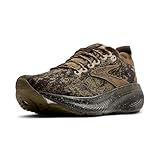
- THIS MEN’S SHOE IS FOR: The Adrenaline GTS 25 is perfect for runners and walkers seeking reliable support and a smooth ride. Featuring holistic GuideRails for Go-To Support and soft, dynamic premium nitrogen-infused DNA LOFT v3 cushioning, it delivers distraction-free comfort mile after mile. This Brooks Adrenaline GTS 25 is a certified PDAC A5500 Diabetic shoe and has been granted the APMA Seal of Acceptance. Predecessor: Adrenaline GTS 24.
- GUIDERAILS HOLISTIC SUPPORT SYSTEM: Our innovative technology - known as “GTS” for “Go-To Support” - supports your body in its natural motion path while keeping excess movement in check.
- SOFT & DYNAMIC CUSHIONING: Even more premium nitrogen-infused DNA Loft v3 cushioning delivers lightweight softness, and feel-good comfort mile after mile.
- TRUSTED FIT: The breathable engineered mesh upper and flat-knit collar offer a secure, comfortable fit, providing both structure and flexibility to accommodate natural movement during active use.
- SMOOTH TRANSITIONS: The specially designed outsole and midsole work together to promote seamless transitions, ensuring comfort and support for every step, so you can stay active longer.
Brooks Adrenaline GTS 25 — wide toe box reduces bunion pressure.
Wide-Toe-Box Walking Shoe

- FuelCell foam delivers a propulsive feel to help drive you forward
- ENCAP midsole cushioning combines lightweight foam with a durable polyurethane rim to deliver all-day support
- Reflective accents designed to catch the light
- TPU back tab
- New Balance MADE contains a domestic value of 70% or more. MADE makes up a limited portion of New Balance’s US sales.
New Balance 990v6 — roomy forefoot accommodates bunions and reduces rubbing.
Orthotic Insole

- The Pinnacle Full length insoles for men & women provide maximum cushioning, from high activity to moderate support. The PowerStep arch support shape provides stability to the foot and ankle, helping to relieve foot pain.
- When you spend all day on your feet, every step counts. PowerStep insoles are a podiatrist-recommended orthotic to help relieve & prevent foot pain related to athletes, runners, Plantar Fasciitis, heel spurs & other common foot, ankle & knee injuries
- The Pinnacle plantar fasciitis insoles offer superior heel cushioning and arch support. The dual-layer cushioning is designed to reduce stress and fatigue, while PowerStep premium arch support is designed for plantar fasciitis relief.
- The PowerStep Pinnacle arch support inserts for men & women can be worn in a variety of shoe types such as; athletic, walking, running, work & some casual shoes. Orthotic Inserts are ordered by shoe size, no trimming required.
- Made in the USA & backed by a 30-day money-back guarantee. PowerStep orthotic inserts for men & women are designed for shoes where the factory insole can be removed. HSA & FSA Eligible
PowerStep arch support — realigns foot mechanics that drive bunion progression.
As an Amazon Associate, Balance Foot & Ankle earns from qualifying purchases. Product recommendations are based on clinical experience; prices and availability shown above update live from Amazon.
When to See a Podiatrist
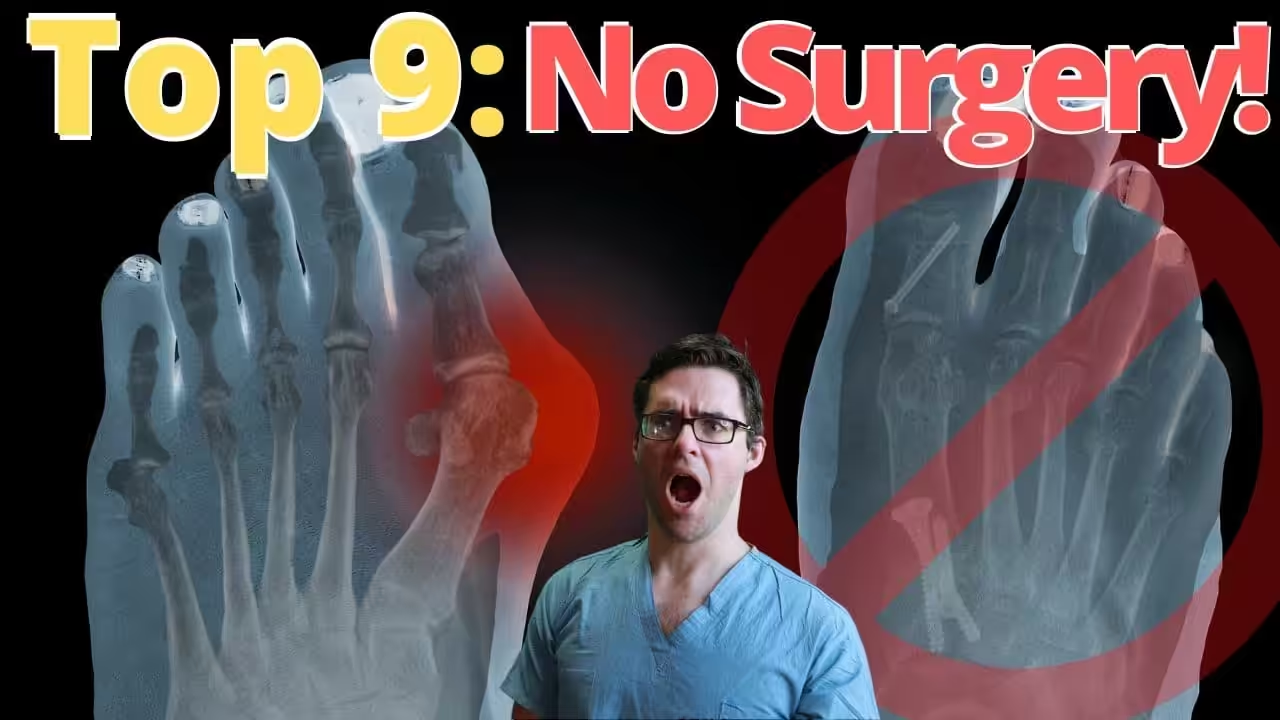
A bunion is a progressive joint deformity — padding and splints reduce pain but don’t reverse the bone shift. If the big toe angle is worsening, shoes no longer fit, or pain is disrupting sleep or activity, schedule a consult at Balance Foot & Ankle. Our surgeons perform minimally-invasive bunion correction with faster recovery than traditional osteotomy. We’ll review X-rays with you and explain exactly what the joint needs.
Call Balance Foot & Ankle: (810) 206-1402 · Book online · Offices in Howell & Bloomfield Hills
In-Office Treatment at Balance Foot & Ankle
When conservative care isn’t enough, Dr. Tom Biernacki and the team at Balance Foot & Ankle offer advanced, same-day options — including Hammertoe Correction Michigan at our Howell and Bloomfield Hills clinics.
Same-day appointments available. Call (810) 206-1402 or book online.
Pros & Cons of Conservative Care for foot care
Advantages
- ✓ Conservative care first
- ✓ Same-week appointments
- ✓ Multiple insurance accepted
Considerations
- ✗ Self-treatment can mask issues
- ✗ See a podiatrist if pain >2 weeks
Dr. Tom’s Recommended Products for foot care
Affiliate disclosure: As an Amazon Associate, Balance Foot & Ankle earns from qualifying purchases. We only recommend products we use with patients.


Footnanny Heel Cream Dr. Tom’s Pick
Best for: Daily moisturizer for cracked heels
Ready to Get Back on Your Feet?
Same-day appointments in Howell + Bloomfield Twp. Most insurance accepted. Dr. Tom Biernacki, DPM & team.
Book Today — Same-Day Appointments Available
Call Now: (810) 206-1402
About Your Care Team at Balance Foot & Ankle
Dr. Tom Biernacki, DPM · Board-Certified Foot & Ankle Surgeon. Specializes in conservative-first care, minimally invasive bunion surgery, and complex reconstruction.
Dr. Carl Jay, DPM · Accepting new patients. Specializes in sports medicine, athletic injuries, and routine podiatric care.
Dr. Daria Gutkin, DPM, AACFAS · Accepting new patients. Specializes in surgical reconstruction and pediatric podiatry.
Locations: 4330 E Grand River Ave, Howell, MI 48843 · 43494 Woodward Ave Suite 208, Bloomfield Twp, MI 48302
Hours: Mon–Fri 8:00 AM – 5:00 PM · (810) 206-1402

Dr. Tom Biernacki, DPM is a double board-certified podiatrist and foot & ankle surgeon at Balance Foot & Ankle Specialists in Southeast Michigan. With over a decade of clinical experience, he specializes in heel pain, bunions, diabetic foot care, sports injuries, and minimally invasive surgery. Dr. Biernacki is a member of the APMA and ACFAS, and his patient education content on MichiganFootDoctors.com and YouTube has reached over one million views.
- Plantar Fasciitis: Diagnosis and Conservative Management (PubMed)
- Plantar Fasciitis (APMA)
- Diagnosis and Treatment of Plantar Fasciitis (PubMed / AAFP)
- Heel Pain (APMA)
Recommended Products from Dr. Tom