
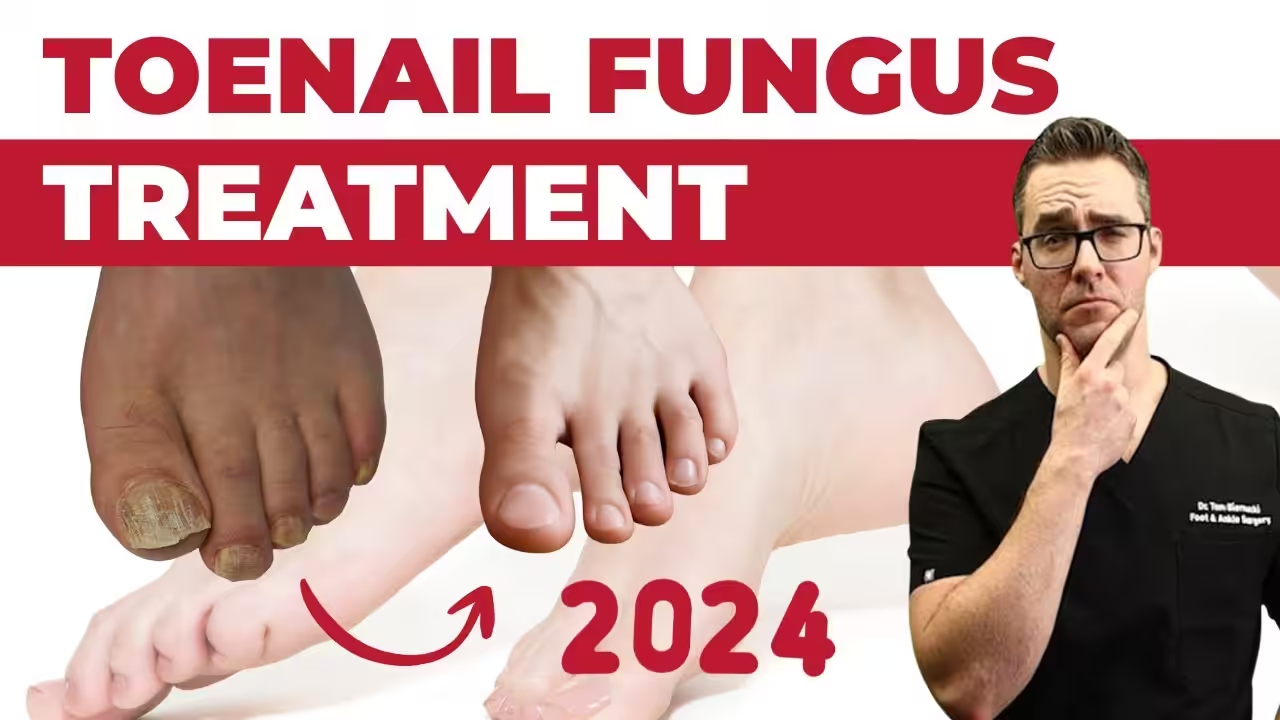
You are in the right place. Dr. Tom Biernacki, DPM, FACFAS — board-certified foot & ankle surgeon with 3,000+ surgeries — explains exactly what laser treatment for toenail fungus means and what actually works. Book online for a same-day appointment at our Howell or Bloomfield Township office — or call (810) 206-1402.
The most important clinical decision with Laser Treatment Toenail Fungus 2 isn’t which treatment to start with — it’s identifying the correct subtype. That changes everything. Call (810) 206-1402.
Dr. Tom’s Top Toenail Fungus Picks (2026)
Medically reviewed by Dr. Tom Biernacki, DPM
Board-certified podiatric surgeon | Balance Foot & Ankle
Last reviewed: May 2026
Affiliate disclosure: As an Amazon Associate, Balance Foot & Ankle earns from qualifying purchases.
Related Conditions
Quick Answer
Laser Treatment for Toenail Fungus: How It Works, Evidence, relates to toenail conditions — typically caused by fungal infection or trauma. Most patients improve in 6-12 months for nail regrowth with conservative care. Same-week appointments in Howell + Bloomfield Township: (810) 206-1402.
Quick Answer
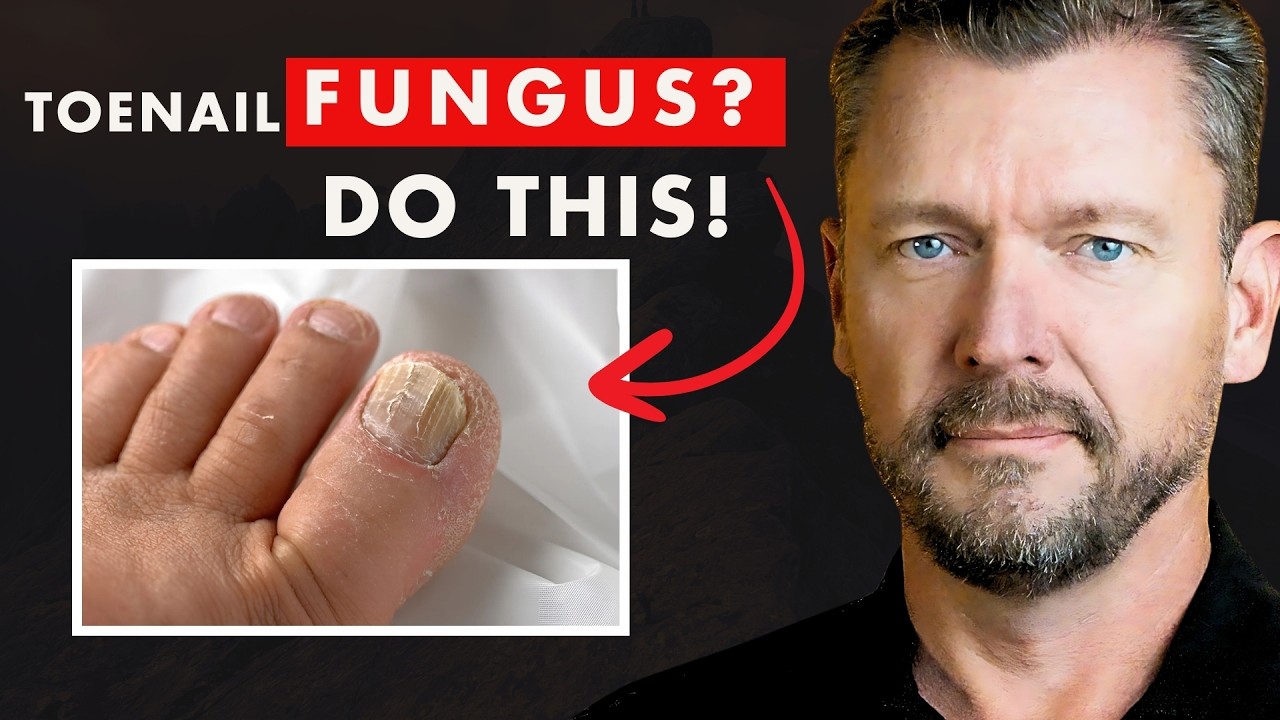
Toenail fungus (onychomycosis) is a dermatophyte infection causing yellow-brown discolouration, thickening, and brittleness. It will not resolve without treatment. OTC options work only for very early cases — established infection needs oral terbinafine or laser therapy.
Watch: Dr. Tom Biernacki, DPM
✅ Medically reviewed by Dr. Tom Biernacki, DPM — Board-Certified Podiatrist · Last updated April 6, 2026
Laser Treatment for Toenail Fungus: How It Works, Evidence, and What to Expect
Laser Treatment for Toenail Fungus: What the Evidence Says
Laser therapy for onychomycosis (toenail fungus) has grown rapidly in popularity as a non-prescription, non-systemic alternative to oral antifungal medications. The appeal is understandable — no liver monitoring, no drug interactions, no systemic side effects. But understanding what laser treatment can and cannot achieve is essential before investing in a course of sessions.
How Laser Works on Fungal Nails
Laser devices used for toenail fungus emit light at wavelengths — most commonly 1064 nm Nd:YAG or 870/930 nm dual-wavelength — that are absorbed by the fungal organisms within the nail plate and nail bed. The absorbed energy heats and kills the fungus without damaging the surrounding nail or skin when used correctly. The nail plate itself is relatively transparent to these wavelengths, allowing the laser to penetrate to where the infection resides.
Types of Laser Devices
The Nd:YAG 1064 nm laser is the most widely used and studied device for onychomycosis. It delivers pulses of near-infrared light that heat fungal cells. The PinPointe FootLaser was the first FDA-cleared device specifically for this indication. Diode lasers at 810 nm are also used. Photodynamic therapy (PDT) combines a photosensitizing agent applied to the nail with light activation to generate reactive oxygen species that kill fungi. Each technology has different protocols, treatment session numbers, and evidence bases.
What Clinical Studies Show
Results from laser studies vary considerably depending on the device, protocol, fungal species involved, and how success is defined. Studies typically report mycological cure (negative culture) in 30 to 60 percent of treated nails after multiple sessions, with clear nail improvement in a similar proportion. These numbers compare modestly with oral terbinafine, which achieves mycological cure in 70 to 80 percent of cases but requires 3 months of daily medication with liver monitoring.
A significant limitation of laser studies is the lack of long-term follow-up — recurrence rates after laser treatment are not well characterized, while recurrence after oral therapy is documented at 10 to 25 percent at 1 year.
How Many Sessions Are Needed?
Most laser protocols involve 3 to 4 sessions spaced 4 to 6 weeks apart. Some devices use a single longer session. The treatments are performed in-office, are painless or mildly warm, and take 15 to 30 minutes to treat all affected nails. Results are not immediate — because the fungus is killed within the nail, the nail must grow out to reveal clear growth, which takes 6 to 12 months for a toenail to fully replace itself.
Combining Laser with Topical Antifungals
Combining laser treatment with prescription topical antifungals such as efinaconazole (Jublia) or tavaborole (Kerydin) improves outcomes compared to laser alone. The laser disrupts the nail plate structure, potentially enhancing penetration of topical agents. This combination approach is increasingly used in clinical practice for moderate to severe infections.
Who Is a Good Candidate?
Laser treatment is most appropriate for patients who cannot take oral antifungals due to liver disease, drug interactions, or personal preference, for mild to moderate nail involvement, and as an adjunct to topical therapy. Severe, heavily thickened nails with subungual hyperkeratosis may respond less well because the laser must penetrate through a greater depth of debris. Confirming the diagnosis with nail culture or PCR testing before laser treatment ensures you are treating actual fungus rather than nail dystrophy from another cause.
Cost and Insurance Coverage
Laser treatment for toenail fungus is typically not covered by health insurance and is paid out-of-pocket. A full course of 3 to 4 sessions typically costs between $500 and $1,200 depending on the number of nails treated and the provider. Comparing this to the cost and convenience of 3 months of oral terbinafine (which is inexpensive as a generic) is worthwhile when making the decision.
Combining Laser Treatment with Topical Antifungals for Better Results
Laser monotherapy for toenail fungus achieves clearance rates in the range of 50–75% depending on severity, nail involvement, and patient compliance. For patients with moderate-to-severe onychomycosis (more than 50% of the nail plate involved, multiple nails affected, or subungual debris extending to the lunula), combination therapy — laser treatment alongside prescription topical antifungal application — consistently outperforms either treatment alone. The laser penetrates the nail plate and subungual debris to destroy fungal elements that topicals cannot reach due to limited nail penetration, while topical efinaconazole (Jublia) or tavaborole (Kerydin) applied daily maintains antifungal activity in the superficial nail plate between laser sessions and during the 12+ months of new nail growth required for full clearance assessment.
Patient expectations are critical to successful laser treatment outcomes. Laser treatment kills the fungus within the nail but does not immediately restore nail appearance — the damaged, thickened nail must grow out and be replaced by new healthy nail, a process requiring 9–12 months for great toenails and 6–9 months for lesser toenails. Monthly nail trimming and debridement during this period, combined with environmental decontamination (replacing old shoes, using antifungal powder in footwear, disinfecting nail care instruments), prevents reinfection of the new nail as it grows. At Balance Foot & Ankle in Howell and Bloomfield Township, we coordinate complete toenail fungus treatment protocols combining laser, topical prescription therapy, and nail debridement to maximize clearance rates.
Michigan patients can access expert ingrown toenail treatment in Michigan and shockwave and laser therapy in Michigan at Balance Foot & Ankle. Our board-certified podiatrists serve Howell (4330 E Grand River) and Bloomfield Township (43494 Woodward Ave #208). Schedule an appointment online or call (810) 206-1402 for same-week availability.
Related Patient Guides
- Toenail Health: What Your Nails Reveal
- Ingrown Toenail Treatment: Home Care & Permanent Fix
- Diabetic Foot Care: Daily Routine & Warning Signs
Insurance Accepted
BCBS · Medicare · Aetna · Cigna · United Healthcare · HAP · Priority Health · Humana · View All →
Howell Office
4330 E Grand River Ave
Howell, MI 48843
Get Directions →
Bloomfield Township Office
43494 Woodward Ave, #208
Bloomfield Township, MI 48302
Get Directions →
Your Board-Certified Podiatrists



Ready to Get Back on Your Feet?
Same-week appointments available at both locations.
In-Office Treatment at Balance Foot & Ankle
If home care isn’t resolving your toenail fungus, a visit with a board-certified podiatrist is the fastest path to accurate diagnosis and a personalized plan. At Balance Foot & Ankle Specialists, Dr. Tom Biernacki, Dr. Carl Jay, and Dr. Daria Gutkin offer same-day and next-day appointments at both our Howell and Bloomfield Township offices. We perform on-site diagnostic ultrasound, digital X-ray, conservative care, advanced regenerative treatments, and minimally invasive surgery when indicated.
Call (810) 206-1402 or request an appointment online. Most insurance plans accepted, including Medicare, Blue Cross Blue Shield, Aetna, Cigna, and United Healthcare.
Differential Diagnosis: What Else Could It Be?
Several conditions share symptoms with Toenail Fungus and are commonly misdiagnosed in the first office visit. Considering these alternatives is part of every Balance Foot & Ankle exam:
- Nail psoriasis. Pitting, oil-drop spots, salmon patches — responds to topical steroid, not antifungal.
- Nail trauma (runner’s nail). Subungual hematoma from repetitive impact — shoe fit fix, not antifungal.
- Onychogryphosis. Thickened, ram’s-horn nail of the elderly — debridement, not pills.
If your symptoms don’t fit the textbook pattern, ask your podiatrist which differentials they ruled out — that conversation often shortcuts months of trial-and-error treatment.
In Our Clinic
In our clinic, the toenail fungus patient has usually already tried OTC topical antifungals for months with no improvement. We confirm the diagnosis with a PAS stain or fungal culture — because about 30 % of thickened, discolored nails are actually NOT fungal (they’re trauma, nail psoriasis, or keratin granulation from polish). For true dermatophyte onychomycosis, oral terbinafine (Lamisil) remains the most effective treatment with ~70 % cure rate and manageable safety monitoring. Nail laser and topical efinaconazole are options for patients who can’t take oral medication. The nail grows back clear over 9–12 months, not overnight.
Most Common Mistake We See
The most common mistake we see is: Applying OTC antifungal cream onto a lifted or thickened nail where it can’t penetrate. Fix: oral terbinafine or laser therapy for anything beyond early-stage surface discolouration.
Warning Signs That Need Same-Day Care
Seek immediate evaluation at Balance Foot & Ankle if you experience any of the following:
- Spreading redness or warmth around the nail
- Nail fully lifting from the nail bed
- Diabetes or poor circulation (urgent)
- Odour or purulent discharge
Call (810) 206-1402 — same-day and next-day appointments at our Howell and Bloomfield Township offices.
Pros & Cons of Conservative Care for toenail conditions
Advantages
- ✓ Most cases resolve at home
- ✓ Same-week appointments available
- ✓ Permanent fix exists
Considerations
- ✗ Recurrence common without prevention
- ✗ Diabetics need professional care
In This Article
- Quick Answer
- Combining Laser Treatment with Topical Antifungals for Better Results
- In-Office Treatment at Balance Foot & Ankle
- Differential Diagnosis: What Else Could It Be?
Several conditions share symptoms with Toenail Fungus and are commonly misdiagnosed in the first office visit. Considering these alternatives is part of every Balance Foot & Ankle exam:Nail psoriasis. Pitting, oil-drop spots, salmon patches — responds to topical steroid, not antifungal.
Nail trauma (runner’s nail). Subungual hematoma from repetitive impact — shoe fit fix, not antifungal.
Onychogryphosis. Thickened, ram’s-horn nail of the elderly — debridement, not pills.If your symptoms don’t fit the textbook pattern, ask your podiatrist which differentials they ruled out — that conversation often shortcuts months of trial-and-error treatment.
In Our Clinic
In our clinic, the toenail fungus patient has usually already tried OTC topical antifungals for months with no improvement. We confirm the diagnosis with a PAS stain or fungal culture — because about 30 % of thickened, discolored nails are actually NOT fungal (they’re trauma, nail psoriasis, or keratin granulation from polish). For true dermatophyte onychomycosis, oral terbinafine (Lamisil) remains the most effective treatment with ~70 % cure rate and manageable safety monitoring. Nail laser and topical efinaconazole are options for patients who can’t take oral medication. The nail grows back clear over 9–12 months, not overnight.Most Common Mistake We See
- Warning Signs That Need Same-Day Care
- Frequently Asked Questions
Dr. Tom’s Recommended Products for toenail conditions
Affiliate disclosure: As an Amazon Associate, Balance Foot & Ankle earns from qualifying purchases. We only recommend products we use with patients.
Tolcylen Antifungal Solution Dr. Tom’s Pick
Best for: Most effective topical for fungus
Ready to Get Back on Your Feet?
Same-day appointments in Howell + Bloomfield Township. Most insurance accepted. Dr. Tom Biernacki, DPM & team.
Book Today — Same-Day Appointments Available
Call Now: (810) 206-1402
About Your Care Team at Balance Foot & Ankle
Dr. Tom Biernacki, DPM · Board-Certified Foot & Ankle Surgeon. Specializes in conservative-first care, minimally invasive bunion surgery, and complex reconstruction.
Dr. Carl Jay, DPM · Accepting new patients. Specializes in sports medicine, athletic injuries, and routine podiatric care.
Dr. Daria Gutkin, DPM, AACFAS · Accepting new patients. Specializes in surgical reconstruction and pediatric podiatry.
Locations: 4330 E Grand River Ave, Howell, MI 48843 · 43494 Woodward Ave Suite 208, Bloomfield Township, MI 48302
Hours: Mon–Fri 8:00 AM – 5:00 PM · (810) 206-1402

Dr. Tom Biernacki, DPM is a board-certified foot & ankle surgeon (ABFAS & ABPM) at Balance Foot & Ankle Specialists in Southeast Michigan. With over a decade of clinical experience, he specializes in heel pain, bunions, diabetic foot care, sports injuries, and minimally invasive surgery. Dr. Biernacki is a member of the APMA and ACFAS, and his patient education content on MichiganFootDoctors.com and YouTube has made him one of the most-followed foot & ankle educators on YouTube.
More questions patients ask
What is the best treatment for toenail fungus?
The most effective treatments combine approaches: oral antifungal medication (terbinafine) has a 70-80% cure rate, while laser therapy and topical treatments can be effective for milder cases. Dr. Biernacki develops individualized treatment plans based on severity, number of nails affected, and patient health history. Treatment typically takes 3-6 months due to slow nail growth. Call 810-206-1402 for evaluation.
Is toenail fungus contagious?
Yes, toenail fungus (onychomycosis) is caused by dermatophyte fungi that spread through direct contact and contaminated surfaces. High-risk environments include public pools, gym showers, and locker rooms. Prevention includes wearing shower shoes in public areas, keeping feet dry, using antifungal powder, and not sharing nail tools.
How do I know if I have toenail fungus?
Signs of toenail fungus include yellowing or whitening of the nail, thickening, crumbling edges, separation from the nail bed, and a foul odor. It can be confused with nail psoriasis, trauma, or other conditions, so professional diagnosis is recommended. Dr. Biernacki can confirm the diagnosis and rule out other conditions during an in-office evaluation.
Still have a question about coverage or cost? Book online and we will check your benefits before your visit: Book in Howell · Book in Bloomfield Township. Prefer to talk it through first? Call (810) 206-1402.