
Medically reviewed by Dr. Tom Biernacki, DPM · Board-Certified Podiatric Surgeon · Last reviewed: April 2026 · Editorial Policy
The most important clinical decision with Toenail Fungus Vs Nail Trauma Michigan isn’t which treatment to start with — it’s identifying the correct subtype. That changes everything. Call (810) 206-1402.
Quick Answer
Toenail Fungus vs. Nail Trauma: How to Tell the Difference i relates to toenail conditions — typically caused by fungal infection or trauma. Most patients improve in 6-12 months for nail regrowth with conservative care. Same-week appointments in Howell + Bloomfield Hills: (810) 206-1402.
Quick Answer
Toenail fungus (onychomycosis) is a dermatophyte infection causing yellow-brown discolouration, thickening, and brittleness. It will not resolve without treatment. OTC options work only for very early cases — established infection needs oral terbinafine or laser therapy.
Medically reviewed by Dr. Tom Biernacki, DPM — Board-Certified Podiatric Surgeon — Balance Foot & Ankle, Howell & Bloomfield Hills, MI. Last updated April 2026.
Watch: Dr. Tom Biernacki, DPM
👟 Dr. Tom Also Recommends
Podiatrist Recommended Shoes 2026: Dr. Tom’s Top Picks for Every Condition
The right footwear can make or break your recovery. Dr. Tom’s complete guide to the best shoes for plantar fasciitis, flat feet, neuropathy, bunions & more — with clinical picks for every foot type.
See Dr. Tom’s Top Shoe Picks →A discolored, thickened, or crumbling toenail is almost always assumed to be fungal — but up to 50% of abnormal-appearing toenails have non-fungal causes, with nail trauma being the most common. Misidentification leads to unnecessary antifungal treatment or, conversely, untreated fungal infection that continues to spread. At Balance Foot & Ankle, Dr. Tom Biernacki performs nail cultures and clinical examination to establish an accurate diagnosis before recommending treatment.
Onychomycosis (Toenail Fungus): What to Look For
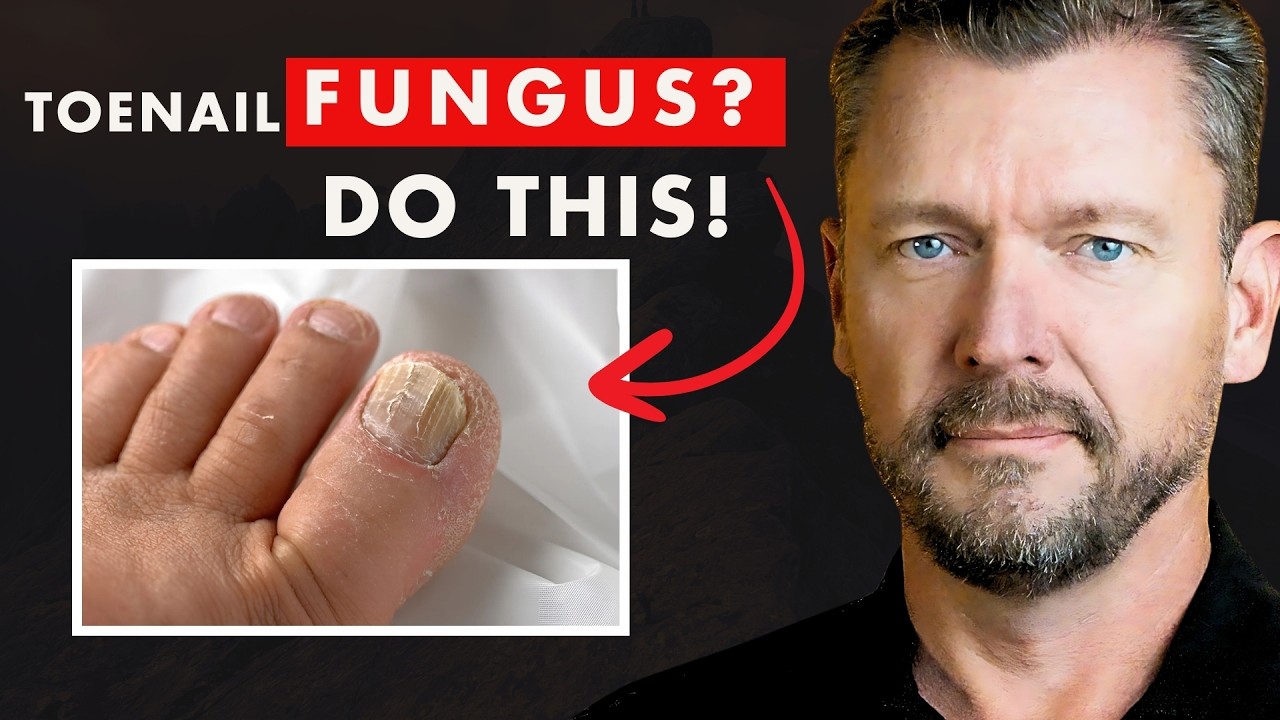
Onychomycosis — fungal infection of the toenail — is caused by dermatophytes (most commonly Trichophyton rubrum), yeasts, or non-dermatophyte molds. The classic appearance is distal subungual onychomycosis: yellow, white, or brown discoloration starting at the free edge and advancing proximally; nail thickening (onychauxis); subungual debris (hyperkeratosis under the nail plate); and nail plate crumbling. The nail is usually not painful unless secondary bacterial infection or severe lateral nail fold involvement is present. Toenail fungus tends to progress slowly over months to years, affecting multiple nails, and is often associated with concurrent athlete’s foot between the toes.
Nail Trauma: Acute and Chronic
Nail trauma can mimic fungal infection convincingly. Acute trauma — dropping something on the toe, jamming the toe, or a sports impact — causes subungual hematoma (blood under the nail), which appears as a dark red, purple, or black discoloration. As the nail grows, the old hematoma area moves distally and can appear brownish or black at the free edge for months. Chronic repetitive trauma — common in runners (the nail repeatedly hitting the front of a shoe), hikers, and workers in tight boots — produces thickening, discoloration, and subungual keratosis that is nearly indistinguishable from onychomycosis by appearance alone.
How We Tell Them Apart
Clinical history is crucial: a runner with one thickened great toenail and no history of athlete’s foot is far more likely to have chronic trauma than onychomycosis. A patient with bilateral fourth and fifth toenail changes plus itchy, scaly skin between the toes almost certainly has fungal disease. Confirmatory testing includes KOH preparation (nail clippings dissolved in potassium hydroxide and examined under a microscope for fungal elements — rapid but less sensitive) and nail culture (the gold standard, but takes 4–6 weeks). PCR testing for fungal DNA is available and provides both sensitivity and rapid results.
Dr. Biernacki recommends confirmation testing before initiating systemic antifungal therapy, which carries hepatotoxicity risk and requires a 3-month course, to avoid unnecessary treatment of trauma-related changes.
Treatment Differences
Confirmed onychomycosis is treated with oral terbinafine (first-line; 250 mg daily for 12 weeks for toenails) with liver function monitoring, or topical efinaconazole or tavaborole for mild cases. Laser treatment is an additional option. Traumatic nail changes are managed by addressing the underlying cause: proper shoe fit, gel toe sleeves, nail trimming technique instruction, and in the case of subungual hematoma, drainage if performed early. Traumatically thickened nails can be reduced with professional debridement for comfort.
More Podiatrist-Recommended Fungus Essentials
Breathable Diabetic Shoe
Orthofeet Sprint — deep, breathable design reduces fungal growth.
Moisture-Wicking Sock


OS1st FS4 — keeps feet dry, eliminating the warm-wet environment fungus needs.
Breathable Recovery Slide
HOKA Ora 3 — lets feet air out after closed-shoe exposure.
As an Amazon Associate, Balance Foot & Ankle earns from qualifying purchases. Product recommendations are based on clinical experience; prices and availability shown above update live from Amazon.

When to See a Podiatrist
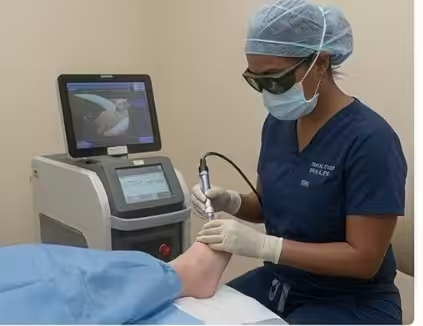
Topicals only penetrate the top 30% of the nail plate — if the fungus is near the cuticle or under 50% of the nail, oral terbinafine or laser is usually required for full clearance. Balance Foot & Ankle offers in-office fungal nail diagnostics and laser treatment that reaches the nail matrix where topicals can’t. We’ll examine the nail and recommend the fastest path to clear, healthy regrowth.
Call Balance Foot & Ankle: (810) 206-1402 · Book online · Offices in Howell & Bloomfield Hills
Frequently Asked Questions
Can a toenail look fungal but not be fungal?
Yes. Studies show approximately 50% of nails that appear fungal are actually due to other causes — most commonly trauma, but also psoriasis, lichen planus, yellow nail syndrome, and medication side effects. A culture or KOH test is the only reliable way to confirm the diagnosis before treating.
Will my toenail go back to normal after trauma?
In many cases yes, once the source of repeated trauma is eliminated (e.g., properly fitted shoes for a runner). A toenail takes approximately 12–18 months to fully grow out, so improvement is slow. If the nail matrix (growth center) has been permanently damaged, the nail may remain dystrophic. A podiatrist can assess whether the matrix is intact.
Is it safe to take oral antifungals without confirming the diagnosis first?
It is not ideal. Oral terbinafine carries a small but real risk of liver enzyme elevation and, rarely, serious hepatotoxicity. Starting a 12-week course of medication for a condition that may be traumatic or psoriatic rather than fungal is unnecessary risk. Confirmation testing is quick and inexpensive compared to the cost of the medication and monitoring labs.
Should I see a podiatrist or dermatologist for nail problems?
Either specialty can diagnose and treat toenail fungus. A podiatrist is the preferred specialist when the problem affects primarily toenails and may have a biomechanical component (e.g., trauma from ill-fitting shoes or a hammer toe causing nail pressure). Dermatologists are excellent when the problem involves fingernails or associated skin conditions like psoriasis or lichen planus.
Before spending months on antifungal medication, get an accurate diagnosis. Schedule an appointment with Dr. Biernacki at Balance Foot & Ankle in Southeast Michigan.
Dr. Tom’s Recommended Products for Toenail Fungus
📍 Located in Michigan?
Our board-certified podiatrists treat this condition at two convenient locations. Same-day appointments often available.
These are products I personally use and recommend to my patients at Balance Foot & Ankle.
- Kerasal Fungal Nail Renewal — Clinically shown to improve nail appearance in 8 weeks — exfoliates infected nail while delivering active antifungal
- Fungi-Nail Anti-Fungal Pen — Delivers undecylenic acid precisely to nail and surrounding skin — convenient pen applicator for daily treatment
- Lamisil AT Antifungal Cream 1% — Terbinafine — the same active ingredient as prescription oral Lamisil, for skin fungal infections around nails
📧 Get Dr. Tom’s Free Lab Test Guide
Discover the 5 lab tests every person over 35 should ask their doctor about — explained in plain English by a board-certified physician.
Affiliate disclosure: As an Amazon Associate, Balance Foot & Ankle earns from qualifying purchases. We only recommend products we trust for our own patients.
Join 950,000+ Learning About Foot Health
Dr. Tom shares honest medical advice, supplement reviews, and treatment guides you won’t find anywhere else.
Subscribe on YouTube →Medically Reviewed by: Dr. Tom Biernacki, DPM — Board-Certified Podiatrist, Balance Foot & Ankle Specialists

Insurance Accepted
BCBS · Medicare · Aetna · Cigna · United Healthcare · HAP · Priority Health · Humana · View All →
Howell Office
4330 E Grand River Ave
Howell, MI 48843
Get Directions →
Bloomfield Hills Office
43494 Woodward Ave, #208
Bloomfield Hills, MI 48302
Get Directions →
Your Board-Certified Podiatrists



Ready to Get Back on Your Feet?
Same-week appointments available at both locations.
Book Your AppointmentDifferential Diagnosis: What Else Could It Be?
Several conditions share symptoms with Toenail Fungus and are commonly misdiagnosed in the first office visit. Considering these alternatives is part of every Balance Foot & Ankle exam:
- Nail psoriasis. Pitting, oil-drop spots, salmon patches — responds to topical steroid, not antifungal.
- Nail trauma (runner’s nail). Subungual hematoma from repetitive impact — shoe fit fix, not antifungal.
- Onychogryphosis. Thickened, ram’s-horn nail of the elderly — debridement, not pills.
If your symptoms don’t fit the textbook pattern, ask your podiatrist which differentials they ruled out — that conversation often shortcuts months of trial-and-error treatment.
In Our Clinic
In our clinic, the toenail fungus patient has usually already tried OTC topical antifungals for months with no improvement. We confirm the diagnosis with a PAS stain or fungal culture — because about 30 % of thickened, discolored nails are actually NOT fungal (they’re trauma, nail psoriasis, or keratin granulation from polish). For true dermatophyte onychomycosis, oral terbinafine (Lamisil) remains the most effective treatment with ~70 % cure rate and manageable safety monitoring. Nail laser and topical efinaconazole are options for patients who can’t take oral medication. The nail grows back clear over 9–12 months, not overnight.
Most Common Mistake We See
The most common mistake we see is: Applying OTC antifungal cream onto a lifted or thickened nail where it can’t penetrate. Fix: oral terbinafine or laser therapy for anything beyond early-stage surface discolouration.
Warning Signs That Need Same-Day Care
Seek immediate evaluation at Balance Foot & Ankle if you experience any of the following:
- Spreading redness or warmth around the nail
- Nail fully lifting from the nail bed
- Diabetes or poor circulation (urgent)
- Odour or purulent discharge
Call (810) 206-1402 — same-day and next-day appointments at our Howell and Bloomfield Hills offices.
In-Office Treatment at Balance Foot & Ankle
When conservative care isn’t enough, Dr. Tom Biernacki and the team at Balance Foot & Ankle offer advanced, same-day options — including Foot Fungus Treatment Michigan at our Howell and Bloomfield Hills clinics.
Same-day appointments available. Call (810) 206-1402 or book online.
Pros & Cons of Conservative Care for toenail conditions
Advantages
- ✓ Most cases resolve at home
- ✓ Same-week appointments available
- ✓ Permanent fix exists
Considerations
- ✗ Recurrence common without prevention
- ✗ Diabetics need professional care
Dr. Tom’s Recommended Products for toenail conditions
Affiliate disclosure: As an Amazon Associate, Balance Foot & Ankle earns from qualifying purchases. We only recommend products we use with patients.
Tolcylen Antifungal Solution Dr. Tom’s Pick
Best for: Most effective topical for fungus
Ready to Get Back on Your Feet?
Same-day appointments in Howell + Bloomfield Hills. Most insurance accepted. Dr. Tom Biernacki, DPM & team.
Book Today — Same-Day Appointments Available
Call Now: (810) 206-1402
About Your Care Team at Balance Foot & Ankle
Dr. Tom Biernacki, DPM · Board-Certified Foot & Ankle Surgeon. Specializes in conservative-first care, minimally invasive bunion surgery, and complex reconstruction.
Dr. Carl Jay, DPM · Accepting new patients. Specializes in sports medicine, athletic injuries, and routine podiatric care.
Dr. Daria Gutkin, DPM, AACFAS · Accepting new patients. Specializes in surgical reconstruction and pediatric podiatry.
Locations: 4330 E Grand River Ave, Howell, MI 48843 · 43494 Woodward Ave Suite 208, Bloomfield Hills, MI 48302
Hours: Mon–Fri 8:00 AM – 5:00 PM · (810) 206-1402
In-Office Treatment at Balance Foot & Ankle
If home treatment isn’t providing relief for your toenail fungus, our podiatry team at Balance Foot & Ankle can help with same-day evaluations and advanced in-office care.
Same-day appointments available. (810) 206-1402
Learn about our laser toenail fungus treatment → | Book online →
Doctor Hoy’s Natural Pain Relief Gel
Natural topical pain relief I use in our clinic. Arnica + camphor formula — apply directly to the area 3–4x daily. ($20–25)
Shop Doctor Hoy’s →Frequently Asked Questions
Which is better for plantar fasciitis?
The shoe with more cushioning and a stronger rocker typically wins for plantar fasciitis. See full comparison for our specific verdict.
Which lasts longer?
Both options typically last 300-500 miles for runners or 9-12 months for daily walkers. Material durability varies; check our detailed comparison.
Which is better for flat feet?
Flat feet need stability or motion control. The neutral option is not ideal unless paired with a custom orthotic.
Our podiatrists treat the underlying cause, not just the symptom. Same-week appointments at our Howell and Bloomfield Hills, Michigan offices.
Ready for Expert Care?
Same-day appointments in Howell & Bloomfield Hills, MI.
4.9★ | 1,123 Reviews | 3,000+ Surgeries
Or call: (810) 206-1402

Dr. Tom Biernacki, DPM is a board-certified foot & ankle surgeon (ABFAS & ABPM) at Balance Foot & Ankle Specialists in Southeast Michigan. With over a decade of clinical experience, he specializes in heel pain, bunions, diabetic foot care, sports injuries, and minimally invasive surgery. Dr. Biernacki is a member of the APMA and ACFAS, and his patient education content on MichiganFootDoctors.com and YouTube has made him one of the most-followed foot & ankle educators on YouTube.