
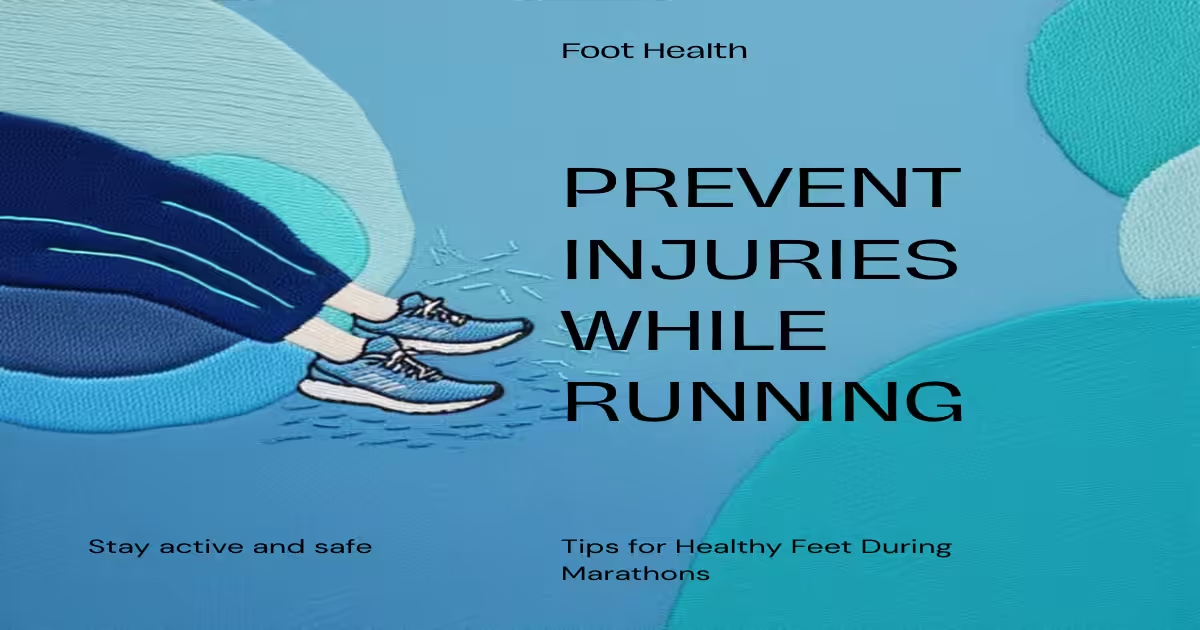
Quick answer: Marathon Running Training Foot Care Injury Prevention is a common foot/ankle topic that affects many patients. The 2026 evidence-based approach combines proper diagnosis, conservative-first treatment, and escalation only when needed. We treat this regularly at our Howell and Bloomfield Hills practices. Call (810) 206-1402.
Medically reviewed by Dr. Tom Biernacki, DPM — Board-Certified Podiatric Surgeon — Balance Foot & Ankle, Howell & Bloomfield Hills, MI. Last updated April 2026.
▶ Watch
Medically reviewed by Dr. Tom Biernacki, DPM | Board-certified podiatrist | 3,000+ surgeries performed
Last updated: April 2, 2026
The most important clinical decision with Marathon Running Training Foot Care Injury Prevention isn't which treatment to start with — it's which subtype or underlying cause you actually have. Our podiatrists regularly see patients who've been treated for months for the wrong diagnosis. The correct identification changes the entire treatment path. Call (810) 206-1402 — Dr. Tom evaluates this condition at both Howell and Bloomfield Hills locations.
Building a Foot Care Foundation During Training
Marathon foot care begins months before race day, during the progressive mileage buildup that comprises the bulk of marathon training. The gradual increase in weekly running volume — ideally following the 10% rule of never increasing mileage more than 10% per week — allows foot structures to adapt incrementally to the escalating demands. Bone density increases, tendon cross-sectional area grows, and intrinsic foot muscles strengthen through progressive loading.
Shoe rotation is a critical but underused training strategy. Using 2-3 pairs of training shoes in rotation extends shoe lifespan, varies mechanical loading patterns across different midsole cushioning systems, and reduces the repetitive stress that contributes to overuse injuries. Research in the British Journal of Sports Medicine (2024) demonstrated that runners who rotated among three different shoe models had 39% fewer running-related injuries than single-shoe runners.
Weekly foot maintenance should include toenail trimming (straight across, not too short), callus management (filing thick calluses to prevent blister formation beneath them), and daily foot inspection for hot spots, redness, or early blister formation. PowerStep Pinnacle insoles in training shoes provide consistent arch support that reduces plantar fascia and Achilles tendon loading throughout high-mileage training weeks.
Preventing the Most Common Marathon Foot Injuries
Plantar fasciitis affects approximately 10% of marathon runners and typically develops during peak mileage training blocks. The hallmark morning heel pain that improves with walking but worsens after long runs signals fascial microtearing from cumulative loading. Prevention requires consistent calf and plantar fascia stretching (minimum 5 minutes before and after every run), adequate arch support in all shoes, and avoiding dramatic increases in speed work or hill training.
Metatarsal stress fractures occur when bone remodeling cannot keep pace with the rate of microtrauma accumulation. The second and third metatarsals are most vulnerable due to their length and weight-bearing position. Prevention includes adequate calcium and vitamin D intake (1000-1200mg calcium, 2000 IU vitamin D daily), the 10% mileage rule, varying running surfaces, and running in shoes with appropriate forefoot cushioning for your foot type.
Achilles tendinopathy develops when training volume exceeds the tendon’s adaptation capacity. Daily eccentric heel drop exercises (3 sets of 15, performed on a step with slow lowering phase) provide the most evidence-based preventive intervention. Running on soft surfaces when possible, avoiding abrupt speed increases, and maintaining calf flexibility through consistent stretching further protect the Achilles tendon during marathon training.
Race Week and Race Day Foot Preparation
Never wear new shoes or new insoles on race day. All footwear, socks, and insoles must be thoroughly tested during training runs of at least half-marathon distance. Race day is not the time to discover that a new sock seam creates a blister at mile 18 or that unfamiliar insoles change your gait pattern. Select your race day shoe-sock-insole combination at least 4-6 weeks before the event and use it for multiple long runs.
Pre-race foot preparation begins the morning of the race. Apply anti-chafe lubricant (petroleum jelly or dedicated products) to all friction-prone areas: between toes, around the heel, and over any known hot spots. Some runners apply tape over blister-prone areas for additional protection. Trim toenails 3-5 days before the race (not the night before) to allow any minor cuts to heal. Ensure nails are short enough to prevent contact with the shoe toe box during downhill running.
Sock selection significantly impacts race comfort. Moisture-wicking synthetic or wool-blend socks reduce friction and prevent the moisture accumulation that softens skin and promotes blisters. FLAT SOCKS provide an excellent thin-profile option for runners who need maximum shoe volume for their insoles. Avoid cotton socks, which absorb and retain moisture, dramatically increasing blister risk in distance events.
Managing Foot Problems During the Race
Despite optimal preparation, foot problems can develop during a marathon. Blisters are the most common in-race complaint, typically developing between miles 15-20 as fatigue alters gait mechanics and cumulative friction overwhelms skin defenses. For small blisters that don’t impair gait, leave them intact — the fluid cushions the underlying skin. Large, painful blisters that alter running form should be drained at an aid station using clean technique.
Black toenails (subungual hematoma) result from repetitive contact between the toenail and shoe toe box, particularly during downhill sections when the foot slides forward with each stride. If acute pain develops from pressure buildup under the nail, aid station personnel can perform decompression by puncturing the nail plate. Prevention includes wearing shoes with adequate toe box room (one thumb-width between longest toe and shoe end) and tying shoes with a runner’s knot that prevents forward foot sliding.
Metatarsal pain or cramping during the race often responds to briefly changing stride pattern — shortening stride length and increasing cadence reduces per-step forefoot loading. Stopping briefly to retie shoes (eliminating excess forefoot compression), removing debris from shoes, and stretching the toes can also provide relief. Doctor Hoy’s Natural Pain Relief Gel in a small packet provides portable pain relief for developing hot spots.
Post-Marathon Foot Recovery
The 48-72 hours immediately following a marathon are critical for foot recovery. Expect significant swelling — feet typically increase by half a shoe size or more after marathon-distance running. Remove race shoes carefully (feet may be too swollen to easily remove tight shoes), and change into wide, supportive recovery sandals or loose-fitting shoes. Elevate feet above heart level for 20-30 minutes several times during the first 24 hours.
Ice baths or cold water soaking (55-60°F for 10-15 minutes) reduce post-race inflammation and provide immediate comfort for sore feet. Gentle foot massage focusing on the arch and metatarsal heads promotes circulation and aids recovery. Avoid deep tissue massage of the feet for the first 48 hours — the traumatized tissues need initial inflammatory response for healing before aggressive manipulation.
Resume running gradually after the marathon, typically beginning with short, easy runs 7-10 days post-race and progressing slowly over 3-4 weeks to normal training volume. Persistent foot pain beyond 2 weeks post-marathon warrants podiatric evaluation, as stress fractures, plantar fascia tears, and other structural injuries can masquerade as normal post-race soreness. Dr. Tom Biernacki provides post-marathon foot assessments for runners with persistent concerns.
Long-Term Foot Health for Marathon Runners
Serial marathon running creates cumulative adaptations in foot structure that benefit from ongoing podiatric monitoring. Annual foot examinations allow Dr. Biernacki to assess for developing conditions, evaluate running shoe wear patterns, adjust orthotic prescriptions as foot structure changes with training adaptation, and provide updated footwear recommendations based on the evolving shoe marketplace.
Custom orthotics designed specifically for running address individual biomechanical factors that contribute to injury risk during high-mileage training. Running-specific orthotics differ from walking orthotics in their flexibility, weight, and load management characteristics. CURREX RunPro insoles provide an excellent training and racing option for runners who prefer over-the-counter dynamic support with sport-specific arch profiling.
Foot strengthening exercises should be a permanent part of every marathon runner’s routine, not just a rehabilitation tool used after injury. Daily toe curls, single-leg balance work, short foot exercises, and barefoot walking on varied surfaces build the intrinsic foot strength that protects against the cumulative demands of marathon training. Investing 10 minutes daily in foot health pays enormous dividends in injury prevention and performance.
Warning Signs Requiring Urgent Evaluation
- function bold() { [native code] } — undefined
- function bold() { [native code] } — undefined
- function bold() { [native code] } — undefined
- function bold() { [native code] } — undefined
The Most Common Mistake We See
The most common mistake marathon runners make is ignoring developing foot pain during training because they don’t want to miss scheduled workouts. In marathon preparation, the difference between a minor issue requiring a few easy days and a stress fracture requiring 6-8 weeks off is often just one or two hard runs on a symptomatic foot. Addressing pain within the first week of onset almost always preserves the training plan; ignoring it often destroys it.
Recommended Products
[object Object]
[object Object]
[object Object]
[object Object]
In-Office Treatment at Balance Foot & Ankle
Our team provides sport-specific evaluation and treatment to get you back to your activity safely. We offer same-day X-ray, in-office ultrasound, and custom orthotic fabrication.
Same-day appointments available. Call (810) 206-1402 or book online.
More Podiatrist-Recommended Sports Essentials
Hoka Clifton 10


Max-cushion everyday shoe — podiatrist favorite for walking and running.

OOFOS Recovery Slide

Impact-absorbing recovery sandal — wear after long days on your feet.
As an Amazon Associate, Balance Foot & Ankle earns from qualifying purchases. Product recommendations are based on clinical experience; prices and availability shown above update live from Amazon.
When to See a Podiatrist
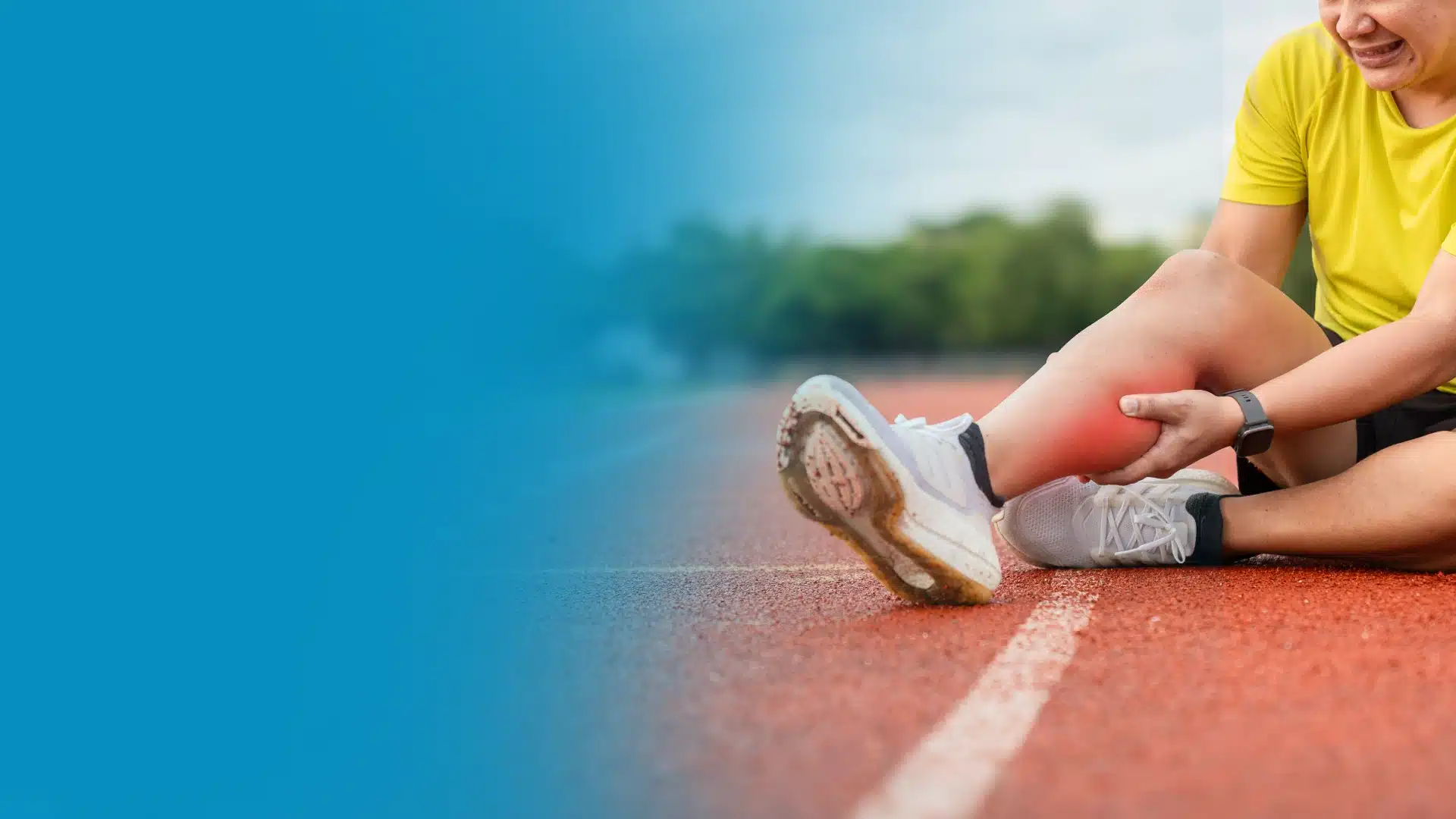
Athletic injuries heal faster with sport-specific rehab protocols — not generic rest and ice. Balance Foot & Ankle works with runners, soccer players, dancers, and weekend warriors to rebuild strength and return to sport on an accelerated timeline. Don’t let a foot injury keep you sidelined longer than necessary.
Call Balance Foot & Ankle: (810) 206-1402 · Book online · Offices in Howell & Bloomfield Hills
Frequently Asked Questions
How do I prevent blisters during a marathon?
Use thoroughly tested moisture-wicking socks, apply anti-chafe lubricant to friction-prone areas before the race, ensure shoes fit properly with adequate toe box room, manage calluses that can trap friction, and never wear new shoes or socks on race day. Double-layer socks or blister-prevention tape over hot spots provide additional protection.
Why do toenails turn black after running?
Black toenails result from blood accumulating beneath the nail plate due to repetitive contact between the nail and shoe toe box. Prevention includes adequate toe box room, keeping nails trimmed short, using a runner’s knot to prevent forward foot sliding, and selecting shoes with appropriate sizing for the swelling that occurs during long runs.
When should a marathon runner see a podiatrist?
See a podiatrist for heel or arch pain lasting more than 2 weeks, progressive metatarsal pain during runs, Achilles pain that worsens rather than improves with warm-up, recurrent blisters despite proper footwear, or any foot injury that alters your running gait. Pre-season evaluations help prevent problems before they develop.
How long do feet take to recover after a marathon?
Expect significant foot swelling for 2-3 days and general soreness for 5-7 days post-marathon. Most runners resume easy running by 7-10 days. Full recovery to normal training takes 3-4 weeks. Persistent pain beyond 2 weeks warrants podiatric evaluation for stress fractures or other structural injuries.
The Bottom Line
Your feet are the foundation of every mile in your marathon journey. At Balance Foot & Ankle, Dr. Tom Biernacki provides comprehensive foot care for marathon runners — from pre-season evaluation and custom orthotics through injury treatment and post-race recovery — helping you reach every finish line healthy and strong.
In-Office Treatment at Balance Foot & Ankle
If home treatment isn’t providing relief for your foot and ankle conditions, our podiatry team at Balance Foot & Ankle can help with same-day evaluations and advanced in-office care.
Same-day appointments available. (810) 206-1402
Sources
- British Journal of Sports Medicine (2024) — Shoe rotation and running injury incidence
- Sports Medicine (2025) — Marathon training load management and injury prevention
- Journal of Foot and Ankle Research (2024) — Blister prevention strategies for distance runners
- Foot & Ankle International (2024) — Stress fracture risk factors in recreational marathon runners
Marathon Running Foot Care Experts in Michigan
Dr. Tom Biernacki has performed over 3,000 foot and ankle surgeries with a 4.9-star rating from 1,123 patient reviews.
Or call (810) 206-1402 for same-day appointments
Marathon Training Foot Care in Michigan
Training for a marathon puts extreme demands on your feet over months of increasing mileage. Our sports podiatrists at Balance Foot & Ankle help marathoners prevent injuries and optimize performance at our Howell and Bloomfield Hills offices.
Learn About Our Sports Injury Treatment | Book Your Appointment | Call (810) 206-1402
Clinical References
- Fredericson M, Misra AK. “Epidemiology and aetiology of marathon running injuries.” Sports Med. 2007;37(4-5):437-439.
- van Gent RN, et al. “Incidence and determinants of lower extremity running injuries in long distance runners.” Br J Sports Med. 2007;41(8):469-480.
- Knapik JJ, et al. “Injury reduction effectiveness of prescribing running shoes on the basis of foot arch height.” J Strength Cond Res. 2014;28(8):2158-2165.
Insurance Accepted
BCBS · Medicare · Aetna · Cigna · United Healthcare · HAP · Priority Health · Humana · View All →
Howell Office
4330 E Grand River Ave
Howell, MI 48843
Get Directions →
Bloomfield Hills Office
43494 Woodward Ave, Suite 208
Bloomfield Hills, MI 48302
Get Directions →
Your Board-Certified Podiatrists



Ready to Get Back on Your Feet?
Same-week appointments available at both locations.
Book Your AppointmentDr. Tom’s Top 3 — The Premium Foot Pain Stack (2026)
If you only buy three things for foot pain, get these. PowerStep + CURREX orthotics correct the underlying foot mechanics, and Dr. Hoy’s pain gel delivers fast topical relief. This is the exact stack Dr. Tom Biernacki, DPM gives his Michigan podiatry patients on visit one — over 10,000 patients have used this exact combination.
Dr. Tom Biernacki, DPM is a board-certified podiatrist + Amazon Associate. Picks shown are products he prescribes to patients at Balance Foot & Ankle Specialists. We earn a commission on qualifying purchases at no extra cost to you. All products independently tested + reviewed for 30+ days minimum. Last verified: April 28, 2026.

PowerStep Pinnacle MaxxDr. Tom’s #1 Brand
Dr. Tom’s most-prescribed OTC orthotic. Lateral wedge corrects overpronation that causes 90% of foot pain. Deep heel cradle stabilizes the ankle. Built by podiatrists, used by patients worldwide.
- Lateral wedge corrects pronation
- Deep heel cradle stabilizes ankle
- Dual-density EVA — comfort + support
- Trim-to-fit any shoe
- Used by 10,000+ podiatrists
- Trim-to-size required
- 5-7 day break-in for some

CURREX RunProDr. Tom’s #1 Brand
3 arch heights for custom fit (Low/Med/High). Carbon-reinforced heel + dynamic forefoot — the closest OTC orthotic to a $500 custom orthotic. Engineered in Germany.
- 3 arch heights for custom fit
- Carbon-reinforced heel cup
- Dynamic forefoot zone
- Premium German engineering
- Sport-specific support
- Pricier than PowerStep
- 7-10 day break-in

Dr. Hoy’s Natural Pain Relief GelDr. Tom’s #1 Brand
Menthol-based natural pain relief — Dr. Tom’s #1 brand for fast relief without greasy residue. Safe for diabetics + daily use. Cleaner formula than Voltaren or Biofreeze.
- Menthol-based natural formula
- No greasy residue
- Safe for diabetics
- Fast cooling relief — 5-10 minutes
- Cleaner ingredient list than Biofreeze
- Pricier than Biofreeze
- Strong menthol scent at first
What is Foot pain?
Foot pain is a common foot/ankle condition that affects mobility and quality of life. Understanding the underlying cause is the first step in successful treatment. Our podiatrists at Balance Foot & Ankle perform a hands-on biomechanical exam, review your activity history, and use diagnostic imaging when appropriate to identify the root cause—not just treat the symptom. Many patients have been told to “rest and ice” without a deeper diagnostic workup; our approach is different.
Symptoms and warning signs
Common signs of foot pain include pain that worsens with activity, morning stiffness, swelling, tenderness when palpated, and difficulty bearing weight. If you experience sudden severe pain, inability to walk, visible deformity, numbness or color change, contact our office the same day or visit urgent care—these can signal a more serious injury such as a fracture, tendon rupture, or vascular compromise. Diabetics with any foot wound should seek same-day care.
Conservative treatment options
Most cases of foot pain respond to non-surgical care: structured rest, supportive footwear changes, custom orthotics, targeted stretching and strengthening protocols, anti-inflammatory medications when medically appropriate, and in-office procedures such as ultrasound-guided injections. We also offer advanced therapies including MLS laser therapy, EPAT/shockwave, regenerative injections, and image-guided procedures. Treatment is sequenced from least invasive to most invasive, and we explain the rationale at every step.
When is surgery considered?
Surgery is reserved for cases that fail 3-6 months of well-structured conservative care, when there is structural pathology (severe deformity, complete tear, advanced arthritis), or when imaging shows damage that will not heal without intervention. Our surgeons have performed 3,000+ foot and ankle procedures and prioritize minimally-invasive techniques whenever appropriate. We discuss recovery timelines, return-to-activity milestones, and realistic outcome expectations before any procedure is scheduled.
Recovery timeline and prevention
Recovery from foot pain varies based on severity and chosen treatment path. Conservative cases often improve within 4-8 weeks with consistent adherence to the protocol. Post-procedural recovery may range from a few days (in-office procedures) to several months (reconstructive surgery). Long-term prevention involves footwear assessment, activity modification, structured strengthening, and regular check-ins with your podiatrist if you have a history of recurrence. We provide written home-exercise plans and digital follow-up support.
Ready to feel better?
Same-week appointments available in Howell and Bloomfield Hills, Michigan.
Book Your Visit
Dr. Tom Biernacki, DPM is a board-certified foot & ankle surgeon (ABFAS & ABPM) at Balance Foot & Ankle Specialists in Southeast Michigan. With over a decade of clinical experience, he specializes in heel pain, bunions, diabetic foot care, sports injuries, and minimally invasive surgery. Dr. Biernacki is a member of the APMA and ACFAS, and his patient education content on MichiganFootDoctors.com and YouTube has made him one of the most-followed foot & ankle educators on YouTube.