
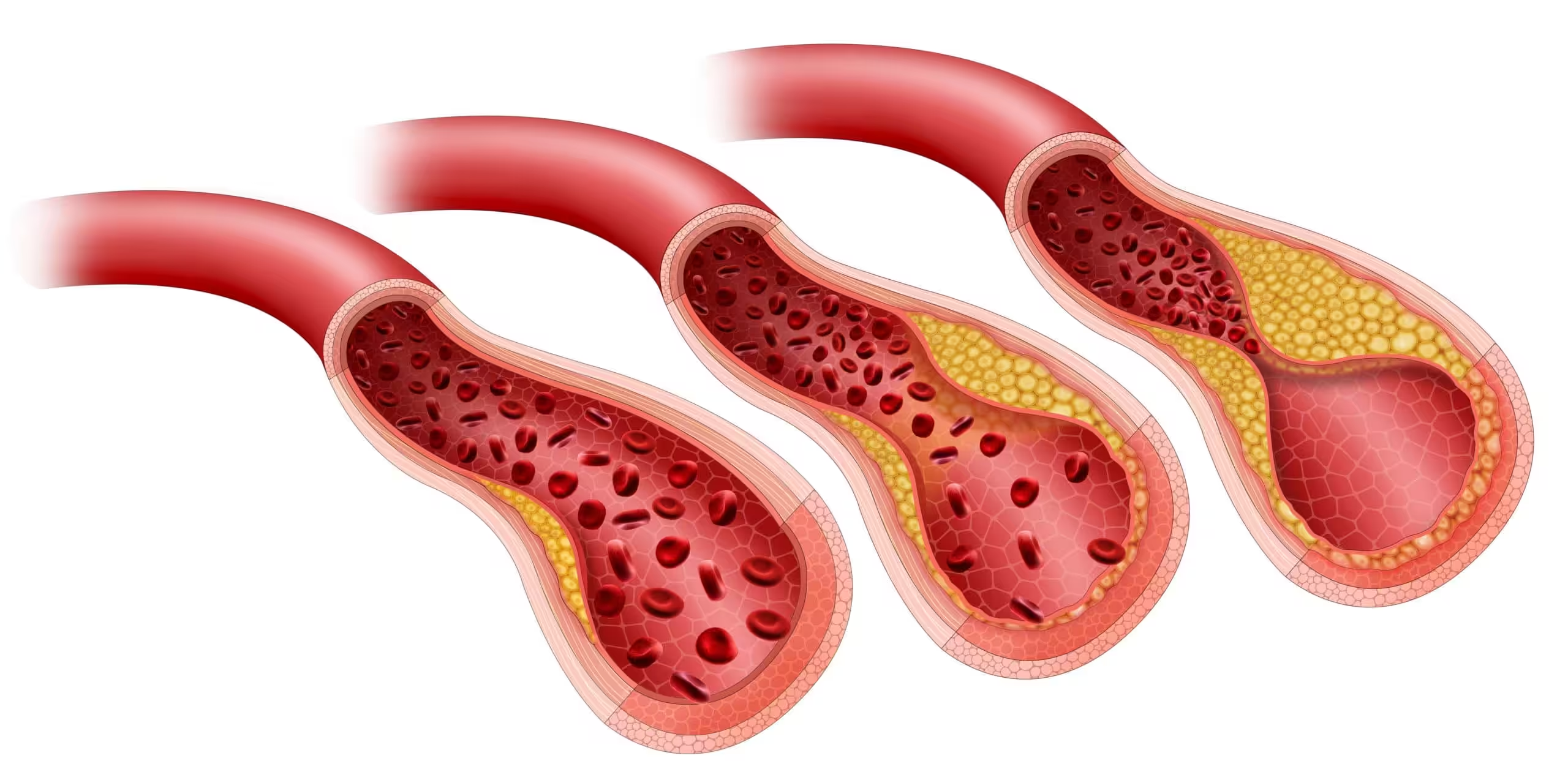
Quick answer: Peripheral Artery Disease Foot Ankle Circulation Michigan is a clinical condition that responds to evidence-based treatment when caught early. Symptoms include pain, swelling, and altered function. Diagnosis requires clinical exam, often imaging. Treatment ladder: conservative care first (4-6 weeks), then targeted interventions if needed. Call (810) 206-1402.
Medically reviewed by Dr. Tom Biernacki, DPM · Board-Certified Podiatric Surgeon · Last reviewed: April 2026 · Editorial Policy
The most important clinical decision with Peripheral Artery Disease Foot Ankle Circulation Michigan isn’t which treatment to start with — it’s identifying the correct subtype. That changes everything. Call (810) 206-1402.
Quick Answer
Peripheral Artery Disease & Foot Circulation Problems M relates to foot pain — typically caused by overuse, footwear, or biomechanics. Most patients improve in 6-12 weeks with conservative care. Same-week appointments in Howell + Bloomfield Hills: (810) 206-1402.
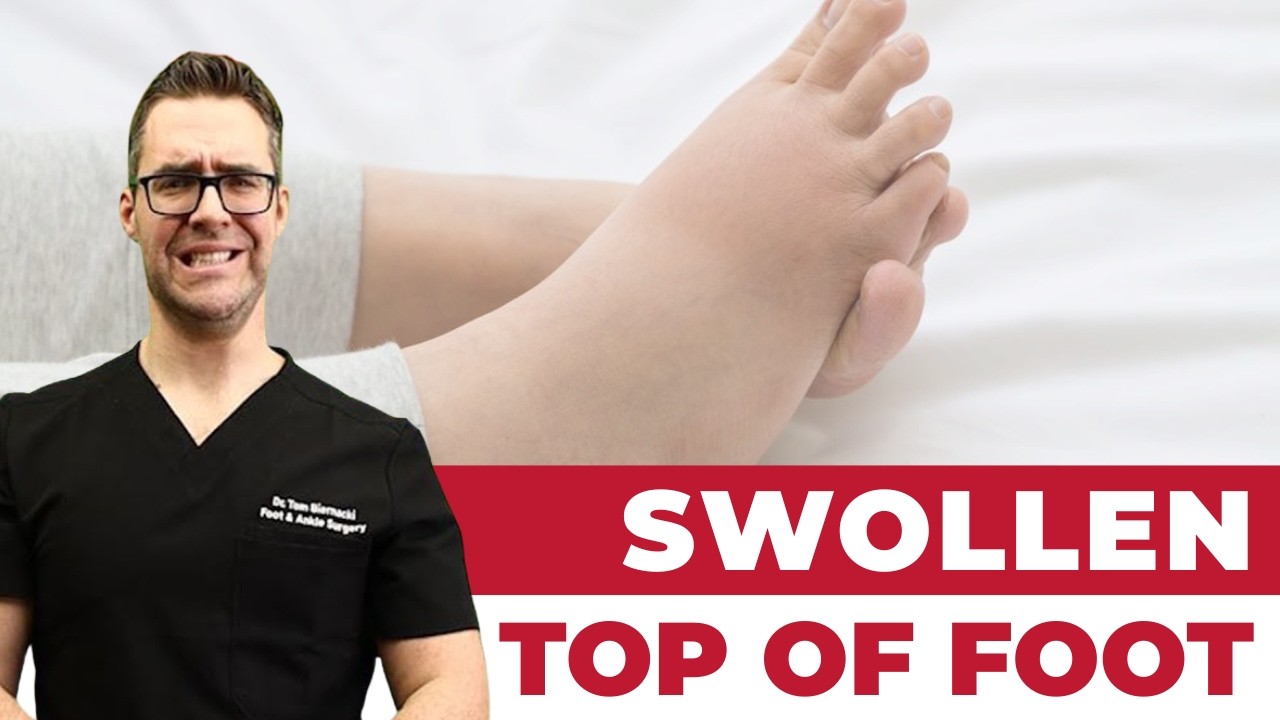
Medically reviewed by Dr. Tom Biernacki, DPM — Board-Certified Podiatric Surgeon — Balance Foot & Ankle, Howell & Bloomfield Hills, MI. Last updated April 2026.
▶ Watch
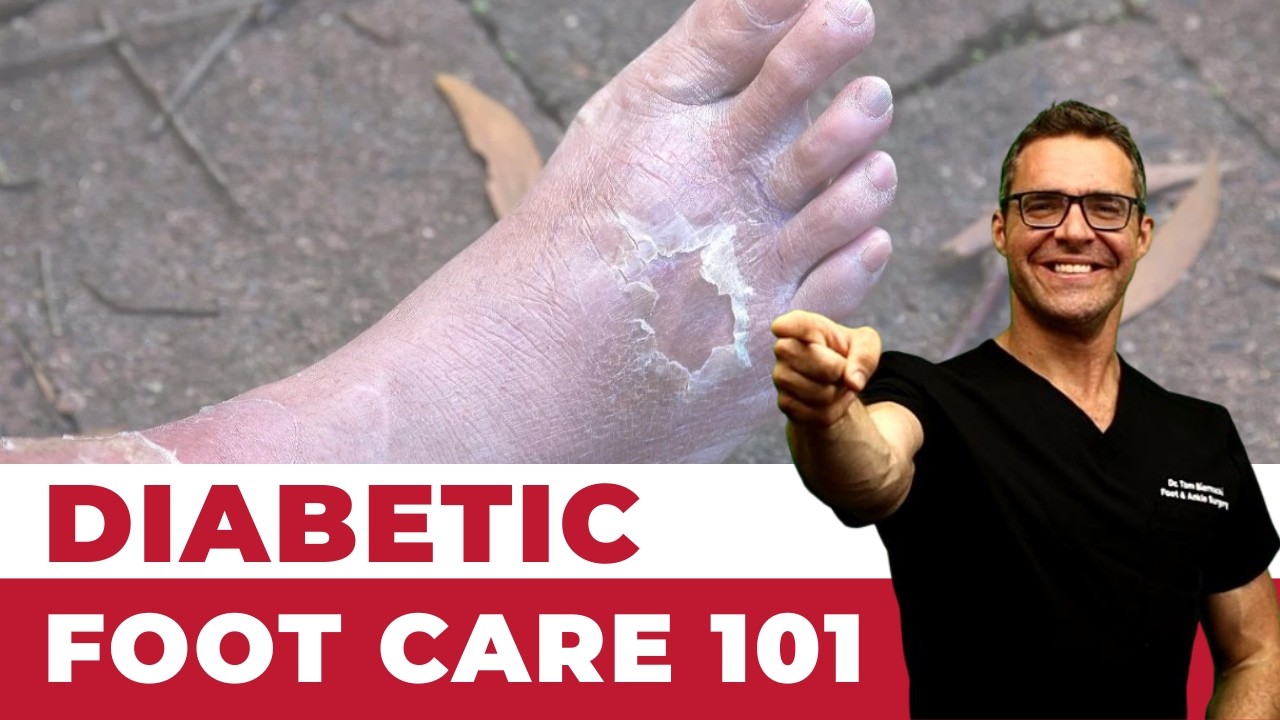
Medically Reviewed by Dr. Tom Biernacki, DPM — Board-Certified Podiatrist, Balance Foot & Ankle Specialists, Michigan. Last updated April 2026.
Peripheral artery disease (PAD) — narrowing of the arteries supplying the legs and feet from atherosclerosis — is a common, serious, and frequently under-recognized condition that profoundly affects foot health. PAD affects approximately 8.5 million Americans over age 40 and is the leading cause of non-traumatic lower extremity amputation when combined with diabetes. At Balance Foot & Ankle, Dr. Tom Biernacki, DPM evaluates and co-manages PAD-related foot complications in Howell and Bloomfield Hills, Michigan. Call (810) 206-1402 to schedule a vascular foot evaluation.
Quick Answer: What Is Peripheral Artery Disease?
Peripheral artery disease is atherosclerotic plaque buildup in the arteries supplying the legs and feet — the same process that causes coronary artery disease in the heart. Reduced arterial blood flow impairs oxygen delivery to foot tissues, slowing wound healing, reducing resistance to infection, and causing ischemic pain. The classic symptom is intermittent claudication — cramping leg pain with walking that resolves with rest. In severe PAD, pain occurs at rest (critical limb ischemia) and wounds that would heal normally in healthy patients become chronic non-healing ulcers in PAD patients. Risk factors: diabetes, smoking, hypertension, hyperlipidemia, age over 50.
How PAD Affects the Foot Specifically
PAD manifests in the foot through several mechanisms. Impaired wound healing: Even minor skin injuries — blisters, callus debridement, ingrown toenail procedures — fail to heal in PAD patients because oxygen delivery to the healing wound is insufficient. Trophic changes: Chronic ischemia produces characteristic skin changes — hairless lower legs and dorsum, shiny atrophic skin, thickened nails, pallor on elevation (Buerger’s test), dependent rubor (redness when foot is in a dependent position). Ischemic ulceration: Punched-out, painful ulcers on the tips of toes, between toes, or at pressure points — distinct from venous ulcers (which are above the ankle, weeping, irregular edges) and diabetic neuropathic ulcers (which are painless, over pressure points, with good surrounding circulation).
Diagnosing PAD: Ankle-Brachial Index and Beyond
The ankle-brachial index (ABI) is the primary screening test — the ratio of systolic blood pressure measured at the ankle to that measured at the arm. Normal ABI: 1.0–1.4. Borderline: 0.91–0.99. Mild PAD: 0.70–0.90. Moderate PAD: 0.40–0.69. Severe/critical limb ischemia: <0.40. Important limitation: ABI is falsely elevated (often >1.4) in diabetics and elderly patients with medial arterial calcification — the vessels are non-compressible. In these patients, toe-brachial index (TBI) — measured with photoplethysmography at the great toe — is a more reliable screening test; normal TBI is ≥0.7.
When ABI or TBI is abnormal, vascular surgery consultation is indicated for formal duplex ultrasound arterial mapping, CT angiography, or magnetic resonance angiography to identify the level and severity of stenosis and determine revascularization candidacy.
Implications for Podiatric Procedures in PAD Patients
Podiatric procedures in PAD patients carry significantly elevated complication risk. Before any elective foot surgery in a patient with PAD risk factors (diabetes, smoking, hypertension, claudication, or abnormal pulses), an ABI measurement is mandatory. Patients with ABI <0.5 or critical limb ischemia should be referred for vascular surgery revascularization before elective podiatric procedures are considered. Even “minor” procedures — ingrown toenail matrixectomy, hammertoe correction, bunion surgery — can result in non-healing wounds and limb-threatening complications in patients with unrecognized severe PAD.
PAD + Diabetes: The Most Dangerous Combination
Diabetes and PAD together create the highest-risk foot environment in medicine. Diabetic neuropathy eliminates pain sensation — the patient cannot feel ischemic rest pain or wound pain. PAD impairs healing. Diabetic immunopathy reduces infection resistance. The result: painless wounds that develop, expand, become infected, and reach bone (osteomyelitis) without the patient being aware. Studies show that combined diabetic PAD patients have a 20× higher major amputation risk than the general population. Annual comprehensive foot examinations with ABI screening for all diabetic patients over 50 — or earlier with risk factors — is the clinical standard of care.
Conservative Management of PAD-Related Foot Problems
For patients with PAD, conservative foot care focuses on: pressure relief and offloading — total contact casting or removable cast walkers for ischemic ulcers; protective footwear — extra-depth therapeutic shoes that eliminate all focal pressure on ischemic skin; moisture management — avoiding maceration between toes (increases infection risk); nail and callus care — regular, careful debridement to prevent callus-related pressure ulcers; and smoking cessation — the single most impactful intervention for PAD progression. MLS laser therapy is used in our clinic to stimulate angiogenesis and wound healing in PAD patients who are not revascularization candidates.
Most Common Mistake with PAD and Foot Health
The most common mistake: attributing leg pain and foot cold intolerance entirely to neuropathy without screening for PAD. Many diabetic patients with concurrent PAD are told their symptoms are “just nerve damage” when the superimposed arterial component is treatable and its treatment would dramatically improve wound healing and quality of life. Any diabetic patient with cold feet, leg pain with walking, hair loss on the dorsum, or shiny atrophic skin should have an ABI measurement — a simple, non-invasive, 10-minute bedside test.
When to Seek Urgent Vascular Evaluation
Seek same-day or emergency evaluation for: rest pain in the foot at night that requires hanging the leg off the bed; a cold, pale, pulseless foot after a period of sitting (acute arterial occlusion — surgical emergency); any non-healing foot wound in a patient with known PAD; or new onset foot discoloration (blue-black toe — acute digital ischemia). Call (810) 206-1402 for urgent evaluation at Balance Foot & Ankle — Howell and Bloomfield Hills, Michigan. We coordinate directly with vascular surgery when emergent revascularization is needed.
🧦 Dr. Tom’s Pick: DASS Medical Compression Socks
📍 Located in Michigan?
Our board-certified podiatrists treat this condition at two convenient locations. Same-day appointments often available.
Medical-grade 15-20 mmHg graduated compression. DASS socks are the brand I recommend most to patients with swollen feet, poor circulation, and post-surgery recovery. Graduated compression means tightest at the ankle, gradually releasing up the leg — promoting upward venous blood flow.
View DASS Compression Socks on Amazon →📧 Get Dr. Tom’s Free Lab Test Guide
Discover the 5 lab tests every person over 35 should ask their doctor about — explained in plain English by a board-certified physician.
Affiliate disclosure: As an Amazon Associate, Balance Foot & Ankle earns from qualifying purchases.
Join 950,000+ Learning About Foot Health
Dr. Tom shares honest medical advice, supplement reviews, and treatment guides you won’t find anywhere else.
Subscribe on YouTube →Ready to Get Expert Foot Care?
Dr. Biernacki and our team at Balance Foot & Ankle are accepting new patients in Howell and Bloomfield Hills, MI. Most insurances accepted.
Book My Appointment →or call (810) 206-1402

Insurance Accepted
BCBS · Medicare · Aetna · Cigna · United Healthcare · HAP · Priority Health · Humana · View All →
Howell Office
4330 E Grand River Ave
Howell, MI 48843
Get Directions →
Bloomfield Hills Office
43494 Woodward Ave, #208
Bloomfield Hills, MI 48302
Get Directions →
Your Board-Certified Podiatrists



Ready to Get Back on Your Feet?
Same-week appointments available at both locations.
Book Your AppointmentMore Podiatrist-Recommended Foot Health Essentials
Top-Rated Arch Support Insole
Universal podiatrist-recommended insert for pain relief and prevention.
Foot Massage Ball
Daily 3-minute roll reduces most forms of foot and heel pain.
Moisture-Wicking Sock
Prevents fungus, blisters, and odor — the basics matter.
As an Amazon Associate, Balance Foot & Ankle earns from qualifying purchases. Product recommendations are based on clinical experience; prices and availability shown above update live from Amazon.
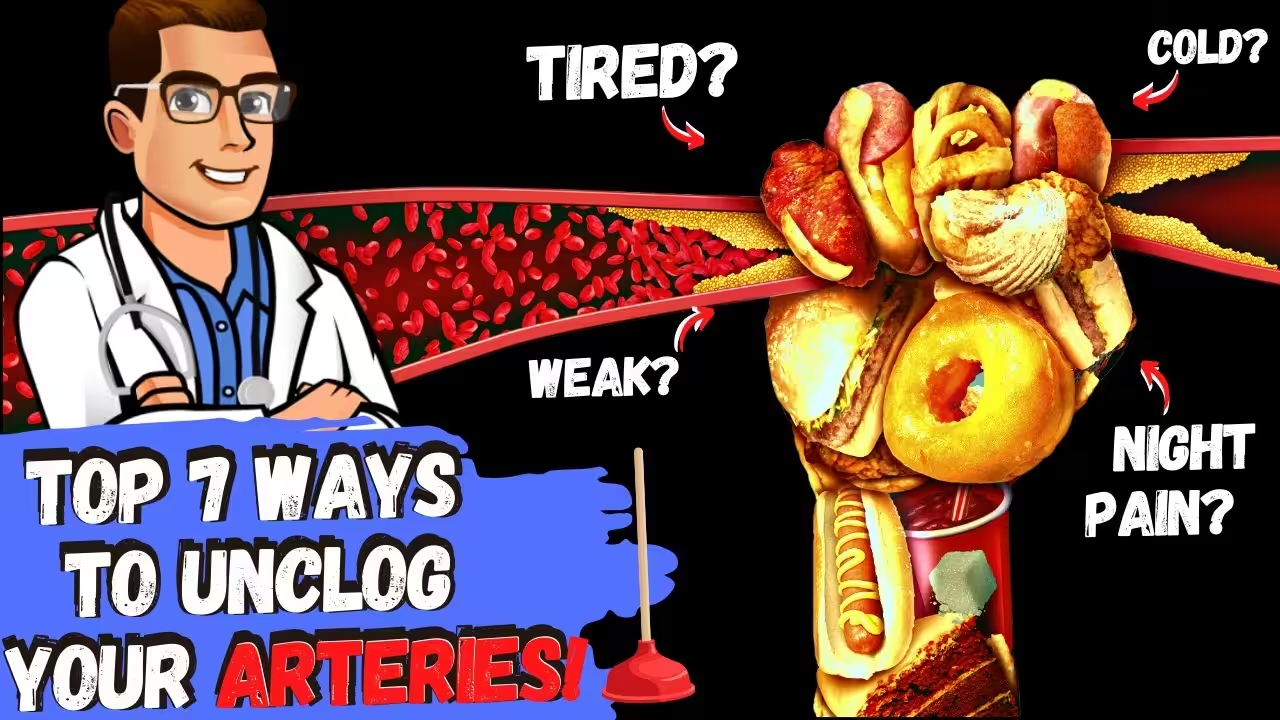

When to See a Podiatrist
If foot or ankle pain has been bothering you for more than a few weeks, home care alone may not be enough. Balance Foot & Ankle offers same-week appointments at our Howell and Bloomfield Hills clinics — no referral needed in most cases. Bring your current shoes and a short list of symptoms and we’ll build you a treatment plan in one visit.
Call Balance Foot & Ankle: (810) 206-1402 · Book online · Offices in Howell & Bloomfield Hills
Pros & Cons of Conservative Care for foot care
Advantages
- ✓ Conservative care first
- ✓ Same-week appointments
- ✓ Multiple insurance accepted
Considerations
- ✗ Self-treatment can mask issues
- ✗ See a podiatrist if pain >2 weeks
Dr. Tom’s Recommended Products for foot care
Affiliate disclosure: As an Amazon Associate, Balance Foot & Ankle earns from qualifying purchases. We only recommend products we use with patients.
Footnanny Heel Cream Dr. Tom’s Pick
Best for: Daily moisturizer for cracked heels
Ready to Get Back on Your Feet?
Same-day appointments in Howell + Bloomfield Hills. Most insurance accepted. Dr. Tom Biernacki, DPM & team.
Book Today — Same-Day Appointments Available
Call Now: (810) 206-1402
About Your Care Team at Balance Foot & Ankle
Dr. Tom Biernacki, DPM · Board-Certified Foot & Ankle Surgeon. Specializes in conservative-first care, minimally invasive bunion surgery, and complex reconstruction.
Dr. Carl Jay, DPM · Accepting new patients. Specializes in sports medicine, athletic injuries, and routine podiatric care.
Dr. Daria Gutkin, DPM, AACFAS · Accepting new patients. Specializes in surgical reconstruction and pediatric podiatry.
Locations: 4330 E Grand River Ave, Howell, MI 48843 · 43494 Woodward Ave Suite 208, Bloomfield Hills, MI 48302
Hours: Mon–Fri 8:00 AM – 5:00 PM · (810) 206-1402
Visit Balance Foot & Ankle — Same-Day Appointments Available
Our podiatry team serves patients throughout Michigan including Howell, Brighton, and Bloomfield Hills. If you’re dealing with heel pain, ingrown toenails, or a foot injury, we have same-day appointment availability.
Same-day appointments available. (810) 206-1402
Doctor Hoy’s Natural Pain Relief Gel
Natural topical pain relief I use in our clinic. Arnica + camphor formula — apply directly to the area 3–4x daily. ($20–25)
Shop Doctor Hoy’s →Frequently Asked Questions
What causes this condition?
Causes include mechanical stress, biomechanical imbalance, age-related changes, and sometimes systemic disease. Our clinical exam plus imaging identifies the specific driver.
Can it go away on its own?
Mild cases sometimes resolve with rest and supportive footwear. Persistent symptoms past 4-6 weeks rarely resolve without active treatment.
Is surgery required?
Most patients resolve with non-surgical care. Surgery is reserved for refractory cases or structural deformity.
Our podiatrists treat the underlying cause, not just the symptom. Same-week appointments at our Howell and Bloomfield Hills, Michigan offices.
Ready for Expert Care?
Same-day appointments in Howell & Bloomfield Hills, MI.
4.9★ | 1,123 Reviews | 3,000+ Surgeries
Or call: (810) 206-1402

Dr. Tom Biernacki, DPM is a board-certified foot & ankle surgeon (ABFAS & ABPM) at Balance Foot & Ankle Specialists in Southeast Michigan. With over a decade of clinical experience, he specializes in heel pain, bunions, diabetic foot care, sports injuries, and minimally invasive surgery. Dr. Biernacki is a member of the APMA and ACFAS, and his patient education content on MichiganFootDoctors.com and YouTube has made him one of the most-followed foot & ankle educators on YouTube.