

Quick answer: Peripheral Neuropathy Foot Care Protecting Feet Cannot Feel is a common foot/ankle topic that affects many patients. The 2026 evidence-based approach combines proper diagnosis, conservative-first treatment, and escalation only when needed. We treat this regularly at our Howell and Bloomfield Hills practices. Call (810) 206-1402.
Medically reviewed by Dr. Tom Biernacki, DPM — Board-Certified Podiatric Surgeon — Balance Foot & Ankle, Howell & Bloomfield Hills, MI. Last updated April 2026.
Medically Reviewed by Dr. Tom Biernacki, DPM — Board-Certified Podiatrist, Balance Foot & Ankle Specialists, Michigan. Last updated April 2026.
Medical Review
Medically reviewed by Dr. Tom Biernacki, DPM — Board-certified podiatrist specializing in diabetic foot care and peripheral neuropathy management at Balance Foot & Ankle, Southeast Michigan.
Quick Answer
Peripheral neuropathy foot care is about one critical mission: protecting feet you cannot fully feel. When nerve damage reduces or eliminates protective sensation, minor injuries — blisters, cuts, pressure sores, fungal infections — can escalate into ulcers, deep infections, and amputations without you ever feeling pain. Daily foot inspections, proper footwear, moisture management, and regular podiatric care form the defense system that keeps neuropathic feet healthy and intact.
Table of Contents
- Understanding Peripheral Neuropathy
- Why Neuropathic Feet Are at Risk
- Types of Peripheral Neuropathy Affecting Feet
- Daily Foot Inspection Protocol
- Proper Footwear for Neuropathic Feet
- Moisture and Skin Care Management
- Safe Nail Care
- Temperature Protection
- Exercise With Peripheral Neuropathy
- Fall Prevention Strategies
- When to See a Podiatrist
- Recommended Protection Products
- Most Common Mistake
- Warning Signs
- Frequently Asked Questions
- Sources
- Schedule Your Appointment
This page contains affiliate links. We may earn a small commission at no extra cost to you. We only recommend products we clinically trust. Full disclosure.
Understanding Peripheral Neuropathy
If you have been told you have peripheral neuropathy and are worried about what that means for your feet, you are right to take it seriously — and we are here to help you build the daily habits that protect your feet for decades to come. Neuropathy does not have to lead to wounds, infections, or amputations. The patients who do best are the ones who learn the rules and follow them every single day.
Peripheral neuropathy is damage to the nerves outside the brain and spinal cord, most commonly affecting the longest nerves first — which means the feet and toes are typically the earliest and most severely affected areas. The damage may involve sensory nerves (causing numbness, tingling, burning, or loss of protective sensation), motor nerves (causing muscle weakness, toe deformities, and gait instability), or autonomic nerves (causing dry skin, reduced sweating, and impaired blood flow regulation).
Diabetes mellitus is the most common cause, responsible for approximately 60–70 percent of peripheral neuropathy cases. Other causes include alcohol use, chemotherapy, vitamin B12 deficiency, autoimmune conditions, kidney disease, thyroid dysfunction, and idiopathic neuropathy (no identifiable cause in approximately 25 percent of cases). Regardless of the cause, the foot care principles are the same — protect what you cannot feel.
Why Neuropathic Feet Are at Risk
The foot’s vulnerability in neuropathy comes from the loss of the body’s most important protective mechanism: pain. A person with normal sensation who steps on a pebble, develops a blister, or burns their foot on hot pavement immediately feels pain and takes corrective action. A person with neuropathy may walk on a foreign object for hours, wear a shoe that creates a pressure wound, or sustain a thermal burn without any awareness.
Compounding the sensory loss, motor neuropathy causes intrinsic foot muscle weakness that leads to claw toe and hammertoe deformities — these deformities create bony prominences that concentrate pressure in small areas. Autonomic neuropathy causes anhidrosis (loss of sweating) that leads to dry, cracked skin — and those cracks become entry points for bacteria. The triad of sensory loss, structural deformity, and skin fragility creates the perfect storm for ulceration.
The statistics are sobering: approximately 15–25 percent of people with diabetic neuropathy will develop a foot ulcer in their lifetime, and approximately 20 percent of foot ulcers lead to amputation. But here is the essential counterpoint — studies consistently show that structured daily foot care reduces ulceration risk by 50–60 percent and amputation risk by 45–85 percent. Prevention works.
Types of Peripheral Neuropathy Affecting Feet
Sensory neuropathy is the most clinically significant type for foot health. Symptoms progress from tingling and burning (positive symptoms) to numbness and loss of sensation (negative symptoms). The loss of protective sensation (LOPS) is tested clinically with a 10-gram Semmes-Weinstein monofilament — inability to feel this filament at standard plantar sites indicates high ulceration risk.
Motor neuropathy causes weakness of the intrinsic foot muscles (interossei and lumbricals), leading to imbalanced muscle pull that creates hammertoes, claw toes, and prominent metatarsal heads. These deformities alter pressure distribution during walking and create focal areas of high pressure that are prone to callus formation and subsequent ulceration.
Autonomic neuropathy disrupts the sympathetic nervous system’s regulation of skin moisture and blood flow. Loss of sudomotor function causes dry, cracked, fissured skin that is vulnerable to bacterial entry. Altered microvascular regulation leads to arteriovenous shunting that steals blood from the capillary beds, impairing wound healing and increasing susceptibility to infection.
Daily Foot Inspection Protocol
Daily foot inspection is the single most important habit for preventing neuropathic foot complications. Perform your inspection at the same time every day — bedtime works well because you can examine the feet after removing socks and shoes. Use a mirror, a magnifying glass with a light, or ask a family member to check areas you cannot see (between the toes, bottom of the foot, back of the heel).
Check every surface of both feet for: cuts, scrapes, or puncture wounds (even tiny ones); blisters or areas of redness that suggest pressure; calluses (which indicate friction and high pressure); cracks or fissures (especially around the heels); changes in skin color (white, blue, or dark patches); swelling or changes in foot shape; warmth differences between areas or between feet; toenail changes (thickening, discoloration, ingrown edges); and any drainage, odor, or moisture between the toes.
If you find anything abnormal, do not attempt to treat it yourself with sharp instruments, medicated pads, or over-the-counter chemical treatments. Contact your podiatrist. What seems like a minor issue to someone with normal sensation can be the beginning of a serious problem in a neuropathic foot.
Proper Footwear for Neuropathic Feet
Footwear is the primary barrier between neuropathic feet and injury. Every pair of shoes should be checked inside and out before wearing — run your hand inside each shoe to feel for foreign objects (pebbles, bunched-up socks, rough seams), check the soles for protruding objects, and verify that the insole is flat and properly positioned.
The ideal neuropathic foot shoe has a deep, wide toe box that does not compress the toes, a firm heel counter for stability, a cushioned midsole that absorbs impact, a rocker-bottom sole that reduces forefoot pressure during push-off, adjustable closures (laces or Velcro) to accommodate swelling changes, seamless interior lining to prevent friction, and a removable insole that can be replaced with a custom orthotic.
Medicare covers one pair of diabetic shoes and three pairs of custom inserts annually for patients with diabetes and documented foot risk factors (neuropathy, foot deformity, history of ulceration, poor circulation, previous amputation). This benefit is available through certified diabetic shoe providers and requires a prescription from your treating physician and shoe fitting by a certified pedorthist or podiatrist.
For daily orthotic support, PowerStep Pinnacle Plus orthotic insoles provide the combination of arch support and cushioning that neuropathic feet need. The semi-rigid shell redistributes plantar pressure away from high-risk areas (metatarsal heads, great toe), while the dual-layer cushioning protects thin, fragile neuropathic skin from impact and shear. For patients not yet qualifying for custom diabetic orthotics, PowerStep insoles are the best over-the-counter option we recommend.
Moisture and Skin Care Management
Autonomic neuropathy creates a paradoxical skin care challenge: the skin on the soles and heels becomes excessively dry (from loss of sweating), while the spaces between the toes often become excessively moist (from trapped perspiration and reduced air circulation). Both extremes increase infection risk.
For dry skin: apply a urea-based moisturizer (10–25 percent urea concentration) to the soles, heels, and tops of the feet every night. Avoid applying moisturizer between the toes. Focus on fissures and callused areas. For moist skin between the toes: dry thoroughly after bathing, use lamb’s wool or toe separators to wick moisture, and change socks at midday if needed.
Never soak neuropathic feet in water for extended periods — soaking softens the skin excessively, removes protective oils, and increases maceration risk. Bathe normally and dry feet thoroughly, especially between the toes. Never use heating pads, hot water bottles, or electric blankets directly on neuropathic feet — thermal injury can occur without any sensation of heat.
Safe Nail Care
Toenail care in neuropathic patients requires extra caution because the inability to feel pain means you can cut too deep or into the nail fold without realizing it. Cut toenails straight across (never curved into the corners), file rough edges rather than cutting them, and use nail nippers rather than scissors for thickened nails.
Ideally, neuropathic patients should have their nails trimmed by a podiatrist during regular visits. This is especially important for thickened nails (onychomycosis), ingrown nails, or nails that are difficult to reach. Medicare and most insurance plans cover routine podiatric nail care for patients with neuropathy and documented at-risk foot conditions.
Temperature Protection
Neuropathic feet are vulnerable to both thermal burns (hot pavement, bath water, heating pads, hot car floorboards) and cold injury (frostbite, prolonged cold exposure). Always test bath water temperature with your elbow or a thermometer (below 95°F/35°C). Never walk barefoot outdoors — pavement can reach 150°F+ in summer. Wear insulated shoes or boots in cold weather, and never use electric blankets or heating pads on the feet.
Exercise With Peripheral Neuropathy
Exercise is essential for managing the underlying conditions that cause neuropathy (diabetes, cardiovascular disease) and for maintaining strength and balance that prevent falls. The key is choosing activities that minimize foot trauma while maximizing health benefits.
Low-impact activities are ideal: swimming, cycling, seated resistance training, yoga (with shoes on), and walking on level, smooth surfaces in properly fitted diabetic shoes with orthotic insoles. High-impact activities (running, jumping, court sports) should be approached with extreme caution and only with podiatric clearance, proper footwear, and daily post-exercise foot inspection.
Fall Prevention Strategies
Peripheral neuropathy significantly increases fall risk because of impaired proprioception (position sense), reduced plantar sensation (balance feedback), and motor weakness (decreased ankle stability). Falls are the leading cause of injury in older adults with neuropathy and can result in fractures that require prolonged immobilization — further deconditioning already-at-risk feet.
Prevention strategies include: wearing supportive, non-slip footwear at all times (never barefoot, even indoors), installing nightlights along all pathways, removing loose rugs and tripping hazards, using handrails on all staircases, performing daily balance exercises (single-leg stands, tandem walking), and considering physical therapy for a personalized balance and strength program.
When to See a Podiatrist
Every patient with peripheral neuropathy should see a podiatrist at least every 3–6 months for comprehensive foot examination, risk assessment, nail care, and callus management. More frequent visits (every 1–2 months) are needed for patients with a history of ulceration, amputation, Charcot deformity, or vascular disease. Immediate visits are required for any new wound, skin breakdown, color change, temperature change, or structural change in the foot.
Recommended Protection Products
For daily topical care and pain management of neuropathic burning and discomfort, Doctor Hoy’s Natural Pain Relief Gel provides soothing relief for the burning sensations and muscle aches common in neuropathy patients. The natural arnica and menthol formulation is safe for intact neuropathic skin and provides localized comfort without systemic side effects or drug interactions — important for patients already managing complex medication regimens.
For circulation support and edema management, DASS compression socks provide graduated compression that supports venous return in neuropathic lower extremities. Many neuropathy patients develop dependent edema from autonomic dysfunction and reduced calf muscle pump efficiency. Consistent compression sock use reduces swelling, supports skin integrity, and improves the fit and comfort of diabetic footwear.
Most Common Mistake
🔑 Key Takeaway: The most common mistake with neuropathic foot care is treating the absence of pain as the absence of a problem. When you cannot feel your feet, the only way to detect injuries early is through daily visual inspection and regular professional examination. Patients who skip daily inspections because “nothing hurts” are the patients most likely to discover advanced wounds. Build the inspection habit the same way you build any health habit — tie it to an existing routine (before bed, after your shower), make it non-negotiable, and involve a family member as a backup. The 2 minutes you spend looking at your feet every night can prevent months of wound care — or worse.
Warning Signs
⚠️ Seek Immediate Medical Attention If You Experience:
- Any open wound, blister, or skin break on the foot — even small wounds can rapidly escalate in neuropathic feet
- Red streaks running up from the foot toward the leg — sign of spreading infection (lymphangitis) requiring urgent treatment
- Sudden swelling, warmth, and redness of one foot without injury — possible acute Charcot neuroarthropathy requiring immediate offloading
- Drainage, foul odor, or discoloration of tissue around a wound — signs of deep infection potentially involving bone
- New color changes (black, blue, white) in toes or forefoot — vascular emergency requiring immediate evaluation
Watch: Foot & Ankle Specialist Overview
Dr. Biernacki discusses neuropathic foot care and diabetic limb preservation at Balance Foot & Ankle.
More Podiatrist-Recommended Diabetic Essentials
Diabetic-Approved Walking Shoe
Orthofeet Sprint — seamless, extra-depth, designed for neuropathic feet.
Seamless Diabetic Sock


![Peripheral Neuropathy Home Remedies [Leg & Foot Nerve Pain Treatment]](https://www.michiganfootdoctors.com/wp-content/cache/flying-press/8ef3ff851f04e8721b97630df65b15ff.jpg)
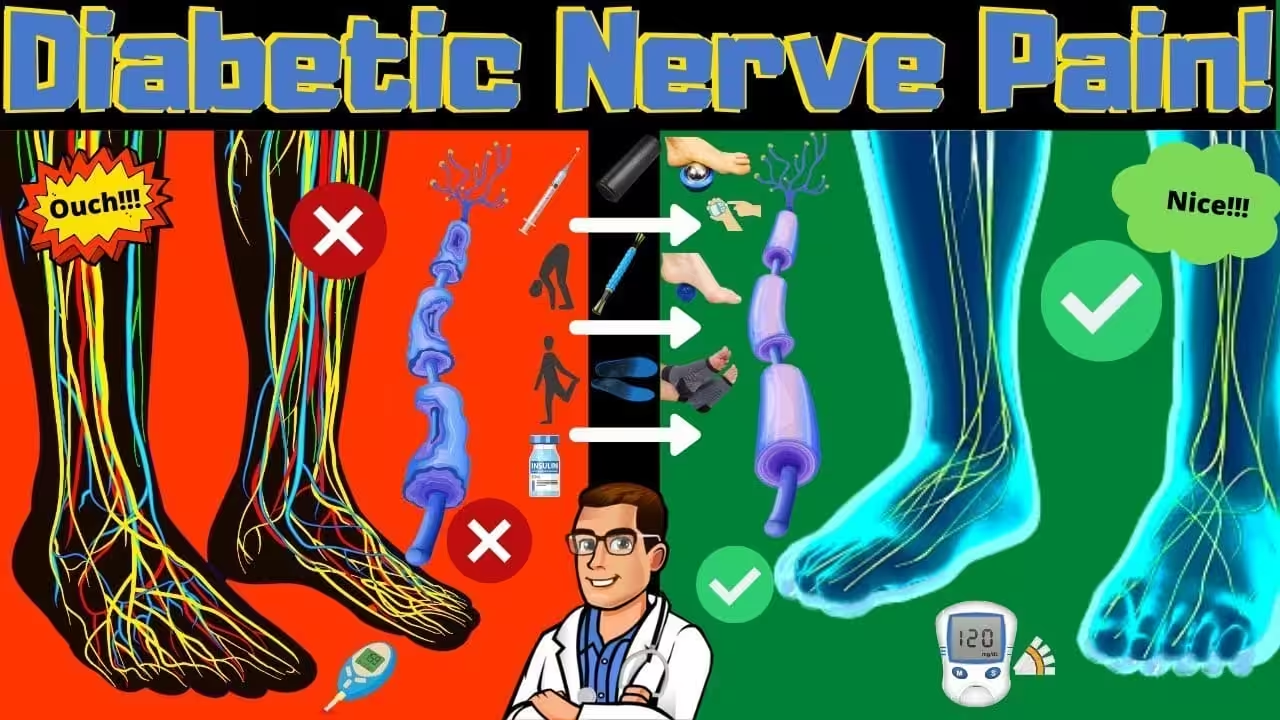
Watch: Peripheral Neuropathy Home Remedies [Leg & Foot Nerve Pain Treatment] — MichiganFootDoctors YouTube
OS1st FS4 — non-binding, moisture-wicking, protects fragile diabetic skin.
Recovery Slide for Indoor Wear
HOKA Ora 3 — protects diabetic feet from barefoot injury at home.
As an Amazon Associate, Balance Foot & Ankle earns from qualifying purchases. Product recommendations are based on clinical experience; prices and availability shown above update live from Amazon.
When to See a Podiatrist
One unnoticed blister on a neuropathic foot can become a limb-threatening ulcer in under 14 days. Medicare covers diabetic shoes (A5500) and comprehensive foot exams annually for most diabetic patients with neuropathy or circulation concerns. Balance Foot & Ankle runs a dedicated diabetic limb-preservation program — vascular screening, offloading, ulcer care, and shoe fitting — all in one visit. Schedule your annual diabetic foot exam today.
Call Balance Foot & Ankle: (810) 206-1402 · Book online · Offices in Howell & Bloomfield Hills
Frequently Asked Questions
Can peripheral neuropathy in the feet be reversed?
In some cases, yes. Neuropathy caused by vitamin B12 deficiency, thyroid dysfunction, or medication side effects may improve or resolve with appropriate treatment of the underlying cause. Diabetic neuropathy can stabilize or improve slightly with tight glucose control (HbA1c below 7 percent), but established nerve damage from long-standing diabetes is rarely fully reversible. The primary goal is to prevent further progression and protect the feet from injury.
How often should I see a podiatrist if I have neuropathy?
Every 3–6 months for comprehensive foot examination, nail care, and callus management. Patients with higher risk factors (prior ulcer, amputation, Charcot deformity, peripheral vascular disease) should be seen every 1–2 months. Medicare covers routine foot care for patients with peripheral neuropathy and documented at-risk conditions.
Is it safe to exercise with peripheral neuropathy?
Yes — exercise is strongly recommended for patients with neuropathy to manage diabetes, cardiovascular risk, and maintain functional strength and balance. Choose low-impact activities (swimming, cycling, walking), wear proper diabetic footwear with orthotic insoles, and inspect your feet before and after every exercise session. Avoid barefoot exercise and activities on uneven terrain.
Should I walk barefoot at home if I have neuropathy?
No — never walk barefoot, even indoors. Neuropathic feet cannot detect small objects (pins, glass, pet toys), temperature extremes (hot tile floors, cold surfaces), or friction from walking on hard surfaces without cushioning. Always wear supportive shoes or slippers with firm soles, even inside the house. This single habit prevents a significant percentage of neuropathic foot injuries.
Does Medicare cover diabetic shoes and insoles?
Yes. The Medicare Therapeutic Shoe Bill covers one pair of diabetic shoes and three pairs of custom inserts annually for patients with diabetes and documented foot risk factors. Your podiatrist or physician provides the prescription, and a certified shoe provider performs the fitting. Some Medicare Advantage plans offer additional footwear benefits.
In Our Clinic
Diabetic neuropathy patients in our clinic often don’t realize they have it until we put a 10-gram Semmes-Weinstein monofilament to the plantar foot and they can’t feel it. Many arrive for an unrelated concern — an ingrown toenail, a callus — and we catch the neuropathy on screening. The conversation then shifts: we need to discuss daily foot inspections, appropriate footwear, the urgency of any blister or open area, and the timing of vascular referral if pulses are diminished. Comprehensive diabetic foot exams are covered by Medicare annually. If you have diabetes, we want to see you once a year even if nothing hurts.
Sources
- Boulton AJM, Vinik AI, Arezzo JC, et al. Diabetic neuropathies: a statement by the American Diabetes Association. Diabetes Care. 2005;28(4):956-962.
- Bus SA, Lavery LA, Monteiro-Soares M, et al. Guidelines on the prevention of foot ulcers in persons with diabetes (IWGDF 2019 update). Diabetes Metab Res Rev. 2020;36(S1):e3269.
- Singh N, Armstrong DG, Lipsky BA. Preventing foot ulcers in patients with diabetes. JAMA. 2005;293(2):217-228.
- Pop-Busui R, Boulton AJM, Feldman EL, et al. Diabetic neuropathy: a position statement by the American Diabetes Association. Diabetes Care. 2017;40(1):136-154.
- Crawford F, Cezard G, Chappell FM, et al. A systematic review and individual patient data meta-analysis of prognostic factors for foot ulceration in people with diabetes. Diabetologia. 2015;58(3):427-439.
Schedule Your Neuropathy Foot Assessment
Protect the feet you cannot feel.
Dr. Biernacki provides comprehensive neuropathic foot assessments, risk stratification, and preventive care plans at Balance Foot & Ankle. Regular podiatric care is the most effective way to prevent ulceration and amputation.
📞 (248) 582-4000 · Southeast Michigan · Most insurances accepted
Related Resources
- Comprehensive Diabetic Foot Care Guide
- Wound Care for Diabetic Foot Ulcers
- Custom Orthotics and Diabetic Shoes
- Charcot Foot Diagnosis and Treatment
- Podiatrist Recommended Foot Care Products
When to See a Podiatrist for Neuropathy
If you have numbness, tingling, or loss of sensation in your feet, regular podiatric care is essential to prevent wounds and complications. At Balance Foot & Ankle, we provide comprehensive neuropathy management at our Howell and Bloomfield Hills offices.
Learn About Our Neuropathy Treatment | Book Your Appointment | Call (810) 206-1402
Clinical References
- Pop-Busui R, Boulton AJM, Feldman EL, et al. “Diabetic neuropathy: a position statement by the American Diabetes Association.” Diabetes Care. 2017;40(1):136-154.
- Boulton AJM, Vileikyte L, Ragnarson-Tennvall G, Apelqvist J. “The global burden of diabetic foot disease.” Lancet. 2005;366(9498):1719-1724.
- Ziegler D, Fonseca V. “From guideline to patient: a review of recent recommendations for pharmacotherapy of painful diabetic neuropathy.” Journal of Diabetes and Its Complications. 2015;29(1):146-156.
Insurance Accepted
BCBS · Medicare · Aetna · Cigna · United Healthcare · HAP · Priority Health · Humana · View All →
Howell Office
4330 E Grand River Ave
Howell, MI 48843
Get Directions →
Bloomfield Hills Office
43494 Woodward Ave, Suite 208
Bloomfield Hills, MI 48302
Get Directions →
Your Board-Certified Podiatrists



Ready to Get Back on Your Feet?
Same-week appointments available at both locations.
Book Your AppointmentWatch: Protecting Feet You Cannot Feel
Dr. Tom on neuropathy foot protection — daily visual inspection, shake shoes before wear, never barefoot, water-temperature checks, callus management, preventing first ulcer.

Neuropathy Foot Protection Kit
If you can’t feel it, you must see it. Dr. Tom’s kit:
As an Amazon Associate, Balance Foot & Ankle earns from qualifying purchases. This supports our free patient education content.
Pressure-redistribution prevention.
B12/methylfolate nerve support.
Prevention of undetected sprains.
Topical adjunct for burning pain.
Related: Neuropathy Treatment · Diabetic Foot Care · Book Neuropathy Eval
In-Office Treatment at Balance Foot & Ankle
When conservative care isn’t enough, Dr. Tom Biernacki and the team at Balance Foot & Ankle offer advanced, same-day options — including Peripheral Neuropathy Treatment Michigan at our Howell and Bloomfield Hills clinics.
Same-day appointments available. Call (810) 206-1402 or book online.
When Shoes Aren’t Enough — Dr. Tom’s Top 9 Orthotics
About 30% of patients I see for foot pain need MORE than a great shoe — they need a structured insole. Below: my complete 2026 orthotic ranking with pros, cons, and the specific patient I’d give each one to.
★ DR. TOM’S COMPLETE 2026 ORTHOTIC RANKING
9 Best Prefab Orthotics by Use Case
PowerStep, Currex, Spenco, Vionic, and Superfeet — every orthotic I’ve fitted to thousands of patients across both Michigan offices. Each card includes pros, cons, and the specific patient I’d give it to. Real Amazon ratings, review counts, and prices below.
Best All-Purpose Orthotic for Most Patients
Semi-rigid arch shell + dual-layer cushion + deep heel cup. The orthotic I’ve fitted to more patients than any other for 15 years. APMA-accepted. Trim-to-fit design works in athletic shoes, casual shoes, and most work boots.

✓ Pros
- Semi-rigid arch shell provides true biomechanical correction
- Deep heel cup centers the heel and reduces lateral instability
- Dual-layer cushion (top + bottom) lasts 9-12 months daily wear
- Available in 8 sizes for precise fit
- APMA-accepted and clinically validated
- Lower price than Superfeet Green for equivalent function
✗ Cons
- Too thick for most dress shoes (use ProTech Slim instead)
- Some break-in period required (3-7 days for arch tolerance)
- Not enough correction for severe pes planus or rigid pes cavus
Dr. Tom’s Recommendation: If a patient has run-of-the-mill plantar fasciitis, mild flat feet, or arch fatigue, this is the first orthotic I try. Better value than Superfeet for 90% of patients, which is why I swapped it into our clinic kits three years ago. Sub-$50 typically.
Maximum Motion Control · Flat Feet & Severe Over-Pronation
PowerStep’s most aggressive stability orthotic. Adds a 2°-7° medial heel post on top of the standard PowerStep platform — designed specifically for flat-footed patients and severe pronators who need real corrective force.

✓ Pros
- 2°-7° medial heel post adds aggressive pronation control
- Same trusted PowerStep arch shell, more correction
- Built specifically for flat-foot biomechanics
- Excellent for posterior tibial tendon dysfunction (PTTD)
- Removable top cover for cleaning
✗ Cons
- Too aggressive for neutral-arch patients
- Needs longer break-in (10-14 days) due to stronger correction
- Adds 2-3 mm of stack height — won’t fit slim dress shoes
Dr. Tom’s Recommendation: When a patient comes in with significant flat feet AND symptoms (heel pain, arch pain, knee pain), the Original PowerStep isn’t aggressive enough. The Maxx is what gets prescribed. About 25% of my flat-footed patients end up here.
Low-Profile · Fits Dress Shoes & Narrow Casuals
3 mm slim profile with podiatrist-designed tri-planar arch technology. Engineered specifically to fit inside dress shoes, oxfords, loafers, and women’s flats without crowding the toe box. Vionic was founded by an Australian podiatrist.
✓ Pros
- 3 mm slim profile (vs 7-10 mm for standard orthotics)
- Tri-planar arch technology adds support without bulk
- Built-in deep heel cup despite slim design
- Fits dress shoes WITHOUT having to remove the factory insole
- Trim-to-fit · APMA-accepted
✗ Cons
- Less arch support than full-volume orthotics
- Top cover wears faster than thicker alternatives
- Not enough correction for severe foot deformities
Dr. Tom’s Recommendation: My default when a patient says ‘I need orthotics but I have to wear dress shoes for work.’ Slim enough to fit in oxfords and pumps without the heel sliding out. The single highest-impact change you can make for office workers with foot pain.
Built-In Metatarsal Pad · Morton’s Neuroma · Ball-of-Foot Pain
Standard Pinnacle orthotic with a built-in metatarsal pad positioned proximal to the metatarsal heads — the exact location that offloads neuromas and metatarsalgia. No need for separate met pads or pad placement guesswork.

✓ Pros
- Built-in met pad eliminates DIY pad placement errors
- Specifically designed for Morton’s neuroma + metatarsalgia
- Same trusted PowerStep arch + heel cup platform
- Top cover protects sensitive forefoot skin
- Faster relief than orthotics + add-on met pads
✗ Cons
- Met pad position is fixed (can’t fine-tune individual placement)
- Some patients with very small or very large feet need custom
- Slightly thicker than the standard Pinnacle
Dr. Tom’s Recommendation: If a patient has Morton’s neuroma, sesamoiditis, or generalized ball-of-foot pain (metatarsalgia), this saves a clinic visit and a prescription. The built-in pad placement is anatomically correct for 80% of feet. Way better than DIY met pads.
Adaptive Dynamic Arch · Athletic & Daily Wear
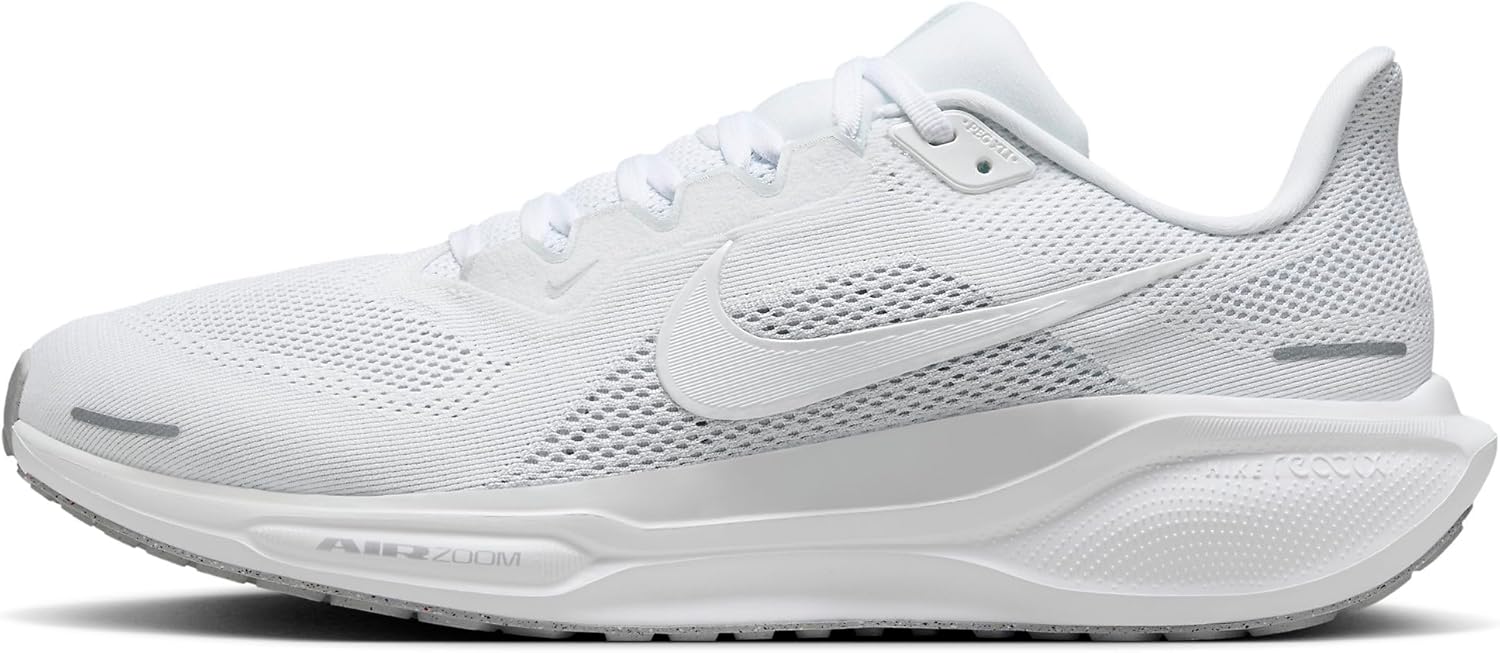
Currex’s flagship adaptive arch technology — the orthotic flexes with your gait instead of fighting it. Different stiffness zones along the length give you targeted support at the heel, midfoot, and forefoot. Available in three arch heights (low/medium/high).
✓ Pros
- Dynamic flex zones adapt to natural gait cycle
- Three arch heights ensure precise fit
- Lighter than rigid orthotics (no ‘heavy foot’ feel)
- Excellent for runners and athletic walkers
- European podiatric design (German engineering)
✗ Cons
- More expensive than PowerStep Original ($55-65 typically)
- Less aggressive correction than Pinnacle Maxx for severe cases
- Three arch heights means you must self-select correctly
Dr. Tom’s Recommendation: I started recommending Currex three years ago for runners who said PowerStep felt ‘too rigid.’ The dynamic flex zones respect natural gait. Best for active patients who walk 8K+ steps daily and don’t need maximum motion control.
Running-Specific · Heel Strike + Forefoot Strike Compatible
Currex’s purpose-built running orthotic. The midfoot flex zone is positioned for runner’s gait mechanics, with a flared heel cushion for heel strikers and a forefoot rocker for midfoot/forefoot strikers. Tested on 1000+ runners during product development.
✓ Pros
- Designed by German biomechanics lab specifically for runners
- Dynamic arch flexes with running gait (not static like PowerStep)
- Three arch heights (low/medium/high)
- Reduces overuse injury risk in mid-distance runners
- Lightweight (no impact on cadence)
✗ Cons
- Premium price ($60-75)
- Not aggressive enough for severe over-pronators (use Pinnacle Maxx)
- Runner-specific design = less ideal for daily walking shoes
Dr. Tom’s Recommendation: If a patient runs 20+ miles per week and has plantar fasciitis or shin splints, this is the orthotic I prescribe. The dynamic flex zones respect running biomechanics in a way that no rigid PowerStep can match. Pricier but worth it for serious runners.
Cavus Foot & High-Arch Patients
Polyurethane base with a deeper heel cup and higher arch profile than PowerStep — built for cavus (high-arched) feet that need maximum cushion and support. The 5-zone cushioning system addresses the unique pressure points of high-arch feet.

✓ Pros
- Deeper heel cup centers the heel for cavus foot stability
- Higher arch profile fills the void under high arches
- 5-zone cushioning addresses cavus foot pressure points
- Polyurethane base lasts 12+ months
- Available in Wide width
✗ Cons
- Too tall/aggressive for normal or low arches
- Won’t fit slim dress shoes
- Pricier than PowerStep Original
- Some patients find the arch height uncomfortable initially
Dr. Tom’s Recommendation: Cavus foot patients are often misdiagnosed and given low-arch orthotics — that makes everything worse. Spenco’s Total Support has the arch profile that high-arch feet actually need. About 15% of my patients have cavus feet; this is what they wear.
Cushion Layer · Standing All Day · Gel Pressure Relief
NOT a true biomechanical orthotic — this is a cushion insole. But for patients who want gel pressure relief instead of arch correction (or to add ON TOP of factory insoles in work boots), this is the best gel option on Amazon.

✓ Pros
- Genuine gel cushioning (not foam pretending to be gel)
- Targeted gel waves under heel and ball of foot
- Trim-to-fit · works in most shoe types
- Sub-$15 price (most affordable option in this list)
- Massaging texture is genuinely soothing
✗ Cons
- ZERO arch support — this is cushion only
- Won’t fix plantar fasciitis or flat-foot issues
- Compresses faster than PowerStep (4-6 months)
- Top cover wears through in high-mileage applications
Dr. Tom’s Recommendation: I recommend these to patients who tell me ‘I just want my feet to stop hurting at the end of my shift’ and who don’t have a biomechanical issue. Construction workers, factory workers, retail. Pure cushion does the job for them.
Tight-Fitting Shoes · Cycling Shoes · Hockey Skates
Superfeet’s slim version of their famous Green insole. The trademark stabilizer cap is preserved but the overall thickness is reduced — works in cycling shoes, hockey skates, ski boots, and other tight-fitting footwear that the standard Superfeet Green can’t fit into.

✓ Pros
- Stabilizer cap centers the heel (Superfeet’s signature feature)
- Slim profile fits tight athletic footwear
- Lasts 12+ months daily wear
- Excellent for cycling shoes specifically
- Built-in odor-control treatment
✗ Cons
- Premium price ($45-55)
- Less cushion than PowerStep equivalents
- Not as aggressive correction as Pinnacle Maxx for flat feet
- The signature ‘heel cup feel’ takes 1-2 weeks to adapt to
Dr. Tom’s Recommendation: If you’re a cyclist with foot numbness, hot spots, or knee pain — this is the orthotic. The stabilizer cap solves cycling-specific biomechanical issues that no other orthotic addresses. Worth the premium for athletes.
None of these solving your foot pain?
Some patients (about 30%) need custom-molded prescription orthotics. We make 3D-scanned custom orthotics in our Howell and Bloomfield Hills offices — specifically built for your foot mechanics.
Schedule a Custom Orthotic Fitting →FSA/HSA eligible · Most insurance accepted · (810) 206-1402
In-Office Treatment at Balance Foot & Ankle
If home treatment isn’t providing relief for your neuropathy, our podiatry team at Balance Foot & Ankle can help with same-day evaluations and advanced in-office care.
Same-day appointments available. (810) 206-1402
Frequently Asked Questions
When should I see a podiatrist?
If symptoms persist past 2 weeks, affect your normal activity, or are accompanied by red-flag symptoms (warmth, redness, swelling, inability to bear weight).
What does treatment cost?
Most diagnostic visits and conservative treatments are covered by Medicare and major insurers. Out-of-pocket costs vary by your specific plan.
How quickly can I get an appointment?
Most non-urgent cases see us within 5 business days. Urgent cases (sudden pain, possible fracture) typically same or next business day.
What is Neuropathy?
Neuropathy is a common foot/ankle condition that affects mobility and quality of life. Understanding the underlying cause is the first step in successful treatment. Our podiatrists at Balance Foot & Ankle perform a hands-on biomechanical exam, review your activity history, and use diagnostic imaging when appropriate to identify the root cause—not just treat the symptom. Many patients have been told to “rest and ice” without a deeper diagnostic workup; our approach is different.
Symptoms and warning signs
Common signs of neuropathy include pain that worsens with activity, morning stiffness, swelling, tenderness when palpated, and difficulty bearing weight. If you experience sudden severe pain, inability to walk, visible deformity, numbness or color change, contact our office the same day or visit urgent care—these can signal a more serious injury such as a fracture, tendon rupture, or vascular compromise. Diabetics with any foot wound should seek same-day care.
Conservative treatment options
Most cases of neuropathy respond to non-surgical care: structured rest, supportive footwear changes, custom orthotics, targeted stretching and strengthening protocols, anti-inflammatory medications when medically appropriate, and in-office procedures such as ultrasound-guided injections. We also offer advanced therapies including MLS laser therapy, EPAT/shockwave, regenerative injections, and image-guided procedures. Treatment is sequenced from least invasive to most invasive, and we explain the rationale at every step.
When is surgery considered?
Surgery is reserved for cases that fail 3-6 months of well-structured conservative care, when there is structural pathology (severe deformity, complete tear, advanced arthritis), or when imaging shows damage that will not heal without intervention. Our surgeons have performed 3,000+ foot and ankle procedures and prioritize minimally-invasive techniques whenever appropriate. We discuss recovery timelines, return-to-activity milestones, and realistic outcome expectations before any procedure is scheduled.
American Podiatric Medical Association: Neuropathy
Recovery timeline and prevention
Recovery from neuropathy varies based on severity and chosen treatment path. Conservative cases often improve within 4-8 weeks with consistent adherence to the protocol. Post-procedural recovery may range from a few days (in-office procedures) to several months (reconstructive surgery). Long-term prevention involves footwear assessment, activity modification, structured strengthening, and regular check-ins with your podiatrist if you have a history of recurrence. We provide written home-exercise plans and digital follow-up support.
Ready to feel better?
Same-week appointments available in Howell and Bloomfield Hills, Michigan.
Book Your VisitGet Expert Care at Balance Foot & Ankle
Same-week appointments at our Howell and Bloomfield Hills offices. Board-certified podiatric surgeons. Most insurance accepted.

Dr. Tom Biernacki, DPM is a board-certified foot & ankle surgeon (ABFAS & ABPM) at Balance Foot & Ankle Specialists in Southeast Michigan. With over a decade of clinical experience, he specializes in heel pain, bunions, diabetic foot care, sports injuries, and minimally invasive surgery. Dr. Biernacki is a member of the APMA and ACFAS, and his patient education content on MichiganFootDoctors.com and YouTube has made him one of the most-followed foot & ankle educators on YouTube.