
| Diagnosis | Location | Classic Feature | Trigger | Treatment |
|---|---|---|---|---|
| Bunionette (tailor’s bunion) | Outer 5th metatarsal head | Bony prominence; lateral shoe pressure | Narrow shoes; hereditary | Wide toe-box shoe; padding; cortisone; surgery |
| 5th toe corn (hard) | Dorsal-lateral tip or PIP joint | Hard, nucleated skin; point tenderness | Shoe pressure on prominent joint | Padding; debridement; wide shoe |
| 5th toe fracture | Proximal phalanx or metatarsal base | Swelling, bruising, immediate pain after stub or roll | Direct impact; inversion | Buddy tape; stiff shoe; X-ray to confirm |
| Ingrown 5th toenail | Lateral nail border 5th toe | Redness, swelling, drainage at nail edge | Tight shoes; improper trimming | Soaks; partial nail avulsion if infected |
| 5th toe hammertoe | PIP joint 5th toe | Buckled toe; corn on top; shoe friction | Chronic shoe compression | Padded splint; wide toe-box; surgery if rigid |
| Peroneal nerve branch irritation | Dorso-lateral foot / 5th toe | Burning / tingling lateral toe and foot | Tight shoe; prior ankle sprain | Loosen shoes; padding; nerve gliding |
| 5th Toe Fracture Type | Location | Treatment | Weight-Bearing |
|---|---|---|---|
| Proximal phalanx (stub fracture) | Base of 5th toe | Buddy tape 3–4 weeks; stiff shoe | Immediate with wide shoe |
| 5th metatarsal avulsion (styloid) | Base of 5th metatarsal | Walking boot 4–6 weeks | Immediate in boot |
| Jones fracture | Metaphyseal-diaphyseal junction | NWB cast or boot; often surgery | Non-weight-bearing 6–8 weeks |
| Dancer’s fracture (spiral) | 5th metatarsal shaft | Walking boot 4–6 weeks; usually heals well | Immediate in boot |
A swollen, painful pinky toe can be jammed, fractured, or arthritic — here is the way to tell.
You are in the right place. Dr. Tom Biernacki, DPM, FACFAS — board-certified foot & ankle surgeon with 3,000+ surgeries — explains exactly what pinky toe pain means and what works. Call (810) 206-1402 for same-day appointment at Howell or Bloomfield Township.
Quick answer: Pinky Toe Pain 4 has multiple potential causes including mechanical, neurological, vascular, and inflammatory. The most common causes we identify are overuse, ill-fitting shoes, and biomechanical imbalance. Red flags requiring urgent evaluation: warmth/redness (infection), inability to bear weight (fracture), and unilateral swelling without injury (DVT). Call (810) 206-1402.
Medically Reviewed | Dr. Tom Biernacki, DPM | Board-Certified Podiatrist | Balance Foot & Ankle, Michigan


![Is Bunion Surgery Worth It? [Big Toe Joint Arthritis]](https://www.michiganfootdoctors.com/wp-content/cache/flying-press/4d8e920078e90c668ed71e7676d6aac3.jpg)
Watch: Is Bunion Surgery Worth It? [Big Toe Joint Arthritis] — MichiganFootDoctors YouTube
Pinky Toe Pain: Quick Answer
Pinky toe pain seems minor but can significantly affect walking, shoe wear, and quality of life. Several conditions cause specific pinky toe pain. We diagnose hundreds of pinky toe complaints monthly at Balance Foot and Ankle. Here are the 8 most common causes.

1. Bunionette (Tailors Bunion)
What it is: Bony bump on outside of foot at base of pinky toe (5th metatarsal head). Symptoms: Visible bump; pain with shoe pressure; calluses on outside of foot; pinky toe drift toward 4th toe. Treatment: Wide-toe-box shoes; custom orthotics with lateral wedge; bunionette sleeves for shoe pressure protection; surgery for severe symptomatic cases.
2. Hammertoe (Pinky Toe)
What it is: Pinky toe contracted upward at middle joint. Causes: Hereditary; tight shoes; wide forefoot pressing pinky inward. Symptoms: Visible bent toe; pain at top from shoe rubbing; sometimes corn forms; pain at tip from rubbing. Treatment: Wide-toe-box shoes; toe sleeves and crest pads; toe spacers; surgical correction for severe cases.
3. Pinky Toe Fracture
How it happens: Stubbed toe (most common); dropped object; sports injury. Symptoms: Acute pain; swelling; bruising; sometimes visible deformity; difficulty walking. Diagnosis: X-ray confirms fracture. Treatment: Buddy taping (most pinky fractures); stiff-soled shoe 3-6 weeks; some displaced fractures need reduction. Most heal well with conservative care.
4. Subungual Hematoma (Black Pinky Nail)
How it happens: Trauma to pinky nail (stubbed toe, dropped object, repetitive shoe pressure). Symptoms: Black/dark discoloration under pinky nail; throbbing pain; sometimes nail loss eventually. Treatment: Better-fitting shoes if from chronic pressure; podiatrist drainage if severe pressure; new nail growth 9-12 months for pinky nail.
5. Adjacent Soft Corn Between 4th and 5th Toes
What it is: Soft corn between 4th and 5th toes from bone-on-bone friction. Symptoms: Burning pain between toes; soft white macerated tissue; worse with moisture. Treatment: Silicone toe spacers between toes; antifungal powder to reduce moisture; wider toe-box shoes; surgical correction of underlying bony prominence for refractory cases.
6. Mortons Neuroma (Lateral – Less Common)
What it is: Nerve thickening between metatarsals; less commonly between 4th and 5th metatarsals. Symptoms: Burning, tingling, numbness in pinky toe area; “pebble in shoe” feeling. Treatment: Wide-toe-box shoes; custom orthotics with metatarsal pad; cortisone injection; possibly surgical neurectomy.
7. Ingrown Pinky Toenail
What it is: Nail grows into surrounding skin causing pain and infection. Causes: Improper trimming; tight shoes; pinky toenails are often curved. Treatment: Salt soaks; cotton wedge under nail edge; properly fitting shoes; podiatrist removal if not improving in 5-7 days; permanent matricectomy for recurrent cases.
8. Pinky Toe Arthritis
What it is: Less common but possible osteoarthritis of pinky toe joints. Symptoms: Joint pain; stiffness; swelling; sometimes visible bony enlargement at joint. Treatment: Stiff-soled shoes; custom orthotics; NSAIDs; cortisone injection (carefully); surgery rarely needed.
Common Pinky Toe Pain Causes by Activity
Walking/standing: Bunionette, soft corn between toes, ingrown nail. Running: Stress fracture, blister, subungual hematoma from shoe pressure. Sports: Acute fracture from impact, subungual hematoma. After bath/swimming: Soft corn worse from moisture, ingrown nail. With shoe wear: Bunionette, hammertoe, ingrown nail.
When to See a Podiatrist
See us if: 1. Acute injury (rule out fracture). 2. Visible deformity (bunionette, hammertoe). 3. Pain limits walking or shoe wear. 4. Calluses or corns recurring. 5. Black nail without obvious cause (rule out melanoma). 6. Ingrown nail not improving with home care. 7. Recurring same-area pain. Same-week appointments at Balance Foot and Ankle. Schedule online.
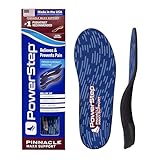
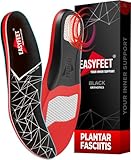
Podiatrist-Recommended Products


Frequently Asked Questions About Pinky Toe Pain
What causes pinky toe pain?
Most common: bunionette (Tailors bunion); hammertoe; fracture (acute); subungual hematoma; soft corn between 4th-5th toes; ingrown nail. Less common: lateral Mortons neuroma, arthritis.
Did I break my pinky toe?
Symptoms suggesting fracture: acute pain after injury; significant swelling; bruising; visible deformity; difficulty walking. X-ray confirms. Most pinky fractures heal with buddy taping and stiff-soled shoe 3-6 weeks.
What is a Tailors bunion?
Same as bunionette – bony bump on OUTSIDE of foot at base of pinky toe. Treatment: wide-toe shoes, custom orthotics with lateral wedge, bunionette sleeves; surgery for severe cases.
Can pinky toe pain be from shoes?
Yes – tight shoes are common cause: bunionette aggravation, hammertoe, soft corn between toes, ingrown nail, blister/callus. Wide toe-box shoes resolve many cases.
How do I treat ingrown pinky toenail?
Salt soaks 2-3x daily; cotton wedge under nail edge; antibiotic ointment; properly fitting shoes. If no improvement in 5-7 days or signs of infection, see podiatrist for removal.
Should I drain a black pinky toenail at home?
No – improperly draining at home risks infection and bone osteomyelitis. See podiatrist if pressure significant. Most heal as nail grows out (9-12 months for pinky nail).
When should I see a doctor for pinky toe pain?
Acute injury (rule out fracture); visible deformity; pain limits walking; recurring calluses/corns; black nail without obvious trauma cause (rule out melanoma); ingrown nail not improving with home care.
Related Resources from Balance Foot & Ankle
Still Dealing With Pinky Toe Pain?
Same-week appointments at Balance Foot & Ankle in Howell & Bloomfield Township, MI.
Book Your AppointmentFrequently Asked Questions
When should I see a doctor?
See a podiatrist if pain persists past 2 weeks, prevents normal activity, or is accompanied by red-flag symptoms (warmth, swelling, numbness, inability to bear weight).
Can I treat this at home?
Mild cases respond to RICE protocol (rest, ice, compression, elevation), supportive shoes, and OTC anti-inflammatories. Persistent symptoms need professional evaluation.
How long does it take to heal?
Most soft tissue injuries resolve in 2-6 weeks with appropriate care. Bone injuries take 6-12 weeks. Chronic conditions need longer-term management.
⚠️ Most Common Mistake: Ignoring persistent foot pain and continuing normal activity without evaluation. Early podiatric care prevents minor foot issues from becoming chronic, difficult-to-treat conditions.
Frequently Asked Questions
🏥 Recommended by Dr. Biernacki — Foundation Wellness Products
These are the same products Dr. Biernacki recommends to his patients at Balance Foot & Ankle in Michigan. Available through our trusted partners.
In-Office Treatment at Balance Foot & Ankle
If home treatment isn’t providing relief for your foot and ankle conditions, our podiatry team at Balance Foot & Ankle can help with same-day evaluations and advanced in-office care.
Same-day appointments available. (810) 206-1402
Doctor Hoy’s Natural Pain Relief Gel
Natural topical pain relief I use in our clinic. Arnica + camphor formula — apply directly to the area 3–4x daily. ($20–25)
Shop Doctor Hoy’s →
Dr. Tom Biernacki, DPM is a board-certified foot & ankle surgeon (ABFAS & ABPM) at Balance Foot & Ankle Specialists in Southeast Michigan. With over a decade of clinical experience, he specializes in heel pain, bunions, diabetic foot care, sports injuries, and minimally invasive surgery. Dr. Biernacki is a member of the APMA and ACFAS, and his patient education content on MichiganFootDoctors.com and YouTube has made him one of the most-followed foot & ankle educators on YouTube.