

Quick answer: Treatment for plantar wart removal treatment follows a stepwise approach: 1) conservative care first (rest, ice, supportive footwear, OTC anti-inflammatories), 2) physical therapy and targeted exercises, 3) in-office treatments (injections, custom orthotics) if conservative fails at 4-6 weeks, 4) surgery for refractory cases. Most patients resolve at step 1 or 2. Call (810) 206-1402.
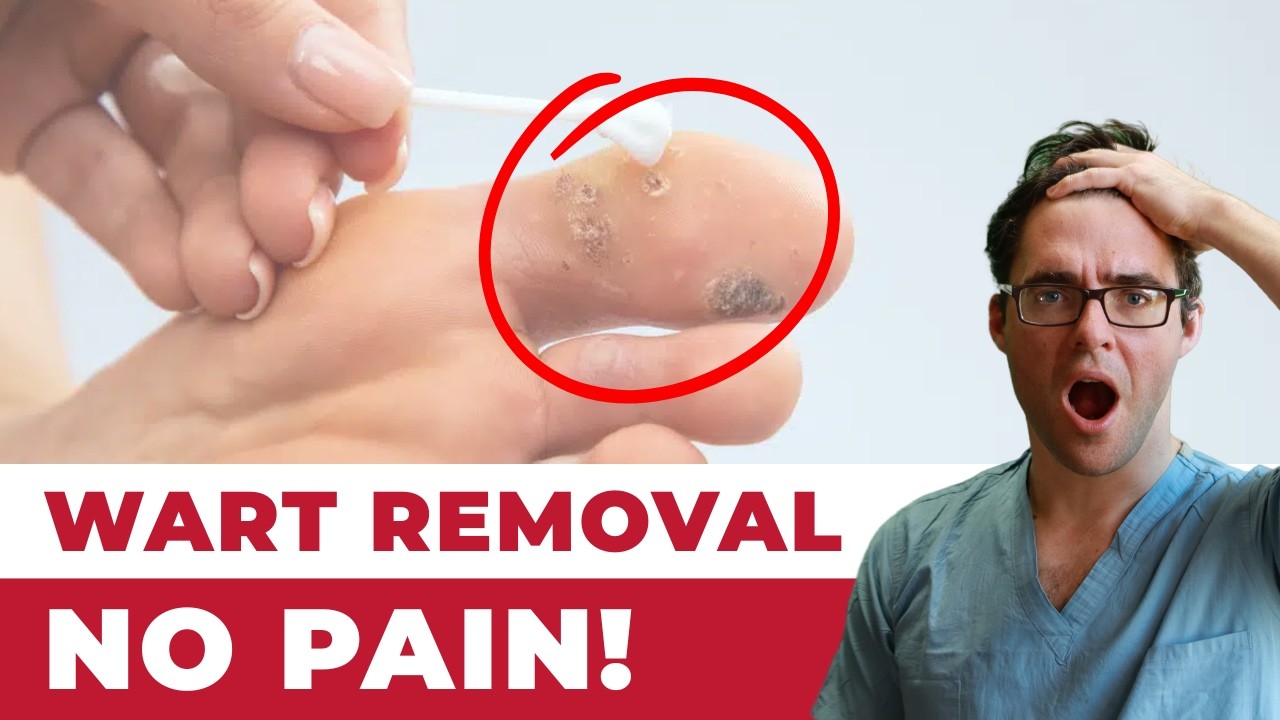
Watch: Plantar Wart Removal — MichiganFootDoctors YouTube
The most important clinical decision with Plantar Wart Removal Treatment isn’t which treatment to start with — it’s identifying the correct subtype. That changes everything. Call (810) 206-1402.
Plantar Wart Removal: The Treatment Ladder That Actually Works
Why salicylic acid still wins, when cryotherapy helps, and when to stop guessing and see a podiatrist.
Every product in this guide was selected by a board-certified podiatrist based on clinical outcomes in real patients — not based on affiliate commission rates. We've ranked them based on biomechanical design, durability, patient compliance, and cost-to-benefit ratio. All picks are personally recommended in our Michigan clinics every week.
Compound W Freeze Off
Best at-home cryotherapy
Compound W Freeze Off uses dimethyl ether/propane to reach -57°C — not as cold as medical liquid nitrogen (-196°C), but sufficient for superficial single plantar warts if used correctly. The key is application depth: plantar warts have keratin overgrowth 2-3mm thick, so superficial freezing misses the viral-infected basal cells underneath. Pare the wart surface with a pumice stone after a shower before each application. Expect 2-3 applications 2 weeks apart. If no progress at 6 weeks, see a podiatrist — prescription cantharidin, bleomycin injection, or excision is more effective for stubborn warts.
- Single small plantar wart
- Patient can tolerate brief pain
- Diabetic foot
- Immunosuppressed
- Multiple large warts
- ✔ At-home cryotherapy at $18
- ✔ Reaches -57°C
- ✔ Works for single small warts
- ✔ No Rx needed
- ✖ Less cold than clinic liquid nitrogen
- ✖ Not for diabetic or immunosuppressed feet
- ✖ Painful — 30 seconds of burning
Mediplast Salicylic Acid 40% Pads
The podiatrist’s daily-use pick
Mediplast 40% salicylic acid pads are what most podiatrists actually use in the office because continuous occlusive salicylic acid therapy has the best published cure rate (60-80%) of any wart treatment when applied correctly over 6-12 weeks. The acid gradually destroys the keratinocyte layer while triggering an immune response against HPV-infected cells. Cut pad to exact wart size, apply, cover with tape, change every 48 hours, and pumice the dead skin between changes. It’s tedious but works. The 40% strength is much more effective than the 17% over-the-counter liquid you buy for hand warts.
- Chronic plantar wart treatment
- Multiple warts
- Needle-phobic patients
- Diabetic foot
- ✔ 60-80% cure rate with daily use
- ✔ 40% strength (much higher than liquid form)
- ✔ Painless during treatment
- ✔ Podiatrist-endorsed protocol
- ✖ Requires 6-12 weeks of daily care
- ✖ Not for diabetic patients
Products Not Enough? See Michigan's Top Foot Doctors.
Same-week appointments in Howell and Bloomfield Hills. Most insurance accepted. 3,000+ surgeries performed. Patient-first practice — we listen.
Head-to-Head Comparison
Quick reference across all picks. Click any product name to jump to its full review above.
In-Office Treatment at Balance Foot & Ankle
If home treatment isn’t providing relief for your plantar wart, our podiatry team at Balance Foot & Ankle can help with same-day evaluations and advanced in-office care.
Same-day appointments available. (810) 206-1402
Doctor Hoy’s Natural Pain Relief Gel
Natural topical pain relief I use in our clinic. Arnica + camphor formula — apply directly to the area 3–4x daily. ($20–25)
Shop Doctor Hoy’s →Frequently Asked Questions

How long does treatment take to work?
Most patients see improvement in 4-8 weeks with consistent conservative care. Persistent symptoms after 8 weeks need imaging and escalation.
When is surgery needed?
Surgery is reserved for cases that fail 3-6 months of conservative care, structural deformities, or fractures requiring stabilization.
Is this covered by insurance?
Most diagnostic visits and conservative treatments are covered by Medicare and major insurers. Custom orthotics often require diabetic or post-surgical justification.
What is Plantar wart?
Plantar wart is a common foot/ankle condition that affects mobility and quality of life. Understanding the underlying cause is the first step in successful treatment. Our podiatrists at Balance Foot & Ankle perform a hands-on biomechanical exam, review your activity history, and use diagnostic imaging when appropriate to identify the root cause—not just treat the symptom. Many patients have been told to “rest and ice” without a deeper diagnostic workup; our approach is different.
Symptoms and warning signs
Common signs of plantar wart include pain that worsens with activity, morning stiffness, swelling, tenderness when palpated, and difficulty bearing weight. If you experience sudden severe pain, inability to walk, visible deformity, numbness or color change, contact our office the same day or visit urgent care—these can signal a more serious injury such as a fracture, tendon rupture, or vascular compromise. Diabetics with any foot wound should seek same-day care.
Conservative treatment options
Most cases of plantar wart respond to non-surgical care: structured rest, supportive footwear changes, custom orthotics, targeted stretching and strengthening protocols, anti-inflammatory medications when medically appropriate, and in-office procedures such as ultrasound-guided injections. We also offer advanced therapies including MLS laser therapy, EPAT/shockwave, regenerative injections, and image-guided procedures. Treatment is sequenced from least invasive to most invasive, and we explain the rationale at every step.
When is surgery considered?
Surgery is reserved for cases that fail 3-6 months of well-structured conservative care, when there is structural pathology (severe deformity, complete tear, advanced arthritis), or when imaging shows damage that will not heal without intervention. Our surgeons have performed 3,000+ foot and ankle procedures and prioritize minimally-invasive techniques whenever appropriate. We discuss recovery timelines, return-to-activity milestones, and realistic outcome expectations before any procedure is scheduled.
American Academy of Dermatology: Warts
Recovery timeline and prevention
Recovery from plantar wart varies based on severity and chosen treatment path. Conservative cases often improve within 4-8 weeks with consistent adherence to the protocol. Post-procedural recovery may range from a few days (in-office procedures) to several months (reconstructive surgery). Long-term prevention involves footwear assessment, activity modification, structured strengthening, and regular check-ins with your podiatrist if you have a history of recurrence. We provide written home-exercise plans and digital follow-up support.
Ready to feel better?
Same-week appointments available in Howell and Bloomfield Hills, Michigan.
Book Your Visit
Dr. Tom Biernacki, DPM is a board-certified foot & ankle surgeon (ABFAS & ABPM) at Balance Foot & Ankle Specialists in Southeast Michigan. With over a decade of clinical experience, he specializes in heel pain, bunions, diabetic foot care, sports injuries, and minimally invasive surgery. Dr. Biernacki is a member of the APMA and ACFAS, and his patient education content on MichiganFootDoctors.com and YouTube has made him one of the most-followed foot & ankle educators on YouTube.