
Posterior Heel Pain [Causes, Symptoms & Best Treatment]
Posterior Heel Pain: 95% of the time, this is Achilles tendinitis, retrocalcaneal bursitis, or a back of the heel spur. Fix it FAST!
Posterior Heel Pain After Running & Walking Video
https://youtu.be/ZJpEHomYYMMPosterior Heel Pain Causes & Symptoms
Posterior Heel Pain Causes:
- The most common causes of posterior heel pain are 4 things!
- Click On The Titles For Treatment!
1)Achilles Heel Pain:
- This is almost always due to Achilles tendinitis.
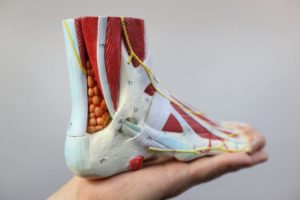
- The Achilles tendon connects your calf to the back of the heel,
- It is the strongest tendon in the body.
- It is responsible for pushing off with your foot.
- Repetitive pushing off (usually in runners and basketball players) can lead to stress!
- This can happen to any athlete, even people who walk or stand for long periods of time!
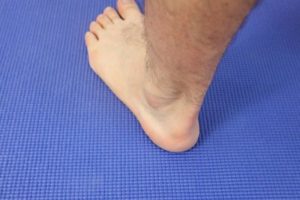
Posterior Achilles Heel Pain Symptoms:
- This will hurt to stand on your tippy-toes.
- It will be painful at the back of the heel.
- There can be redness and swelling.
- It is worse in the morning and before activity but gets better with 15-20 mins of motion!
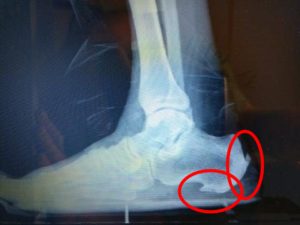
2)Posterior Heel Spur Or Calcification:
- This is a progressed stage of Achilles tendinitis.
- Eventually, the insertion of the Achilles can form bone.
- This infiltrates the Achilles tendon due to light bleeding that turns to bone.
Posterior Heel Spur Calcification Symptoms:
- Same as Achilles heel pain or tendonitis.
- Except now you can feel a posterior heel spur.
3)Bursitis Heel Pain:
- A bursa is a gel sack that decreases friction.
- This allows the Achilles tendon to glide against the bone and skin.
- If the bursa becomes irritated, it will swell and become inflamed.
- This is essentially the same as Achilles tendinitis.
Posterior Bursitis Heel Pain Symptoms:
- This will hurt to stand on your tippy-toes.
- It will be painful at the back of the heel.
- There can be redness and swelling.
- It is worse in the morning and before activity but gets better with 15-20 mins of motion!
4) Hagland’s Bump Posterior Heel Pain:
- This is an excess smooth bone at the back of the heel.
- This is just above the Achilles tendon insertion.
- This can rub against the back of the shoe and cause pain.
- It essentially impinges on the skin.
- This is more likely in high arched feet.
- Very likely in women with high heels.
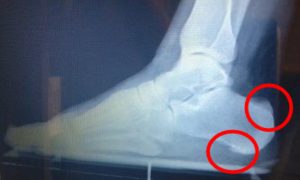
Hagland’s Bump Posterior Heel Pain Symptoms:
- Can stand on tippy toes, unlike Achilles tendinitis, without pain.
- This feels like a giant lump of bone on the back of the heel.
- It is very noticeable.
- It will rub against the back of the shoe.
- It can cause numbness, burning, and tingling due to nerve impingement.
Posterior Heel Pain Running:
- Posterior heel pain after running is most commonly Achilles tendinitis!
- The second most common cause is posterior heel bursitis.
- Either way, they are both treated the same!
- So click on either one and start healing your posterior heel pain after running!
FAQ: Posterior Heel Pain – Causes, Diagnosis, and Effective Treatment Options
What is posterior heel pain?Posterior heel pain refers to discomfort or soreness at the back of the heel, where the Achilles tendon attaches to the heel bone. It can result from overuse, inflammation, or structural issues.
What causes posterior heel pain?Common causes include Achilles tendinitis, retrocalcaneal bursitis, Haglund’s deformity, calcaneal apophysitis (in children), or even poorly fitting shoes that rub against the heel.
What are the symptoms of posterior heel pain?Symptoms often include swelling, tenderness at the back of the heel, stiffness, and pain that worsens with activity, especially after periods of rest or when wearing certain types of shoes.
How is posterior heel pain diagnosed?A doctor or podiatrist will perform a physical exam, ask about your symptoms and activity level, and may order X-rays, ultrasound, or MRI to identify inflammation, bony spurs, or tendon damage.
What is the difference between Achilles tendinitis and bursitis?Achilles tendinitis involves inflammation of the Achilles tendon, while retrocalcaneal bursitis is inflammation of the bursa (fluid-filled sac) between the tendon and the heel bone. Both can cause posterior heel pain but may require slightly different treatments.
How is posterior heel pain treated?Treatment may include rest, ice, anti-inflammatory medications, heel lifts, proper footwear, stretching exercises, and sometimes physical therapy. Severe cases may require immobilization or even surgery.
Can shoes cause or worsen posterior heel pain?Yes. High-heeled shoes, tight shoes, or stiff-backed footwear can increase pressure and irritation at the heel, contributing to or worsening the condition. Supportive, cushioned shoes are recommended.
How long does it take to recover from posterior heel pain?Recovery depends on the cause and severity, but mild to moderate cases typically improve within a few weeks with proper care. Chronic or more severe cases may take several months and require a combination of therapies.
Related Treatment Guides

Dr. Tom Biernacki, DPM is a double board-certified podiatrist and foot & ankle surgeon at Balance Foot & Ankle Specialists in Southeast Michigan. With over a decade of clinical experience, he specializes in heel pain, bunions, diabetic foot care, sports injuries, and minimally invasive surgery. Dr. Biernacki is a member of the APMA and ACFAS, and his patient education content on MichiganFootDoctors.com and YouTube has reached over one million views.