


Hot foot and cycling foot numbness usually trace to cleat position, shoe tightness, or hot-spot pressure — fixable with simple cleat adjustments and shoe-fit refinements.
You’re in the right place. Dr. Tom Biernacki, DPM, FACFAS — board-certified foot & ankle surgeon with 3,000+ surgeries — explains exactly what road cycling foot pain (hot foot) means and what works. Call (810) 206-1402 for same-day appointment at Howell or Bloomfield Hills.
Quick answer: Road Cycling Foot Pain Hot Foot Numbness Cleat Position has multiple potential causes including mechanical, neurological, vascular, and inflammatory. The most common causes we identify are overuse, ill-fitting shoes, and biomechanical imbalance. Red flags requiring urgent evaluation: warmth/redness (infection), inability to bear weight (fracture), and unilateral swelling without injury (DVT). Call (810) 206-1402.
![How to Cure Plantar Fasciitis in One Week? [FAST Heel Pain Relief!]](https://www.michiganfootdoctors.com/wp-content/cache/flying-press/b5600c3bfb9845a6095da8266d8b5363.jpg)
Watch: How to Cure Plantar Fasciitis in One Week? [FAST Heel Pain Relief!] — MichiganFootDoctors YouTube

Medically Reviewed by Dr. Tom Biernacki, DPM, FACFAS — Board-certified podiatrist & foot surgeon, Howell & Bloomfield Hills, MI | Last updated: May 2026
Foot pain, numbness, and “hot foot” during road cycling are caused by forefoot compression in stiff cycling shoes, incorrect cleat position, and metatarsal overload — not cardiovascular effort. Moving cleats back 2–5 mm, widening the Q-factor, and adding metatarsal pads resolves most cases without stopping training. Persistent numbness after rides warrants a podiatric evaluation to rule out Morton’s neuroma or compartment syndrome.
Road Cycling Foot Problems — Causes & Fixes
| Problem | Root Cause | Primary Fix |
|---|---|---|
| Hot foot (metatarsalgia) | Cleat too far forward; shoe too narrow | Move cleat back; metatarsal pad |
| Forefoot numbness | Shoe too tight; Morton’s neuroma | Wider shoe; Boa dial loosened mid-ride |
| Arch pain / plantar fasciitis | Flat shoe insole; overpronation on pedal | Custom cycling orthotic |
| Heel pain (cleated pedal) | Saddle too high; heel drop pedalling | Bike fit; saddle height adjustment |
| Lateral foot pain | Cleat angled inward (pigeon-toed) | Cleat angle adjustment; float increase |
Cleat Position & Bike Fit: The Podiatrist’s Perspective
- Move cleats back toward the heel — the conventional “ball of foot over axle” cleat position maximises power but concentrates force on the metatarsal heads; moving back 2–5 mm reduces forefoot pressure significantly without measurable power loss at recreational intensities
- Increase float — zero-float cleats force a fixed foot position that may not match your natural knee tracking; 6° float (Shimano yellow, Look grey) reduces forefoot rotation stress
- Wider shoes for wider feet — most performance cycling shoes are built on a narrow last; riders with forefoot widths above 100mm benefit significantly from wide-fit options (Shimano wide, Sidi wide, Lake)
- Custom cycling orthotics — a sport-specific thin orthotic corrects arch collapse on the pedal platform, reduces pronation that causes knee tracking problems, and can be built for cycling shoe depth constraints
- Metatarsal pads — a 3–6mm metatarsal dome behind the 2nd/3rd metatarsal heads offloads the ball of foot and virtually eliminates hot foot in most riders within 2–3 rides
Watch: Foot Numbness & Tingling — Morton’s Neuroma Explained
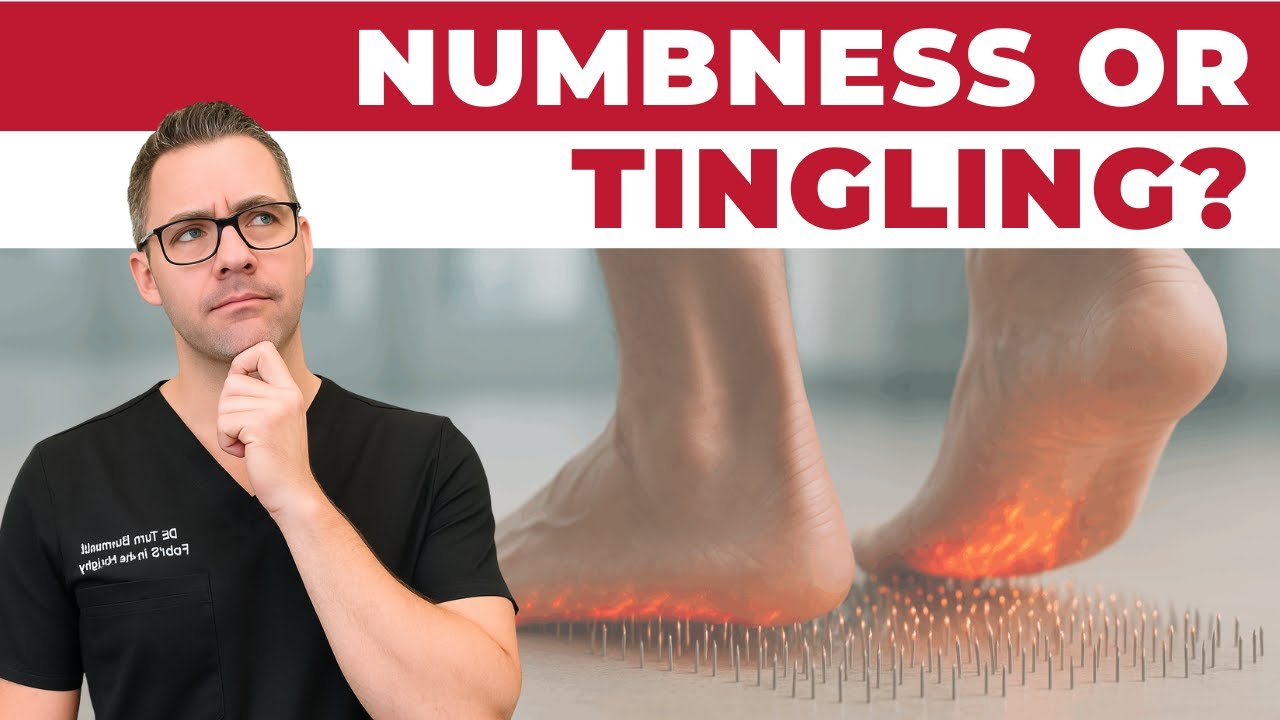
The most common mistake cyclists make is blaming their shoes first and buying multiple pairs before addressing cleat position and saddle height — the two factors responsible for over 80% of cycling foot pain. A professional bike fit with a podiatric component costs less than one pair of premium cycling shoes and permanently solves the problem. If you have spent more than $300 on shoes to fix foot pain and it hasn’t worked, the problem is almost certainly biomechanical, not the shoe brand.
Frequently Asked Questions About Cycling Foot Pain
What causes “hot foot” when cycling?
Hot foot during cycling is metatarsalgia — burning and pressure across the ball of the foot — caused by repetitive compression of the metatarsal heads against a stiff shoe sole. The most common mechanical cause is a cleat position too far forward (under the ball of the foot), which concentrates all pedal force on the metatarsal heads rather than distributing it toward the arch. Moving cleats 3–5 mm rearward and adding a metatarsal pad resolves hot foot in the majority of riders without any other intervention.
Is foot numbness during cycling serious?
Transient numbness that resolves within 10–15 minutes after stopping is usually positional and not serious — caused by forefoot compression cutting off digital nerve blood flow. Numbness that persists for hours after rides, is accompanied by a burning sensation, or affects specific toes in a defined pattern may indicate Morton’s neuroma or tarsal tunnel syndrome and warrants a podiatric evaluation. Neurological symptoms in cyclists should not be self-treated with shoe changes alone.
Do I need custom orthotics for road cycling?
Cycling-specific orthotics benefit riders who: (1) have flat feet or significant overpronation causing knee tracking problems, (2) have persistent arch pain that doesn’t resolve with cleat changes, or (3) have a history of metatarsal stress fractures. Standard running orthotics are too thick for cycling shoes — cycling-specific devices are made from 2–3mm carbon fibre or thin EVA and integrate with cleat stacks. Dr. Biernacki fabricates cycling-specific orthotics at Balance Foot & Ankle.
How do I adjust my cleats to reduce foot pain?
Start by moving cleats rearward until the spindle of the pedal sits behind (not under) the ball of your foot. For rotation: set float to allow your heel to move freely inward — if your natural stance is slightly toed out, angle the cleat heel inward accordingly. Most professional bike fitters recommend Shimano yellow (6° float) or Look arc (6° float) cleats as a pain-neutral starting point before fine-tuning.
When should a cyclist see a podiatrist?
See a podiatrist if foot pain or numbness persists after cleat position changes, if you have a known history of foot problems affecting other activities, or if you feel a specific burning or electric sensation in the toes consistent with neuroma. Balance Foot & Ankle provides cycling-specific biomechanical assessment and custom orthotic fabrication — same-day appointments in Howell and Bloomfield Hills, call (810) 206-1402.
Hot Foot or Numb Toes on the Bike? We Can Fix That.
Dr. Tom Biernacki, DPM, FACFAS provides cycling-specific biomechanical assessment and custom cycling orthotics at Balance Foot & Ankle — Howell & Bloomfield Hills, MI.
Book a Same-Day Visit (810) 206-1402Related: Morton’s neuroma · Marathon training foot problems · Custom orthotics Michigan · Metatarsalgia · Shin splints
Frequently Asked Questions
When should I see a doctor?
See a podiatrist if pain persists past 2 weeks, prevents normal activity, or is accompanied by red-flag symptoms (warmth, swelling, numbness, inability to bear weight).
Can I treat this at home?
Mild cases respond to RICE protocol (rest, ice, compression, elevation), supportive shoes, and OTC anti-inflammatories. Persistent symptoms need professional evaluation.
How long does it take to heal?
Most soft tissue injuries resolve in 2-6 weeks with appropriate care. Bone injuries take 6-12 weeks. Chronic conditions need longer-term management.
What is Foot pain?
Foot pain is a common foot/ankle condition that affects mobility and quality of life. Understanding the underlying cause is the first step in successful treatment. Our podiatrists at Balance Foot & Ankle perform a hands-on biomechanical exam, review your activity history, and use diagnostic imaging when appropriate to identify the root cause—not just treat the symptom. Many patients have been told to “rest and ice” without a deeper diagnostic workup; our approach is different.
Symptoms and warning signs
Common signs of foot pain include pain that worsens with activity, morning stiffness, swelling, tenderness when palpated, and difficulty bearing weight. If you experience sudden severe pain, inability to walk, visible deformity, numbness or color change, contact our office the same day or visit urgent care—these can signal a more serious injury such as a fracture, tendon rupture, or vascular compromise. Diabetics with any foot wound should seek same-day care.
Conservative treatment options
Most cases of foot pain respond to non-surgical care: structured rest, supportive footwear changes, custom orthotics, targeted stretching and strengthening protocols, anti-inflammatory medications when medically appropriate, and in-office procedures such as ultrasound-guided injections. We also offer advanced therapies including MLS laser therapy, EPAT/shockwave, regenerative injections, and image-guided procedures. Treatment is sequenced from least invasive to most invasive, and we explain the rationale at every step.
No products found.
When is surgery considered?
Surgery is reserved for cases that fail 3-6 months of well-structured conservative care, when there is structural pathology (severe deformity, complete tear, advanced arthritis), or when imaging shows damage that will not heal without intervention. Our surgeons have performed 3,000+ foot and ankle procedures and prioritize minimally-invasive techniques whenever appropriate. We discuss recovery timelines, return-to-activity milestones, and realistic outcome expectations before any procedure is scheduled.
Recovery timeline and prevention
Recovery from foot pain varies based on severity and chosen treatment path. Conservative cases often improve within 4-8 weeks with consistent adherence to the protocol. Post-procedural recovery may range from a few days (in-office procedures) to several months (reconstructive surgery). Long-term prevention involves footwear assessment, activity modification, structured strengthening, and regular check-ins with your podiatrist if you have a history of recurrence. We provide written home-exercise plans and digital follow-up support.
Ready to feel better?
Same-week appointments available in Howell and Bloomfield Hills, Michigan.
Book Your VisitIn-Office Treatment at Balance Foot & Ankle
If home treatment isn’t providing relief for your foot and ankle conditions, our podiatry team at Balance Foot & Ankle can help with same-day evaluations and advanced in-office care.
Same-day appointments available. (810) 206-1402
Doctor Hoy’s Natural Pain Relief Gel
Natural topical pain relief I use in our clinic. Arnica + camphor formula — apply directly to the area 3–4x daily. ($20–25)
Shop Doctor Hoy’s →Get Expert Care at Balance Foot & Ankle
Same-week appointments at our Howell and Bloomfield Hills offices. Board-certified podiatric surgeons. Most insurance accepted.

Dr. Tom Biernacki, DPM is a board-certified foot & ankle surgeon (ABFAS & ABPM) at Balance Foot & Ankle Specialists in Southeast Michigan. With over a decade of clinical experience, he specializes in heel pain, bunions, diabetic foot care, sports injuries, and minimally invasive surgery. Dr. Biernacki is a member of the APMA and ACFAS, and his patient education content on MichiganFootDoctors.com and YouTube has made him one of the most-followed foot & ankle educators on YouTube.