
Medically reviewed by Dr. Tom Biernacki, DPM
Board-certified podiatric surgeon | Balance Foot & Ankle, Howell & Bloomfield Hills, MI
Last reviewed: May 2026
Quick answer: Treatment for severs disease treatment follows a stepwise approach: 1) conservative care first (rest, ice, supportive footwear, OTC anti-inflammatories), 2) physical therapy and targeted exercises, 3) in-office treatments (injections, custom orthotics) if conservative fails at 4-6 weeks, 4) surgery for refractory cases. Most patients resolve at step 1 or 2. Call (810) 206-1402.
The most important clinical decision with Severs Disease Treatment isn’t which treatment to start with — it’s identifying the correct subtype. That changes everything. Call (810) 206-1402.
What Is Sever’s Disease?
Sever’s disease (calcaneal apophysitis) is inflammation of the heel’s growth plate (apophysis) in children. Between ages 8 and 14, the calcaneal growth plate is open and vulnerable — the Achilles tendon attaches directly to it, and repetitive traction from running and jumping causes painful micro-irritation at this attachment point. It is the most common cause of heel pain in children.
Despite the alarming name, Sever’s is not a disease and causes no permanent damage. It resolves completely when the growth plate fuses, typically by age 14–15 in girls and 15–16 in boys.
Symptoms
- Heel pain during or after physical activity, especially running and jumping sports
- Pain at the back and bottom of the heel (not the plantar surface — that’s plantar fasciitis)
- Limping after practice, or refusing to walk without shoes
- Pain worsened by the “squeeze test” — squeezing both sides of the heel simultaneously
- Tight calf muscles almost universally present
Treatment
Stretching (Most Important)
Calf and Achilles stretching is the cornerstone of Sever’s treatment. Tight calves increase Achilles tension on the growth plate. Protocol: standing calf stretch (straight knee + bent knee) held 30 seconds × 3 reps, 3× daily — especially before and after activity, and first thing in the morning. Consistency over 4–6 weeks produces the greatest improvement.
Heel Cups and Insoles
Silicone heel cups absorb impact and slightly elevate the heel to reduce Achilles tension. They work best in lace-up athletic shoes. Quality options include Tuli’s Heavy Duty Heel Cups and Spenco Rx Heel Cups. Avoid inserting them into cleats without additional padding.
Activity Modification
Complete rest is rarely necessary and often counterproductive for a child’s mental health and athletic development. Instead, “relative rest” — reducing running and jumping volume by 30–50% during the acute phase — is usually sufficient. Swimming and cycling are excellent low-impact alternatives that maintain cardiovascular fitness without aggravating the heel.
Ice and NSAIDs
Ice massage (10 minutes after activity) reduces local inflammation. Ibuprofen can be used short-term for acute flares with parent supervision (follow age/weight dosing). Prolonged NSAID use in children is not recommended.
Key takeaway: Sever’s disease is self-limiting and never requires surgery. Aggressive daily stretching + heel cups + activity reduction resolves 90% of cases within 2–3 months. Reassure your child that this will not limit their athletic future.
⚠️ See a podiatrist if:
- Pain is unilateral (one side only) — rules out other causes including stress fracture
- Pain is present at rest or at night — not typical for Sever’s
- No improvement after 6–8 weeks of consistent stretching and heel cups
- Swelling, redness, or warmth over the heel — may indicate infection or other pathology
In-Office Treatment at Balance Foot & Ankle
Dr. Tom Biernacki evaluates and treats Sever’s disease in young athletes, confirming diagnosis with clinical exam (squeeze test, range of motion) and X-ray when needed to rule out stress fracture. Custom orthotics are available when over-the-counter heel cups prove insufficient. See our heel pain treatment page for more. Same-day appointments available. (810) 206-1402
Frequently Asked Questions
Is Sever’s disease serious?
No. Despite its alarming name, Sever’s disease causes no permanent damage to the heel bone or growth plate. It is a temporary overuse irritation that completely resolves once growth plate fusion occurs. Children with Sever’s can continue sports with appropriate management and have no increased risk of foot problems in adulthood.
How long does Sever’s disease last?
A typical episode lasts 2–8 weeks with proper treatment. Some children experience recurrent episodes through their growth spurt years (ages 8–14). The condition permanently resolves once the calcaneal apophysis fuses to the main heel bone — usually by age 14–15 in girls and 15–16 in boys.
Should my child stop playing sports with Sever’s disease?
Complete rest is rarely required. In most cases, playing through mild discomfort with heel cups and post-game stretching/icing is acceptable. If pain is severe enough to cause limping during the game, reducing participation volume (e.g., fewer minutes, fewer practices per week) is sensible until symptoms improve. Never force a visibly limping child to continue play.
The Bottom Line
Sever’s disease is the most common cause of heel pain in active children and is entirely benign. Daily calf stretching is the single most important treatment — more impactful than any device or medication. With consistent stretching, heel cups, and appropriate activity management, most children return to full sport participation within weeks and outgrow the condition entirely by their mid-teens.
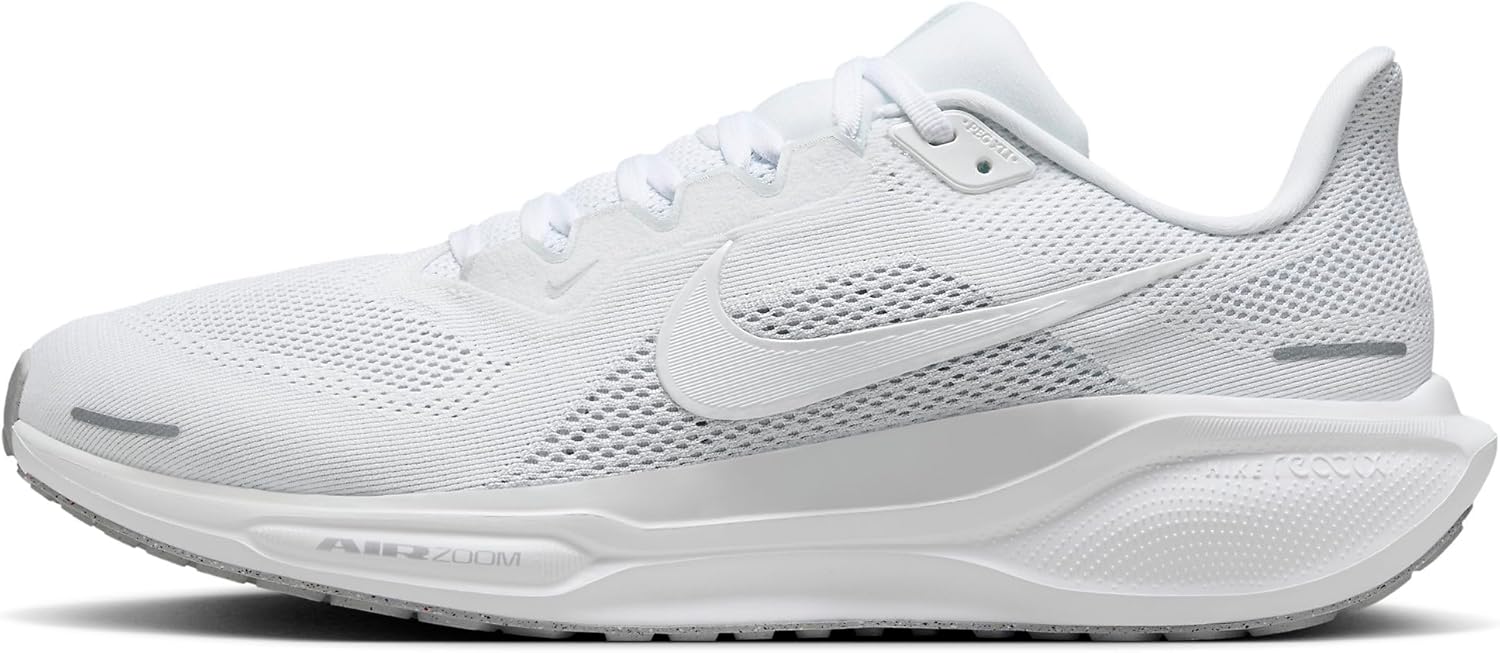
When Shoes Aren’t Enough — Dr. Tom’s Top 9 Orthotics
About 30% of patients I see for foot pain need MORE than a great shoe — they need a structured insole. Below: my complete 2026 orthotic ranking with pros, cons, and the specific patient I’d give each one to.




OrthoInfo – AAOS: Sever’s Disease
Ready to Get Relief?
Same-day appointments available in Howell & Bloomfield Hills, MI
4.9★ | 1,123 Reviews | 3,000+ Surgeries
Or call: (810) 206-1402

Dr. Tom Biernacki, DPM is a board-certified foot & ankle surgeon (ABFAS & ABPM) at Balance Foot & Ankle Specialists in Southeast Michigan. With over a decade of clinical experience, he specializes in heel pain, bunions, diabetic foot care, sports injuries, and minimally invasive surgery. Dr. Biernacki is a member of the APMA and ACFAS, and his patient education content on MichiganFootDoctors.com and YouTube has made him one of the most-followed foot & ankle educators on YouTube.