
Medically reviewed by Dr. Tom Biernacki, DPM
Board-certified podiatric surgeon | Balance Foot & Ankle, Howell & Bloomfield Township, MI
Last reviewed: May 2026

Quick answer: Softwave Therapy is a common foot/ankle topic that affects many patients. The 2026 evidence-based approach combines proper diagnosis, conservative-first treatment, and escalation only when needed. We treat this regularly at our Howell and Bloomfield Township practices. Call (810) 206-1402.

The most important clinical decision with Softwave Therapy isn’t which treatment to start with — it’s identifying the correct subtype. That changes everything. Call (810) 206-1402.
Softwave Therapy: Quick Answer
SoftWave therapy (UrgentRX) is a non-invasive extracorporeal shock wave therapy (ESWT) used to treat chronic plantar fasciitis, Achilles tendinopathy, peroneal tendinopathy, posterior tibial tendinopathy, and other chronic tendon/fascia conditions. Unlike high-energy focused ESWT (which can be painful), SoftWave uses unfocused (defocused) shockwaves that stimulate tissue regeneration at lower discomfort levels. Treatment protocol: 3-6 sessions spaced 1-2 weeks apart. Each session: 15-20 minutes. Cure rates: 60-80% for chronic plantar fasciitis; 70-85% for chronic Achilles tendinopathy. Cost: $200-500 per session, typically not covered by insurance. Best candidates: failed 6+ months of conservative care, diagnostic ultrasound or MRI confirms degenerative tissue, want to avoid surgery.
What Is SoftWave Therapy?
SoftWave (also marketed as UrgentRX) is a brand of extracorporeal shock wave therapy (ESWT) that uses unfocused (defocused) electrohydraulic shockwaves to stimulate tissue healing in chronic tendon and fascia conditions.
How shockwaves work: Shockwaves create controlled micro-trauma in degenerative tissue, triggering: (1) angiogenesis (new blood vessel formation); (2) increased growth factor expression (VEGF, BMP-2); (3) stem cell mobilization to the treated area; (4) decreased substance P and other pain-related neurotransmitters. The result: chronic degenerative tendons that have stalled in healing get a “restart” stimulus.
SoftWave vs traditional focused ESWT: Traditional focused ESWT delivers high energy to a precise point — effective but painful, often requires local anesthesia. SoftWave delivers lower-energy unfocused waves over a broader area — less painful, no anesthesia needed, similar efficacy in published series. Other ESWT brands include Storz Duolith and ZIMMER enPuls.
Conditions Treated With SoftWave
Plantar fasciitis (chronic, >6 months): The most studied indication. Cure rates 60-80% in published series. Often successful when oral NSAIDs, orthotics, stretching, and cortisone injection have failed.
Achilles tendinopathy (chronic insertional or midportion): Cure rates 70-85%. Especially effective for insertional Achilles where eccentric stretching has failed.
Peroneal tendinopathy: Less studied but anecdotally effective for chronic cases.
Posterior tibial tendinopathy (PTTD stages 1-2): Can avoid surgical reconstruction in some early-stage cases.
Patellar tendinopathy (“jumper’s knee”): Outside foot/ankle but commonly treated.
Lateral epicondylitis (tennis elbow): Standard ESWT indication.
Bone healing (delayed unions, stress fractures): Some evidence for stimulating bone healing.
Wound healing: Diabetic foot ulcers and other chronic wounds — emerging indication.
Treatment Protocol (What to Expect)
Pre-treatment: Diagnostic ultrasound or MRI confirms degenerative tissue at the symptomatic area. Patient should have failed 6+ months of conservative treatment to be a good candidate.
Treatment session: 15-20 minutes. Patient lies on a table, the device head is placed against the skin (ultrasound gel for coupling). Approximately 3,000-4,000 pulses per session at 0.10-0.30 mJ/mm² energy density. Modest discomfort during treatment (described as “tapping” or “thumping”); no anesthesia needed.
Number of sessions: Typically 3-6 sessions spaced 1-2 weeks apart. Many patients notice improvement after the first 1-2 sessions.
Post-treatment: Mild soreness for 24-48 hours is common. NSAIDs are generally AVOIDED for 1-2 weeks after treatment because they may inhibit the healing response. Resume normal activity as tolerated. Continue any prescribed orthotics, stretching, or strengthening program.
Follow-up evaluation: 6 weeks after final session for re-assessment. Ultrasound can document tendon healing.
Cost and Insurance Coverage
Out-of-pocket cost per session: $200-500 depending on geography and provider. A full course of 3-6 sessions: $600-3,000.
Insurance coverage: Generally NOT covered by traditional insurance because most plans consider ESWT investigational for foot/ankle conditions despite evidence of effectiveness. Some workers’ comp and certain VA plans cover. Always verify before scheduling.
Compared to alternatives: Cortisone injection (covered, $100-300 patient cost, but each one weakens tissue); PRP injection ($500-2,000 per injection, autologous biological); endoscopic plantar fasciotomy surgery ($3,000-8,000 patient cost with copays); chronic conservative care for years with limited improvement.
Value calculation: If you’ve had chronic foot pain for 1+ years that’s impacting your work or quality of life, $1,500-2,500 for a 3-6 session SoftWave course often pays for itself versus continued lost productivity.
Best Candidates for SoftWave
Ideal candidate: Chronic plantar fasciitis or Achilles tendinopathy of >6 months duration; failed conservative care including orthotics, stretching, NSAIDs, and 1-2 cortisone injections; diagnostic imaging (ultrasound or MRI) confirms degenerative tissue; wants to avoid surgery; can afford the out-of-pocket cost.
Less ideal candidates: Acute injuries (<3 months — try conservative care first); patients with bleeding disorders or on blood thinners (relative contraindication); local infection at treatment site; pregnancy; patients with cardiac pacemakers (relative contraindication).
Absolute contraindications: Active infection at treatment site; treatment over the spinal cord, gonads, or major nerves; active malignancy in treatment area.
Choosing a SoftWave Provider
Key questions: Are you trained on this specific device (each ESWT brand has different protocols)? How many sessions do you recommend for my condition? What’s your specific success rate? Do you use ultrasound to confirm tissue diagnosis before treatment?
Red flags: Provider offering an indefinite series of “maintenance” sessions (legitimate ESWT is 3-6 sessions then re-evaluate); guarantees of cure (no medical treatment is 100%); aggressive sales tactics; recommending ESWT without first trying basic conservative care.
Balance Foot & Ankle offers ESWT therapy as part of comprehensive chronic plantar fasciitis and Achilles tendinopathy management. Same-week consultations available.
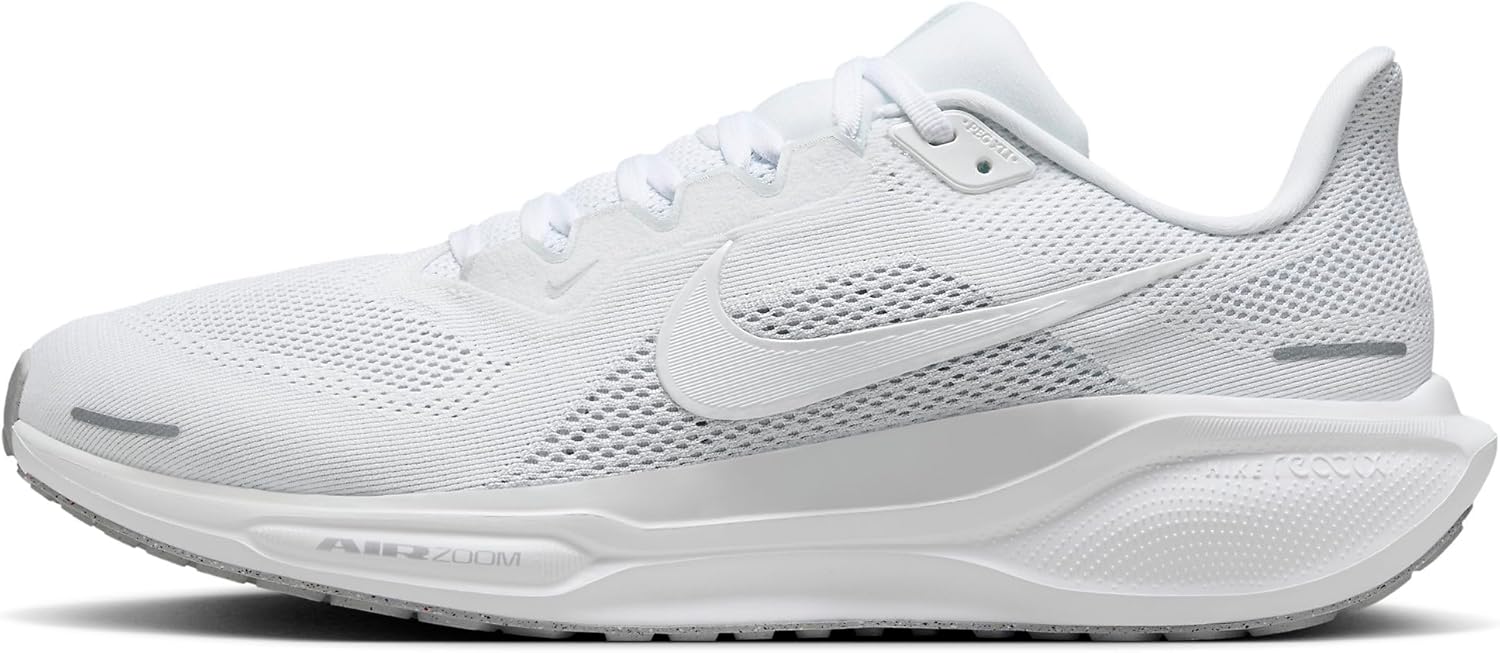
When Shoes Aren’t Enough — Dr. Tom’s Top 9 Orthotics
About 30% of patients I see for foot pain need MORE than a great shoe — they need a structured insole. Below: my complete 2026 orthotic ranking with pros, cons, and the specific patient I’d give each one to.




In-Office Treatment at Balance Foot & Ankle
If home treatment isn’t providing relief for your foot and ankle conditions, our podiatry team at Balance Foot & Ankle can help with same-day evaluations and advanced in-office care.
Frequently Asked Questions About Softwave Therapy
What is SoftWave therapy?
A non-invasive extracorporeal shock wave therapy (ESWT) brand using unfocused electrohydraulic shockwaves to stimulate tissue regeneration in chronic tendon and fascia conditions.
Does SoftWave therapy work for plantar fasciitis?
Yes — 60-80% cure rates in published series for chronic plantar fasciitis (>6 months) that has failed conservative treatment.
How many SoftWave sessions do I need?
Typically 3-6 sessions spaced 1-2 weeks apart. Most patients notice improvement after the first 1-2 sessions.
How much does SoftWave therapy cost?
$200-500 per session. Full course of 3-6 sessions: $600-3,000 out-of-pocket. Generally not covered by insurance.
Does insurance cover SoftWave?
Most insurance plans don’t cover ESWT for foot conditions because they consider it investigational. Some workers’ comp and VA plans cover. Always verify before scheduling.
How is SoftWave different from regular shock wave therapy?
SoftWave uses unfocused (defocused) lower-energy waves over a broader area — less painful, no anesthesia needed. Traditional focused ESWT uses higher energy at a precise point — more painful, often requires local anesthesia, similar efficacy.
Is SoftWave therapy painful?
Modest discomfort during treatment (described as “tapping”). Less painful than traditional focused ESWT. No anesthesia needed.
Related Resources from Balance Foot & Ankle
- Heel Pain Complete Guide
- Back of Heel Pain (Achilles)
- Heel Spur Removal
- Posterior Tibial Tendonitis
- Peroneal Tendon Anatomy & Injuries
- MLS Laser for Neuropathy
Frequently Asked Questions
When should I see a podiatrist?
If symptoms persist past 2 weeks, affect your normal activity, or are accompanied by red-flag symptoms (warmth, redness, swelling, inability to bear weight).
What does treatment cost?
Most diagnostic visits and conservative treatments are covered by Medicare and major insurers. Out-of-pocket costs vary by your specific plan.
How quickly can I get an appointment?
Most non-urgent cases see us within 5 business days. Urgent cases (sudden pain, possible fracture) typically same or next business day.
NCBI: Extracorporeal Shockwave Therapy for Foot Conditions
Ready to Get Relief?
Same-day appointments available in Howell & Bloomfield Township, MI
4.9★ | 1,123 Reviews | 3,000+ Surgeries
Or call: (810) 206-1402

Dr. Tom Biernacki, DPM is a board-certified foot & ankle surgeon (ABFAS & ABPM) at Balance Foot & Ankle Specialists in Southeast Michigan. With over a decade of clinical experience, he specializes in heel pain, bunions, diabetic foot care, sports injuries, and minimally invasive surgery. Dr. Biernacki is a member of the APMA and ACFAS, and his patient education content on MichiganFootDoctors.com and YouTube has made him one of the most-followed foot & ankle educators on YouTube.