
Medically reviewed by Dr. Tom Biernacki, DPM
Board-certified podiatric surgeon | Balance Foot & Ankle, Howell & Bloomfield Hills, MI
Last reviewed: May 2026
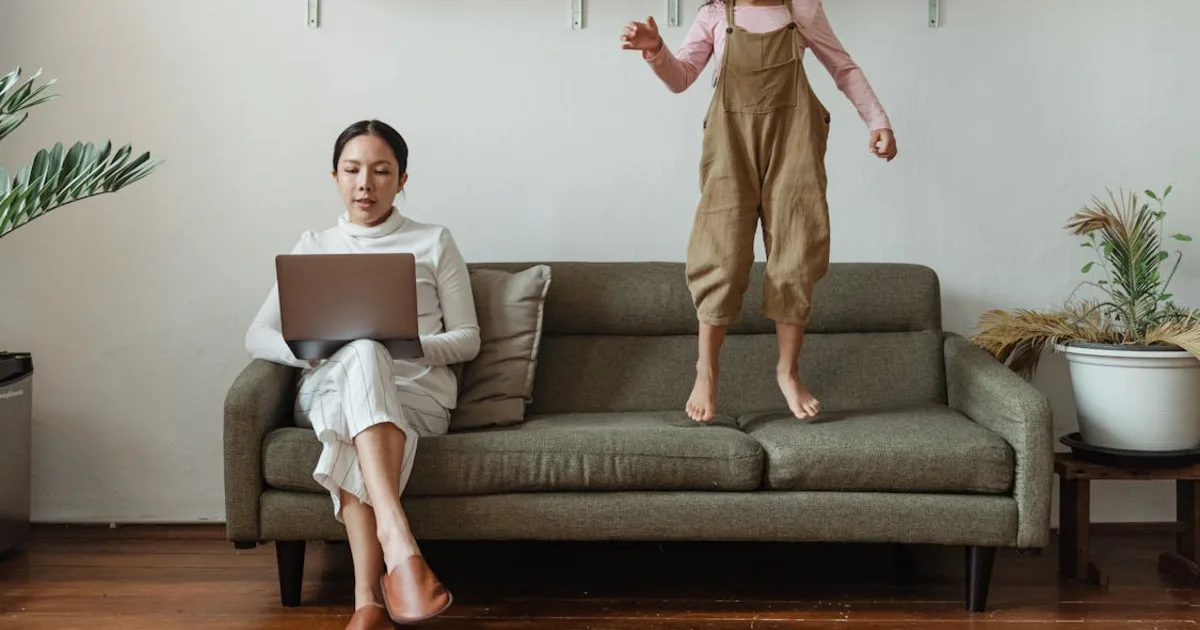
Quick answer: Pronation Of Foot is a common foot/ankle topic that affects many patients. The 2026 evidence-based approach combines proper diagnosis, conservative-first treatment, and escalation only when needed. We treat this regularly at our Howell and Bloomfield Hills practices. Call (810) 206-1402.
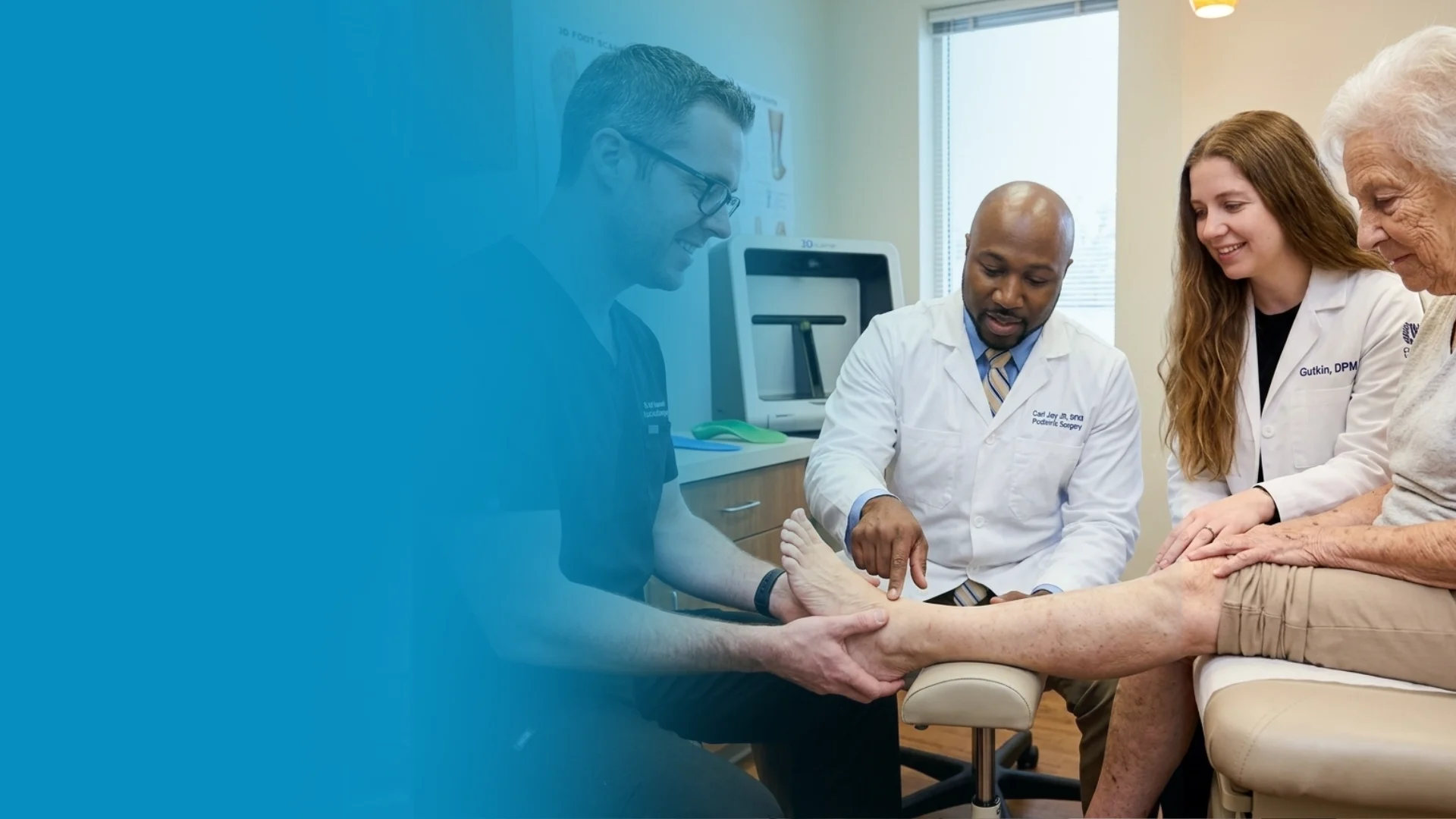
The most important clinical decision with Pronation Of Foot isn’t which treatment to start with — it’s identifying the correct subtype. That changes everything. Call (810) 206-1402.
Pronation Of Foot: Quick Answer
Pronation of the foot is the natural inward rolling motion that occurs at the subtalar joint during the gait cycle — between heel strike and midstance. Normal pronation is essential: it allows the foot to absorb shock and adapt to uneven terrain by acting as a flexible structure. Overpronation is excessive inward rolling that flattens the arch and stresses the ankle, knee, hip, and lower back. Supination (underpronation) is insufficient inward rolling — the foot stays rigid and the lateral structures bear excessive load. Most runners pronate 60-70% to some degree (normal); overpronation affects 30-40% of recreational runners. Treatment of overpronation: motion-control shoes (Brooks Adrenaline, ASICS Kayano), custom orthotics with medial post, posterior tibial strengthening. Treatment of supination: cushioned neutral shoes (HOKA Bondi), avoid stability shoes, lateral wedge orthotics if severe.
What Is Pronation? (Anatomy of Normal Gait)
During each step you take, your foot goes through three phases of pronation:
Phase 1 (heel strike): The foot lands on the lateral (outer) heel. The subtalar joint begins to evert (roll inward). This is normal pronation starting.
Phase 2 (midstance): The foot continues to pronate, the arch flattens slightly, and the foot becomes a flexible structure that adapts to uneven ground and absorbs impact. The peak of normal pronation is approximately 8-12 degrees of subtalar eversion.
Phase 3 (push-off): The foot supinates (rolls outward), the arch lifts, and the foot transforms into a rigid lever for efficient push-off through the big toe.
This pronation-to-supination transition is critical for normal walking and running. Disruptions at any phase can cause injury throughout the kinetic chain.
Overpronation: Too Much Inward Rolling
Overpronation is excessive subtalar eversion (>12-15 degrees) and prolonged pronation that doesn’t resupinate properly during push-off. The foot stays in a flattened position, the arch collapses, and the medial structures (posterior tibial tendon, plantar fascia, knee) bear excessive stress.
Risk factors: Flat feet (pes planus), tight calves (limit dorsiflexion, force compensatory pronation), weak intrinsic foot muscles, weak posterior tibial tendon, certain genetic foot types, sudden weight gain, pregnancy, aging.
Conditions caused or worsened: Plantar fasciitis; posterior tibial tendinopathy; medial knee pain; IT band syndrome; shin splints; bunions; metatarsalgia; lower back pain.
Treatment: Motion control shoes (Brooks Adrenaline GTS, ASICS Kayano, Saucony Guide); custom orthotics with medial heel post; eccentric posterior tibial strengthening; calf stretching; flat feet orthotics guide.
Supination (Underpronation): Too Little Inward Rolling
Supination is the opposite problem: insufficient subtalar eversion. The foot doesn’t pronate enough to absorb shock or adapt to terrain. Common in patients with high arches (cavus foot type) and rigid foot architecture.
Risk factors: High arches, rigid hindfoot, neurologic conditions (Charcot-Marie-Tooth disease), genetic predisposition.
Conditions caused or worsened: Lateral ankle sprains; peroneal tendinopathy; stress fractures (5th metatarsal); IT band syndrome; lateral knee pain; chronic ankle instability.
Treatment: Cushioned neutral shoes (HOKA Bondi, Brooks Glycerin, ASICS Gel-Nimbus); AVOID stability/motion-control shoes (they actively make supination worse); custom orthotics with lateral wedging; ankle strengthening to compensate for reduced shock absorption; supination shoes guide.
How to Test Your Pronation at Home
The wet foot test: Wet your feet, step on cardboard, examine the print. Normal arch: clear curve along the inside of the foot. Flat foot (overpronator): broad solid print with no arch curve. High arch (supinator): only a thin connection between heel and forefoot prints.
Shoe wear pattern: Look at your old running shoes. Overpronation: wear on the medial (inside) heel and ball of foot. Supination: wear on the lateral (outside) heel and ball of foot. Neutral: even wear across the heel and forefoot.
Knee tracking: Stand with feet shoulder-width apart. Slowly squat. Overpronation: knees tend to track inward (knock-knee position). Supination: knees track outward (bow-legged).
Single-leg balance: Stand on one foot for 30 seconds with eyes closed. Difficulty maintaining balance in any direction may indicate gait abnormality.
Custom Orthotics vs OTC for Pronation
OTC orthotics: Good for mild overpronation. Top picks: PowerStep Pinnacle (best balance of support and comfort); Superfeet GREEN (firmer, more aggressive arch support); Vionic Active (good for lifestyle wear). Cost: $30-65. Last 6-12 months. See our orthotics guide.
Custom orthotics: Better for moderate-severe overpronation, recurring injuries, biomechanical asymmetries, or when OTC has been tried unsuccessfully. Custom-cast to your specific foot architecture. Adjustable as your needs change. Last 3-5 years.
Cost: $300-600 typical. Often partially covered by FSA/HSA accounts; some insurance plans cover. Worth the investment for chronic problems.
Strengthening Exercises for Overpronation
Short foot exercise: Sitting or standing, lift the arch of your foot without curling your toes. Hold 5 seconds, repeat 10x. Strengthens intrinsic foot muscles.
Single-leg balance: Stand on one foot for 30-60 seconds. Progress to eyes closed. Strengthens proprioception and ankle stabilizers.
Calf raises (single-leg): Rise onto the ball of one foot, lower slowly. 3 sets of 10-15 each leg. Strengthens calf and posterior tibial tendon.
Resistance band inversion: Sit with feet on the floor, loop band around the inside of one foot. Pull foot inward against resistance. 3 sets of 15. Specifically targets the posterior tibial tendon — the main pronation-resistant muscle.
Calf stretches: Both gastrocnemius (knee straight) and soleus (knee bent) — 30 seconds, 3 sets, twice daily. Tight calves contribute to overpronation.
When to See a Podiatrist
Same-week appointment if: pronation issues are causing recurring injury (plantar fasciitis, shin splints, knee pain); OTC orthotics haven’t helped after 6-8 weeks of consistent use; you’ve developed a new flat foot appearance (“my arch dropped”); you have asymmetric pronation (one foot worse than the other). At Balance Foot & Ankle we offer comprehensive gait analysis (often with video) plus custom orthotic casting and physical therapy referrals as needed.
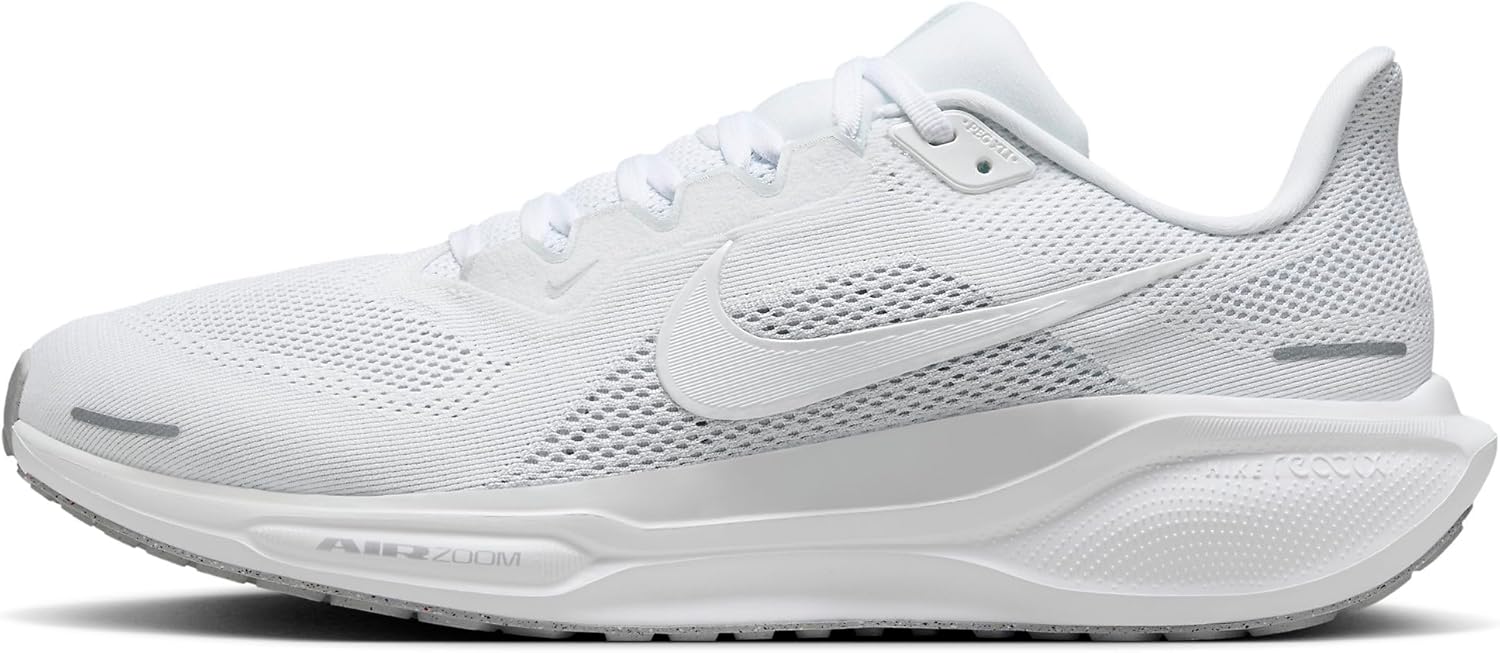
When Shoes Aren’t Enough — Dr. Tom’s Top 9 Orthotics
About 30% of patients I see for foot pain need MORE than a great shoe — they need a structured insole. Below: my complete 2026 orthotic ranking with pros, cons, and the specific patient I’d give each one to.




Frequently Asked Questions About Pronation Of Foot
What is pronation of the foot?
The natural inward rolling of the foot at the subtalar joint during gait. Normal pronation is essential for shock absorption. Overpronation (excessive) and supination (insufficient) both cause problems.
How do I know if I overpronate?
Wet foot test (broad solid print with no arch); shoe wear pattern (medial heel and ball wear); knee tracking inward during squat; flat foot appearance.
Is overpronation bad?
Mild overpronation is normal. Moderate-severe overpronation contributes to plantar fasciitis, posterior tibial tendinopathy, knee pain, and lower back pain.
What shoes are best for overpronation?
Motion control or stability shoes: Brooks Adrenaline GTS, ASICS Kayano, Saucony Guide, New Balance 860, HOKA Arahi. Avoid neutral cushion shoes.
Can you fix overpronation without orthotics?
Mild cases: yes, with proper shoes + posterior tibial strengthening + calf stretching. Moderate-severe cases: usually need orthotic support to prevent injury.
What is the difference between pronation and overpronation?
Pronation: normal inward rolling motion (8-12 degrees of subtalar eversion). Overpronation: excessive inward rolling (>12-15 degrees) that doesn’t resupinate properly during push-off.
How long does it take to correct pronation?
With proper shoes + orthotics + strengthening, most patients see improvement in symptoms within 4-8 weeks. Full biomechanical correction may take 3-6 months. Genetic foot types may need lifelong support.
Related Resources from Balance Foot & Ankle
- Overpronation – Causes & Best Shoes
- Best Orthotics for Flat Feet
- Podiatrist Recommended Shoes for Supination
- Posterior Tibial Tendonitis (PTTD)
- Best Shoes for Flat Feet
- Best Shoes for Knee Pain
Frequently Asked Questions
When should I see a podiatrist?
If symptoms persist past 2 weeks, affect your normal activity, or are accompanied by red-flag symptoms (warmth, redness, swelling, inability to bear weight).
What does treatment cost?
Most diagnostic visits and conservative treatments are covered by Medicare and major insurers. Out-of-pocket costs vary by your specific plan.
How quickly can I get an appointment?
Most non-urgent cases see us within 5 business days. Urgent cases (sudden pain, possible fracture) typically same or next business day.
APMA: Foot Pronation and Overpronation
Ready to Get Relief?
Same-day appointments available in Howell & Bloomfield Hills, MI
4.9★ | 1,123 Reviews | 3,000+ Surgeries
Or call: (810) 206-1402

Dr. Tom Biernacki, DPM is a board-certified foot & ankle surgeon (ABFAS & ABPM) at Balance Foot & Ankle Specialists in Southeast Michigan. With over a decade of clinical experience, he specializes in heel pain, bunions, diabetic foot care, sports injuries, and minimally invasive surgery. Dr. Biernacki is a member of the APMA and ACFAS, and his patient education content on MichiganFootDoctors.com and YouTube has made him one of the most-followed foot & ankle educators on YouTube.