
Medically reviewed by Dr. Tom Biernacki, DPM
Board-certified podiatric surgeon | Balance Foot & Ankle, Howell & Bloomfield Hills, MI
Last reviewed: May 2026

| Condition | Location | X-ray Finding | Nail Appearance | Cause | Treatment |
|---|---|---|---|---|---|
| Subungual Exostosis | Distal phalanx, beneath nail plate | Bony spur projecting from distal phalanx | Nail lifted, distorted, or discolored | Trauma, repetitive pressure, hereditary | Surgical excision of bony spur |
| Subungual Hematoma | Beneath nail plate (any zone) | Normal bone on X-ray | Dark blood collection beneath nail; painful | Acute trauma, tight shoes in runners | Nail trephination (drainage); resolves spontaneously |
| Onychomycosis (Nail Fungus) | Nail plate and bed | Normal bone | Yellow, thickened, crumbling nail | Dermatophyte infection (Trichophyton) | Topical / oral antifungals; laser therapy |
| Ingrown Toenail | Nail border (lateral sulcus) | Normal bone (unless osteomyelitis) | Nail plate piercing lateral fold | Improper trimming, tight shoes | Conservative care; partial nail avulsion; matrixectomy |
| Glomus Tumor | Beneath nail plate / distal fingertip | Scalloping of distal phalanx on MRI | May show reddish or bluish discoloration | Benign vascular tumor of glomus body | Surgical excision; recurrence rate <5% |
| Melanoma (Subungual) | Nail matrix / bed | Possible bone destruction in advanced cases | Dark vertical streak (melanonychia) → irregular pigment | UV exposure, nail trauma, genetic | Biopsy; wide excision; oncology referral |
| Surgical Step | Detail | Purpose |
|---|---|---|
| Digital block anesthesia | 1% lidocaine without epinephrine into web spaces | Complete toe anesthesia |
| Tourniquet application | Penrose drain or sterile tourniquet at toe base | Bloodless surgical field |
| Nail plate avulsion | Partial or complete nail plate removed with English anvil | Expose subungual space and exostosis |
| Exostosis excision | Rongeur or bone cutter removes bony spur flush with distal phalanx; bone wax hemostasis | Remove offending bony prominence completely |
| Wound closure | Non-adherent dressing; nail plate replaced as biologic dressing if intact | Protect nail bed during healing |
| Recurrence prevention | Complete excision of cartilaginous cap; pathology specimen sent | Confirm diagnosis; prevent regrowth (<5% recurrence with complete excision) |
Foot pain isn't resolving?
Same-week appointments at Howell & Bloomfield Hills
Medically Reviewed | Dr. Tom Biernacki, DPM | Board-Certified Podiatric Surgeon | Balance Foot & Ankle, Michigan
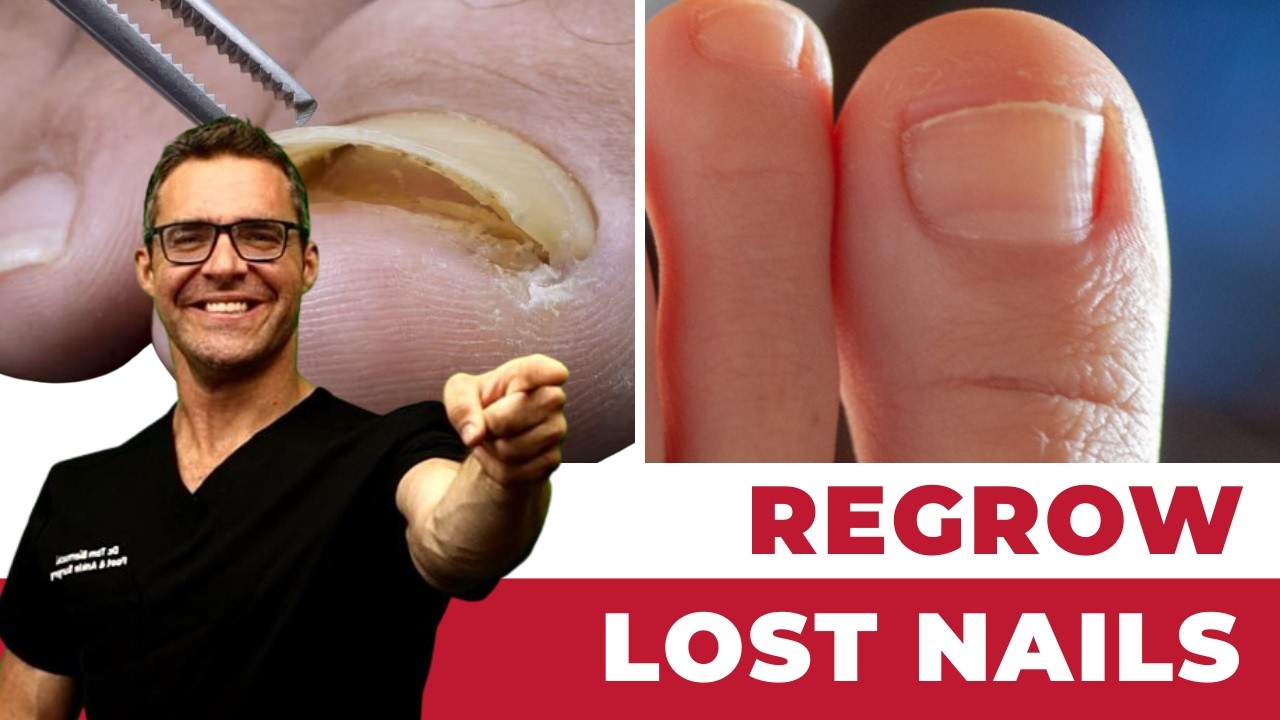

A subungual exostosis — a benign bony outgrowth from the tip of the distal phalanx, growing dorsally into the overlying nail bed — is one of the most frequently missed causes of nail deformity and chronic nail pain in adolescents and young adults. The nail’s apparently abnormal appearance (deformity, pincer curvature, thickening, discoloration) is treated as a primary nail problem while the underlying bony cause remains unidentified — until a simple plain X-ray reveals the exostosis that has been elevating the nail plate the entire time. At Balance Foot & Ankle PLLC, Dr. Tom Biernacki evaluates nail deformity with X-ray as part of the initial examination, ensuring subungual exostosis is identified and definitively treated rather than managed symptomatically for years.
How Subungual Exostosis Causes Nail Deformity
The mechanical relationship between the exostosis and the nail is direct: as the bony spur grows dorsally from the tip of the distal phalanx, it pushes upward against the underside of the nail plate. The nail plate responds to this upward central pressure by: Elevating from the nail bed (onycholysis — separation of the nail from its bed) in the area directly overlying the exostosis. Developing a pincer curvature — the upward pressure in the center of the nail creates the same transverse overcurvature seen in pincer nail deformity. Thickening and discoloring — the disrupted nail-bed relationship and repeated minor trauma produce nail plate changes that mimic onychomycosis. Causing recurrent infections — the elevated nail edge creates a portal of entry for bacteria and fungal organisms. The clinical consequence: a patient with what appears to be chronic onychomycosis, pincer nail, or ingrowing nail that recurrently fails treatment — because the bony cause has never been identified. X-ray makes the diagnosis immediately and definitively.
Diagnosis: The X-Ray That Changes Everything
Subungual exostosis is visible on plain radiograph — a standard toe X-ray series (AP, lateral, oblique) demonstrates the bony protrusion at the dorsal distal phalanx with characteristic features: well-defined cortical margins, trabeculated cancellous center, and dorsal projection into the nail space. The lateral view is most informative for visualizing the extent and direction of the exostosis. Key differential considerations visible on imaging: Osteochondroma — histologically distinct (has a cartilaginous cap) but clinically similar; excision is appropriate regardless of the distinction. Enchondroma — lytic lesion within the distal phalanx rather than projecting from the cortex. Reactive bone formation from prior fracture — identifiable by fracture callus and history. Clinical examination adds: palpable firmness beneath the nail plate at the site of the exostosis; nail plate elevation over the bony mass; pain with direct pressure. Pigmented lesions beneath the nail require subungual melanoma exclusion before proceeding with any nail surgery.
Surgical Excision: Technique and Recovery
Surgical excision of subungual exostosis is a definitive outpatient procedure performed under digital local anesthesia: Digital nerve block: Lidocaine injected at the base of the toe produces complete anesthesia of the digit. Nail plate management: The nail plate is elevated from the nail bed overlying the exostosis — complete or partial nail plate removal provides access to the nail bed and underlying bony mass. Nail bed incision: A small incision in the nail bed directly over the exostosis provides direct visualization. Exostosis excision: The bony mass is removed with a bone rongeur or high-speed burr, ensuring complete excision at the base to prevent recurrence. Undercut margins are removed. Nail bed repair: The nail bed incision is closed with absorbable suture, and the nail plate is replaced as a biological dressing or a synthetic nail dressing applied. Recovery: Protective dressing and surgical shoe for 1-2 weeks; regular bandage changes; nail plate regrows over 3-6 months. Recurrence is uncommon with complete excision — the key technical requirement is removing the entire base of the lesion rather than shelling out only the visible portion.
Dr. Tom's Product Recommendations
Altra Torin Wide Toe Box Walking Shoe
⭐ Highly Rated
Wide toe box shoe eliminating nail pressure — essential footwear for subungual exostosis patients to reduce the shoe compression that drives trauma and pain over the bony nail growth.
Dr. Tom says: “My podiatrist recommended wide toe box shoes while managing my subungual exostosis and the extra room eliminated the daily nail pain from shoe pressure.”
Subungual exostosis shoe pressure reduction, nail pain wide toe box, toe deformity footwear
Zero-drop sole requires gradual adaptation — increase wearing time over 2-3 weeks
Disclosure: We earn a commission at no extra cost to you.
Dr. Scholl’s Foam Toe Protector
⭐ Highly Rated
Foam toe cap providing cushioned protection for the nail and distal toe — interim pain management for subungual exostosis patients awaiting surgery or managing symptoms conservatively.
Dr. Tom says: “My podiatrist recommended a foam toe cap to protect my subungual exostosis from shoe pressure while we planned my surgical treatment.”
Subungual exostosis interim protection, nail pain toe cap, bony growth cushioning
Toe cap manages pressure only — does not treat the underlying bony exostosis; surgical excision is the definitive treatment
Disclosure: We earn a commission at no extra cost to you.
✅ Pros / Benefits
- Plain X-ray provides immediate definitive diagnosis — changing the entire treatment plan in one visit
- Surgical excision is definitive — complete removal at the base prevents recurrence
- Nail deformity (pincer curvature, thickening, onycholysis) resolves with bony cause removal
- Outpatient digital block procedure — well-tolerated with rapid recovery
❌ Cons / Risks
- Nail regrowth after surgery takes 3-6 months — temporary nail appearance changes expected
- Recurrence occurs with incomplete excision — complete base removal is the technical key
- Must exclude subungual melanoma for any pigmented lesion before nail surgery
Dr. Tom Biernacki’s Recommendation
Subungual exostosis is the diagnosis that patients have often been chasing for years before they find us. They’ve been treated for onychomycosis that won’t clear, ingrown nails that keep recurring, and nail deformity that persists despite everything. The exostosis is right there on a plain X-ray — which is part of my standard nail deformity evaluation. When I show patients the X-ray and they see the bony spur that’s been pushing their nail up for two years, there’s a moment of clarity: ‘Is that really all it is?’ And the answer is yes — and we can fix it definitively, in the office, under local anesthesia, with a very manageable recovery.
— Dr. Tom Biernacki, DPM | Board-Certified Podiatric Surgeon | Balance Foot & Ankle
Frequently Asked Questions
What is a subungual exostosis?
A subungual exostosis is a benign bony growth arising from the tip of the toe bone (distal phalanx) that grows upward into the overlying toenail. The word ‘subungual’ means ‘beneath the nail’ — this bony spur grows from the bone tip directly into the nail bed space, pushing the nail plate upward and causing nail deformity, pain, and recurrent infections. Subungual exostosis most commonly affects the great toenail and is most frequent in active adolescents and young adults, though it can occur at any age. It is diagnosed with a simple plain X-ray of the toe and treated with outpatient surgical excision.
How do I know if I have a subungual exostosis?
Signs that suggest subungual exostosis rather than simple onychomycosis or ingrown nail: the nail deformity doesn’t respond to antifungal treatment; the nail shows lifting (onycholysis) from the nail bed in a specific location rather than the diffuse thickening of onychomycosis; you can feel a hard lump directly beneath the nail plate; the nail has developed a pincer curvature that worsened over time; you had a history of nail trauma. The definitive test is a plain X-ray of the affected toe — the exostosis is typically clearly visible as a bony projection at the dorsal distal phalanx. If your nail problem hasn’t responded to standard treatment, an X-ray evaluation is worthwhile.
Is subungual exostosis the same as a bone spur?
Subungual exostosis is a type of bony outgrowth similar conceptually to a bone spur (osteophyte) but with distinct characteristics. Osteophytes (bone spurs) form at joint margins in response to arthritic cartilage loss — they develop at the edges of degenerated joints. Subungual exostosis forms at the distal tip of the phalanx (not at a joint) in response to repetitive trauma or reactive bone formation — it has a different histological structure and different clinical behavior. Subungual exostosis is also histologically distinct from osteochondroma (which has a cartilaginous cap). Regardless of the precise classification, the clinical approach is the same: surgical excision is definitive and curative.
What happens if subungual exostosis is not treated?
Untreated subungual exostosis typically worsens progressively as the bony growth continues to expand. The nail deformity becomes more severe — pincer curvature increases, nail plate elevation worsens, and the nail becomes increasingly dysfunctional. Recurrent infections (paronychia, onychomycosis) become more frequent as the disrupted nail-bed interface creates ongoing entry points. Pain with shoe pressure increases as the exostosis enlarges. The nail may eventually separate completely from the nail bed. While the condition is benign and non-life-threatening, untreated subungual exostosis produces progressive painful deformity that significantly impacts quality of life — surgical treatment, which is straightforward and definitive, is the appropriate recommendation.
Michigan Foot Pain? See Dr. Biernacki In Person
4.9★ rated | 1,123 Reviews | 3,000+ Surgeries
Same-week appointments · Howell & Bloomfield Hills
📞 (810) 206-1402 Book Online →Frequently Asked Questions
How long does it take a toenail to grow back?
6-12 months for a full big toenail. Smaller toenails 4-6 months. Speed varies with age, circulation, and nutrition.
Will this affect other nails?
Trauma affects only the injured nail. Fungal infection can spread without treatment. Systemic causes affect multiple nails simultaneously.
Should I cover the nail or leave it open?
Cover with a breathable bandage during work or activity. Leave open at night for healing. Keep dry and clean.
Foot pain typically responds best to early podiatrist evaluation, conservative treatments such as supportive footwear and targeted physical therapy, and—when needed—custom orthotics or in-office procedures. Most patients see meaningful improvement within 4-6 weeks of starting a structured treatment plan. Schedule an evaluation at our Howell or Bloomfield Hills office for a clinical assessment.
What is Foot pain?
Foot pain is a common foot/ankle condition that affects mobility and quality of life. Understanding the underlying cause is the first step in successful treatment. Our podiatrists at Balance Foot & Ankle perform a hands-on biomechanical exam, review your activity history, and use diagnostic imaging when appropriate to identify the root cause—not just treat the symptom. Many patients have been told to “rest and ice” without a deeper diagnostic workup; our approach is different.
Symptoms and warning signs
Common signs of foot pain include pain that worsens with activity, morning stiffness, swelling, tenderness when palpated, and difficulty bearing weight. If you experience sudden severe pain, inability to walk, visible deformity, numbness or color change, contact our office the same day or visit urgent care—these can signal a more serious injury such as a fracture, tendon rupture, or vascular compromise. Diabetics with any foot wound should seek same-day care.
Conservative treatment options
Most cases of foot pain respond to non-surgical care: structured rest, supportive footwear changes, custom orthotics, targeted stretching and strengthening protocols, anti-inflammatory medications when medically appropriate, and in-office procedures such as ultrasound-guided injections. We also offer advanced therapies including MLS laser therapy, EPAT/shockwave, regenerative injections, and image-guided procedures. Treatment is sequenced from least invasive to most invasive, and we explain the rationale at every step.
When is surgery considered?
Surgery is reserved for cases that fail 3-6 months of well-structured conservative care, when there is structural pathology (severe deformity, complete tear, advanced arthritis), or when imaging shows damage that will not heal without intervention. Our surgeons have performed 3,000+ foot and ankle procedures and prioritize minimally-invasive techniques whenever appropriate. We discuss recovery timelines, return-to-activity milestones, and realistic outcome expectations before any procedure is scheduled.
Recovery timeline and prevention
Recovery from foot pain varies based on severity and chosen treatment path. Conservative cases often improve within 4-8 weeks with consistent adherence to the protocol. Post-procedural recovery may range from a few days (in-office procedures) to several months (reconstructive surgery). Long-term prevention involves footwear assessment, activity modification, structured strengthening, and regular check-ins with your podiatrist if you have a history of recurrence. We provide written home-exercise plans and digital follow-up support.
Ready to feel better?
Same-week appointments available in Howell and Bloomfield Hills, Michigan.
Book Your VisitIn-Office Treatment at Balance Foot & Ankle
If home treatment isn’t providing relief for your subungual exostosis nail michigan podiatrist, our podiatry team at Balance Foot & Ankle can help with same-day evaluations and advanced in-office care.
Ready to Get Relief?
Same-day appointments available in Howell & Bloomfield Hills, MI
4.9★ | 1,123 Reviews | 3,000+ Surgeries
Or call: (810) 206-1402

Dr. Tom Biernacki, DPM is a board-certified foot & ankle surgeon (ABFAS & ABPM) at Balance Foot & Ankle Specialists in Southeast Michigan. With over a decade of clinical experience, he specializes in heel pain, bunions, diabetic foot care, sports injuries, and minimally invasive surgery. Dr. Biernacki is a member of the APMA and ACFAS, and his patient education content on MichiganFootDoctors.com and YouTube has made him one of the most-followed foot & ankle educators on YouTube.