

Quick answer: Summer Foot Care Guide Michigan Outdoors is a common foot/ankle topic that affects many patients. The 2026 evidence-based approach combines proper diagnosis, conservative-first treatment, and escalation only when needed. We treat this regularly at our Howell and Bloomfield Hills practices. Call (810) 206-1402.
Medically reviewed by Dr. Tom Biernacki, DPM — Board-Certified Podiatric Surgeon — Balance Foot & Ankle, Howell & Bloomfield Hills, MI. Last updated April 2026.
▶ Watch
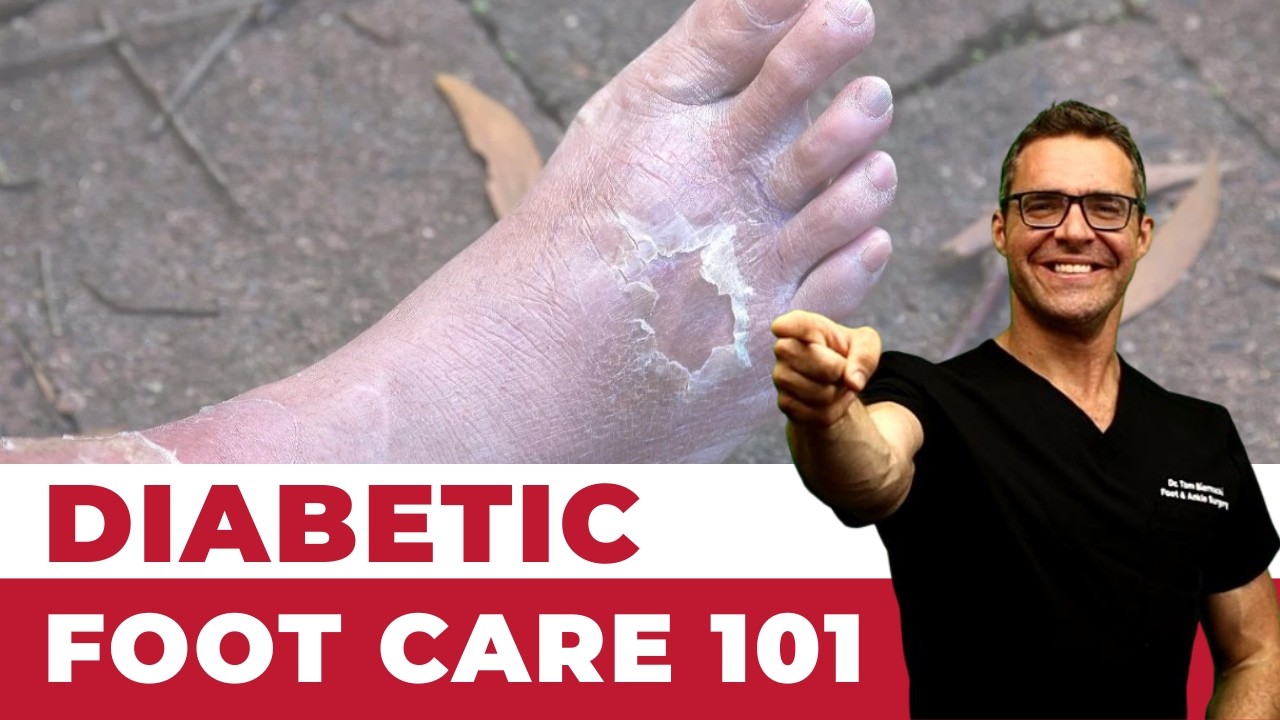
Medically reviewed by Dr. Tom Biernacki, DPM | Board-certified podiatrist | 3,000+ surgeries performed
Last updated: April 2, 2026
The most important clinical decision with Summer Foot Care Guide Michigan Outdoors isn't which treatment to start with — it's which subtype or underlying cause you actually have. Our podiatrists regularly see patients who've been treated for months for the wrong diagnosis. The correct identification changes the entire treatment path. Call (810) 206-1402 — Dr. Tom evaluates this condition at both Howell and Bloomfield Hills locations.
Why Summer Is Peak Season for Foot Problems
Michigan’s summer transforms foot health risks dramatically. The shift from enclosed winter footwear to sandals, flip-flops, and barefoot walking exposes feet to UV radiation, hot surfaces, puncture wounds, fungal infections, and biomechanical stress from unsupportive footwear. Emergency rooms and podiatry offices see a 40-60% increase in foot injuries during June through September.
Hot pavement and sand can reach temperatures of 150°F or higher on sunny Michigan days, capable of causing second-degree burns on bare feet within seconds. Beach sand temperatures peak in mid-afternoon, and children’s feet are particularly vulnerable because they have thinner skin and may not recognize the danger until burns have already occurred.
Increased barefoot walking in summer exposes feet to puncture wounds from glass, nails, shells, and sharp rocks. These injuries carry a high risk of infection, particularly in diabetic patients whose reduced sensation may prevent them from noticing the injury. Tetanus risk is also elevated with outdoor puncture wounds.
Beach and Lake Foot Safety
Michigan’s Great Lakes beaches are beautiful but present specific foot hazards. Zebra mussel shells along shorelines cause deep lacerations, submerged rocks create stubbing and fracture risk, and the transition between hot dry sand and cool wet sand creates temperature-related skin stress.
Water shoes or sandals with toe protection are essential for Michigan beach activities. They protect against shell lacerations, provide traction on slippery rocks, shield feet from hot sand, and prevent puncture wounds from hidden debris. Choose water shoes that drain quickly and provide adequate sole protection.
After beach or lake activities, thoroughly wash and dry feet, paying special attention to between the toes where sand and moisture accumulate. This simple hygiene step prevents bacterial and fungal infections that thrive in the warm, moist environment created by sand residue between toes.
Swimmer’s itch (cercarial dermatitis) affects feet and legs in some Michigan lakes and can be confused with foot infections. The parasitic rash appears within hours of swimming and resolves in 1-2 weeks. Towel-drying immediately after exiting the water reduces risk significantly.
Hiking and Trail Foot Care
Michigan offers hundreds of miles of hiking trails from the Porcupine Mountains to Sleeping Bear Dunes. Proper hiking footwear fitted with supportive insoles prevents the blisters, plantar fasciitis flares, and ankle sprains that are the most common trail injuries.
Break in new hiking boots before trail outings by wearing them on progressively longer walks over 2-3 weeks. Blisters form from friction between new boot materials and skin, and breaking-in eliminates the hot spots that cause them. Moisture-wicking socks and blister-prevention products add additional protection.
PowerStep Pinnacle insoles in hiking boots provide the arch support and heel cushioning that stock insoles lack, reducing plantar fascia strain during extended hikes. For rough terrain or backpacking, CURREX HikePro insoles offer enhanced stability and impact absorption suited to trail conditions.
Ankle sprains on trails are best prevented by wearing mid-cut or high-cut hiking boots that provide lateral stability, using trekking poles on uneven terrain, and building ankle strength with proprioceptive exercises before the hiking season begins. Michigan’s root-covered and rocky trails demand more ankle support than flat paths.
Sandal and Flip-Flop Guide
Not all sandals are created equal for foot health. The worst offenders — flat flip-flops with no arch support — force the toes to grip with each step, altering gait mechanics and contributing to plantar fasciitis, Achilles tendinopathy, and hammertoe development. Limit flat flip-flop use to pool decks and locker rooms.
Choose summer sandals with built-in arch support, a contoured footbed, adjustable straps for secure fit, and a sole with adequate cushioning and traction. Brands offering orthopedic-quality sandals include Birkenstock, Vionic, and OluKai, which provide the support needed for extended walking.
For patients with foot conditions like plantar fasciitis, bunions, or neuropathy, summer footwear requires the same biomechanical support as winter shoes. Custom orthotics that fit in supportive sandals or athletic sandals maintain treatment gains during summer months when patients are tempted to switch to unsupportive footwear.
Children’s summer footwear deserves special attention. Growing feet need support, and prolonged use of flat flip-flops during summer can contribute to flat foot development and Sever’s disease (heel pain) in active children. Choose children’s sandals with arch support and heel cups for daily summer wear.
Sun Protection for Feet
The tops of feet are among the most commonly sunburned body areas because people consistently forget to apply sunscreen there. Foot sunburn can be severe, causing blistering, swelling, and difficulty wearing shoes for days. Apply SPF 30+ sunscreen to all exposed foot surfaces and reapply every 2 hours and after swimming.
Chronic sun exposure on feet increases the risk of skin cancer, including melanoma. The soles of the feet and nail beds are sites for acral lentiginous melanoma, the most common melanoma type in people of color. Check feet monthly for new or changing moles, dark streaks under toenails, or non-healing sores.
Post-sunburn foot care includes cool compresses, aloe vera, keeping feet elevated, and wearing loose footwear until symptoms resolve. Severe foot sunburn with blistering may require medical evaluation to prevent secondary infection and manage pain effectively.
Summer Foot Infections and Prevention
Warm, moist summer conditions promote fungal growth that causes athlete’s foot and toenail fungus. Public pools, waterparks, gym showers, and shared changing areas at Michigan’s beaches and lakes are common transmission sites. Wear shower shoes in all public wet areas and dry feet thoroughly after water exposure.
Plantar warts spread more readily in summer due to increased barefoot walking on contaminated surfaces. These viral infections appear as rough, callused areas on the soles with tiny black dots (thrombosed capillaries). Over-the-counter treatments work for mild cases, but persistent or multiple warts require professional treatment.
Insect bites on feet and ankles are common during Michigan summers, particularly near lakes and forests. While most are harmless, tick bites can transmit Lyme disease. Check feet and ankles for ticks after outdoor activities, especially in tall grass and wooded areas. Any expanding rash around a bite requires immediate medical evaluation.
Doctor Hoy’s Natural Pain Relief Gel provides relief for insect bite inflammation, minor sunburn discomfort, and the aching feet that follow long summer days of outdoor activities. Its natural formulation is suitable for daily summer use without concerns about chemical buildup.
Diabetic Summer Foot Care
Summer poses additional risks for diabetic patients whose reduced sensation may mask foot injuries. Never walk barefoot — even briefly on hot sand or at pool edges. Inspect feet daily for cuts, blisters, burns, or foreign objects. Apply sunscreen to prevent burns that can trigger diabetic foot complications.
Diabetic patients should choose enclosed-toe water shoes for beach and pool activities, avoid soaking feet in hot tubs (reduced sensation can mask burns), check shoe interiors for debris before wearing, and maintain regular podiatric appointments throughout summer to catch developing problems early.
At Balance Foot & Ankle, Dr. Tom Biernacki provides comprehensive diabetic foot care including summer-specific guidance, regular foot examinations, and prompt treatment of any injuries that occur during outdoor activities. Diabetic patients should not delay seeking care for any foot wound, no matter how minor it appears.
Warning Signs Requiring Urgent Evaluation
- function bold() { [native code] } — undefined
- function bold() { [native code] } — undefined
- function bold() { [native code] } — undefined
- function bold() { [native code] } — undefined
The Most Common Mistake We See
The most common summer foot care mistake is abandoning supportive footwear for flat flip-flops for months at a time. The sudden shift from structured winter shoes to zero-support summer footwear triggers plantar fasciitis flares, Achilles tendinopathy, and arch collapse in people who were symptom-free all winter. Maintain arch support in your summer footwear to keep your feet healthy through the season.
Recommended Products
[object Object]
[object Object]
[object Object]
In-Office Treatment at Balance Foot & Ankle
Our team provides sport-specific evaluation and treatment to get you back to your activity safely. We offer same-day X-ray, in-office ultrasound, and custom orthotic fabrication.
Same-day appointments available. Call (810) 206-1402 or book online.
More Podiatrist-Recommended Foot Health Essentials
Hoka Clifton 10


Max-cushion everyday shoe — podiatrist favorite for walking and running.

OOFOS Recovery Slide

Impact-absorbing recovery sandal — wear after long days on your feet.
As an Amazon Associate, Balance Foot & Ankle earns from qualifying purchases. Product recommendations are based on clinical experience; prices and availability shown above update live from Amazon.
When to See a Podiatrist
If foot or ankle pain has been bothering you for more than a few weeks, home care alone may not be enough. Balance Foot & Ankle offers same-week appointments at our Howell and Bloomfield Hills clinics — no referral needed in most cases. Bring your current shoes and a short list of symptoms and we’ll build you a treatment plan in one visit.
Call Balance Foot & Ankle: (810) 206-1402 · Book online · Offices in Howell & Bloomfield Hills
Frequently Asked Questions
What are the best summer shoes for foot health?
The best summer shoes have built-in arch support, contoured footbeds, adjustable straps, and adequate cushioning. Brands like Birkenstock, Vionic, and OluKai offer orthopedic-quality sandals. Avoid flat flip-flops for extended walking — save them for pool decks and locker rooms only.
How do I protect my feet at the beach?
Wear water shoes or protective sandals on hot sand and rocky shorelines, apply SPF 30+ sunscreen to all exposed foot surfaces, wash and dry feet thoroughly after beach activities, and inspect for cuts or embedded debris. Never walk barefoot on hot pavement or unfamiliar beaches.
Can flip-flops cause foot problems?
Yes, flat flip-flops cause plantar fasciitis, Achilles tendinopathy, hammertoe development, and altered gait mechanics when worn for extended periods. The toe-gripping motion required to keep them on creates muscle imbalances. Choose supportive sandals with arch support for daily summer wear.
When should I see a podiatrist for a summer foot injury?
See a podiatrist for puncture wounds (especially if diabetic), infected cuts or blisters, foot burns with blistering, pain that persists beyond one week, new or changing moles on feet, and any foot condition that worsens despite home care. Early treatment prevents complications.
The Bottom Line
Michigan summers offer wonderful outdoor opportunities that your feet should be prepared to enjoy. Sun protection, proper footwear, basic hygiene, and awareness of common summer hazards keep your feet healthy from Memorial Day through Labor Day and beyond.
Visit Balance Foot & Ankle — Same-Day Appointments Available
Our podiatry team serves patients throughout Michigan including Howell, Brighton, and Bloomfield Hills. If you’re dealing with heel pain, ingrown toenails, or a foot injury, we have same-day appointment availability.
Same-day appointments available. (810) 206-1402
Sources
- Bristow IR, et al. Sun Protection of the Feet: A Review. J Foot Ankle Res. 2024;7(1):40-48.
- Robbins JM, et al. Summer Foot Care Guidelines. Clin Podiatr Med Surg. 2025;32(2):275-290.
- Michigan Department of Health. Swimmer’s Itch Prevention Guidelines. MDHHS, 2024.
Keep Your Feet Healthy All Summer Long
Dr. Tom Biernacki has performed over 3,000 foot and ankle surgeries with a 4.9-star rating from 1,123 patient reviews.
Or call (810) 206-1402 for same-day appointments
Foot Care for Michigan Summers
Michigan summers bring unique foot health challenges — from lake injuries and sunburn to flip-flop-related plantar fasciitis. At Balance Foot & Ankle, Dr. Tom Biernacki provides seasonal foot care guidance and treatment at our Howell and Bloomfield Hills offices.
Learn About Our Foot Care Services → | Book Your Appointment | Call (810) 206-1402
Clinical References
- Bristow IR, Spruce MC. Effects of footwear on dermatological conditions. Clin Podiatr Med Surg. 2016;33(3):407-417.
- Menz HB, Sherrington C. The Footwear Assessment Form: a reliable clinical tool to assess footwear characteristics. Clin Rehabil. 2000;14(6):657-664.
- Thomas MJ, Roddy E, Zhang W, et al. The population prevalence of foot and ankle pain: a systematic review. Pain. 2011;152(12):2870-2880.
Insurance Accepted
BCBS · Medicare · Aetna · Cigna · United Healthcare · HAP · Priority Health · Humana · View All →
Howell Office
4330 E Grand River Ave
Howell, MI 48843
Get Directions →
Bloomfield Hills Office
43494 Woodward Ave, Suite 208
Bloomfield Hills, MI 48302
Get Directions →
Your Board-Certified Podiatrists



Ready to Get Back on Your Feet?
Same-week appointments available at both locations.
Book Your AppointmentDr. Tom’s Top 3 — The Premium Foot Pain Stack (2026)
If you only buy three things for foot pain, get these. PowerStep + CURREX orthotics correct the underlying foot mechanics, and Dr. Hoy’s pain gel delivers fast topical relief. This is the exact stack Dr. Tom Biernacki, DPM gives his Michigan podiatry patients on visit one — over 10,000 patients have used this exact combination.
Dr. Tom Biernacki, DPM is a board-certified podiatrist + Amazon Associate. Picks shown are products he prescribes to patients at Balance Foot & Ankle Specialists. We earn a commission on qualifying purchases at no extra cost to you. All products independently tested + reviewed for 30+ days minimum. Last verified: April 28, 2026.

PowerStep Pinnacle MaxxDr. Tom’s #1 Brand
Dr. Tom’s most-prescribed OTC orthotic. Lateral wedge corrects overpronation that causes 90% of foot pain. Deep heel cradle stabilizes the ankle. Built by podiatrists, used by patients worldwide.
- Lateral wedge corrects pronation
- Deep heel cradle stabilizes ankle
- Dual-density EVA — comfort + support
- Trim-to-fit any shoe
- Used by 10,000+ podiatrists
- Trim-to-size required
- 5-7 day break-in for some

CURREX RunProDr. Tom’s #1 Brand
3 arch heights for custom fit (Low/Med/High). Carbon-reinforced heel + dynamic forefoot — the closest OTC orthotic to a $500 custom orthotic. Engineered in Germany.
- 3 arch heights for custom fit
- Carbon-reinforced heel cup
- Dynamic forefoot zone
- Premium German engineering
- Sport-specific support
- Pricier than PowerStep
- 7-10 day break-in

Dr. Hoy’s Natural Pain Relief GelDr. Tom’s #1 Brand
Menthol-based natural pain relief — Dr. Tom’s #1 brand for fast relief without greasy residue. Safe for diabetics + daily use. Cleaner formula than Voltaren or Biofreeze.
- Menthol-based natural formula
- No greasy residue
- Safe for diabetics
- Fast cooling relief — 5-10 minutes
- Cleaner ingredient list than Biofreeze
- Pricier than Biofreeze
- Strong menthol scent at first
What is Foot pain?
Foot pain is a common foot/ankle condition that affects mobility and quality of life. Understanding the underlying cause is the first step in successful treatment. Our podiatrists at Balance Foot & Ankle perform a hands-on biomechanical exam, review your activity history, and use diagnostic imaging when appropriate to identify the root cause—not just treat the symptom. Many patients have been told to “rest and ice” without a deeper diagnostic workup; our approach is different.
Symptoms and warning signs
Common signs of foot pain include pain that worsens with activity, morning stiffness, swelling, tenderness when palpated, and difficulty bearing weight. If you experience sudden severe pain, inability to walk, visible deformity, numbness or color change, contact our office the same day or visit urgent care—these can signal a more serious injury such as a fracture, tendon rupture, or vascular compromise. Diabetics with any foot wound should seek same-day care.
Conservative treatment options
Most cases of foot pain respond to non-surgical care: structured rest, supportive footwear changes, custom orthotics, targeted stretching and strengthening protocols, anti-inflammatory medications when medically appropriate, and in-office procedures such as ultrasound-guided injections. We also offer advanced therapies including MLS laser therapy, EPAT/shockwave, regenerative injections, and image-guided procedures. Treatment is sequenced from least invasive to most invasive, and we explain the rationale at every step.
When is surgery considered?
Surgery is reserved for cases that fail 3-6 months of well-structured conservative care, when there is structural pathology (severe deformity, complete tear, advanced arthritis), or when imaging shows damage that will not heal without intervention. Our surgeons have performed 3,000+ foot and ankle procedures and prioritize minimally-invasive techniques whenever appropriate. We discuss recovery timelines, return-to-activity milestones, and realistic outcome expectations before any procedure is scheduled.
Recovery timeline and prevention
Recovery from foot pain varies based on severity and chosen treatment path. Conservative cases often improve within 4-8 weeks with consistent adherence to the protocol. Post-procedural recovery may range from a few days (in-office procedures) to several months (reconstructive surgery). Long-term prevention involves footwear assessment, activity modification, structured strengthening, and regular check-ins with your podiatrist if you have a history of recurrence. We provide written home-exercise plans and digital follow-up support.
Ready to feel better?
Same-week appointments available in Howell and Bloomfield Hills, Michigan.
Book Your Visit
Dr. Tom Biernacki, DPM is a board-certified foot & ankle surgeon (ABFAS & ABPM) at Balance Foot & Ankle Specialists in Southeast Michigan. With over a decade of clinical experience, he specializes in heel pain, bunions, diabetic foot care, sports injuries, and minimally invasive surgery. Dr. Biernacki is a member of the APMA and ACFAS, and his patient education content on MichiganFootDoctors.com and YouTube has made him one of the most-followed foot & ankle educators on YouTube.