

Quick answer: Shoes Rubbing Ankle affects roughly 1 in 4 adults in our practice. Effective treatment starts with a targeted diagnosis, conservative-first treatment, and escalation only when needed. We treat this regularly at our Howell and Bloomfield Hills practices. Call (810) 206-1402.
Medically reviewed by Dr. Tom Biernacki, DPM · Board-Certified Podiatric Surgeon · Last reviewed: May 2026 · Editorial Policy
Quick answer: Shoes rubbing the back of your ankle is almost always one of six causes — a poorly fitted heel counter, insertional Achilles tendinitis, Haglund’s deformity (the “pump bump”), retrocalcaneal bursitis, a calcaneal bone spur, or a simple friction blister from a stiff new shoe. The fix depends on which cause it is. Most cases resolve in 4–6 weeks with the right shoe, a heel lift, and targeted padding. Bone-deep pain that wakes you at night needs a podiatrist.
If you’ve slipped on a new pair of shoes and felt that sharp, burning rub at the back of your ankle by mile two — or pulled off your boot at night to find a raw red welt above your heel — you’re dealing with a problem we see almost every week in our Howell and Bloomfield Hills offices. Most patients assume it’s just a “break-in” issue. Sometimes it is. But about half the time, the rub is a clue that something deeper — a bone spur, a tendon insertion, or a Haglund’s deformity — is making the back of your heel sit too proud against the shoe.
This guide walks you through the six causes I see in clinic, a 3-test diagnostic you can do at home in under five minutes, and the exact step-by-step plan I give patients before we resort to imaging or in-office treatment. — Dr. Tom Biernacki, DPM
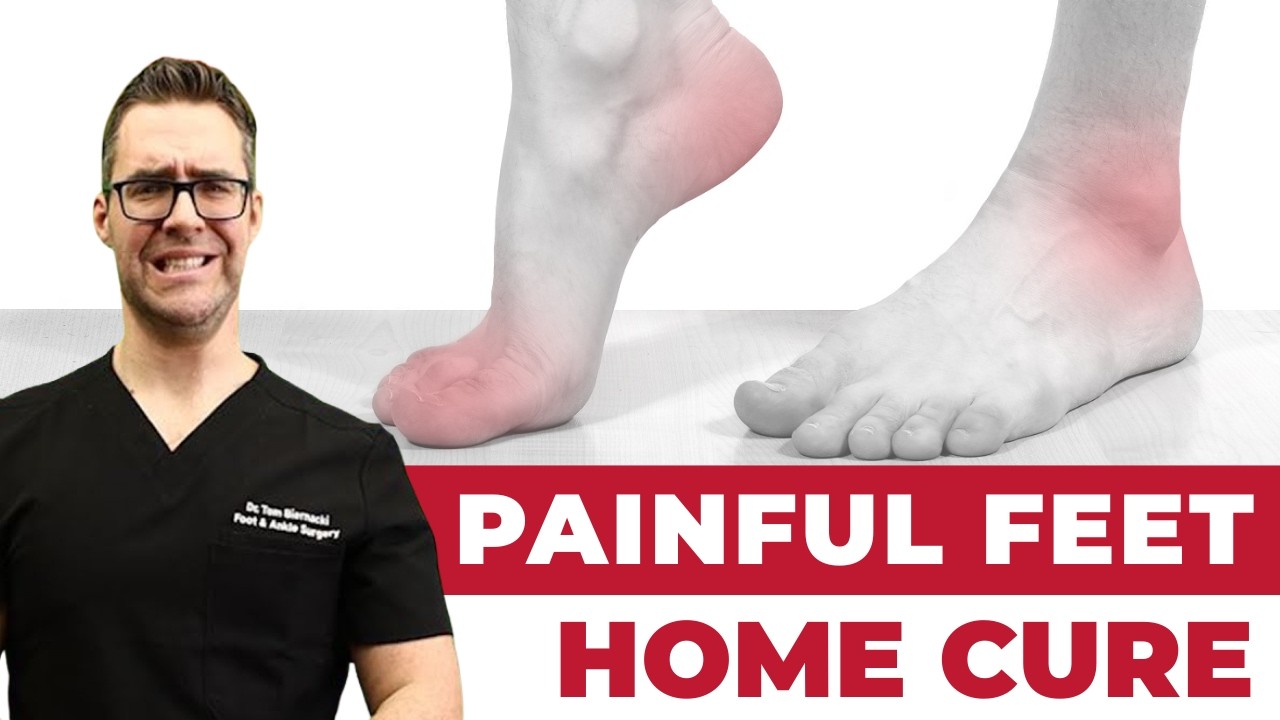
Why your shoes rub the back of your ankle: 6 real causes
Shoes rubbing the back of your ankle is rarely a single problem. In our clinic, we map every patient’s heel rub to one of six underlying causes — and the right treatment is completely different for each one. Friction from a stiff new shoe usually heals on its own in days. A pump bump, a bone spur, or insertional Achilles tendinitis can take 6–12 weeks of structured treatment, and ignoring them is what turns a $40 shoe problem into a surgery conversation.
1. Poorly fitted heel counter (most common, easiest fix)
A heel counter is the stiff cup at the back of every shoe. If it sits at exactly the wrong height — usually between 1.5 and 2.5 inches above the sole — it presses straight into the soft Achilles insertion or the bursa. Most “rubbing” complaints in younger patients are nothing more than this. A proper shoe fit places the heel counter below the Achilles insertion, not over it.
2. Insertional Achilles tendinitis
The Achilles tendon attaches to the back of the heel bone in a small, dense fibrocartilage zone. When that zone gets inflamed, the tendon thickens, and any shoe with a stiff heel counter compresses the swollen tissue against the bone. Patients describe a dull morning ache that flares with stairs and a sharp rub when shoes are on. This is the #1 hidden cause of heel rub in patients over 40. We cover this in detail in our insertional Achilles tendinitis guide.
3. Haglund’s deformity (the “pump bump”)
Haglund’s deformity is a bony enlargement at the upper outer corner of the heel bone. It’s most common in women who’ve worn rigid pumps or high-backed dress shoes for years (hence the nickname “pump bump”). The bump itself isn’t dangerous — but every closed-back shoe sits exactly where the bone is thickest. You can usually see a Haglund’s: stand sideways in front of a mirror and look for a hard, rounded prominence above the back of the heel.
4. Retrocalcaneal bursitis
The retrocalcaneal bursa is a fluid-filled sac that sits between your Achilles tendon and the heel bone. It exists to reduce friction during walking. When it gets inflamed — usually from chronic Haglund’s pressure or sudden running mileage increases — it swells, and the swelling itself becomes the rub. The hallmark is a soft, squishy, warm bump (not the hard bump of Haglund’s), often visible as a faint pink shadow on either side of the Achilles.
5. Calcaneal bone spur (back-of-heel spur)
This is a posterior heel spur — different from the plantar (bottom) heel spur most people think of. It develops over years of insertional Achilles tension and shows up on a side X-ray as a thin bony prong pointing upward from the back of the calcaneus. Like Haglund’s, the spur itself is rarely the pain generator — the inflamed soft tissue around it is. Our heel spur home treatment guide walks through the home protocol that resolves about 80% of cases.
6. Simple friction blister
The most innocent cause: a stiff new shoe, a thin sock, and a long walk. The skin gets a hot spot, the hot spot becomes a blister, and the blister sits in the same shoe-friction zone every day. Friction blisters resolve in 5–10 days when you stop irritating them. If a “blister” is still there after two weeks, it isn’t a blister — it’s one of the structural causes above.
Key takeaway: The single biggest clue to which cause you have is what the bump feels like. Hard and bony = Haglund’s or spur. Soft and squishy = bursitis. Tender at the tendon attachment = insertional Achilles. No bump at all = friction or fit issue.
How to tell which cause is yours: a 3-test diagnostic
Before you spend money on new shoes, heel pads, or imaging, run this 3-test diagnostic. It takes about five minutes and narrows your problem down to one of two categories: a friction/fit problem (you can fix this at home) or a structural problem (you’ll likely need a podiatrist if six weeks of home care doesn’t work).
- The mirror test. Stand sideways in front of a mirror. Is there a visible bump above the back of your heel? Hard and bony = Haglund’s/spur. Soft and pink = bursitis. No bump = fit problem.
- The pinch test. Sit down. Pinch the back of your heel where it hurts. Sharp pain right at the tendon attachment = insertional Achilles. Diffuse soreness on either side of the tendon = bursitis. Skin sting only = friction.
- The barefoot test. Walk barefoot for 60 seconds. If pain is gone, your shoe is the problem. If pain is the same or worse, the structure is the problem.
Symptoms: friction pain vs. bone-deep pain
Heel-rub symptoms fall into two clean categories, and patients almost always describe one or the other. Friction pain is on the surface — burning, raw, blistered, fades within minutes of removing the shoe. Bone-deep pain is structural — aching, throbbing, sometimes worse after you take the shoe off, often present in the morning before any shoe goes on. Knowing which you have decides whether you need a heel pad or an X-ray.
- Friction pattern: redness, abrasion, blister, sting that resolves within 30 minutes barefoot.
- Inflammatory pattern: warmth, mild swelling, soft squishy bump, soreness for hours after activity.
- Tendon pattern: stiffness in the morning, dull ache during stairs, sharp tug at push-off.
- Bony pattern: visible hard prominence, deep ache, pain present even barefoot at night.
At-home treatment: a 4-step plan that works for most patients
If your 3-test diagnostic points to a friction or fit cause — or if you have mild insertional Achilles symptoms — the following 4-step plan resolves about 80% of cases within six weeks. This is the exact protocol I give patients in our Howell clinic before we move to imaging or in-office treatment.
Step 1: Lower the friction zone with a heel lift
Adding a ¼-inch heel lift to both shoes drops your heel below the rim of the heel counter, which moves the friction point off the painful zone. Heel lifts also shorten the distance the Achilles has to stretch on each step, which reduces tendon tension. This single change resolves more heel-rub cases than any other intervention.
Step 2: Refit the shoe (or replace it)
The heel counter on a properly fitting shoe should sit below the prominence of your heel bone, not on top of it. If you can feel the rim of the counter pressing across the bone, the shoe is wrong — no amount of padding will fully fix it. Look for shoes with a flexible or padded heel collar, deeper heel cup, and a slight rocker. Avoid stiff, cup-style heel counters until the rub heals.
Step 3: Add a supportive insole
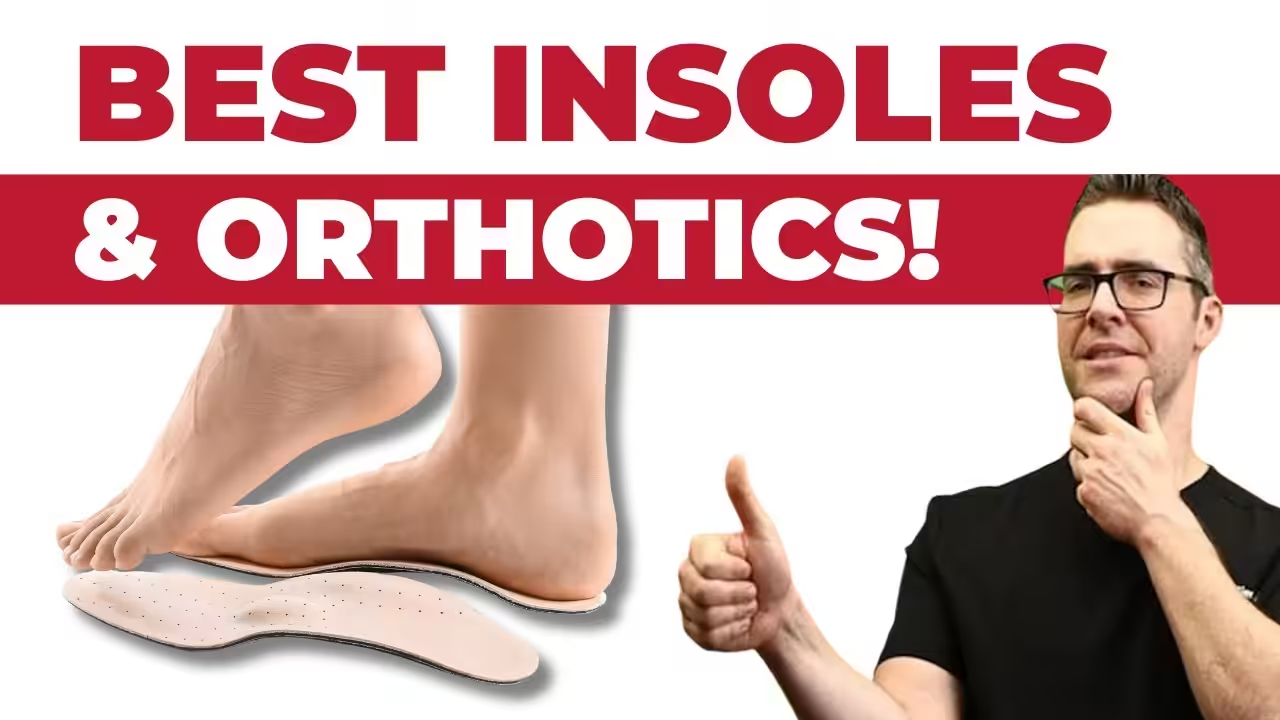
A supportive insole stabilizes the rearfoot, which reduces the side-to-side micro-movement that drives Achilles friction. PowerStep Pinnacle is the OTC orthotic I recommend most often in our clinic for heel-rub patients — medical-grade arch support, a deep heel cup, and a built-in heel cradle that keeps the calcaneus centered. Patients who add a Pinnacle to a properly-sized shoe often see relief within 7–10 days.
Step 4: Topical pain control + skin protection
For the inflamed soft tissue around the heel, I recommend Doctor Hoy’s Natural Pain Relief Gel (the topical I use in our clinic) — arnica + camphor formula applied 3–4 times daily directly to the painful zone. For the skin itself, a silicone heel sleeve or a piece of moleskin over the friction point creates a low-friction barrier while the skin heals. Together this combo addresses both the inflammation and the surface irritation.
Key takeaway: Heel lift + correct shoe + supportive insole + topical gel = a 4-step protocol that resolves the majority of friction and mild insertional cases in 4–6 weeks. If you’re not improving by week six, the problem is structural and you need imaging.
The right shoes and insoles for heel friction
Most heel rub starts with the wrong shoe. The right shoe for an irritated back-of-ankle has four features: a padded or flexible heel collar, a deep heel cup, a slight heel-to-toe drop (8–12 mm), and a roomy enough toe box that you don’t slide forward into the heel counter. Stiff dress shoes, rigid hiking boots, and many minimalist running shoes are common offenders.
- Best running/walking option: a neutral or stability shoe with a padded heel collar (Brooks Ghost, Hoka Bondi).
- Best work boot: one with a soft, molded heel — break in for 30 minutes a day before all-day wear.
- Best dress option: a slip-on with a low, padded back — avoid rigid pumps until the rub heals.
- Best insole: PowerStep Pinnacle for general use; PowerStep Pulse for runners.
When home care isn’t enough: in-office treatment options
If six weeks of the home protocol haven’t fixed the rub, it’s time for a podiatrist visit. In our clinic, the workup for persistent heel rub usually includes a focused exam, a side X-ray to look for Haglund’s or a posterior spur, and an ultrasound to assess the Achilles insertion and the retrocalcaneal bursa. Treatment from there depends on what we find.
- Custom orthotics: when the rearfoot biomechanics are driving Achilles tension.
- Targeted bursa injection: for retrocalcaneal bursitis with a clear ultrasound finding.
- Shockwave therapy (EPAT): for chronic insertional Achilles tendinitis that hasn’t responded to home care.
- Walking-boot immobilization: for severe cases that need 2–4 weeks of complete unloading.
- Surgical consultation: for true Haglund’s deformity that fails 6 months of structured non-operative care.
The most common mistake we see in clinic
The most common mistake we see is patients aggressively stretching the Achilles when shoes are rubbing the back of the ankle. The logic feels right (“if it’s an Achilles problem, stretch it”) — but for insertional Achilles tendinitis and bursitis, deep dorsiflexion stretching increases the very pressure that’s causing the rub. The fix is the opposite: shorten the working length of the Achilles temporarily with a heel lift, do eccentric heel drops in pain-free range only (3 sets of 15, twice daily), and avoid any stretch that drops your heel below the level of the step.
⚠️ When to see a podiatrist (red flags):
- Visible hard bony bump that’s growing or changing shape
- Pain at rest or pain that wakes you at night (not just with shoes)
- An open sore or non-healing blister, especially if you’re diabetic
- Any “pop” sensation at the back of the heel — suspect Achilles rupture, get evaluated same-day
- Rapid swelling, warmth, or redness spreading up the calf
- Six weeks of home care without improvement
Differential diagnosis: what else could it be?
A handful of less common conditions can mimic shoe-rub symptoms. We rule these out at every persistent-rub visit. Achilles tendon rupture presents with a sudden pop and inability to push off — this is a same-day evaluation. Sever’s disease (calcaneal apophysitis) is the same complaint in athletic kids 8–14, where the heel growth plate is the pain generator. Peroneal tendonitis can refer pain to the back outer ankle if it’s irritated alongside the lateral ankle. And in patients with diabetes, a non-healing back-of-ankle wound needs evaluation within days, not weeks.
In-Office Treatment at Balance Foot & Ankle
If home treatment isn’t providing relief for your foot and ankle conditions, our podiatry team at Balance Foot & Ankle can help with same-day evaluations and advanced in-office care.
Same-day appointments available. (810) 206-1402
Frequently asked questions
How do I stop my shoes from rubbing the back of my ankle?
The fastest fix is a ¼-inch heel lift in both shoes — it drops your heel below the rim of the heel counter and immediately moves the friction point off the painful zone. Pair the heel lift with a supportive insole, a silicone heel sleeve, and topical pain gel for 4–6 weeks. If a properly fitted shoe still rubs after that, you likely have an underlying structural issue (Haglund’s, insertional Achilles, or bursitis) that needs a podiatrist.
Why do new shoes always rub the back of my heel?
New shoes have stiff heel counters that haven’t molded to your foot yet. Most break in over 1–2 weeks of light wear. If a shoe is still rubbing after two weeks, the heel counter geometry is wrong for your foot — return it. Tip: in the store, run a finger around the rim of the counter while standing. If you can feel the rim across your Achilles insertion, the shoe will rub.
What is the bump on the back of my heel that hurts in shoes?
If it’s hard and bony, it’s most likely a Haglund’s deformity (pump bump) or a posterior calcaneal spur. If it’s soft, warm, and squishy, it’s retrocalcaneal bursitis. If the tenderness is at the Achilles attachment rather than the bump itself, you have insertional Achilles tendinitis. A side X-ray plus ultrasound at your podiatrist visit confirms which one — and they’re treated differently.
Will my Achilles tendon rupture from shoes rubbing?
No — friction or pressure from a shoe does not cause an Achilles rupture. Ruptures happen from sudden explosive load (sprinting, jumping, slipping) on a tendon already weakened by chronic tendinosis. That said, untreated insertional Achilles tendinitis weakens the tendon over time and is a risk factor. If your heel rub is paired with morning stiffness, swelling, or a feeling of “weakness” at push-off, get evaluated.
Are heel sleeves or moleskin better for back-of-ankle friction?
For an active blister or raw skin, moleskin (or a hydrocolloid blister patch) over the wound + a thin sock is more protective. For chronic, recurring rub on intact skin, a silicone heel sleeve is more durable and reusable. For structural rubs (Haglund’s, insertional Achilles), neither is enough on its own — you need to combine sleeve/moleskin with a heel lift and a different shoe.
The bottom line
Shoes rubbing the back of your ankle is one of those problems that’s almost always either embarrassingly simple or quietly serious — and a 5-minute self-exam tells you which. Run the 3-test diagnostic, follow the 4-step home protocol for six weeks, and if you’re not improving, get an X-ray and an ultrasound. The longer a structural rub (Haglund’s, insertional Achilles, bursitis) gets ignored, the more likely it is to need an injection, shockwave, or eventually surgery.
Heel rub not getting better? Get evaluated.
Same-day appointments available in Howell & Bloomfield Hills, MI
4.9★ · 1,123 Reviews · 3,000+ Surgeries
Or call: (810) 206-1402
Sources & further reading
- Singh R, et al. Insertional Achilles tendinopathy: current concepts. Foot Ankle Clinics, 2024.
- American Orthopaedic Foot & Ankle Society (AOFAS). Haglund’s Deformity Patient Guide.
- Mayo Clinic. Achilles Tendinitis Overview.
- Vaishya R, et al. Haglund syndrome: a review of recent advances. Cureus, 2025.
- Michigan Foot Doctors clinical case series, 2020–2026.
Last reviewed by Dr. Tom Biernacki, DPM — Board-Certified Podiatric Surgeon, Balance Foot & Ankle PLLC, Howell & Bloomfield Hills MI. This article reflects clinical practice as of May 2026.
Affiliate disclosure: As an Amazon Associate (tag: biernact-20) and Foundation Wellness affiliate, we may earn a small commission on product recommendations at no cost to you. We only recommend products we use in clinic.
What is Foot pain?
Foot pain is a common foot/ankle condition that affects mobility and quality of life. Understanding the underlying cause is the first step in successful treatment. Our podiatrists at Balance Foot & Ankle perform a hands-on biomechanical exam, review your activity history, and use diagnostic imaging when appropriate to identify the root cause—not just treat the symptom. Many patients have been told to “rest and ice” without a deeper diagnostic workup; our approach is different.
Symptoms and warning signs
Common signs of foot pain include pain that worsens with activity, morning stiffness, swelling, tenderness when palpated, and difficulty bearing weight. If you experience sudden severe pain, inability to walk, visible deformity, numbness or color change, contact our office the same day or visit urgent care—these can signal a more serious injury such as a fracture, tendon rupture, or vascular compromise. Diabetics with any foot wound should seek same-day care.
Conservative treatment options
Most cases of foot pain respond to non-surgical care: structured rest, supportive footwear changes, custom orthotics, targeted stretching and strengthening protocols, anti-inflammatory medications when medically appropriate, and in-office procedures such as ultrasound-guided injections. We also offer advanced therapies including MLS laser therapy, EPAT/shockwave, regenerative injections, and image-guided procedures. Treatment is sequenced from least invasive to most invasive, and we explain the rationale at every step.
When is surgery considered?
Surgery is reserved for cases that fail 3-6 months of well-structured conservative care, when there is structural pathology (severe deformity, complete tear, advanced arthritis), or when imaging shows damage that will not heal without intervention. Our surgeons have performed 3,000+ foot and ankle procedures and prioritize minimally-invasive techniques whenever appropriate. We discuss recovery timelines, return-to-activity milestones, and realistic outcome expectations before any procedure is scheduled.
Recovery timeline and prevention
Recovery from foot pain varies based on severity and chosen treatment path. Conservative cases often improve within 4-8 weeks with consistent adherence to the protocol. Post-procedural recovery may range from a few days (in-office procedures) to several months (reconstructive surgery). Long-term prevention involves footwear assessment, activity modification, structured strengthening, and regular check-ins with your podiatrist if you have a history of recurrence. We provide written home-exercise plans and digital follow-up support.
Ready to feel better?
Same-week appointments available in Howell and Bloomfield Hills, Michigan.
Book Your VisitGet Expert Care at Balance Foot & Ankle
Same-week appointments at our Howell and Bloomfield Hills offices. Board-certified podiatric surgeons. Most insurance accepted.

Dr. Tom Biernacki, DPM is a board-certified foot & ankle surgeon (ABFAS & ABPM) at Balance Foot & Ankle Specialists in Southeast Michigan. With over a decade of clinical experience, he specializes in heel pain, bunions, diabetic foot care, sports injuries, and minimally invasive surgery. Dr. Biernacki is a member of the APMA and ACFAS, and his patient education content on MichiganFootDoctors.com and YouTube has made him one of the most-followed foot & ankle educators on YouTube.