
Medically reviewed by Dr. Tom Biernacki, DPM
Board-certified podiatric surgeon | Balance Foot & Ankle, Howell & Bloomfield Township, MI
Last reviewed: May 2026
| Anderson-Coughlin Grade | Injury Pattern | MRI Findings | Treatment & Return to Play |
|---|---|---|---|
| Grade 1 | Stretching of plantar capsuloligamentous complex; intact | Normal or mild edema; no structural damage | RICE; buddy tape; stiff-soled shoe; return to play 1–3 days |
| Grade 2 | Partial tear of plantar plate/capsule; sesamoids intact | Partial capsular tear; periarticular edema | Boot NWB 5–7 days; tape + stiff shoe; return to play 3–14 days |
| Grade 3A | Complete capsuloligamentous tear; sesamoid fracture | Complete plantar plate disruption; sesamoid fracture on MRI | NWB boot 4–6 weeks; consider surgery for displaced fracture; return to play 8–12 weeks |
| Grade 3B | Complete tear + sesamoid retraction ≥3mm or diastasis | Bipartite sesamoid diastasis >3mm or proximal retraction | Surgery required — sesamoid repair/excision; return to play 3–6 months |
| Treatment | Grade | Timeline | Key Consideration |
|---|---|---|---|
| RICE + taping | 1–2 | Immediate; 1–3 weeks ongoing | Limit MTP dorsiflexion; buddy tape to 2nd toe; 1/2″ dorsal foam block under tape |
| Stiff-soled shoe or carbon fiber plate | 1–3 | Until asymptomatic | Reduces MTP dorsiflexion force during push-off; mandatory for all grades |
| NWB boot | 2–3 | 5 days (Grade 2); 4–6 weeks (Grade 3) | Protects plantar plate from further stress; required for complete tears |
| Corticosteroid injection | 1–2 (pain control) | Short-term relief only | NOT recommended in acute Grade 2–3 — delays healing; weakens tissue |
| Surgical repair | 3B; displaced sesamoid fracture; failed conservative Grade 3A | NWB 6 weeks; return to sport 3–6 months | Restores plantar plate integrity; sesamoid excision if non-reparable |
![#1 Big Toe Joint Pain Cure [Arthritis? Sesamoiditis? Turf Toe? Gout?]](https://www.michiganfootdoctors.com/wp-content/cache/flying-press/307076f00c306b5df44c95d32ca0514e.jpg)
Watch: #1 Big Toe Joint Pain Cure [Arthritis? Sesamoiditis? Turf Toe? Gout?] — MichiganFootDoctors YouTube
Foot pain isn't resolving?
Same-week appointments at Howell & Bloomfield Township
Medically Reviewed | Dr. Tom Biernacki, DPM | Board-Certified Podiatric Surgeon | Balance Foot & Ankle, Michigan
What Is Turf Toe?
Turf toe is a sprain of the capsuloligamentous complex of the first metatarsophalangeal (MTP) joint — the knuckle joint of the big toe — caused by forced hyperextension of the toe beyond its normal range of motion. The term originates from American football on artificial turf surfaces, where the more pliable shoe-turf interface allows the great toe to hyperextend as body weight passes over it during push-off. The injury involves varying degrees of damage to the plantar plate, sesamoids, collateral ligaments, and flexor hallucis brevis (FHB) tendon insertion. Turf toe is deceptively serious — what appears to be a mild “toe sprain” can cause prolonged functional deficits and premature athletic career decline when managed inadequately.
Anatomy of the First MTP Joint Complex
The first MTP joint bears the greatest plantar force during push-off — up to 200% of body weight in running. Its stability depends on the plantar plate (a thick fibrocartilaginous structure resisting hyperextension), two sesamoid bones embedded in the FHB tendons (which distribute forefoot pressure and serve as a fulcrum for the FHB), the collateral ligaments (preventing valgus/varus deviation), the joint capsule, and the flexor and extensor tendons. Turf toe disrupts this intricate complex in varying degrees, and the sesamoid-metatarsal interface is particularly vulnerable to chondral injury.
Grading and Severity
The Anderson and Coetzee grading system categorizes turf toe into three grades:
Grade I: Stretching of the capsule-ligament complex without macroscopic disruption. Mild pain, minimal swelling, preserved joint motion. Athletes often continue playing through Grade I injuries, which risks progression.
Grade II: Partial tearing of the plantar complex. Moderate pain, swelling, and ecchymosis (bruising) on the plantar and medial joint. Restricted dorsiflexion, tenderness with palpation of the plantar joint. Requires more significant treatment and recovery time.
Grade III: Complete disruption of the plantar capsuloligamentous complex, often with sesamoid fracture, osteochondral injury of the first metatarsal head, or sesamoid retraction. Severe pain, marked swelling, inability to bear weight, complete loss of push-off strength. Surgical consultation is often required.
Diagnosis
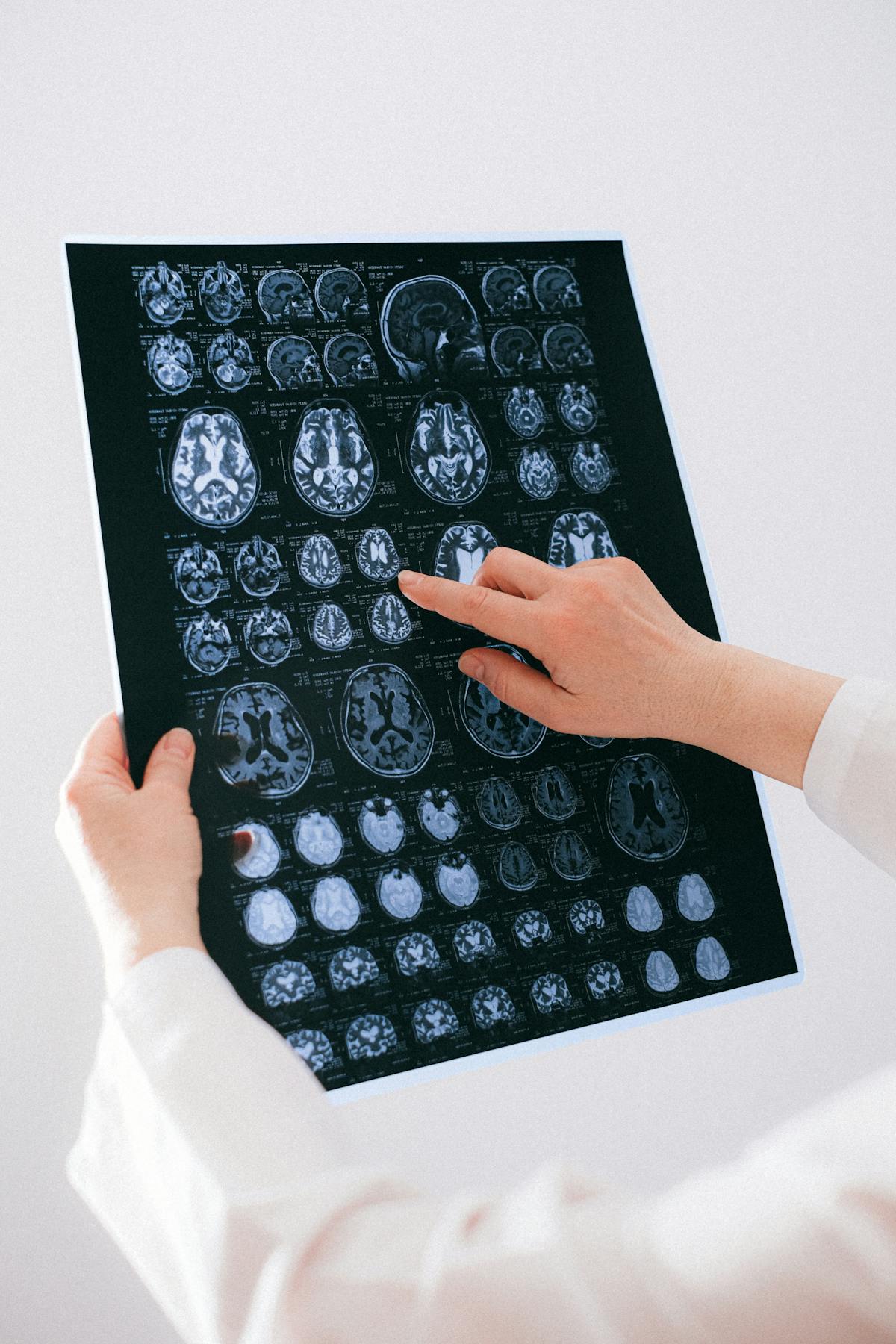
Clinical diagnosis combines history (mechanism of forced dorsiflexion, typically in an athletic context) with physical examination findings — plantar joint-line tenderness, pain with passive dorsiflexion, crepitus, and ecchymosis distribution. Weight-bearing X-rays assess the first MTP joint space, sesamoid position (proximal retraction indicates plantar plate disruption), and chondral defects. MRI is essential for Grade II–III injuries: it directly visualizes the plantar plate integrity, sesamoid cartilage, bone bruising, and identifies associated sesamoid fractures that require different management than ligamentous injuries alone.
Conservative Treatment
Grade I: “R&I” — rest and ice for 24–48 hours, buddy taping of the great toe to the second toe to limit hyperextension, and immediate return to sport in a stiff-soled shoe with a forefoot insole that restricts first MTP dorsiflexion. Most Grade I injuries allow same-game or next-day return with proper taping.
Grade II: Boot or rigid shoe immobilization for 1–3 weeks, followed by progressive rehabilitation. Carbon fiber orthotics with a Morton’s extension (rigid plate extending under the great toe) restrict first MTP motion and allow protected return to sport at 3–6 weeks. Physical therapy focuses on great toe flexor strengthening and proprioception.
Grade III (Non-Surgical): Non-weight-bearing for 1–2 weeks, boot immobilization for 4–6 weeks, progressive rehabilitation with return to sport at 8–12 weeks or longer. MRI guides whether surgery is needed.
Surgical Treatment
Surgery is indicated for Grade III injuries with: complete plantar plate disruption with first MTP joint instability, sesamoid retraction greater than 2–3mm, osteochondral fracture of the first metatarsal head, irreducible sesamoid fractures, and injuries refractory to conservative care. Surgical repair addresses each component: plantar plate advancement and repair, sesamoid reduction and fixation or excision if comminuted, osteochondral defect treatment, and collateral ligament repair as needed. Recovery from surgical turf toe repair requires 6–8 weeks non-weight-bearing, followed by progressive rehabilitation and return to sport at 4–6 months.
Long-Term Complications of Undertreated Turf Toe
The most concerning long-term sequelae of inadequately treated turf toe are hallux rigidus (arthritic stiffness of the first MTP joint from chondral damage), hallux valgus (bunion deviation from disrupted medial capsular restraints), and cock-up toe deformity (hyperextension deformity from sesamoid retraction and loss of flexor hallucis brevis function). These complications are largely preventable with appropriate initial management.
Dr. Biernacki’s Sports Medicine Approach
Dr. Tom Biernacki at Balance Foot & Ankle understands the time-sensitive nature of turf toe in competitive athletes. He grades injuries accurately with MRI, provides realistic return-to-sport timelines that don’t sacrifice long-term joint health for short-term playing time, and performs surgical repairs when the anatomy demands it. For youth athletes, he communicates directly with coaches and athletic trainers to coordinate safe return-to-sport protocols.
Dr. Tom's Product Recommendations

Superfeet CARBON Fiber Insoles (Turf Toe Edition)
⭐ Highly Rated
Ultra-rigid carbon fiber insole that restricts first MTP joint dorsiflexion — the primary biomechanical protection for turf toe return to sport. Fits in football and athletic cleats.
Dr. Tom says: “My podiatrist prescribed these for my turf toe return to football practice. The stiffness took all the hyperextension force away from my big toe.”
Grade I-II turf toe return to sport, first MTP joint protection in athletic footwear including cleats
Acute Grade III injuries requiring surgical consultation or strict immobilization boot
Disclosure: We earn a commission at no extra cost to you.

Pro-Tec Athletics Big Toe Splint Support
⭐ Highly Rated
Rigid splint that limits first MTP joint dorsiflexion. Used for acute turf toe immobilization and rehabilitation, compatible with most athletic shoes and cleats.
Dr. Tom says: “My athletic trainer recommended this immediately after my turf toe injury. It kept the joint protected until I could get to the podiatrist.”
Acute turf toe immobilization, Grade I-II splinting before specialist evaluation, sideline injury management
Suspected Grade III injuries with instability — use a boot and see Dr. Biernacki promptly
Disclosure: We earn a commission at no extra cost to you.
✅ Pros / Benefits
- MRI accurately grades injury severity and identifies sesamoid fractures and chondral damage requiring surgery
- Grade I-II injuries often allow same-week return to sport with proper taping and carbon fiber orthotics
- Surgical repair for Grade III injuries prevents long-term hallux rigidus and deformity
❌ Cons / Risks
- Grade III turf toe with plantar plate disruption requires surgery and 4-6 month return-to-sport timeline
- Undertreated turf toe leads to hallux rigidus, bunion deformity, and career-shortening joint damage
- Sesamoid fractures associated with turf toe require additional imaging and may require sesamoidectomy
Dr. Tom Biernacki’s Recommendation
Turf toe is one of the most common injuries I see in football players, and one of the most commonly undertreated. A Grade II or III turf toe that keeps getting ‘walked off’ and returned to sport without proper management will end up as hallux rigidus before the athlete is 30. The short-term cost of sitting out 2–4 weeks for a Grade II injury is nothing compared to the long-term cost of an arthritic big toe joint that limits every step for the rest of your life. I always tell athletes and their parents: this injury deserves respect.
— Dr. Tom Biernacki, DPM | Board-Certified Podiatric Surgeon | Balance Foot & Ankle
Frequently Asked Questions
How long does turf toe take to heal?
Grade I turf toe heals in 3–5 days with proper taping and rigid shoe modification. Grade II requires 2–4 weeks for return to full sport. Grade III can require 8–12 weeks with conservative management, or 4–6 months after surgical repair. Rushing return without adequate healing leads to Grade I progressing to Grade III and chronic joint damage.
Can I still play with turf toe?
Grade I injuries typically allow same-day or next-day return with proper taping and a stiff-soled shoe. Grade II injuries generally require a brief rest period — returning with significant Grade II injury risks progression to Grade III. Grade III injuries should not bear athletic loading until adequately evaluated and treated. Dr. Biernacki will give you a specific, realistic return-to-sport date based on your grade.
Is surgery always needed for turf toe?
No. The majority of turf toe injuries are Grade I or II and heal well with conservative management. Surgery is reserved for Grade III injuries with complete plantar plate disruption, sesamoid retraction, osteochondral fractures, or chronic instability following adequate conservative care.
What is the best tape for turf toe?
Athletic trainers typically use zinc oxide tape (1.5-inch) applied in a combination of vertical strips along the plantar great toe and anchor strips around the forefoot to create a dorsiflexion restriction. The tape should be checked and replaced daily. Dr. Biernacki or your athletic trainer can demonstrate proper turf toe taping technique.
Michigan Foot Pain? See Dr. Biernacki In Person
4.9★ rated | 1,123 Reviews | 3,000+ Surgeries
Same-week appointments · Howell & Bloomfield Township
📞 (810) 206-1402 Book Online →Frequently Asked Questions
When should I see a podiatrist?
If symptoms persist past 2 weeks, affect your normal activity, or are accompanied by red-flag symptoms (warmth, redness, swelling, inability to bear weight).
What does treatment cost?
Most diagnostic visits and conservative treatments are covered by Medicare and major insurers. Out-of-pocket costs vary by your specific plan.
How quickly can I get an appointment?
Most non-urgent cases see us within 5 business days. Urgent cases (sudden pain, possible fracture) typically same or next business day.
Foot pain typically responds best to early podiatrist evaluation, conservative treatments such as supportive footwear and targeted physical therapy, and—when needed—custom orthotics or in-office procedures. Most patients see meaningful improvement within 4-6 weeks of starting a structured treatment plan. Schedule an evaluation at our Howell or Bloomfield Township office for a clinical assessment.
Visit Balance Foot & Ankle — Same-Day Appointments Available
Our podiatry team serves patients throughout Michigan including Howell, Brighton, and Bloomfield Township. If you’re dealing with heel pain, ingrown toenails, or a foot injury, we have same-day appointment availability.
Ready to Get Relief?
Same-day appointments available in Howell & Bloomfield Township, MI
4.9★ | 1,123 Reviews | 3,000+ Surgeries
Or call: (810) 206-1402

Dr. Tom Biernacki, DPM is a board-certified foot & ankle surgeon (ABFAS & ABPM) at Balance Foot & Ankle Specialists in Southeast Michigan. With over a decade of clinical experience, he specializes in heel pain, bunions, diabetic foot care, sports injuries, and minimally invasive surgery. Dr. Biernacki is a member of the APMA and ACFAS, and his patient education content on MichiganFootDoctors.com and YouTube has made him one of the most-followed foot & ankle educators on YouTube.