


Quick answer: Volleyball Foot Ankle Injuries Ankle Sprain Stress Fracture is a common foot/ankle topic that affects many patients. The 2026 evidence-based approach combines proper diagnosis, conservative-first treatment, and escalation only when needed. We treat this regularly at our Howell and Bloomfield Township practices. Call (810) 206-1402.
![Calcaneus Stress Fracture Treatment [Heel Stress Fracture RECOVERY!]](https://www.michiganfootdoctors.com/wp-content/cache/flying-press/cdfca81fb25b3ea56c6af7d70a9e3fb0.jpg)
Watch: Calcaneus Stress Fracture Treatment [Heel Stress Fracture RECOVERY!] — MichiganFootDoctors YouTube

Medically Reviewed by Dr. Tom Biernacki, DPM, FACFAS — Board-certified podiatric surgeon | Balance Foot & Ankle | Last updated: May 2026
Quick Answer: Volleyball Foot & Ankle Injuries
The most common volleyball foot and ankle injuries are lateral ankle sprains (occurring at the net during blocking), plantar fasciitis from repetitive jumping, stress fractures of the metatarsals and sesamoids, and patellar/Achilles tendinopathy. Ankle sprains account for approximately 40–50% of all volleyball injuries. Most can be prevented with neuromuscular training, ankle bracing during play, and proper footwear. Injuries that don’t resolve within 2–4 weeks warrant podiatric evaluation and imaging.
Volleyball is a sport of explosive jumps, rapid lateral cuts, and hard landings — all high-demand movements for the foot and ankle. If you’re playing indoor competitive volleyball or recreational beach volleyball, the biomechanical demands are substantial. Understanding the injury patterns specific to volleyball helps athletes make smart decisions about prevention, early management, and when to seek care.
Most Common Volleyball Foot & Ankle Injuries
| Injury | Mechanism | Frequency | Recovery |
|---|---|---|---|
| Lateral ankle sprain | Landing on opponent’s foot at net | 40–50% of all injuries | 1–8 weeks |
| Plantar fasciitis | Repetitive jump landings, hard courts | Very common in setters/liberos | 4–12 weeks |
| Metatarsal stress fracture | Overuse, training load spike | 2nd/3rd met most common | 6–8 weeks non-weight-bearing |
| Sesamoid injury | Big toe hyperextension on landing | Common in setters | 6–12 weeks |
| Achilles tendinopathy | Repetitive eccentric load on jump landing | Overuse pattern | 6–16 weeks |
| Turf toe | Big toe dorsiflexion sprain | Beach volleyball more common | 2–6 weeks |
The Net Landing Ankle Sprain: Volleyball’s Signature Injury
The most uniquely volleyball ankle sprain occurs when a blocker lands on the foot of the opposing setter, who has crossed under the net. This mechanism places the ankle in forced inversion at the exact moment of high compressive loading — producing severe Grade 2–3 lateral sprains at rates far exceeding other sports. Studies of elite indoor volleyball players show ankle sprain recurrence rates of 70–80% without proper neuromuscular rehabilitation, because the first sprain damages ankle proprioceptors that would otherwise protect against subsequent sprains.
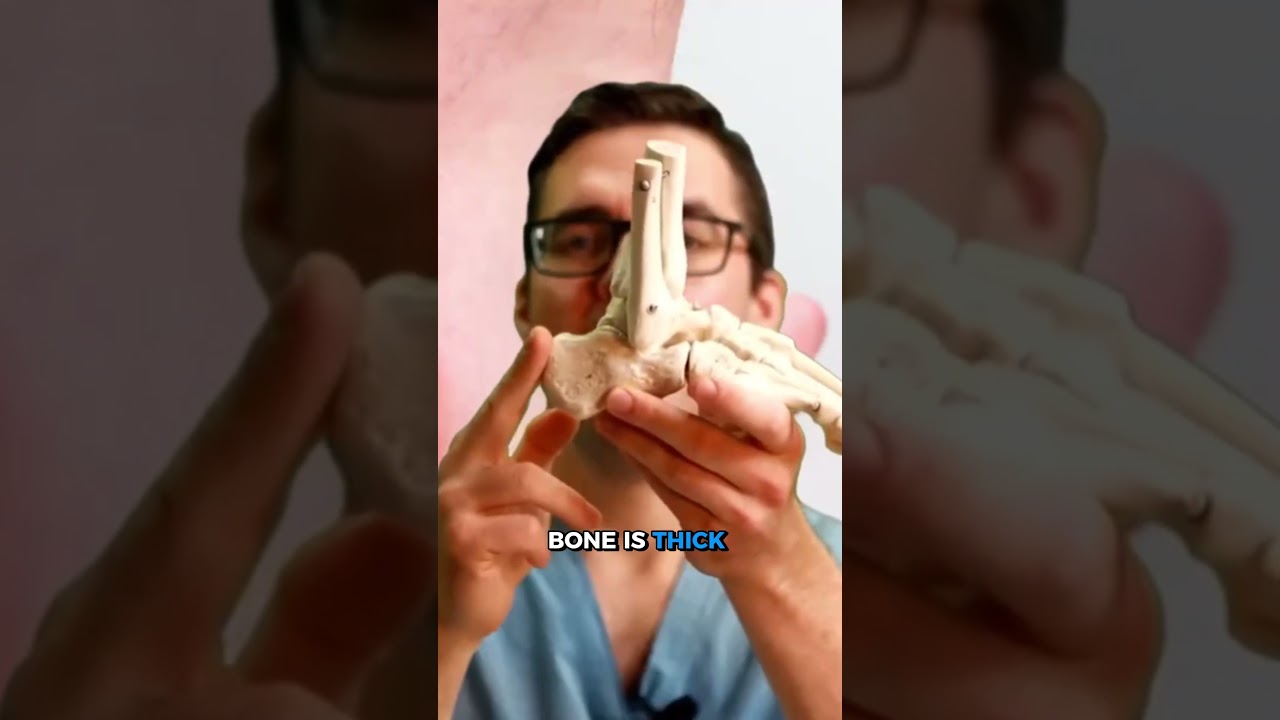
Watch: Heel Pain in Athletes — What Volleyball Players Need to Know
Dr. Tom covers the hidden reasons athletes develop heel and plantar pain — directly relevant to volleyball’s repetitive jump demands:
Book a same-day sports injury evaluation → | (810) 206-1402
Frequently Asked Questions
How do volleyball players prevent ankle sprains?
The most evidence-based prevention strategies are neuromuscular training programs (e.g., the FIFA 11+ or PREVENT injury programs adapted for volleyball), proprioceptive balance board training 3×/week, and semi-rigid ankle bracing during competition. Ankle bracing reduces first-time and recurrent sprain rates by approximately 50%. High-top volleyball shoes provide marginal additional support compared to bracing but can complement an overall prevention strategy.
What causes plantar fasciitis in volleyball players?
Volleyball-related plantar fasciitis stems from the cumulative compressive and tensile load on the plantar fascia during jump landings. A 150-lb athlete landing from a spike generates approximately 3–5× body weight through the foot. Combined with training on hard courts, inadequate footwear cushioning, and tight Achilles tendons, this produces the heel inflammation characteristic of plantar fasciitis. Podiatric evaluation including gait analysis and custom orthotics can significantly reduce recurrence.
Can volleyball cause stress fractures in the foot?
Yes — particularly in the 2nd and 3rd metatarsals, which bear disproportionate loading during jump landing and quick lateral movement. Stress fractures typically develop after a training load increase — a new season, added practice sessions, or a tournament weekend. Pain that is focal (one specific bone), worsens with activity, and does not improve with standard sprain management warrants imaging. Plain X-rays often miss early stress fractures; MRI or bone scan is needed within the first 2–3 weeks of symptoms.
How long do volleyball ankle sprains take to heal?
Grade 1: 1–2 weeks of modified training. Grade 2: 3–6 weeks with proper rehabilitation. Grade 3: 6–12 weeks, sometimes requiring boot immobilization. Athletes should not return to volleyball until they can complete a single-leg hop test, lateral shuffling, and jumping without apprehension or pain. Rushing return to the net before completing these functional criteria is the primary driver of recurrence.
Should volleyball players wear ankle braces?
Yes — the evidence strongly supports semi-rigid ankle bracing for volleyball, particularly for players with a prior ankle sprain history. Bracing does not significantly impair jump height or athletic performance at the recreational-to-collegiate level. Lace-up or hinged semi-rigid braces (e.g., ASO, Aircast) are the most studied types. Custom-fitted braces from a podiatrist provide the best combination of support and fit, especially for players with anatomical variations that affect off-the-shelf brace effectiveness.
Volleyball Injury Keeping You Off the Court?
Dr. Tom Biernacki, DPM specializes in sports foot and ankle injuries — same-week appointments available.
Related: Twisted Ankle First Aid | High Ankle Sprain Recovery | CrossFit Foot & Ankle Injuries | Ankle Strengthening Exercises
In-Office Treatment at Balance Foot & Ankle
If home treatment isn’t providing relief for your stress fractures, our podiatry team at Balance Foot & Ankle can help with same-week evaluations and advanced in-office care.
Same-week appointments available. (810) 206-1402
Doctor Hoy’s Natural Pain Relief Gel
Natural topical pain relief I use in our clinic. Arnica + camphor formula — apply directly to the area 3–4x daily. ($20–25)
Shop Doctor Hoy’s →Frequently Asked Questions
Get Expert Care at Balance Foot & Ankle
Same-week appointments at our Howell and Bloomfield Township offices. Board-certified podiatric surgeons. Most insurance accepted.

Dr. Tom Biernacki, DPM is a board-certified foot & ankle surgeon (ABFAS & ABPM) at Balance Foot & Ankle Specialists in Southeast Michigan. With over a decade of clinical experience, he specializes in heel pain, bunions, diabetic foot care, sports injuries, and minimally invasive surgery. Dr. Biernacki is a member of the APMA and ACFAS, and his patient education content on MichiganFootDoctors.com and YouTube has made him one of the most-followed foot & ankle educators on YouTube.
More questions patients ask
How long does an ankle sprain take to heal?
Recovery time depends on severity: Grade 1 (mild stretching) typically heals in 1-3 weeks, Grade 2 (partial tear) in 3-6 weeks, and Grade 3 (complete tear) in 6-12 weeks or longer. Proper rehabilitation is critical to prevent chronic ankle instability, which affects up to 40% of patients who don't receive adequate treatment. Dr. Biernacki creates customized recovery plans.
When should I see a doctor for a sprained ankle?
Seek professional evaluation if you can't bear weight, notice significant swelling or bruising, hear a pop at the time of injury, have numbness, or if pain hasn't improved after 5-7 days of RICE treatment. X-rays or MRI may be needed to rule out fractures. Dr. Biernacki offers same-day urgent evaluations at 810-206-1402.
Can a sprained ankle heal without treatment?
While mild sprains may heal with rest and home care, undiagnosed ligament tears and improperly rehabilitated sprains frequently lead to chronic ankle instability, recurrent sprains, and early-onset arthritis. A proper evaluation ensures appropriate treatment and reduces your risk of long-term complications significantly.
Still have a question about coverage or cost? Book online and we will check your benefits before your visit: Book in Howell · Book in Bloomfield Township. Prefer to talk it through first? Call (810) 206-1402.