
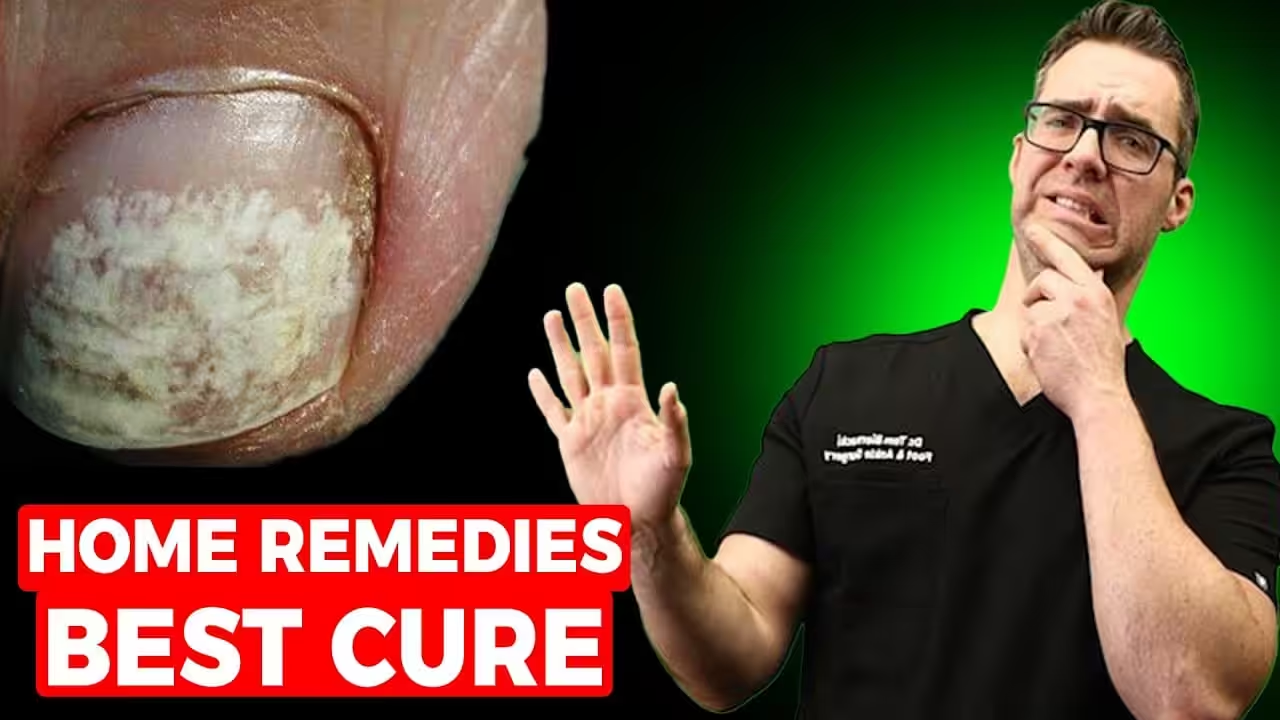
✅ Medically reviewed by Dr. Thomas Biernacki, DPM — Board-Certified Podiatrist · Last updated April 6, 2026
Last Updated: April 2026 | Reading Time: 12 min
This article is for informational purposes only and does not replace professional medical advice. Schedule an appointment for personalized care.
White Chalky Toenails 2026: Causes, Treatment & How to Tell If It’s Fungus
Table of Contents
Updated April 2026. White chalky toenails are caused by keratin granulations, a superficial fungal-like condition where nail polish strips moisture from the nail plate. Most cases resolve within 2-4 weeks with gentle buffing and moisturizing treatment. See a podiatrist if the white discoloration persists beyond 6 weeks or spreads to multiple nails.
- What Causes White Chalky Toenails?
- White Chalky Toenails from Nail Polish (Keratin Granulations)
- Other Causes of White Nails
- How to Tell If It’s Fungus or Keratin Granulations
- Treatment Options: Home to Professional
- Podiatrist-Recommended Products
- Warning Signs: When to See a Podiatrist
- Frequently Asked Questions
- The Bottom Line
If you’ve recently removed nail polish and discovered white, chalky patches covering your toenails, you’re not alone — and the good news is that this is rarely a sign of serious infection. In our Howell and Bloomfield Hills podiatry practice, we see this concern several times weekly, and most patients are relieved to learn that the culprit is usually something called keratin granulation: a temporary, superficial dehydration of the nail plate caused by acetone in nail polish remover. Understanding what’s happening to your nails — and knowing the difference between cosmetic damage and true fungal infection — empowers you to treat the problem correctly and prevent it from recurring.
What Causes White Chalky Toenails
White chalky toenails are caused by two distinct conditions requiring different treatments. The most common cause is keratin granulations — a superficial reaction to nail polish that leaves opaque chalky patches exactly where polish was applied. The second cause is white superficial onychomycosis, a fungal infection that invades the nail surface and causes pitted, powdery white spots that spread progressively over time.
White chalky toenails can result from several different causes, each requiring a different treatment approach. The most common culprits are keratin granulations from nail polish acetone exposure, superficial fungal infection (white onychomycosis), trauma to the nail bed, and nutritional deficiencies. Distinguishing between these causes is essential because applying antifungal treatment to keratin granulation wastes time and money, while ignoring early fungal infection allows it to spread deeper into the nail matrix. A podiatrist can perform simple clinical assessment — and order a KOH prep or fungal culture if needed — to determine the exact cause and recommend targeted treatment.
⚠️ Most Common Mistake When Treating White Chalky Toenails
The most common mistake is treating white chalky toenails as toenail fungus without confirming the cause. White discoloration from nail polish or acetone (keratin granulations) looks nearly identical to superficial white onychomycosis. Applying antifungal treatment to polish-damaged nails wastes time and money. In our clinic, we distinguish them by history and microscopy — keratin granulations have a chalky, superficial surface that scrapes off easily, while fungal infection penetrates deeper. If you’ve recently removed nail polish, wait 2–4 weeks of nail hydration before assuming fungal infection.
White Chalky Toenails from Nail Polish (Keratin Granulations Explained)
Keratin granulations from nail polish are the leading cause of white chalky toenails and are completely benign. They occur when nail polish or the acetone used to remove it strips proteins from the nail surface, leaving a rough, opaque white texture. This is not an infection and not contagious. The fix is simple: stop nail polish for two to four weeks and apply a protein-bonding nail hardener to rebuild the keratin surface layer.
Nail polish remover contains acetone, a powerful solvent that dissolves not just polish pigment but also the natural oils and moisture binding the keratin protein layers of your nail plate. When acetone penetrates the superficial nail layers for extended periods — especially during removal of gel, shellac, or dark-pigmented polish — it strips away this moisture. The dehydrated keratin proteins separate and scatter light unevenly, creating the white, rough, chalky appearance characteristic of granulation. This damage is superficial, affecting only the top layers of the nail plate, and resolves naturally as the nail rehydrates over 6–8 weeks.
Several factors intensify keratin granulation severity:
- Prolonged polish wear: Keeping polish on for months without breaks traps acetone residue and prevents nail plate hydration. Patients wearing polish continuously for 6+ months develop the most severe presentations.
- Gel and shellac polish: These require 10–15 minutes of acetone soaking for removal, compared to quick-wipe traditional polish, causing deeper dehydration and more pronounced granulation.
- Repeated removal cycles: Frequent polish-remove-repolish cycles compound keratin damage without allowing adequate recovery time between applications.
- Dark pigmented polish: Red, black, and dark blue polish contain chromium and iron oxide compounds that interact with the nail plate, worsening the chalky appearance after removal.
- Acetone-heavy removers: 100% acetone removers cause more damage than gentler alternatives containing oils and vitamin E.
Other Causes of White Chalky Toenails
Beyond keratin granulations and fungal infection, white toenail discoloration can result from nail psoriasis (which also causes pitting and separation), calcium deposits from prior trauma, dry brittle nails from nutritional deficiencies, or chemical damage from overuse of acrylic or gel treatments. A podiatrist can distinguish these causes with a quick nail examination and, when needed, a nail clipping culture sent to a laboratory.
While keratin granulation from nail polish accounts for 70–80% of white chalky nail presentations in our clinic, other causes require medical attention. Superficial white onychomycosis (fungal infection) typically begins at the nail edges and spreads inward, often accompanied by mild thickening, crumbling, or a faint musty odor. Trauma — from tight shoes, nail biting, or stubbing — can cause white patches by disrupting the nail bed’s blood supply. Nutritional deficiencies, particularly low zinc or biotin levels, can manifest as white horizontal bands across multiple nails. Kidney or liver disease can cause “half-and-half” nails (white base, darker tips). See a podiatrist if white patches persist beyond 8 weeks, spread rapidly, or accompany systemic symptoms like fatigue or discoloration of other body areas.
How to Tell If It’s Fungus or Keratin Granulations
Distinguishing fungal white toenails from keratin granulations requires examining three key features. Fungal infections pit and crumble when gently scraped, affect the underside of the nail, spread to adjacent nails over time, and often cause nail thickening. Keratin granulations occur only on the top nail surface, appear exactly where polish was applied, do not crumble, and resolve within weeks of stopping nail polish use.
The clinical distinction between keratin granulation and true toenail fungus (onychomycosis) is straightforward and critical — they require completely different treatments. Here’s how a podiatrist evaluates the difference:
| Feature | Keratin Granulation | Toenail Fungus |
|---|---|---|
| Appearance | White, chalky, rough surface; uniform color | Yellow, brown, or white; crumbly or thick |
| Location | Entire nail surface (nail polish contact area) | Starts at edge, spreads inward; subungual (beneath nail) |
| Thickness | Normal or slightly thin; easily filed smooth | Thickened, brittle, or crumbling; difficult to cut |
| Smell | No odor; clean nail smell | Musty or foul odor (fungus produces volatile compounds) |
| Timeline | Appears within 1–2 weeks of polish removal; resolves 6–8 weeks | Develops over weeks to months; worsens without treatment |
| Spread | Confined to treated nail; does not spread to other nails | Can spread to adjacent nails and feet over months |
| Response to Oil | Improves with cuticle oil; fades with consistent use | Does not improve with topical oil; requires antifungal treatment |
| Confirmation | Clinical diagnosis; no laboratory test needed | KOH prep or fungal culture confirms diagnosis |
The bottom line: If white patches appeared shortly after polish removal and respond to cuticle oil within a few weeks, it’s almost certainly keratin granulation. If patches appear spontaneously, spread to other nails, or persist despite oil treatment, schedule a podiatry appointment for fungal testing.
Treatment Options: Home to Professional
Treatment depends entirely on whether you’re dealing with keratin granulation or true fungal infection. For keratin granulation — the most common scenario — the protocol is simple and inexpensive. For fungal infection, oral medication or professional laser treatment may be necessary. Here’s the stepwise approach we recommend:
Home Treatment for Keratin Granulation (First 6–8 Weeks)
- Stop all nail polish immediately. This is the single most important step. Continuing to apply and remove polish resets the healing timeline.
- Apply cuticle oil nightly. Vitamin E oil, jojoba oil, or coconut oil restores moisture to dehydrated keratin. Apply to the affected nail and cuticle area before bed. We recommend keeping a small bottle at your nightstand as a reminder.
- Keep nails trimmed short. This reduces trauma and prevents buffing damage, which can create entry points for infection.
- Wear moisture-wicking socks. High moisture environments promote fungal growth, so keep feet dry and breathable.
- Avoid nail trauma. Do not buff, file aggressively, or pick at white patches. Let them shed naturally.
- Expect improvement in 3–4 weeks. Most patients see significant fading of white patches within 21–28 days of consistent oil treatment.
When to Seek Professional Treatment
Schedule a podiatry appointment if:
- White patches persist beyond 8 weeks despite consistent cuticle oil use
- White areas thicken, crumble, or become brittle
- A foul or musty odor develops
- Discoloration spreads to the nail bed or adjacent nails
- You experience nail pain, drainage, or redness around the nail fold
For confirmed keratin granulations that don’t respond to oil therapy, we may recommend:
- Professional keratin repair polish: Medical-grade nail hardeners containing nylon fibers and calcium can smooth rough texture and accelerate visual improvement.
- Nail buffing and smoothing: In-office professional buffing removes surface irregularities without thinning the nail plate, improving appearance while protecting underlying keratin.
For confirmed fungal infection, treatment options include:
- Oral antifungal medication: Terbinafine (Lamisil) or itraconazole (Sporanox) targets the fungus from inside. Treatment lasts 6–12 weeks and has 70–80% cure rates, but requires liver function monitoring.
- Topical antifungal creams or solutions: Applied daily to affected nails, these work for very superficial infections but have lower cure rates than oral medication.
- Laser nail treatment: Advanced podiatry practices (including ours) offer laser therapy that heats fungal cells to lethal temperatures while preserving healthy nail tissue. Often used alongside oral medication for improved results.
- Nail debridement: Removal of infected nail debris reduces fungal load and allows topical treatments to penetrate more effectively.
Podiatrist-Recommended Products
Dr. Tom recommends a three-step approach for white chalky toenails: stop nail polish entirely for at least four weeks; apply a protein-bonding nail hardener twice weekly to rebuild the keratin surface; and use an antifungal topical only if laboratory testing confirms fungal involvement. These targeted products address the specific underlying cause rather than simply masking the discoloration with colored polish.
We recommend these products based on clinical results and patient feedback in our practice:
- Vitamin E Oil (pure or mixed): Most effective for keratin granulation. Apply nightly to nail and cuticle. Budget brands work well; the key is consistency, not brand.
- Jojoba Oil: Similar molecular composition to skin sebum, making it highly absorbable. Excellent alternative if you have nut allergies.
- Orthotic Support for Overall Foot Health: Proper foot alignment reduces nail trauma. PowerStep Orthotics provide excellent arch support and pressure relief, reducing stress on toenails from tight shoes or abnormal gait.
- Related Resources:
Warning Signs: When to See a Podiatrist
- Rapid spread of white discoloration to multiple nails or the nail bed
- Thickening, brittleness, or crumbling texture that worsens over time
- Development of foul or musty odor (hallmark of fungal infection)
- Pain, swelling, redness, or drainage around the nail fold or cuticle
- Discoloration that extends beyond the nail margin to surrounding skin
- Persistent white patches after 8 weeks of consistent home treatment
- Symptoms in multiple family members (suggests contagious fungal infection)
- Accompanying systemic symptoms like fatigue, fever, or unexplained skin changes
In-Office Treatment at Balance Foot & Ankle
When home treatment for white toenails isn’t clearing the condition after 6–8 weeks, a podiatrist visit confirms whether you’re dealing with keratin granulation or fungal infection — and what to do next. We offer laser toenail fungus treatment, KOH prep nail culture, and nail restoration at our Howell and Bloomfield Hills offices.
Learn about our toenail fungus laser treatment →
Same-day appointments: (810) 206-1402 | Book online →
Early intervention prevents complications. What starts as cosmetic keratin granulation can develop into true fungal infection if nails are buffed aggressively or if the nail plate develops micro-tears that serve as entry points. Call us at (810) 206-1402 to schedule an appointment — we can diagnose the cause and begin treatment the same day.
Frequently Asked Questions
Is white chalky nail fungus contagious?
Not if it’s keratin granulation. Keratin granulation is simply dehydration and protein separation — not a living organism — so it cannot spread to other people or other nails. True fungal infection is contagious, spreading through shared nail clippers, files, shower floors, and nail salons. If you’re unsure whether you have granulation or fungus, avoid communal pedicure facilities until a podiatrist confirms your diagnosis.
Can I still wear nail polish while treating keratin granulation?
No. Continuing to apply and remove polish resets the healing timeline by reintroducing acetone exposure. The fastest recovery requires a complete break from polish for 6–8 weeks. After nails fully recover and white patches completely resolve, you can resume polish use — but space applications further apart (every 7–10 days instead of daily) and use gentler removers containing oils or vitamin E instead of pure acetone.
How long does it take for white chalky nails to go away?
For keratin granulation, most patients see significant improvement (60–70% fading) within 3–4 weeks of consistent cuticle oil use and discontinuing polish. Complete resolution typically occurs by 6–8 weeks. The timeline reflects how long it takes for the nail plate to grow out and for dehydrated keratin layers to be naturally shed. Faster results require diligent nightly oil application and complete avoidance of polish. Slower healing often indicates inconsistent treatment or continued acetone exposure.
Should I use antifungal treatment for white chalky nails?
Only if a podiatrist confirms fungal infection via KOH prep or fungal culture. Applying antifungal treatment to keratin granulation is ineffective and wastes time and money — antifungal medications kill fungi, not dehydrated keratin. Using antifungals incorrectly also risks masking true fungal infection if it develops later. Always get a proper diagnosis before starting any medication.
The Bottom Line
White chalky toenails are almost always treatable without prescription medication. If you wear nail polish regularly, taking a four-week polish break while applying a nail hardener resolves most keratin granulation cases completely. If the chalky appearance persists, spreads, or is accompanied by nail thickening or odor, a podiatry appointment is needed to rule out onychomycosis and begin appropriate antifungal treatment.
White chalky toenails after nail polish removal are usually keratin granulation — superficial, temporary dehydration of the nail plate caused by acetone exposure. This is not fungal infection, does not spread to other people, and resolves within 6–8 weeks using simple home care: discontinue polish immediately and apply vitamin E or jojoba oil nightly to the affected nails. Avoid aggressive buffing or picking, which can damage the nail further and create entry points for true infection. If white patches persist beyond 8 weeks, thicken, develop odor, or spread rapidly, schedule a podiatry appointment for professional diagnosis and targeted treatment. Early intervention prevents complications and restores nail health faster than home care alone.
Ready to get your nails back to health? Schedule a consultation with Dr. Tom at our Howell or Bloomfield Hills office. We’ll confirm the cause of your white nails and create a personalized treatment plan to restore them to normal appearance — fast.
Schedule Your Podiatry Appointment Today
Expert diagnosis and treatment for white chalky toenails, fungal infections, and all nail concerns.
Howell & Bloomfield Hills, Michigan
(810) 206-1402
Toenails Look White and Chalky?
White, chalky toenails can be caused by keratin granulation from nail polish, superficial white onychomycosis (fungal infection), or nail psoriasis. Our podiatrists can test your nails to determine the cause and provide the right treatment.
References
- Gupta AK, et al. Onychomycosis: a review. J Eur Acad Dermatol Venereol. 2020;34(9):1972-1990.
- Baran R, et al. White superficial onychomycosis: a review. J Eur Acad Dermatol Venereol. 2004;18(6):637-642.
- Scher RK. Onychomycosis: a significant medical disorder. J Am Acad Dermatol. 1996;35(3):S2-S5.

Dr. Tom Biernacki, DPM is a double board-certified podiatrist and foot & ankle surgeon at Balance Foot & Ankle Specialists in Southeast Michigan. With over a decade of clinical experience, he specializes in heel pain, bunions, diabetic foot care, sports injuries, and minimally invasive surgery. Dr. Biernacki is a member of the APMA and ACFAS, and his patient education content on MichiganFootDoctors.com and YouTube has reached over one million views.
- Diagnosis and Treatment of Plantar Fasciitis (PubMed / AAFP)
- Heel Pain (APMA)
- Hallux Valgus (Bunions): Evaluation and Management (PubMed)
- Bunions (Mayo Clinic)
Recommended Products from Dr. Tom
Let us know if this post helped with your white discoloration of your toenails, hope you feel better soon!