Achilles Tendonitis & Rupture Care in Howell & Bloomfield Hills, Michigan
Short intro explaining how Achilles pain or rupture affects walking, standing, sports, and daily activities, emphasizing early diagnosis and expert care.
Surgery is typically required for a complete Achilles rupture. For tendonitis, surgery is only a last resort if chronic pain persists after six months of proper non-surgical care.
Protect Your Achilles. Restore Your Strength.
Expert care for Achilles tendon pain and injuries to help you move confidently again.
What is the difference between insertional and non-insertional Achilles tendonitis?
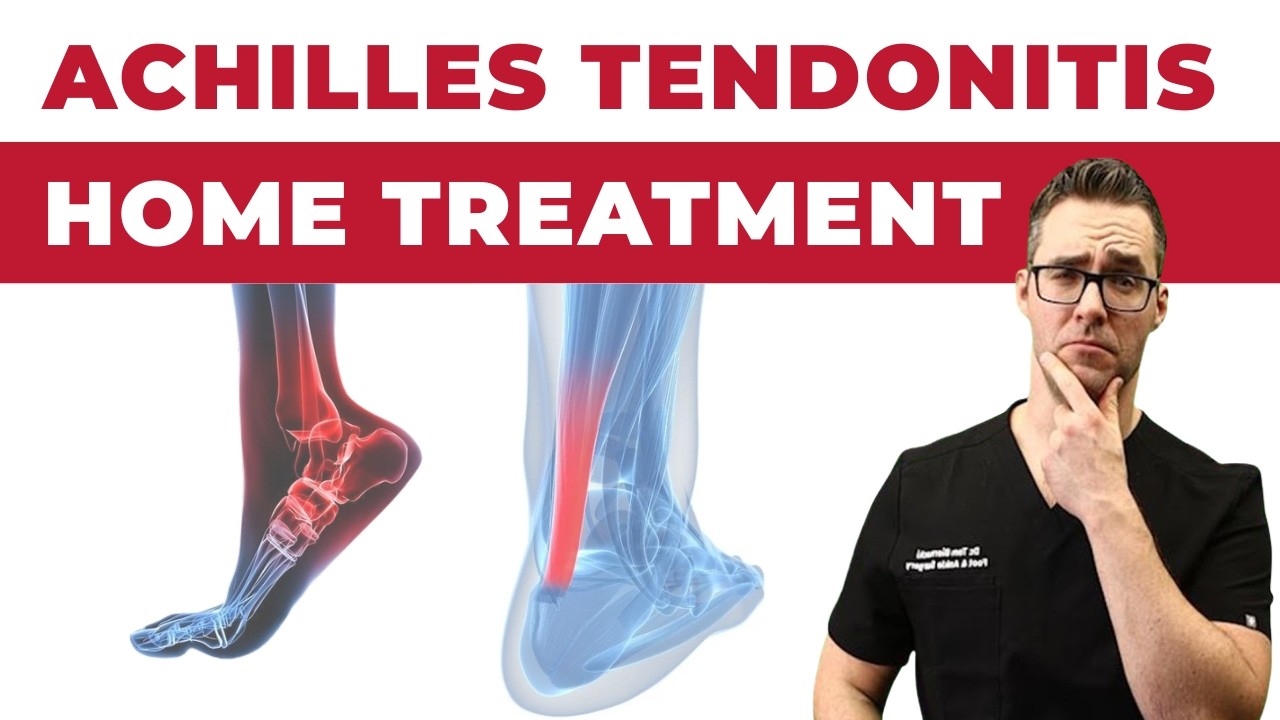
Insertional Achilles tendonitis affects the attachment point of the tendon at the back of the heel bone. Non-insertional affects the middle portion of the tendon, typically 2-6 cm above the heel. Insertional cases often have a Haglund's deformity (heel bone spur) and respond well to heel lift orthotics and specific stretching. Non-insertional cases benefit more from eccentric strengthening exercises. Treatment differs significantly depending on which type you have.
Can Achilles tendonitis heal on its own?
Mild Achilles tendonitis may improve with relative rest, proper footwear, and stretching over 6-12 weeks. However, the Achilles tendon has poor blood supply which means it heals slowly and incompletely without targeted treatment. Untreated Achilles tendonitis frequently progresses to tendinosis (degenerative change) and dramatically increases rupture risk. Early intervention with eccentric exercises, orthotics, and when needed, shockwave or PRP therapy leads to the best outcomes.
What exercises help Achilles tendonitis recover?
Eccentric calf strengthening is the most evidence-backed exercise for Achilles tendonitis — performed by slowly lowering the heel off a step. For insertional Achilles tendonitis, exercises are modified to avoid extreme dorsiflexion. Calf stretching, ankle mobility work, and gradual return to activity are also important. Our podiatrists provide a specific, phased home exercise program tailored to whether you have insertional or non-insertional tendonitis.
How long does Achilles tendonitis take to heal?
Mild cases with prompt treatment may resolve in 6-12 weeks. Moderate cases typically require 3-6 months of consistent treatment. Chronic or severe tendinosis may take 6-12 months or longer, and may require advanced treatments like PRP injection or shockwave therapy. The most common reason for slow recovery is returning to full activity too quickly. Our team creates return-to-activity plans that protect the tendon while maintaining fitness.
Does insurance cover Achilles tendonitis treatment in Michigan?
Yes — evaluation, imaging, orthotics (when medically necessary), and conservative treatments for Achilles tendonitis are covered by most insurance plans and Medicare. Advanced treatments like PRP injection and shockwave therapy may have variable coverage depending on your specific plan. Our team verifies your benefits before recommending any treatment.