
Medically reviewed by Dr. Tom Biernacki, DPM
Board-certified podiatric surgeon | Balance Foot & Ankle, Howell & Bloomfield Township, MI
Last reviewed: May 2026

| Brace Type | Support Level | Best Indication | Activity Compatibility | Examples |
|---|---|---|---|---|
| Compression sleeve | Mild | Minor sprains, swelling, mild instability | Any activity; all-day wear | DonJoy Performance, Futuro |
| Lace-up brace | Moderate | Acute Grade 1–2 sprain; prevention in athletes | Sports; fits in athletic shoe | ASO Ankle Stabilizer, McDavid 195 |
| Stirrup / Air Cast | Moderate-High | Grade 2–3 sprain; acute fracture (stable) | Walking; most shoes | Aircast Air-Stirrup, DonJoy Airsport |
| Hinged rigid brace | High | Chronic instability; ligament reconstruction recovery | Sports; requires wide shoe | DonJoy Velocity, Ossur Exoform |
| CAM boot / Walking boot | Maximum | Fractures, severe sprains, post-surgical | Walking only; non-athletic | DonJoy MaxTrax, Aircast FP Walker |
| Ankle Sprain Grade | Ligament Damage | Recommended Brace | Recovery Timeline |
|---|---|---|---|
| Grade 1 (mild) | Microscopic tears; intact ligament | Compression sleeve or lace-up | 1–2 weeks |
| Grade 2 (moderate) | Partial ligament tear | Stirrup/Air Cast brace + lace-up | 3–6 weeks |
| Grade 3 (severe) | Complete ligament rupture | CAM boot initially → rigid brace | 8–12 weeks conservative; longer if surgical |
| Chronic instability | Recurrent stretch/tear; lax ligaments | Lace-up + PT; surgery if failed | Ongoing with PT; 6–9 months if surgical |
You are in the right place. Dr. Tom Biernacki, DPM, FACFAS — board-certified foot & ankle surgeon with 3,000+ surgeries — explains exactly what ankle brace types means and what works. Call (810) 206-1402 for same-day appointment at Howell or Bloomfield Township.
Quick answer: Ankle Brace Types 2 is a common foot/ankle topic that affects many patients. The 2026 evidence-based approach combines proper diagnosis, conservative-first treatment, and escalation only when needed. We treat this regularly at our Howell and Bloomfield Township practices. Call (810) 206-1402.
Medically Reviewed | Dr. Tom Biernacki, DPM | Board-Certified Podiatrist | Balance Foot & Ankle, Michigan
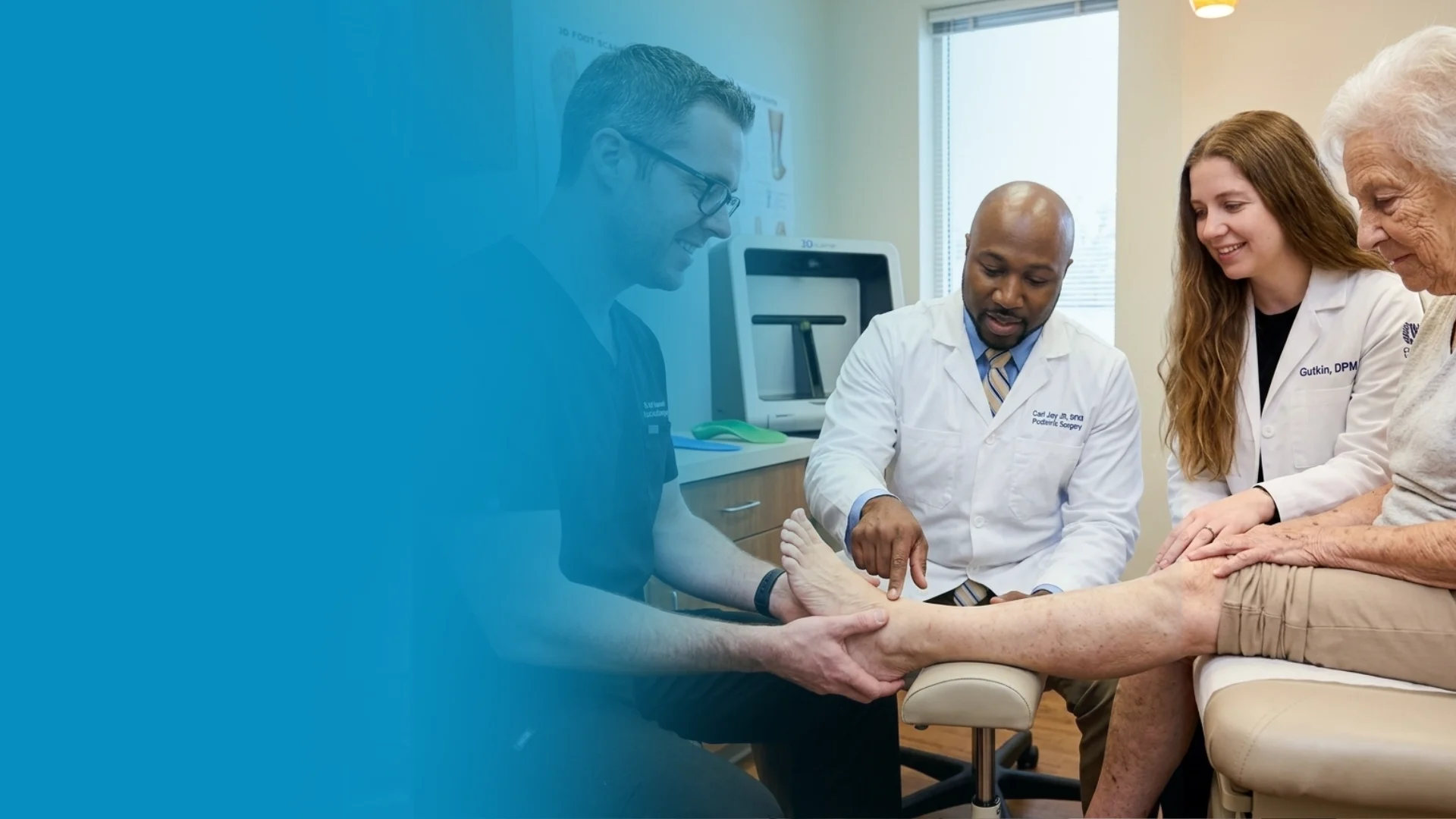
The most important clinical decision with Ankle Brace Types 2 isn’t which treatment to start with — it’s identifying the correct subtype. That changes everything. Call (810) 206-1402.
Ankle Brace Types: Quick Answer
The right ankle brace depends on your specific condition – lace-up for moderate sprains, stirrup for protection during sports, AFO for foot drop. Choosing wrong wastes money and provides inadequate support. We help dozens of patients monthly at Balance Foot and Ankle find the right ankle brace. Here is the complete guide.
Types of Ankle Braces by Function
1. Compression sleeves: Mild support; reduces swelling. $10-$30. 2. Lace-up braces: Moderate support; widely used. $20-$60. 3. Stirrup braces (Aircast-style): Strong lateral protection. $30-$60. 4. Hinged braces: Allow up/down motion; restrict side-to-side. $60-$150. 5. Walking boots / CAM walkers: Maximum protection; for fractures, severe sprains. $80-$200. 6. AFO (ankle-foot orthosis): For foot drop or chronic instability. $200-$1500.
1. Compression Sleeves
Best for: Mild ankle swelling; preventive support during sports; chronic mild pain; recovery between sport sessions. Examples: Bauerfeind MalleoTrain ($60); Vivitar Ankle Sleeve ($15). Limitations: Minimal stability; not for active injuries.
2. Lace-Up Ankle Braces (Most Versatile)
Best for: Moderate ankle sprains (Grade 1-2); chronic ankle instability; preventive use during sports. Top brands: ASO Ankle Stabilizer ($25-$35) – most popular; McDavid 195 ($25-$40); Mueller ATF2 ($30-$40); Bauerfeind GenuTrain Ankle ($60). Pros: Comfortable; effective for mild-moderate cases; affordable.
3. Stirrup Ankle Braces (Aircast-style)
Best for: Acute moderate-severe ankle sprains; lateral ankle protection during sports (basketball, volleyball, soccer); post-cast immobilization. Top brands: Aircast Air-Stirrup Classic ($35-$50); DonJoy Velocity ($45-$60); Mueller GoodFit ($35). Pros: Excellent lateral protection; allows ankle dorsiflexion/plantarflexion.
4. Hinged Ankle Braces
Best for: Post-surgical recovery (allows controlled motion); athletes returning to sport after injury; chronic ankle instability requiring more support than lace-up. Top brands: Active Ankle T2 ($60-$80); McDavid Hex 195 ($60-$80); Bauerfeind MalleoLoc ($90-$130). Pros: Allows up/down motion while preventing inversion/eversion injuries.
5. Walking Boots / CAM Walkers
Best for: Stable ankle/foot fractures; severe sprains; post-surgical recovery; severe Achilles tendinitis; plantar fasciitis flares; metatarsal stress fractures. Brands: Aircast SP Walker; United Surgical CAM walker; Procare X-treme Walker. Cost: $80-$200 (insurance often covers). Pros: Maximum protection; allows weight bearing; rocker bottom reduces ankle motion.
6. AFO (Ankle-Foot Orthosis) – Specialty
Best for: Foot drop (from stroke, MS, peroneal nerve injury); chronic posterior tibial tendon dysfunction; severe pediatric flat foot; charcot foot management. Types: Solid AFO (no motion); articulated AFO (controlled motion); custom carbon fiber AFO. Cost: $200-$2500. Often insurance-covered for documented medical necessity. Best ordered through podiatrist with proper fitting and customization.
Decision Framework
Mild ankle swelling/discomfort: Compression sleeve ($10-$30). Moderate sprain (Grade 1-2): Lace-up brace ($25-$60). Severe sprain (Grade 2-3): Stirrup brace ($35-$60). Returning to sport after sprain: Lace-up or stirrup brace ($25-$60). Chronic instability: Lace-up or hinged brace ($25-$130). Stable fracture: Walking boot ($80-$200). Foot drop: AFO ($200-$2500).
How Long to Wear
Mild sprain: 1-3 weeks active wear; weaning over 4-6 weeks. Moderate sprain: 4-6 weeks active wear; weaning over 8-12 weeks. Severe sprain (Grade 3): 6-12 weeks active wear. Walking boot for fracture: 4-8 weeks per surgeon instructions. AFO for foot drop: Often permanent or until neurological recovery. For sports prevention: as needed during activities.
When to See a Podiatrist
See us for: 1. Recurrent ankle sprains (chronic instability needs evaluation). 2. Severe sprain that should be evaluated (fracture rule out). 3. Foot drop (needs cause workup and AFO fitting). 4. Need custom AFO. 5. Failed brace treatment. 6. Need for surgical evaluation. Custom-fitted braces often work better than off-the-shelf for severe cases. Same-week appointments.
Podiatrist-Recommended Products

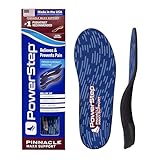
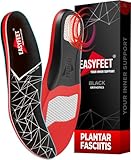

Frequently Asked Questions About Ankle Brace Types
What is the best ankle brace for sprains?
Mild-moderate sprains: lace-up brace (ASO, McDavid, Mueller). Severe sprains: stirrup brace (Aircast, DonJoy). Always ice and elevate first 48-72 hours regardless of brace.
How long should I wear an ankle brace?
Mild sprain: 1-3 weeks. Moderate: 4-6 weeks. Severe: 6-12 weeks. For prevention during sports: as long as needed for at-risk activities.
Are ankle braces or tape better?
Both effective. Braces: easier to apply, reusable, more cost-effective long-term ($25-$60 vs ongoing tape). Tape: more customizable; provides slightly better immediate stability but loses effectiveness in 30-40 minutes.
What is a stirrup ankle brace?
Brace with rigid plastic on outer and inner sides of ankle (Aircast-style). Provides excellent lateral support while allowing up/down motion. Best for acute moderate-severe sprains and sports protection.
Should I wear a brace permanently?
For chronic ankle instability: brace during high-risk activities (sports, hiking) often recommended permanently. For most people: wean off brace as healing completes.
Will insurance cover ankle braces?
Walking boots for documented fractures or severe injuries: yes. Standard sports braces: usually not. Custom AFO for medical conditions (foot drop, PTTD): often covered. HSA/FSA always eligible.
Can ankle braces weaken muscles?
Modern evidence: NO – braces do not significantly weaken ankle muscles when worn appropriately. They protect during activities; you should still do strengthening exercises during recovery.
Related Resources from Balance Foot & Ankle
- Ankle Sprain Treatment
- Chronic Ankle Instability
- Drop Foot Treatment
- Posterior Tibial Tendon Treatment
Still Dealing With Ankle Brace Types?
Same-week appointments at Balance Foot & Ankle in Howell & Bloomfield Township, MI.
Book Your AppointmentFrequently Asked Questions
When should I see a podiatrist?
If symptoms persist past 2 weeks, affect your normal activity, or are accompanied by red-flag symptoms (warmth, redness, swelling, inability to bear weight).
What does treatment cost?
Most diagnostic visits and conservative treatments are covered by Medicare and major insurers. Out-of-pocket costs vary by your specific plan.
How quickly can I get an appointment?
Most non-urgent cases see us within 5 business days. Urgent cases (sudden pain, possible fracture) typically same or next business day.
⚠️ Most Common Mistake: Ignoring persistent foot pain and continuing normal activity without evaluation. Early podiatric care prevents minor foot issues from becoming chronic, difficult-to-treat conditions.
Frequently Asked Questions
🏥 Recommended by Dr. Biernacki — Foundation Wellness Products
These are the same products Dr. Biernacki recommends to his patients at Balance Foot & Ankle in Michigan. Available through our trusted partners.
Ready to fix this for good?
Reading goes so far. The fastest path is a 30-minute office visit. Same-day Howell or Bloomfield Township. Call (810) 206-1402.
In-Office Treatment at Balance Foot & Ankle
If home treatment isn’t providing relief for your ankle instability, our podiatry team at Balance Foot & Ankle can help with same-day evaluations and advanced in-office care.
American Academy of Orthopaedic Surgeons: Ankle Sprains
Ready to Get Relief?
Same-day appointments available in Howell & Bloomfield Township, MI
4.9★ | 1,123 Reviews | 3,000+ Surgeries
Or call: (810) 206-1402

Dr. Tom Biernacki, DPM is a board-certified foot & ankle surgeon (ABFAS & ABPM) at Balance Foot & Ankle Specialists in Southeast Michigan. With over a decade of clinical experience, he specializes in heel pain, bunions, diabetic foot care, sports injuries, and minimally invasive surgery. Dr. Biernacki is a member of the APMA and ACFAS, and his patient education content on MichiganFootDoctors.com and YouTube has made him one of the most-followed foot & ankle educators on YouTube.