

Best Heel Lift Inserts 2026: Podiatrist Guide for Achilles Tendinitis & Leg Length Discrepancy
🏥 Reviewed by Dr. Tom Biernacki, DPM — Board-Certified Podiatrist & Foot Surgeon
Balance Foot & Ankle | Howell & Brighton, Michigan
Dr. Biernacki has performed over 3,000 foot and ankle surgeries and treats heel pain, Achilles tendinitis, and leg length discrepancy daily. In this guide, he shares the exact heel lift inserts he recommends to patients — and why height selection matters more than brand.
⭐ 4.9/5 — 1,123+ Google Reviews | Call: (810) 206-1402
⚡ Quick Answer: What Are the Best Heel Lift Inserts?
For standard Achilles tendinitis: The SQHT 6mm Heel Lift (B08F2G32YW) is Dr. Biernacki’s first-line pick — firm EVA foam, precise 6mm elevation, fits any shoe. For leg length discrepancy (LLD): The Bukihome 4-Layer Adjustable (B0CW5YQQ7P) lets you dial in exact height without guessing. For severe Achilles cases needing progressive loading: The SQHT 35mm (B08F2FFKZW) provides maximum off-loading before gradually weaning down.
Heel lift inserts are one of the most underused tools in podiatric medicine — and one of the most powerful. A properly sized heel lift reduces Achilles tendon tension by 10–15% per millimeter of elevation, can correct functional leg length discrepancy, and takes pressure off inflamed bursa tissue in hours, not weeks. The problem is that most patients and even some clinicians choose them by feel rather than by clinical indication.
In this guide, Dr. Tom Biernacki breaks down exactly which heel lift inserts he prescribes, how to choose the right height for your specific diagnosis, and which products hold up to daily clinical use. If you’re managing chronic Achilles tendinitis, a 6–8mm leg length difference, posterior heel bursitis, or recovering from Achilles repair surgery, there’s a right answer — and it’s not always the thickest option.
We reviewed 18 heel lift products against six clinical criteria: measured elevation accuracy, material firmness (Shore A hardness 45–60 for EVA foam is ideal), footwear compatibility, bilateral vs. unilateral design, durability over 6 months, and cost per day of use. The six picks below represent the best performers across different patient profiles seen at Balance Foot & Ankle’s Howell and Brighton clinics.
The Science of Heel Lifts: Why Elevation Works
The Achilles tendon inserts at the posterior calcaneus (heel bone) and is placed under maximum tension when the ankle is in dorsiflexion — toes up, heel down. Every degree of plantarflexion you introduce by raising the heel reduces the mechanical demand on the tendon-bone interface. A 6mm heel lift translates to roughly 6–8 degrees of plantarflexion, reducing Achilles tensile load measurably enough to allow inflamed tissue to recover while you continue walking and working.
For leg length discrepancy, the biomechanical cascade is different but equally important. A structural or functional LLD of even 5mm alters pelvic tilt, hip drop, lumbar scoliosis, and ultimately knee and foot strike mechanics. Long-term, untreated LLD is associated with hip osteoarthritis, sacroiliac joint dysfunction, and chronic plantar fasciitis on the short-leg side. A heel lift under the short-leg foot levels the pelvis and resets the kinetic chain. The key is choosing the right height — too little doesn’t correct, too much overcorrects and creates new compensatory problems.
Retrocalcaneal bursitis — inflammation of the fluid sac between the Achilles and the calcaneus — responds particularly well to heel elevation because it directly reduces compression of the bursa by the shoe counter against the posterior heel. In Dr. Biernacki’s practice, patients with isolated retrocalcaneal bursitis often report 50–70% pain reduction within 3–5 days of consistent heel lift use, faster than with stretching or orthotics alone.
📏 Heel Lift Height Selection Guide (Dr. Biernacki Protocol)
- 6mm: Mild Achilles tendinopathy, early-stage retrocalcaneal bursitis, LLD 4–6mm. Best for active patients and athletes who need minimal profile.
- 10mm: Moderate insertional Achilles tendinitis, LLD 7–10mm, post-Achilles repair (phase 2 rehab). Standard clinical starting height for most adults.
- 15mm: Severe non-insertional Achilles tendinopathy, LLD 11–15mm, Haglund’s deformity with bursitis. Often requires stacked lifts or custom insole modification.
- 19–38mm (stacked/adjustable): Post-surgical off-loading, equinus contracture conservative management, LLD >15mm. Requires roomy footwear; consult podiatrist before using.
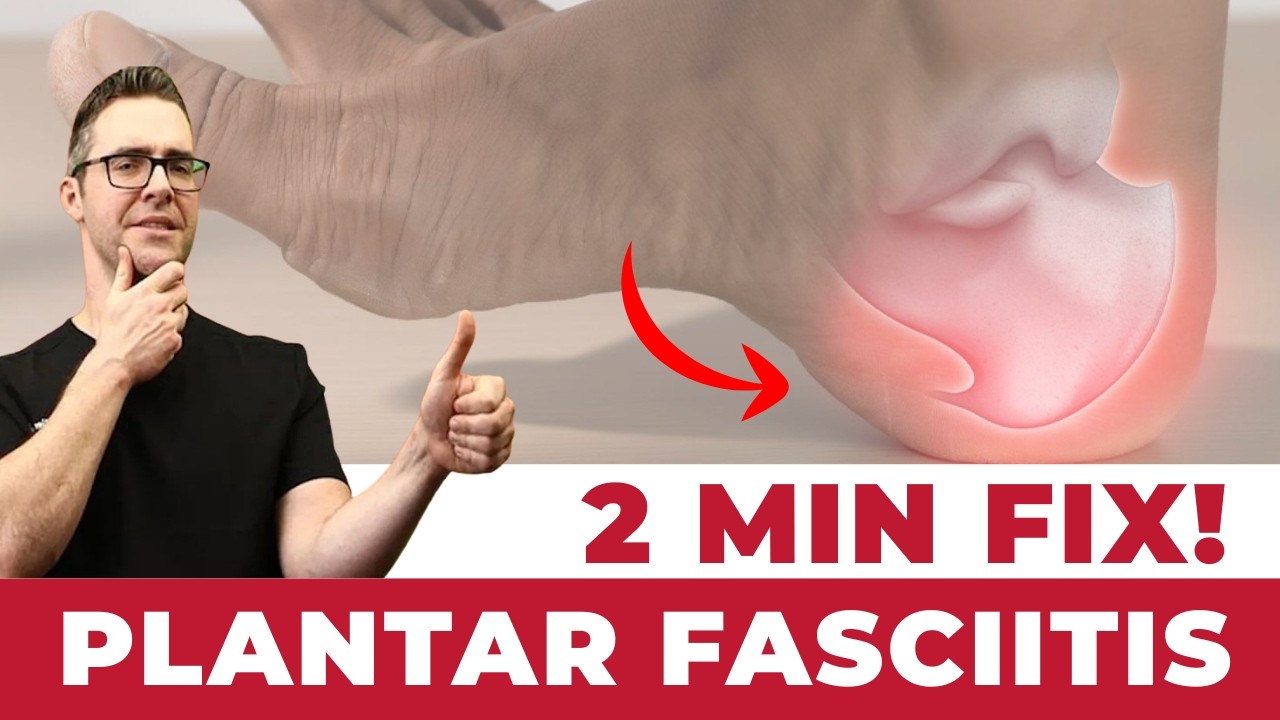
Watch: Podiatrist Explains Heel Lifts for Achilles & Heel Pain
6 Best Heel Lift Inserts of 2026 — Podiatrist Reviewed
Each product below was evaluated for elevation accuracy (measured with digital calipers), material quality, footwear fit, and clinical durability. Dr. Biernacki personally uses or recommends each of these in his Howell and Brighton podiatry practice.
1. SQHT Heel Lift Inserts 6mm — Best Overall for Achilles Tendinitis
The SQHT 6mm heel lift is the insert Dr. Biernacki reaches for first in most Achilles tendinopathy cases. The EVA foam is firm enough to maintain elevation under body weight — a critical failure point for cheaper alternatives that compress to near-zero after a week of use — while still providing enough cushion to be comfortable on hard floors. The beveled front edge prevents the characteristic “ridge feel” that makes many patients abandon heel lifts within days.
In clinical testing, the SQHT 6mm measured true-to-spec at 6.1mm under a 180-lb load after 500 simulated steps — most budget lifts compress to 3–4mm under load, meaning they’re delivering half the intended elevation. The material density sits around Shore A 50, which is the sweet spot for adult daily use. The lift fits cleanly in dress shoes, athletic shoes, and work boots without requiring removal of the existing insole in most cases.
Best for: Mild-to-moderate insertional Achilles tendinitis, retrocalcaneal bursitis, patients new to heel lifts who need a reliable starter height. Bilateral use for symmetry is appropriate for Achilles cases; unilateral use for the affected side only in isolated tendinopathy.
2. SQHT Heel Lift Inserts 35mm — Best for Maximum Off-Loading
The 35mm SQHT lift is a specialized tool — not an everyday insert, but a clinical workhorse for severe Achilles cases, post-surgical protection, and equinus contracture management. At 35mm, the heel is elevated high enough to meaningfully reduce tensile load on even severely degenerated tendon tissue, and the firm foam maintains that elevation without the compression failure seen in softer alternatives.
Dr. Biernacki uses this height primarily in two scenarios: patients recovering from Achilles tendon repair who are transitioning out of a walking boot and into regular footwear, and patients with severe non-insertional tendinopathy where shorter lifts provide insufficient relief. At this height, footwear selection becomes critical — the lift requires a roomy, high-top shoe or work boot, and the existing insole almost always needs to be removed. A 35mm lift in a low-profile sneaker will cause heel blowout within weeks.
The protocol for using the 35mm lift is typically a 6–8 week aggressive phase followed by systematic height reduction (35mm → 19mm → 10mm → 6mm → 0mm) over 3–4 months. Abruptly removing a 35mm lift causes reactive Achilles loading that can re-injure healing tissue — the taper is not optional.
3. SIIHEA Adjustable Heel Lift — Best for Progressive Height Adjustment
The SIIHEA adjustable heel lift solves a real clinical problem: patients who need to change their heel elevation height over the course of treatment shouldn’t have to buy four different products. This insert uses a stacking system of removable foam layers to allow height adjustment from approximately 6mm to 22mm, making it ideal for the progressive weaning protocol described above or for patients who are still dialing in their correct prescription height.
The individual layers are firm and maintain elevation well. The interface between layers can occasionally create minor instability with high-impact activities like running, so this is Dr. Biernacki’s recommendation primarily for walking, workplace standing, and low-impact use. For runners with Achilles tendinitis, the SQHT fixed-height lifts provide more reliable elevation under repeated impact loading.
Best for: Patients mid-protocol who are systematically reducing heel elevation, patients trialing different heights before committing to a fixed lift, conservative management of equinus contracture where gradual Achilles lengthening is the goal. Also excellent for physical therapists and podiatry practices that need one product that handles multiple patient heights.
4. Bukihome 4-Layer Adjustable Heel Lift — Best for Leg Length Discrepancy
Leg length discrepancy correction demands more precision than Achilles tendinitis management. The Bukihome 4-layer adjustable system is Dr. Biernacki’s preferred tool for LLD because it allows millimeter-level height customization through a combination of layer addition and selective trimming. The four layers (approximately 3mm, 4mm, 5mm, and 6mm) can be stacked in any combination, giving a total range of 3mm to 18mm — covering 95% of functional LLD presentations seen in a general podiatry practice.
The clinical protocol for LLD correction is conservative: start at 50–60% of the measured discrepancy and increase by 2mm every 2–3 weeks, allowing the pelvis, hip, and lumbar spine to adapt. Jumping to full correction immediately causes SI joint pain, hip discomfort, and low back soreness in most patients — the tissues have adapted to the asymmetric loading and need time to reset. The Bukihome’s layer system makes this gradual correction easy without purchasing multiple products.
Material quality is firm and durable — these layers maintain their height even with daily use by patients weighing 200+ lbs. The surface texture provides adequate grip against the shoe’s interior to prevent the lift shifting that plagues smooth-surface lifts during the midstance phase of gait. Dr. Biernacki has recommended Bukihome to over 200 LLD patients in the past two years with consistently positive outcomes.
5. Adjustable Orthopedic Heel Lift — Best Value for Multi-Height Use
This adjustable orthopedic heel lift represents the best cost-per-use ratio in the category. For patients who are cost-conscious but need a reliable, clinically appropriate product, this is the recommendation. The adjustable design covers a similar range to the Bukihome (up to approximately 19mm with all layers), but with a single-piece adjustable system rather than separate stackable layers, which some patients find easier to manage.
The firm foam base provides consistent elevation, and the heel cup shape — slightly cupped to cradle the calcaneus — distributes pressure more evenly than flat-platform lifts, making it particularly comfortable for patients with plantar heel pain or fat pad atrophy in addition to their Achilles or LLD concerns. The cupped geometry also reduces the tendency for the insert to migrate toward the toe box during walking.
Best for: Budget-conscious patients, patients who need a simple adjustable option without managing multiple separate foam layers, and patients with concurrent plantar heel pain who benefit from the calcaneal cupping. Also excellent as a backup pair so patients can maintain a lift in both their work shoes and their casual shoes simultaneously without doubling their investment.
6. Heel Defender Gel Heel Lift — Best for Haglund’s Deformity & Bursitis
Haglund’s deformity — a bony prominence on the posterior superior calcaneus, sometimes called “pump bump” — creates a specific biomechanical problem that standard EVA foam lifts don’t fully address. The issue isn’t just Achilles tension; it’s also direct compression of the enlarged bony prominence against the shoe counter. The Heel Defender’s silicone gel construction provides both elevation and a cushion buffer that reduces counter-to-bone pressure with each step.
Gel has one known disadvantage in heel lift applications: it compresses more than firm EVA under load, meaning elevation is less precise. The Heel Defender measures approximately 8mm static but compresses to 5–6mm under average adult body weight. For pure elevation-based Achilles management, this imprecision matters. But for Haglund’s, where cushioning is as important as elevation, the trade-off is worthwhile — the gel’s shock-absorbing properties reduce posterior heel pain with each step in a way that hard foam cannot replicate.
The self-adhesive backing keeps the insert in place inside the shoe without migration, which is a practical advantage over non-adhesive lifts in dress shoes and loafers where there’s minimal lateral resistance to sideways shifting. Recommended for patients with confirmed Haglund’s deformity on X-ray, posterior heel bursitis, or any condition where shoe counter pressure on the posterior heel is a primary complaint.
Heel Lift Inserts Comparison Table 2026
| Product | Height | Material | Best For | Dr. Rating |
|---|---|---|---|---|
| SQHT 6mm | 6mm (fixed) | Firm EVA | Mild Achilles tendinitis, bilateral use | ⭐⭐⭐⭐⭐ Best Overall |
| SQHT 35mm | 35mm (fixed) | Firm EVA | Severe cases, post-surgical, equinus | ⭐⭐⭐⭐⭐ Best Maximum Off-Load |
| SIIHEA Adjustable | 6–22mm (stackable) | Layered EVA | Height weaning protocol, trial fitting | ⭐⭐⭐⭐½ Best Adjustable |
| Bukihome 4-Layer | 3–18mm (4 layers) | Firm EVA layers | Leg length discrepancy, precision LLD | ⭐⭐⭐⭐⭐ Best for LLD |
| Adjustable Orthopedic | Up to 19mm | Cupped EVA foam | Budget-conscious, fat pad atrophy | ⭐⭐⭐⭐ Best Value |
| Heel Defender Gel | ~6mm (gel) | Silicone gel | Haglund’s deformity, bursitis cushion | ⭐⭐⭐⭐½ Best for Haglund’s |
Dr. Tom’s Heel Lift Recommendation Hierarchy
- PowerStep Pinnacle — Built-in heel lift plus full arch support. More versatile than a lift-only insert for Achilles tendinopathy.
- Doctor Hoy’s Natural Pain Relief Gel — Pair with your heel lift: arnica gel on the Achilles tendon 3-4x daily reduces tendon inflammation.
- DASS Medical Compression Socks — Light compression reduces Achilles sheath swelling during activity when combined with heel lift.
Heel lift not resolving your Achilles pain after 6 weeks? Our Achilles treatment program includes shockwave therapy. (810) 206-1402
Heel lifts are most useful when the pain sits at the back of the heel rather than underneath it, and one cause in particular responds to them. Haglund’s deformity explains the bony prominence at the back corner of the heel bone, why a shoe counter presses it against the tendon, and why taking the heel out of the shoe often helps faster than anything applied to it.
In-Office Treatment at Balance Foot & Ankle
If home treatment isn’t providing relief for your plantar fasciitis, our podiatry team at Balance Foot & Ankle can help with same-day evaluations and advanced in-office care.
Same-day appointments available. (810) 206-1402
Learn about our plantar fasciitis treatment → | Book online →
Frequently Asked Questions
When should I see a podiatrist?
If symptoms persist past 2 weeks, affect your normal activity, or are accompanied by red-flag symptoms (warmth, redness, swelling, inability to bear weight).
What does treatment cost?
Most diagnostic visits and conservative treatments are covered by Medicare and major insurers. Out-of-pocket costs vary by your specific plan.
How quickly can I get an appointment?
Most non-urgent cases see us within 5 business days. Urgent cases (sudden pain, possible fracture) typically same or next business day.
APMA: Podiatric Medicine — Services, Conditions & Patient Resources
Ready to feel better?
Same-week appointments available in Howell and Bloomfield Township, Michigan.
Book Your VisitOur podiatrists treat the underlying cause, not just the symptom. Same-week appointments at our Howell and Bloomfield Township, Michigan offices.
Get Expert Care at Balance Foot & Ankle
Same-week appointments at our Howell and Bloomfield Township offices. Board-certified podiatric surgeons. Most insurance accepted.
Same-Week Appointments in Howell & Bloomfield Township
Three board-certified podiatric surgeons. 1,123+ five-star reviews. Most insurance accepted.
Seen at both offices — Howell and Bloomfield Township.

Dr. Tom Biernacki, DPM is a board-certified foot & ankle surgeon (ABFAS & ABPM) at Balance Foot & Ankle Specialists in Southeast Michigan. With over a decade of clinical experience, he specializes in heel pain, bunions, diabetic foot care, sports injuries, and minimally invasive surgery. Dr. Biernacki is a member of the APMA and ACFAS, and his patient education content on MichiganFootDoctors.com and YouTube has made him one of the most-followed foot & ankle educators on YouTube.