
Board-certified foot & ankle surgeon · Balance Foot & Ankle · (810) 206-1402
Last reviewed: June 2026
Quick answer
Radiologists and rad techs stand for hours on hard floors, often under a heavy lead apron that adds load to the feet — a recipe for plantar fasciitis and forefoot pain. The best shoes pair maximum cushioning with arch support and a firm heel. Our top picks: HOKA Bondi 9 (max cushion), Brooks Adrenaline GTS 23 (support), New Balance 1080 V14 (plush), ASICS Gel-Kayano 31 (plush stability), and the New Balance 928v3 (dedicated standing/walking shoe).
Imaging work means long static standing on hard hospital floors, frequently while wearing a lead apron that can add 15–25 lb of axial load. That combination drives up pressure under the heel and ball of the foot and is a common cause of plantar fasciitis, metatarsalgia, and general foot fatigue among radiologists and radiology technologists. The right footwear — deep cushioning to absorb impact plus real arch support to control the fascia — makes a measurable difference across a shift.
What to look for
- Deep, resilient cushioning — absorbs the repetitive load of standing on hard floors (and the extra apron weight).
- Firm arch support and heel counter — supports the plantar fascia and stabilizes the heel.
- A slight rocker sole — reduces forefoot pressure during the small steps of procedural work.
- Slip resistance — important on hospital flooring.
- Removable insole — so you can add a custom orthotic if you wear one.
Best shoes for radiologists & rad techs — podiatrist picks
How we chose: These pair maximum cushioning with arch support to handle long static standing under a lead apron — the Bondi for cushioning, the Adrenaline GTS and Gel-Kayano for support, the 1080 for plush comfort, and the 928v3 as a dedicated standing shoe.

- ENGINEERED MESH
- Lining Textile
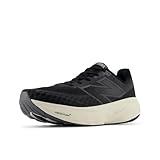
- Fresh Foam X midsole foam with approximately 3% bio-based content delivers our most cushioned Fresh Foam experience for incredible comfort. Bio-based content is made from renewable resources to help reduce our carbon footprint, enhancing these road running shoes.
- These running shoes for women feature a gusseted tongue designed to help keep debris out
- No-sew overlays
- Synthetic and engineered mesh upper
- Adjustable lace closure for a customized fit

- Engineered mesh upper: Improves breathability
- Knit heel pull tab: For easy on and off
- 4D GUIDANCE SYSTEM feature: Helps create adaptive stability for a more balanced stride
- Rearfoot PureGEL technology: Helps provide lightweight cushioning and softer landings
- FF BLAST PLUS ECO cushioning is made with approximately 20% bio-based content and helps provide cloud-like comfort: OrthoLite X-55 sockliner
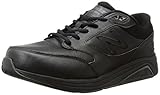
- MOTION CONTROL DESIGN - Engineered with motion control technology to provide superior stability and alignment for walkers who need extra support with each stride
- ROLLBAR STABILITY POST - ROLLBAR technology reinforces the medial and lateral sides of the midsole, reducing rear-foot movement and promoting a stable, controlled walking gait
- ABZORB CUSHIONING - ABZORB cushioning absorbs impact at the heel and forefoot, delivering all-day comfort that reduces fatigue during extended walks
- LEATHER UPPER SUPPORT - Premium leather upper provides a polished, professional look with structured support that holds up through daily wear and maintains its shape
- ALL-DAY WALKING COMFORT - Designed to keep you comfortable from morning till midnight, with a supportive platform ideal for walkers who spend long hours on their feet
As an Amazon Associate, Balance Foot and Ankle earns from qualifying purchases. Product links are affiliate links and we may earn a commission at no extra cost to you. This does not influence our clinical recommendations. Last update on 2026-09-27 / Images from Amazon Product Advertising API
As an Amazon Associate we may earn from qualifying purchases — it never affects our clinical picks.
Add a supportive insole
If you already have arch or heel pain, a supportive insole inside a cushioned shoe adds another layer of protection. A firm, contoured over-the-counter orthotic works for most people; a custom orthotic is worth it if OTC options haven’t helped or your mechanics are complex. We cast custom orthotics in-office.
Other ways to protect your feet on shift
- Rotate between two pairs of shoes so cushioning can decompress between shifts.
- Replace shoes every 300–500 miles or 6–9 months of daily standing — flattened cushioning stops protecting you.
- Stretch your calves and roll the arch before and after shifts.
- Use an anti-fatigue mat at fixed workstations where possible.
FAQ
Why do radiologists get foot pain? Long static standing on hard floors plus the added load of a lead apron concentrates pressure on the heel and forefoot, irritating the plantar fascia and the metatarsal heads.
Are cushioned or stability shoes better? If you overpronate or have plantar fasciitis, a supportive shoe (Adrenaline GTS, Gel-Kayano) helps most. If your gait is neutral, a max-cushion shoe (Bondi, 1080) is ideal. A gait check settles it.
Do compression socks help? They can reduce end-of-shift swelling and fatigue, and pair well with supportive shoes — but they don’t replace proper footwear.
When should I see a podiatrist? If heel or arch pain lasts more than 2–4 weeks despite better shoes, or you have first-step morning pain that isn’t improving.
Foot pain from long shifts?
Dr. Tom Biernacki and the team at Balance Foot & Ankle offer same-week evaluations, gait analysis, and custom orthotics for healthcare workers on their feet all day.
Call (810) 206-1402 · Howell: 4330 E Grand River Ave · Bloomfield Township: 43494 Woodward Ave #208
Related: Plantar fasciitis treatment · Best shoes for teachers · Podiatrist-recommended orthotics

Dr. Tom Biernacki, DPM is a board-certified foot & ankle surgeon (ABFAS & ABPM) at Balance Foot & Ankle Specialists in Southeast Michigan. With over a decade of clinical experience, he specializes in heel pain, bunions, diabetic foot care, sports injuries, and minimally invasive surgery. Dr. Biernacki is a member of the APMA and ACFAS, and his patient education content on MichiganFootDoctors.com and YouTube has made him one of the most-followed foot & ankle educators on YouTube.