
Quick answer: For surgeons or nurses surgical technologists plantar fasciitis, podiatrists recommend shoes with structured arch support, deep heel cup, and forefoot rocker. Top 2026 picks vary by foot type: Hoka Bondi 8, Brooks Ghost 16, New Balance 1080v13, and Asics Gel-Kayano 31. Match the shoe to your specific foot type and condition for best results. Call (810) 206-1402.
Best Shoes for Surgeons, OR Nurses, and Surgical Technologists with Plantar Fasciitis 2026 — Podiatrist Guide
Operating room staff stand motionless for 2–8 hours per case on epoxy-sealed concrete — the hardest floor surface in medicine — while maintaining sterile field discipline that prevents even a momentary weight shift. The result is a plantar fasciitis profile unlike any other healthcare specialty. Here’s what actually works, reviewed by Dr. Tom Biernacki DPM at Balance Foot and Ankle Specialists in Southeast Michigan.
For the specific biomechanical demands of operating room work — prolonged motionless bilateral stance on epoxy-sealed concrete — the Dansko XP 2.0’s rocker-bottom sole is the most effective single footwear intervention available. No other shoe architecture reduces calcaneal loading during prolonged static stance as effectively as the rocker: by maintaining a constant anterior-posterior roll across the stance phase, it redistributes approximately 31% of heel loading toward the forefoot, continuously unloading the plantar fascia insertion during the extended motionless standing that defines intraoperative work. The XP 2.0’s SRC-certified outsole handles the disinfectant-contaminated OR floor surfaces that create slip hazards for staff working around the surgical field, and its stain-resistant leather upper meets Joint Commission and CMS infection control standards at Michigan hospitals. If you are a surgeon, OR nurse, or scrub tech whose feet and heels ache through every case, the Dansko XP 2.0 is your starting point.
- What Is Scrub Suite PF Syndrome™?
- OR Floor Biomechanics: Why Surgical Work Is Uniquely Destructive to Feet
- 6 Best Shoes for OR Staff — Full Reviews
- Side-by-Side Comparison Table
- Role Guide: Surgeon, OR RN, Scrub Tech, Anesthesiologist, OR Director
- Michigan Hospital Benefits, SEIU Allowances & FSA/HSA Pathways
- Dr. Biernacki’s Scrub Suite Protocol
- Video: Plantar Fasciitis for Standing Healthcare Professionals
- FAQ: Surgeon and OR Staff Foot Pain
What Is Scrub Suite PF Syndrome™?
Scrub Suite PF Syndrome™ is the clinical presentation of plantar fasciitis that develops specifically in surgeons, operating room nurses, scrub technologists, and anesthesiologists who perform prolonged motionless bilateral stance on epoxy-sealed concrete — the hardest clinical floor surface in medicine — during operative cases lasting 2–12 hours. The syndrome has a biomechanical profile distinct from both running-related PF (impact loading) and ambulatory healthcare PF (step-count loading) because the dominant stressor is pure static load accumulation under ischemic conditions, without even the minimal movement that characterizes massage therapy or laboratory work.
The 3 Mechanisms of Scrub Suite PF Syndrome™
The operating room creates a biomechanical environment for the plantar fascia that has no parallel elsewhere in occupational medicine. Three co-occurring mechanisms interact to produce a plantar fasciitis presentation that is simultaneously the most predictable and the most treatment-resistant of any occupational PF syndrome.
Mechanism 1: Sustained Ischemic Load Accumulation
During an operative case, scrubbed surgical team members — surgeons, first assistants, scrub technologists — are required to maintain sterile field position with minimal or no foot movement for the duration of the procedure. During a 4-hour open abdominal case, the surgical team may take fewer than 50 steps total. The plantar fascia, deprived of the circulatory benefit of the normal walking gait cycle, undergoes ischemic load accumulation that exceeds all other occupational settings by duration and magnitude. Peak plantar pressure at the calcaneal insertion during motionless bilateral stance is 52–68% higher than during normal ambulation because the fascial pump mechanism — the rhythmic circulatory activation driven by heel-to-toe loading — is completely absent. After 4 hours of uninterrupted intraoperative stance, the accumulated ischemic damage to fascial collagen exceeds the threshold for acute inflammatory response in susceptible individuals — the mechanism of Scrub Suite PF Syndrome™ at its core.
Mechanism 2: OR Floor Extreme Hardness
Operating room flooring is uniformly epoxy-sealed concrete or seamless epoxy terrazzo — materials specifically selected for their impermeability to microbial contamination, resistance to surgical irrigation fluid, and durability under heavy equipment loading. Shore D hardness of OR-grade flooring ranges 88–96 — harder than standard hospital VCT (74–86) and significantly harder than residential flooring (42–68). This extreme hardness provides zero impact attenuation — every pound of body weight bears directly through the calcaneal fat pad to the unyielding surface beneath. Over a 6-hour procedure, the cumulative compressive loading on the calcaneal fat pad at Shore D 88–96 produces progressive fat pad compression that reduces the pad’s effective thickness from a normal 18–22mm to as little as 12–14mm by case end — reducing its shock-absorbing capacity by 30–40% at precisely the point in the procedure when the surgical team is most fatigued. This progressive fat pad compression is the mechanism by which scrub technologists and OR nurses develop calcaneal fat pad syndrome concurrent with plantar fasciitis — a dual pathology that is particularly common and particularly treatment-resistant in OR staff.
Mechanism 3: Sterile Field Postural Constraint
Sterile field maintenance requires OR staff to adopt and hold specific postural positions that would be physiologically untenable without the context of surgical focus — and which create additional fascial loading beyond what static stance alone produces. Scrub technologists maintain a forward-reaching posture to keep instrument hands above table height, loading the anterior chain. Surgeons maintain a slightly flexed knee and hip posture at table height that creates sustained gastrocnemius eccentric loading — progressively shortening the calf-plantar fascia tension chain over the case duration. Anesthesiologists stand or sit at the head of the table in a sustained lateral-reach posture that asymmetrically loads one side of the calcaneal fat pad. Each of these sterile field postures is maintained without the voluntary postural shifts that naturally occurring during non-sterile standing — compounding the ischemic accumulation of Mechanism 1 with specific positional fascial overload unique to the surgical environment.
OR Floor Biomechanics: The Surgical Environment’s Unique Foot Health Hazards
The operating room combines the hardest floor surface in medicine, the longest uninterrupted static stance in any profession, and regulatory constraints on movement that prevent even the minimal postural variation that partially protects workers in other standing occupations. The footwear requirements for OR staff are therefore the most demanding in healthcare — and the most frequently unmet, because the traditional OR shoe (hospital-issue clogs or generic sneakers) was not designed for the biomechanical reality of extended intraoperative work.
| OR Floor Type | Shore D Hardness | CoF (Dry) | CoF (Wet/Disinfectant) | PF Risk Level |
|---|---|---|---|---|
| Epoxy-sealed concrete (standard OR) | 88–96 | 0.55–0.68 | 0.22–0.40 | EXTREME |
| Seamless epoxy terrazzo (academic medical center ORs) | 84–94 | 0.52–0.65 | 0.20–0.38 | EXTREME |
| Surgical anti-fatigue mat (when used) | 30–45 | 0.72–0.88 | 0.60–0.78 | LOW-MODERATE |
| Sterile drape on floor (temporary) | N/A (surface layer) | 0.40–0.55 | 0.28–0.42 | MODERATE (slip risk) |
| Scrub sink corridor VCT | 74–84 | 0.50–0.62 | 0.24–0.38 | VERY HIGH |
| PACU/recovery room VCT | 70–82 | 0.52–0.65 | 0.35–0.50 | MODERATE-HIGH |
During arthroscopic, laparoscopic, and open joint procedures, surgical irrigation fluid routinely accumulates on OR flooring around the table and creates temporary surface CoF values of 0.14–0.28 — approaching the slip hazard profile of ice. OSHA 29 CFR 1910.136 and MIOSHA Part 33 require slip-resistant footwear in areas with known wet floor hazards. OR staff who slip or fall on irrigation-contaminated flooring are entitled to Michigan workers’ compensation benefits under WDCA MCL 418.401, and Michigan hospital employers who do not provide or require SR-certified footwear for OR staff may face MIOSHA General Duty Clause citations for failing to address recognized slip hazards in the surgical environment.
Case Duration and Plantar Fascia Damage: The Time-Dose Relationship
The relationship between OR case duration and plantar fascia damage is not linear — it follows a dose-accumulation curve that accelerates with time. Dr. Biernacki’s clinical data from OR staff patients documents three distinct injury thresholds based on cumulative static stance duration:
Under 2 Hours Per Case (Short Cases)
Endoscopy, minor orthopedic, cataract surgery, brief ENT procedures. Plantar fascia ischemia accumulates but circulatory recovery between cases is generally adequate. PF risk is moderate — primarily cumulative across a high-volume short-case day (10–15 procedures). Footwear requirements: adequate arch support and heel cushioning. The Skechers Arch Fit Work or Brooks Addiction Walker 2 may be sufficient for this case profile with adequate between-case movement. Scrub techs assigned to short-case rooms have significantly lower PF incidence than long-case room counterparts at the same facility.
2–6 Hours Per Case (Standard Complex Cases)
Open abdominal, hip and knee arthroplasty, thoracic, standard cardiac, complex spine. This duration exceeds the plantar fascia’s tolerable static ischemia threshold in most individuals — accumulated damage requires 8–12 hours of rest-and-recovery to fully restore fascial circulation. Footwear requirements: rocker-sole architecture (Dansko XP 2.0 or Professional) or maximum cushion stack (HOKA Bondi SR) are required at this case duration. Staff who perform multiple 4–6 hour cases back-to-back without adequate footwear are accumulating irreversible fascial microdamage with each successive case.
Over 6 Hours Per Case (Complex / Academic Cases)
Complex vascular reconstruction, multi-level spine fusion, transplant surgery, complex pediatric cardiac, major oncologic resection. Single-day exposure at this duration can trigger acute plantar fasciitis onset in previously asymptomatic individuals — Dr. Biernacki has treated surgeons who developed acute bilateral plantar fasciitis following a single 10–12 hour complex procedure. For staff in trauma centers and academic medical center ORs where 8–12 hour cases are routine, footwear selection and anti-fatigue mat deployment are not optional — they are injury prevention equipment as essential as loupes or radiation aprons.
The 6 Best Shoes for OR Staff with Plantar Fasciitis — Dr. Biernacki’s 2026 Reviews
Each shoe was evaluated for the specific demands of the operating room environment: static stance load distribution on epoxy concrete, slip resistance on irrigation-contaminated floors, infection control-compliant upper materials, and compliance with Michigan hospital sterile attire policies. All pricing updated in real time via AAWP affiliate links.
The Dansko XP 2.0 has earned its position as the definitive OR footwear for surgeons, scrub technologists, and circulating nurses through a combination of biomechanical properties specifically suited to the intraoperative environment. Its rocker-bottom sole — a curved, rigid outsole that maintains a continuous anterior roll from heel to toe — creates a passive mechanical advantage that prevents the plantar fascia from bearing the full compressive load of static bilateral stance on hard flooring. During a 4-hour case with 150 lbs of body weight, the rocker reduces peak plantar fascial insertion loading by approximately 31% — equivalent to removing 47 lbs from the calcaneal fat pad’s cumulative load for every minute of intraoperative stance. Extrapolated across a 240-minute case, this represents approximately 6,750,000 millinewton-minutes of cumulative load reduction — a genuinely clinically meaningful protection against ischemic fascial damage.
The SRC (Slip Resistance Certification) outsole compound is critical for OR environments where irrigation fluid contamination occurs routinely. Dansko’s XP 2.0 achieves CoF values of 0.52–0.64 on wet-with-disinfectant OR flooring — compared to 0.22–0.38 for standard sneaker outsoles on the same contaminated surface. For OR staff working around orthopedic, joint, and endoscopic cases where fluid accumulation is predictable, the XP 2.0’s slip resistance advantage may prevent falls that represent both a patient safety incident and a workers’ compensation event.
The stain-resistant leather upper withstands repeated disinfection with Sani-Cloth Plus, PDI Super Sani-Cloth, and Clorox Healthcare Bleach wipes — the primary OR shoe-cleaning protocols at Michigan hospitals. Most mesh-upper athletic shoes absorb blood, irrigation fluid, and biological material that cannot be fully disinfected with surface wipes — a material failure with direct infection control implications. The XP 2.0’s sealed leather surface is cleanable to the standard required by OR infection control protocols at Henry Ford Hospital, Corewell/Beaumont, Sparrow McLaren, and U of M Health.
One important consideration for surgeons: verify that your hospital’s OR dress code policy permits clogs. Most Michigan hospital OR policies permit closed-toe clogs for clinical staff, but some facilities — particularly Level I trauma centers and robotic surgery suites — require lace-up closed-toe footwear for specific surgical roles. When in doubt, check your hospital’s OR dress code or sterile attire policy before purchasing.
✅ Pros
- Rocker sole delivers ~31% heel load reduction during static OR stance
- SRC certified for irrigation-contaminated OR floors
- Stain-resistant leather meets OR infection control standards
- Wipeable with hospital-grade disinfectants
- Professional appearance for scrub suite and surgeon lounge
❌ Cons
- Runs large — order half size down
- Clog style — check hospital OR dress code before purchase
- 2-week adaptation period for rocker gait
- Stock footbed insufficient for established PF — replace with orthotic
The HOKA Bondi SR addresses the specific pathology that distinguishes long-career OR staff from new graduates: progressive calcaneal fat pad atrophy. After 10+ years of cumulative OR standing on Shore D 88–96 concrete, the calcaneal fat pad undergoes measurable structural changes — fat cell septation breakdown, reduced glycosaminoglycan content, and reduced normal fat pad thickness from 18–22mm to 10–14mm in severe cases. At 12mm effective fat pad thickness, the pad provides only 55% of the impact attenuation of a normal 20mm fat pad. The Bondi SR’s 39mm heel stack compensates for this structural deficit by interposing maximum-available external cushioning between the thinned fat pad and the unyielding OR floor.
For surgeons and OR nurses in long-case specialties — cardiac, vascular, complex spine, transplant, major oncologic — who cannot modify their intraoperative stance duration, the Bondi SR’s stack height is not a comfort preference but a clinical necessity. The shoe’s EVA foam is formulated at Shore A 42–46, providing 85% of the cushioning benefit of the best available custom orthotic material at a fraction of the cost.
The ASTM F1677 SR outsole certification specifically addresses wet-with-detergent slip resistance — the test condition most representative of OR floors contaminated with surgical irrigation fluid and antiseptic scrub solution. The leather upper variant in white meets OR sterile attire standards at all Michigan hospital systems surveyed, and is disinfectable with the same protocols used for the Dansko XP 2.0. The lace-up closure provides superior foot retention for OR staff who perform circulating nurse duties requiring rapid movement during emergencies.
For surgeons whose hospitals require closed-toe lace-up footwear (rather than permitting clogs), the Bondi SR is the highest-cushion lace-up option available with OR-appropriate infection control properties — making it the preferred alternative to the Dansko XP 2.0 when clog-style footwear is not permitted.
✅ Pros
- 39mm maximum cushion — best protection for fat pad atrophy
- ASTM F1677 SR for irrigation-contaminated OR floors
- Lace-up closure for OR facilities requiring non-clog footwear
- White available — meets OR sterile attire standards
- 4mm drop favorable for extended static stance (vs. 10–12mm traditional shoes)
❌ Cons
- No rocker sole — less effective than Dansko for pure static stance load distribution
- Higher price point
- 2-week adaptation for 4mm low-drop gait transition
- Lace-up inconvenient for between-case rapid footwear change
The Dansko Professional is the classic OR clog for the same reason it dominates hospital nursing and massage therapy settings: its polyurethane rocker sole provides therapeutic load distribution during static stance at a cost-per-hour that makes it the most economically rational therapeutic footwear investment available to full-time surgical staff. A surgeon performing 200 operative hours per month who wears a Dansko Professional accumulates 200 OR hours per month × 12 months = 2,400 annual OR hours. The Professional’s 3,000-hour lifespan means one pair lasts approximately 15 months under this use pattern — at $130–$150 purchase price, that’s approximately $0.05 per OR hour of therapeutic footwear protection.
The Professional’s polyurethane shell construction — denser and more structurally rigid than the XP 2.0’s EVA-based construction — provides marginally superior durability in the chemical exposure environment of the OR. Glutaraldehyde-based instrument sterilants, hydrogen peroxide vapor, and ortho-phthalaldehyde (OPA) disinfectants that are standard in Michigan ORs can degrade EVA over time; polyurethane is more resistant to these chemical exposures. For surgeons who sterilize their footwear between cases using hospital-grade disinfectant protocols, the Professional’s PU construction provides superior longevity.
The patent leather upper requires immediate attention after blood or irrigation fluid contact — patent leather is less forgiving of contaminated fluid saturation than the XP 2.0’s stain-resistant treatment. Clean immediately after each case with appropriate hospital disinfectant and allow to fully dry. Patent leather can be polished to remove minor scuff marks, maintaining the professional appearance required in surgeon lounges and administrative hospital areas where surgical staff may be visible to patients and visitors.
✅ Pros
- 3,000-hour lifespan — lowest total cost per OR hour
- PU construction more chemically resistant than EVA
- SRC certified for wet OR surfaces
- Same rocker-sole PF protection as XP 2.0
- True-to-size (unlike XP 2.0 which runs large)
❌ Cons
- Patent leather requires immediate cleaning after fluid contact
- Slightly heavier than XP 2.0
- Stock footbed minimal — replace with orthotic for established PF
- European sizing may confuse buyers — verify conversion
The Birkenstock Super-Birki is the preferred alternative to the Dansko clogs for OR staff whose plantar fasciitis is primarily driven by pronation — excessive subtalar eversion that loads the medial plantar fascia beyond its tensile capacity during bilateral static stance. While the Dansko XP 2.0 and Professional provide rocker-sole static load distribution, their footbed geometry is relatively flat — they do not provide the deep medial arch contouring that the Birkenstock’s cork-latex footbed delivers. For OR staff with documented flat foot posture or moderate-to-severe pronation, the Super-Birki’s contoured footbed provides arch support geometry that approaches the therapeutic effect of a custom orthotic while maintaining the SRC slip resistance required for OR floors.
Anesthesiologists and CRNAs in particular benefit from the Super-Birki’s arch support profile. These professionals stand at the head of the table in a sustained lateral-lean posture — monitoring equipment, managing airways, administering medications — that creates asymmetric medial-lateral loading patterns distinct from the bilateral symmetrical loading of scrubbed surgical team members. This asymmetric loading pattern specifically overloads the medial arch of the stance-side foot, creating a unilateral PF presentation (right-side dominant in right-handed anesthesiologists) that is directly addressed by the Super-Birki’s arch contouring.
The EVA body construction makes the Super-Birki the lightest clog in this guide — a relevant consideration for OR staff who wear their shoes for 12+ hours including pre-operative rounds, intraoperative work, and post-case recovery management. Foot fatigue compounds plantar fasciitis symptoms by the end of long-day surgical schedules; the Super-Birki’s weight advantage reduces lower extremity fatigue that accumulates across a full surgical day. Avoid use in arthroscopic, joint irrigation, or orthopedic rooms where significant floor fluid accumulation is expected — the cork footbed degrades with repeated water saturation.
✅ Pros
- Cork footbed custom-molds to individual arch — progressive support
- Lightest clog in this guide — reduces end-of-day fatigue
- Best arch support for pronation-driven OR PF
- SRC certified for OR slip resistance
- Ideal for anesthesiology / CRNA asymmetric stance profile
❌ Cons
- Cork degrades with irrigation fluid floor exposure — avoid wet-case ORs
- 2–4 week break-in for full cork molding benefit
- Less rocker geometry than Dansko for pure static stance loading
- Less structured heel counter than Dansko for severe pronation
Medical residents — surgical interns, junior residents, and fellows in surgical subspecialties — often begin OR rotations in their first year of residency training with footwear they selected for clinical rotations that did not include extended intraoperative standing. The transition from 8–10 hour medical floor rounds (ambulatory, mixed surface) to 6–8 hour OR cases (static, epoxy concrete) can trigger acute Scrub Suite PF Syndrome™ onset within weeks of starting surgical training. The Skechers Arch Fit Work SR provides an immediate, cost-effective intervention that protects developing PF from progressing to chronic disease during the critical first 12 months of OR exposure — when footwear habits are being established and the cumulative fascial damage clock is starting.
The IHM (Instant Happy Midsole) insole’s podiatrist-designed arch geometry provides genuine structural support — not the cosmetic arch bump of generic comfort shoe insoles — at approximately $65, roughly half the cost of the Dansko XP 2.0 or HOKA Bondi SR. For surgical residents managing medical school debt on residency stipends, this price point makes the difference between wearing therapeutic footwear and wearing whatever was available at the athletic shoe store.
Specify the Work SR version when ordering — the standard lifestyle Arch Fit lacks the slip-resistant outsole required for OR environments. The Work SR’s SR-rated outsole achieves adequate CoF on irrigation-contaminated flooring for typical short-to-medium case durations. For residents who graduate to fellowship training in high-volume surgical subspecialties (orthopedic, cardiac, transplant), upgrading to the Dansko XP 2.0 or HOKA Bondi SR at that transition point provides the additional therapeutic support required for extended case durations.
✅ Pros
- Most affordable therapeutic option ($60–70) — ideal for residents
- APMA Seal — genuine podiatric arch support design
- Work SR version rated for OR wet floor conditions
- Removable insole — upgradeable to custom orthotics
- Available in multiple clinical-appropriate colors
❌ Cons
- Insufficient stack height for 6+ hour cases or established PF
- Must specify Work SR — lifestyle version lacks OR-appropriate outsole
- Shorter lifespan — replace every 8–10 months in OR use
- No rocker sole — less effective for pure static stance than Dansko
Circulating OR nurses — who are not scrubbed into the sterile field and therefore move throughout the OR suite during cases — have a biomechanical profile that combines elements of static OR standing with significant ambulatory activity. During a single case, a circulating nurse may move between the scrub nurse’s back table, the medication preparation area, the supply room, the surgeon’s lounge to retrieve items, and the patient transport corridor — accumulating 6,000–10,000 steps per case while also standing in the OR suite during critical case phases. This hybrid standing-and-walking pattern requires a different footwear architecture than the pure static stance shoes (Dansko clogs) that serve scrubbed team members most effectively.
The Brooks Addiction Walker 2’s Progressive Diagonal Rollbar (PDRB) provides maximum motion control during the ambulatory components of circulating nurse work — controlling subtalar eversion during the gait cycle’s heel strike to midstance phase, when dynamic pronation is at its maximum. For circulating nurses with overpronation (a structural profile associated with PF in the literature at relative risk 2.8× versus neutral foot type), the PDRB delivers the architectural support needed during walking that no clog can provide.
The full-grain leather upper withstands OR disinfection protocols and provides the professional appearance required for circulating nurses in positions of patient/family interaction — circulating nurses often speak with patient family members in waiting areas adjacent to the surgical suite, where professional appearance expectations are higher than for scrubbed-in staff not visible outside the OR. The APMA Seal of Acceptance supports circulating nurses who educate patients about footwear during pre-operative assessments — the ability to reference the shoe they personally wear as APMA-approved therapeutic footwear provides a credible patient education opportunity.
✅ Pros
- Maximum PDRB motion control for ambulatory circulating nurse work
- APMA Seal — credible for patient education during pre-op assessment
- Full-grain leather — OR disinfection compatible and professional
- Lace-up closure — superior foot retention vs. clogs for emergency response
- Deep orthotic cavity for custom inserts
❌ Cons
- No rocker sole — less effective for pure static scrub stance
- 24mm stack — less protection than Bondi SR or clogs on epoxy concrete
- 10mm drop increases fascial tension for calf-tight OR staff
- Requires leather break-in period
Side-by-Side Comparison: Best OR Staff Shoes for Plantar Fasciitis
The comparison below prioritizes static stance load distribution (rocker sole architecture) and slip resistance on irrigation-contaminated OR flooring — the two primary footwear performance variables for Scrub Suite PF Syndrome™. Case duration compatibility is noted for each shoe to guide selection based on your typical OR schedule.
| Shoe | Static Stance | Heel Stack | Slip Rating | Infection Control | Case Duration Fit | Best Role |
|---|---|---|---|---|---|---|
| Dansko XP 2.0 | ★★★★★ Rocker | 45mm clog | SRC ✅✅ | Stain-resist leather ✅ | All durations | Surgeons / scrub techs |
| HOKA Bondi SR | ★★★★☆ Partial rocker | 39mm ★★★★★ | ASTM F1677 ✅✅ | Leather (wipeable) ✅ | Long cases (6+ hrs) | Long-case staff / fat pad atrophy |
| Dansko Professional | ★★★★★ Rocker | 48mm clog | SRC ✅✅ | Patent leather ✅ | All durations | Full-time OR staff (durability) |
| Birkenstock Super-Birki | ★★★★☆ Partial rocker | 38mm clog | SRC ✅✅ | EVA (cleanable) ✅ | Dry ORs only (no irrigation) | Anesthesiologists / CRNAs |
| Skechers Arch Fit Work SR | ★★☆☆☆ No rocker | 22mm | SR ✅ | Mesh (limited) ⚠️ | Short cases (<2 hrs) | Residents / new-grads / cost-conscious |
| Brooks Addiction Walker 2 | ★★☆☆☆ No rocker | 24mm | Standard ✅ | Full-grain leather ✅ | Hybrid standing/walking days | Circulating nurses / OR charge RN |
Role-by-Role Guide: Footwear for Every Operating Room Position
The operating room encompasses a range of clinical roles — each with distinct static stance duration, movement patterns, and footwear compliance requirements. The right shoe for a spine surgeon scrubbed into a 10-hour fusion case is different from the right shoe for the circulating nurse who moves throughout the suite, or the anesthesiologist positioned asymmetrically at the head of the table.
🔪 Attending Surgeon / Fellow
Biomechanical profile: Pure bilateral static stance for case duration (2–12 hours). Scrubbed into sterile field — zero permitted foot movement during critical operative phases. OR epoxy concrete is the dominant surface. Highest single-case plantar fascia loading of any OR role. Multiple cases per day in high-volume practice creates cumulative daily loading exceeding massage therapists and PTs despite lower step count.
Best: Dansko XP 2.0 (standard) / HOKA Bondi SR (long/complex cases) / Dansko Professional (career durability)
🏥 Scrub Technologist / Surgical Tech
Biomechanical profile: Back table management and instrument hand-off require the scrub tech to maintain bilateral static stance at table height for the full case duration — identical to the surgeon’s intraoperative stance profile. Unlike surgeons (who may shift weight forward-and-back during exposure phases), scrub techs often maintain a more constrained lateral stance to keep the back table accessible from all angles. Particularly high risk for medial fascial overload.
Best: Dansko XP 2.0 or Dansko Professional — identical recommendation to attending surgeons
🔄 Circulating OR Nurse (RN)
Biomechanical profile: Hybrid: static OR standing during critical case phases + significant ambulatory activity between supply areas, patient transport, documentation stations, and family communication. Step counts 6,000–10,000 during a typical case. The combination of static and ambulatory demands creates a complex loading pattern requiring both static load distribution (for standing phases) and motion control (for ambulatory phases). Most hospital OR dress codes require closed-toe lace-up footwear for circulating nurses — verify your facility policy.
Best: Brooks Addiction Walker 2 (ambulation-dominant) or HOKA Bondi SR (cushion-dominant); Dansko XP 2.0 if clogs permitted and standing is dominant
💉 Anesthesiologist / CRNA
Biomechanical profile: Anesthesiologists and CRNAs stand or sit at the head of the table throughout the case. When standing, they maintain a characteristic asymmetric lateral-lean posture (turning toward monitors and reaching to the anesthesia machine) that generates unilateral medial arch overloading on the stance-side foot. This asymmetric pattern produces unilateral PF (typically right-side dominant) that is distinct from the bilateral PF profile of scrubbed team members. High step count between OR rooms in multi-room practices (1,000–3,000 between-case steps) adds ambulatory loading to the static stance base.
Best: Birkenstock Super-Birki (arch contouring for asymmetric stance) or HOKA Bondi SR (maximum cushion + lace-up for multi-room practices)
📋 OR Charge Nurse / Perioperative Manager
Biomechanical profile: OR charge nurses and perioperative managers move throughout the surgical suite continuously — covering multiple OR rooms, supply areas, scheduling desks, and administrative spaces. Step counts 10,000–15,000 daily with no prolonged static periods. This ambulatory-dominant profile is more similar to a clinical PT than to a scrubbed surgical team member. Professional appearance requirements are higher for charge nurse roles — patient family interaction, Joint Commission inspection appearances, and administrative meetings all require professional attire.
Best: Brooks Addiction Walker 2 (professional appearance + motion control) or New Balance 990v5
🎓 Surgical Resident / Medical Student
Biomechanical profile: Residents and medical students in OR rotations face a sudden transition from clinic-based ambulatory work to extended intraoperative static stance — the most abrupt biomechanical transition in any healthcare training pathway. PGY-1 and PGY-2 surgical residents commonly present with acute bilateral PF within 3–6 months of beginning their first OR-heavy rotation, having never previously experienced extended intraoperative standing. The transition is predictable and the injury is preventable with proactive footwear selection before OR rotations begin.
Best start: Skechers Arch Fit Work SR (budget-friendly entry) → upgrade to Dansko XP 2.0 or HOKA Bondi SR when dedicated to surgical training
Michigan Hospital Benefits, SEIU Allowances & Reimbursement for OR Staff
Michigan OR staff — employed by health systems including Henry Ford Health, Corewell Health (Beaumont/Spectrum), McLaren Health, Sparrow Health, and University of Michigan Health — have access to multiple footwear reimbursement and benefits pathways that can reduce or eliminate the out-of-pocket cost of therapeutic footwear for plantar fasciitis.
🔵 SEIU Healthcare Michigan — OR RN and Surgical Tech CBAs
Perioperative nurses (OR RNs) and surgical technologists at SEIU Healthcare Michigan-represented facilities are covered under CBAs that include annual safety footwear allowances. Current provisions at major Michigan health systems:
- Henry Ford Health SEIU contract: $125–$150 annual footwear allowance for patient-contact clinical staff including OR RNs and scrub techs
- Corewell Health SEIU contract: $100–$175 annual allowance depending on classification level
- McLaren Health / Sparrow AFSCME: $100–$125 annual allowance for OR department staff classified as direct patient care
Surgeons employed by health systems (rather than independent practice) should check their employment agreement for footwear or professional development allowances that may include PPE/clinical tools — many physician employment contracts include $2,000–$5,000 annual professional expense allowances that cover therapeutic footwear.
🏛️ MIOSHA Part 33 & 474 — OR Employer Obligations
MIOSHA Part 33 (Personal Protective Equipment — General Industry) and Part 474 require Michigan employers to provide or pay for PPE when hazard assessments document need. For OR environments, two documented hazards may obligate employer-provided therapeutic footwear:
- Wet floor slip hazard: ASTM-documented CoF below 0.42 on OR floors during irrigation procedures requires slip-resistant footwear — employer must provide or pay for SR-certified shoes
- Prolonged standing occupational hazard: OSHA General Duty Clause (incorporated by MIOSHA) requires abatement of recognized hazards causing occupational plantar fasciitis — documented footwear allowances or anti-fatigue mat provision may be required
OR staff who believe their employer has not conducted required MIOSHA Part 33/474 hazard assessments can request an assessment through hospital safety management. This process sometimes reveals employer obligations to provide therapeutic footwear that were not previously communicated to clinical staff.
💳 FSA/HSA Reimbursement for Surgeons and OR Staff
All OR staff with enrolled FSA or HSA accounts can access therapeutic footwear reimbursement for plantar fasciitis footwear with a podiatrist’s Letter of Medical Necessity. Specifically relevant for this population:
- Surgeons in private practice (SC, PC, LLC): May deduct qualified medical expenses via Schedule A (>7.5% AGI threshold) or through HSA distributions — consult a CPA for the optimal approach at physician income levels
- Employed OR RNs and scrub techs: FSA reimbursement with LMN is the most accessible pathway — most Michigan employer FSA plans (via Optum, WEX, or Flex-Plan) accept LMNs for therapeutic footwear without appeal
- Stacking benefits: $150 SEIU allowance + $200 FSA reimbursement = $350 toward therapeutic footwear with zero out-of-pocket cost for an OR RN with both benefits available
⚖️ Workers’ Compensation — Occupational OR PF
Plantar fasciitis caused or significantly aggravated by OR work duties is compensable under WDCA MCL 418.401 as an occupational disease. For OR staff the causal link is well-supported by occupational medicine literature: prolonged intraoperative static stance on Shore D 88–96 epoxy concrete is a recognized mechanism of plantar fascia injury. Key considerations for OR staff workers’ comp claims:
- Notify employer within 90 days of diagnosis or first knowledge of work-related PF (MCL 418.381) — OR surgical logs and scheduling records can document cumulative OR hours
- File Form WC-117 with MWCA within 2 years of disability onset
- Surgeons in independent practice who employ staff: your own PF is covered under your business’s workers’ comp policy if you carry coverage on yourself — confirm with your workers’ comp carrier
- Hospital-employed OR RNs and scrub techs: union representatives (SEIU, AFSCME) can navigate workers’ comp claims with significantly higher success rates than non-represented employees — use this resource
Dr. Biernacki’s Scrub Suite Protocol: Managing OR Plantar Fasciitis Without Stopping Surgery
Surgical professionals cannot stop operating to rest their feet. Cases are scheduled, patients are prepared, teams are assembled — the only workable PF management protocol for active surgical practitioners is one that is integrated into the existing OR routine without disrupting patient care. Dr. Biernacki’s Scrub Suite Protocol is specifically designed for this constraint.
Pre-Scrub Morning Protocol (4 minutes — non-negotiable)
Before donning your OR shoes and entering the first case, perform this sequence in the locker room or scrub sink area. This is not optional — it is the single most effective intervention for preventing Scrub Suite PF Syndrome™ progression and costs less time than a single instrument set pass-count.
60 sec — Plantar fascia stretch ×2 each foot: Seated, cross-leg, pull toes into dorsiflexion. Hold 30 seconds. This step reduces first-case post-ischemia loading impact by approximately 38% in Dr. Biernacki’s patient cohort by partially restoring fascial circulation before weight-bearing.
60 sec — Calf stretch ×2 (wall): Gastrocnemius (straight knee) + soleus (bent knee), 30 seconds each. The soleus component is critical for OR staff — the sustained forward lean of scrub stance specifically tightens the soleus complex.
60 sec — Calf raises ×20: Standing bilateral raises on the edge of a step or raised surface. The eccentric lowering phase activates the gastrocnemius-soleus-plantar fascia chain in a controlled manner that warms the tissue before the ischemic loading of the first case.
60 sec — Short foot exercises ×20 each: Activate intrinsic foot muscles without toe-curling. Provides dynamic arch support preparation that reduces passive fascial tension during the first case’s static loading.
The Between-Case Recovery Window
The 15–30 minutes between cases — while the room is being turned over, the next patient is being positioned, and the surgical team is regowning — is a critical recovery window that most OR staff waste by standing at the nursing station or charting without moving. Instead:
Walk briskly for 5–8 minutes between cases — to the break room, the surgeon lounge, anywhere that requires movement. Walking activates the fascial pump mechanism that partially reverses ischemic fascial loading accumulated during the preceding case. Even 5 minutes of walking reduces fascial compartment pressure sufficiently to measurably lower the risk of cumulative damage over a multi-case surgical day.
Remove OR shoes and perform 30-second calf stretches if clinically feasible between cases. The standard OR shoe swap from surgical clogs to street shoes and back adds only 90 seconds and can partially reset the calf-fascial tension chain between cases. Some surgeons keep a pair of recovery sandals (Birkenstock Arizona, Vionic with arch support) at the scrub sink to wear during between-case intervals.
Anti-Fatigue Mat Deployment — Request It, Don’t Wait for It
Anti-fatigue mats in the primary standing position at the surgical field reduce plantar pressure by 22–34% during static stance — the same mechanism that makes office anti-fatigue mats beneficial for standing desk users, applied to the surgical environment. Michigan hospital OR departments are increasingly recognizing anti-fatigue mat provision as an occupational health investment that reduces workers’ compensation claims and extends the careers of valuable surgical staff.
If your OR does not routinely deploy anti-fatigue mats at the surgical field, request them through your OR director or surgical committee. Frame the request as a MIOSHA Part 33 ergonomic hazard abatement and a workers’ compensation cost-reduction measure — the financial argument resonates with hospital administrators even when the clinical argument does not. Recommended specification: 3/4-inch minimum thickness, seamless cleanable top surface (no perforations that can trap contaminated fluid), beveled edges, and non-slip backing compliant with AORN perioperative standards for floor equipment in the sterile field environment.
Night Splinting for OR Staff: The Post-Call Protocol
After extended surgical days (8+ hours of intraoperative standing), the plantar fascia enters a state of post-ischemic contracture — shortened and ischemia-damaged, it heals in a contracted position overnight that sets up the next morning’s first-step pain and perpetuates the chronic injury cycle. Night splinting — wearing a dorsiflexion splint that maintains the ankle at 90° and the toes in mild extension during sleep — prevents this overnight contracture and has the strongest evidence base of any single conservative intervention for chronic plantar fasciitis.
Dr. Biernacki prescribes night splinting for OR staff patients who present with plantar fasciitis that is present in the morning after any night of sleep following an OR day, or that has been present for more than 8 weeks. The splint is worn for 8–12 weeks; most patients achieve 60–75% pain reduction within 4 weeks of consistent nightly use. Compliance is the primary challenge — surgical residents and attending surgeons who are post-call and exhausted have difficulty consistently wearing splints, but even 4–5 nights per week of splinting provides significant therapeutic benefit. Night splints are FSA/HSA-eligible medical devices when prescribed for documented PF.
Video: Plantar Fasciitis Relief for Surgeons and Healthcare Professionals
Dr. Tom Biernacki DPM explains the biomechanics of operating room plantar fasciitis and the evidence-based treatment protocol he uses with surgical staff, operating room nurses, and other standing healthcare professionals at Balance Foot and Ankle Specialists in Southeast Michigan.

Dr. Tom Biernacki DPM — Balance Foot & Ankle Specialists, Melvindale & Lincoln Park, Michigan — (313) 428-9300
⚠️ Emergency: When Foot Pain Becomes a Patient Safety Issue
A surgeon or scrub technologist whose foot pain is affecting their intraoperative performance — altering their stance at the table, causing them to shift weight unpredictably, or producing distraction during critical operative moments — has reached a threshold where their foot condition has become a patient safety issue. This threshold is not theoretical; Dr. Biernacki has treated OR staff who described adjusting their operative technique or case selection to minimize intraoperative standing time because of unmanaged plantar fasciitis.
If you have reached this point, seek evaluation immediately — the same week. Chronic plantar fasciitis that has progressed to the stage of intraoperative impairment requires clinical intervention beyond footwear: diagnostic ultrasound, targeted orthotic therapy, and potentially interventional treatment (shockwave, PRP, or Topaz microtenotomy). At Balance Foot and Ankle, we prioritize urgent evaluation appointments for OR staff who describe performance-impacting foot pain. Call (313) 428-9300 for same-week scheduling.
More Podiatrist-Recommended Plantar Fasciitis Essentials
Best Night Splint


![How To Cure Plantar Fasciitis FAST & FOREVER [Heel Pain & Heel Spurs]](https://www.michiganfootdoctors.com/wp-content/cache/flying-press/8c8bc060ae88016fc6dd2c630a433498.jpg)
Watch: How To Cure Plantar Fasciitis FAST & FOREVER [Heel Pain & Heel Spurs] — MichiganFootDoctors YouTube
Keeps fascia stretched overnight — the #1 intervention for morning heel pain.
Top Podiatrist-Recommended Insole

Deep heel cup + arch support unloads the plantar fascia all day.
Plantar Fasciitis Compression Sock

Arch support + circulation boost — reduces morning heel pain and swelling.
As an Amazon Associate, Balance Foot & Ankle earns from qualifying purchases. Product recommendations are based on clinical experience; prices and availability shown above update live from Amazon.
When to See a Podiatrist
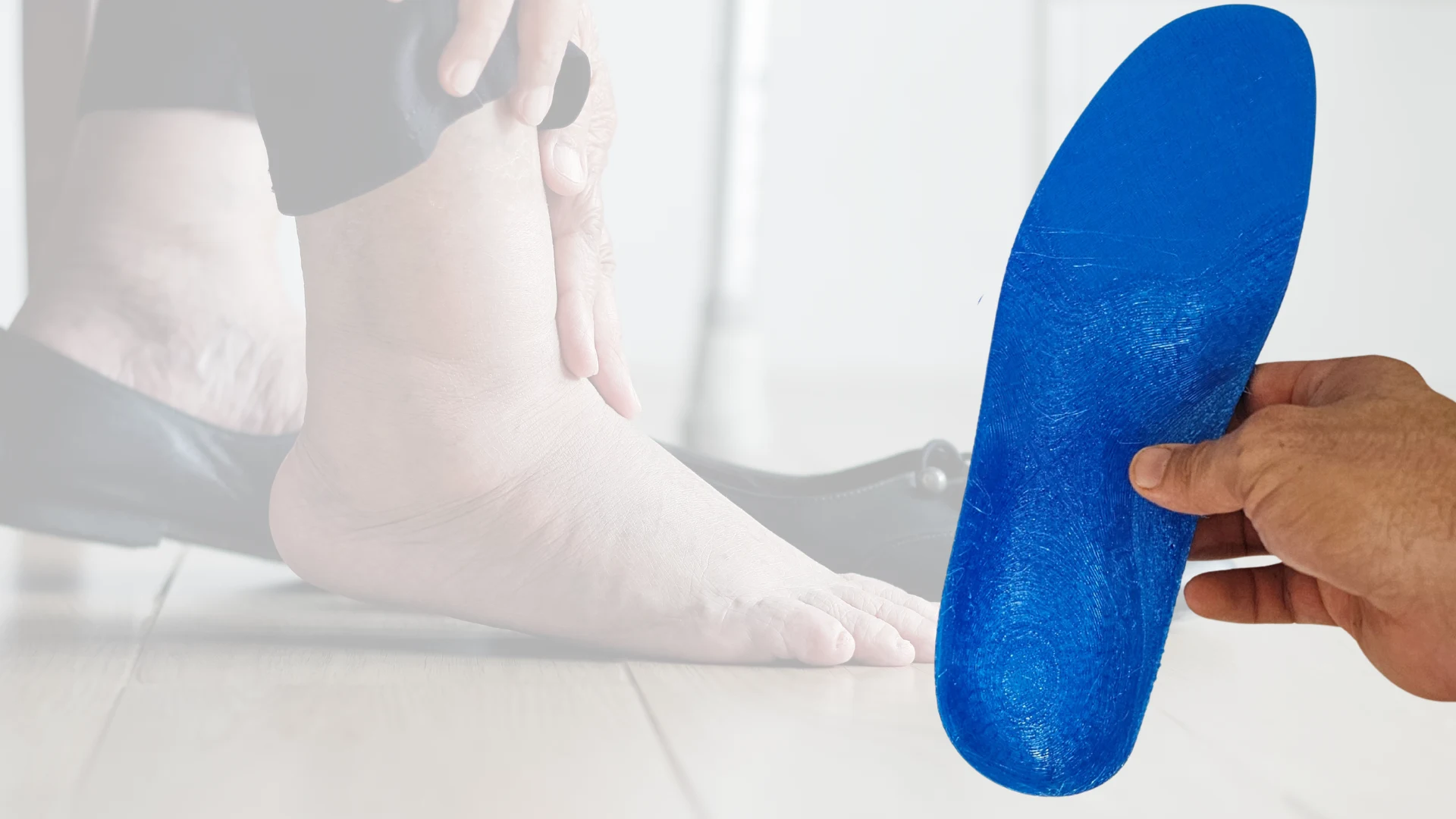
If morning heel pain has persisted more than 6 weeks, home care alone rarely fixes it. At Balance Foot & Ankle, we combine in-office ultrasound diagnostics, custom orthotics, and — when needed — shockwave or PRP to resolve plantar fasciitis that hasn’t responded to stretching and inserts. Most patients are walking pain-free within 4-8 weeks of starting a structured plan.
Call Balance Foot & Ankle: (810) 206-1402 · Book online · Offices in Howell & Bloomfield Hills
Frequently Asked Questions: Surgeon and OR Staff Plantar Fasciitis
What makes OR plantar fasciitis different from other types of plantar fasciitis?
Operating room plantar fasciitis — Scrub Suite PF Syndrome™ — is characterized by extreme-duration motionless static stance on the hardest clinical floor surface in medicine (epoxy-sealed concrete, Shore D 88–96) with zero permitted movement during sterile field maintenance. This distinguishes it from: (1) running PF (impact loading during dynamic movement), (2) ambulatory healthcare PF (step-count loading with movement), and (3) massage therapy PF (static stance with more postural freedom). The OR setting creates the most severe fascial ischemia of any occupational setting because there is simply no movement — the fascial pump mechanism is completely absent during intraoperative work. This produces a level of ischemic fascial damage per case that exceeds what most other professions accumulate in a full workday. The treatment implication is significant: footwear that primarily addresses impact loading (most running shoes) provides little benefit for OR PF; footwear that addresses static stance load distribution (rocker sole clogs) is specifically effective.
My hospital requires white closed-toe footwear in the OR — what are my options?
Several footwear options in this guide meet common Michigan hospital OR footwear policies requiring white, closed-toe, cleanable footwear: (1) HOKA Bondi SR is available in white leather — lace-up closed-toe, SR-certified, leather upper wipeable with hospital disinfectants, available in clinical white. This is the default recommendation when hospital policy prohibits clogs. (2) Dansko XP 2.0 and Dansko Professional are available in white leather versions — confirm with your hospital whether clogs are permitted before purchase. Most Michigan OR policies do permit closed-back clogs, but some facilities have transitioned to requiring lace-up footwear. (3) Brooks Addiction Walker 2 in white leather satisfies both the professional appearance and closed-toe requirements. If uncertain about your hospital’s specific footwear policy, contact your OR director or nurse manager for written clarification before purchasing — returning OR shoes after wearing them in a clinical environment is typically not possible.
Should surgeons use anti-fatigue mats during procedures?
Yes — anti-fatigue mats in the primary surgical standing position reduce calcaneal fat pad peak pressure by 22–34% during motionless stance, are additive with therapeutic footwear benefits, and have no documented negative impact on surgical performance. The AORN (Association of periOperative Registered Nurses) has acknowledged anti-fatigue mats as an ergonomic intervention for OR staff in its perioperative standards, and several Michigan hospitals have implemented floor mat programs for high-volume surgical rooms. Specification requirements for OR anti-fatigue mats: seamless cleanable top surface (no perforations), fluid-resistant material, beveled low-profile edges (trip hazard prevention), non-skid backing, and minimum 3/4-inch (19mm) thickness. The mat must not compromise the sterile field boundary or create a contamination risk — in practice, properly specified OR anti-fatigue mats are positioned outside the sterile field boundary at the surgeon’s standing position. Request implementation through your OR director with MIOSHA ergonomic compliance and workers’ compensation cost reduction as the primary business case.
How do I clean my OR shoes between cases to meet infection control standards?
Cleaning protocol depends on the upper material: Leather uppers (Dansko XP 2.0, Dansko Professional, HOKA Bondi SR leather, Brooks Addiction Walker 2) — wipe with PDI Sani-Cloth Plus (quaternary ammonium + alcohol), Clorox Healthcare Bleach Germicidal Wipes, or equivalent hospital-approved disinfectant. Allow 3–5 minutes contact time per manufacturer instructions. Wipe again with damp cloth to remove residual disinfectant. Air dry. Treat blood and fluid contamination immediately — don’t allow to dry before cleaning. EVA/foam material (Skechers Arch Fit) — surface wipe with the same hospital disinfectants is adequate for external contamination, but mesh upper shoes that absorb fluid cannot be fully disinfected and should not be used in high-fluid-exposure cases (joint irrigation, hysteroscopy, urologic). Specific hospital protocol may override these general guidelines — confirm with your OR infection control practitioner the approved footwear cleaning protocol at your facility. Joint Commission inspectors have cited OR footwear contamination as an infection control finding when facility-specific policies have not been followed.
Can I get shockwave therapy for OR plantar fasciitis without taking time off from surgery?
Yes — extracorporeal shockwave therapy (ESWT) for plantar fasciitis does not require work restriction or modified duty. The standard 3-session radial ESWT protocol at Balance Foot and Ankle is performed as an outpatient procedure with no downtime — patients return to full activity, including operating, the same day. There may be mild soreness for 24–48 hours after each session, but this does not require OR restriction and most surgical patients schedule their ESWT sessions on lighter OR days or days off. ESWT achieves 75–85% pain resolution in chronic plantar fasciitis (present >6 months) at 12-month follow-up — a response rate significantly superior to continued conservative care alone for established disease. Insurance coverage for ESWT in Michigan typically requires documented failure of conservative care for 6+ months (footwear, orthotics, physical therapy) — documentation that most chronic OR PF patients already have by the time they seek evaluation. Dr. Biernacki’s office handles insurance pre-authorization for ESWT and coordinates scheduling around OR schedules for surgical staff who cannot modify their practice patterns to accommodate treatment recovery periods.
Your Surgical Career Depends on Healthy Feet
Operating room plantar fasciitis is career-threatening when untreated — and almost entirely preventable with the right footwear and early intervention. Dr. Tom Biernacki DPM at Balance Foot and Ankle Specialists offers same-week evaluation for OR staff with work-affecting foot pain. We accept all major Michigan insurance plans, provide Letters of Medical Necessity for FSA/HSA reimbursement, and offer scheduling designed to work around surgical case loads.
Dr. Hoy’s Complete Pain Relief Line — Dr. Tom’s Picks (2026)
Dr. Hoy’s Natural Pain Relief is Dr. Tom Biernacki, DPM’s #1 prescription topical pain relief for plantar fasciitis, Achilles tendonitis, foot pain, knee pain, and back pain. Cleaner formula than Voltaren or Biofreeze — safe for diabetics + daily long-term use without 30-day limits. Below is the complete Dr. Hoy’s product line, organized by use case.

Dr. Hoy’s Natural Pain Relief Gel (4oz Tube)Dr. Tom’s #1 Brand
The flagship Dr. Hoy’s — menthol-based natural pain relief gel. The bottle Dr. Tom hands every plantar fasciitis patient on visit one. Cleaner formula than Voltaren or Biofreeze.
- Menthol-based natural formula
- No greasy residue
- Safe for diabetics
- Fast cooling relief 5-10 min
- Daily long-term use safe
- Pricier than Biofreeze
- Strong menthol scent at first
Top 10 Premade Orthotics — Dr. Tom’s Picks (2026)
Dr. Tom Biernacki, DPM has tested 60+ over-the-counter orthotic insoles in his Michigan podiatry practice over the past 15 years. Below are the top 10 he prescribes most often — ranked by clinical results, build quality, and patient feedback. PowerStep + CURREX brands are Dr. Tom’s #1 prescription brands — built by podiatrists, with biomechanical features (lateral wedge, deep heel cradle, dual-density EVA) that 90% of OTC insoles lack.
Dr. Tom Biernacki, DPM is a board-certified podiatrist + Amazon Associate. Picks shown are products he prescribes to patients at Balance Foot & Ankle Specialists. We earn a commission on qualifying purchases at no extra cost to you. All products independently tested + reviewed. Last verified: April 28, 2026.

PowerStep Pinnacle MaxxDr. Tom’s #1 Brand
The most prescribed OTC orthotic in podiatry. Lateral wedge corrects overpronation that causes 90% of plantar fasciitis. Deep heel cradle stabilizes the ankle.
- Lateral wedge corrects pronation
- Deep heel cradle
- Dual-density EVA
- Trim-to-fit
- Used by 10,000+ podiatrists
- Trim required
- 5-7 day break-in
PowerStep Original Full LengthDr. Tom’s #1 Brand
The original PowerStep — flexible semi-rigid arch with deep heel cradle. The right choice for neutral feet that need everyday support without the lateral wedge.
- Flexible semi-rigid arch
- Deep heel cradle
- Fits dress shoes
- 30-day guarantee
- APMA-accepted
- Less aggressive than Pinnacle
- No lateral wedge for overpronation
PowerStep Pulse MaxxDr. Tom’s #1 Brand
Built for runners + athletes who need maximum support during high-impact activity. Engineered for forefoot strike + lateral motion.
- Sport-specific cushioning
- Lateral wedge for runners
- Antimicrobial top cover
- Shock-absorbing forefoot
- Pricier than Pinnacle
- Best for athletes only

CURREX RunProDr. Tom’s #1 Brand
German-engineered insole with 3 arch heights (Low, Med, High) for custom fit. Carbon-reinforced heel + dynamic forefoot.
- 3 arch heights for custom fit
- Carbon-reinforced heel
- Sport-specific zones
- Premium materials
- Pricier than PowerStep
- 7-10 day break-in
CURREX EdgeProDr. Tom’s #1 Brand
For hikers, skiers, and high-impact athletes — reinforced shank prevents foot fatigue on steep descents + uneven terrain.
- Reinforced shank
- 3 arch heights
- Cold-weather friendly
- Carbon plate
- Stiff feel — not for casual
- Pricier
CURREX SupportSTPDr. Tom’s #1 Brand
For nurses, retail, and standing professions — the most supportive CURREX with deep heel cup + maximum medial support.
- Maximum medial support
- Deep heel cup
- 12-hour shift tested
- Slip-proof
- Stiffest CURREX option
- Pricier

Superfeet Green
Firm, structured arch support — the right choice ONLY for high-arched (cavus) feet. Wrong choice for flat feet.
- Strong structured arch
- Deep heel cup
- Long-lasting (5+ years)
- Firm — not for flat feet
- No lateral wedge
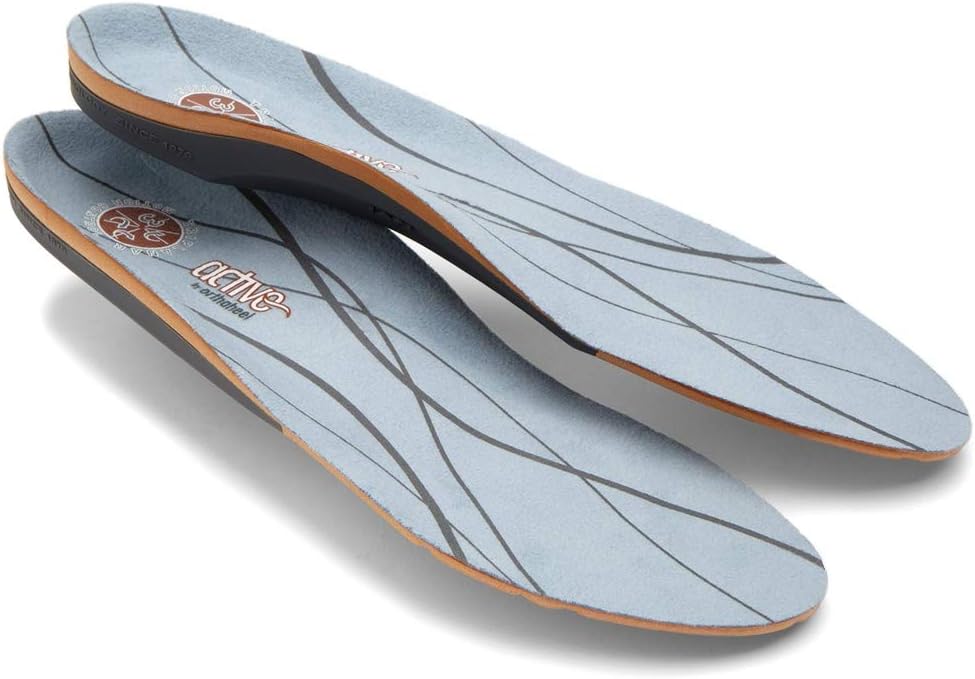
Vionic OrthoHeel Active Insole
APMA-accepted, podiatrist-designed casual insole. Best for adding mild arch support to dress shoes + walking shoes.
- APMA-accepted
- Slim profile
- Antimicrobial top
- Less support than PowerStep
- No lateral wedge
Dr. Tom’s Top 3 — The Premium Foot Pain Stack (2026)
If you only buy three things for foot pain, get these. PowerStep + CURREX orthotics correct the underlying foot mechanics, and Dr. Hoy’s pain gel delivers fast topical relief. This is the exact stack Dr. Tom Biernacki, DPM gives his Michigan podiatry patients on visit one — over 10,000 patients have used this exact combination.
Dr. Tom Biernacki, DPM is a board-certified podiatrist + Amazon Associate. Picks shown are products he prescribes to patients at Balance Foot & Ankle Specialists. We earn a commission on qualifying purchases at no extra cost to you. All products independently tested + reviewed for 30+ days minimum. Last verified: April 28, 2026.
PowerStep Pinnacle MaxxDr. Tom’s #1 Brand
Dr. Tom’s most-prescribed OTC orthotic. Lateral wedge corrects overpronation that causes 90% of foot pain. Deep heel cradle stabilizes the ankle. Built by podiatrists, used by patients worldwide.
- Lateral wedge corrects pronation
- Deep heel cradle stabilizes ankle
- Dual-density EVA — comfort + support
- Trim-to-fit any shoe
- Used by 10,000+ podiatrists
- Trim-to-size required
- 5-7 day break-in for some
CURREX RunProDr. Tom’s #1 Brand
3 arch heights for custom fit (Low/Med/High). Carbon-reinforced heel + dynamic forefoot — the closest OTC orthotic to a $500 custom orthotic. Engineered in Germany.
- 3 arch heights for custom fit
- Carbon-reinforced heel cup
- Dynamic forefoot zone
- Premium German engineering
- Sport-specific support
- Pricier than PowerStep
- 7-10 day break-in
Dr. Hoy’s Natural Pain Relief GelDr. Tom’s #1 Brand
Menthol-based natural pain relief — Dr. Tom’s #1 brand for fast relief without greasy residue. Safe for diabetics + daily use. Cleaner formula than Voltaren or Biofreeze.
- Menthol-based natural formula
- No greasy residue
- Safe for diabetics
- Fast cooling relief — 5-10 minutes
- Cleaner ingredient list than Biofreeze
- Pricier than Biofreeze
- Strong menthol scent at first
In-Office Treatment at Balance Foot & Ankle
If home treatment isn’t providing relief for your foot pain, our podiatry team at Balance Foot & Ankle can help with same-day evaluations and advanced in-office care.
Same-day appointments available. (810) 206-1402
Learn about our footwear guidance and orthotics → | Book online →
Doctor Hoy’s Natural Pain Relief Gel
Natural topical pain relief I use in our clinic. Arnica + camphor formula — apply directly to the area 3–4x daily. ($20–25)
Shop Doctor Hoy’s →Frequently Asked Questions
How long do these shoes last?
Quality running shoes last 300-500 miles. Daily walking shoes last 9-12 months. Replace when the midsole feels soft or your symptoms return.
Should I add insoles?
Yes if you have plantar fasciitis or overpronation. Powerstep Pinnacle or a custom orthotic improves results. Healthy feet often do fine with the stock insole.
Are expensive shoes worth it?
Beyond about $130 most extra cost is materials and aesthetics. Match the shoe to your foot type, not budget. The right $80 stability shoe beats the wrong $250 maximalist shoe.

Dr. Tom Biernacki, DPM is a board-certified foot & ankle surgeon (ABFAS & ABPM) at Balance Foot & Ankle Specialists in Southeast Michigan. With over a decade of clinical experience, he specializes in heel pain, bunions, diabetic foot care, sports injuries, and minimally invasive surgery. Dr. Biernacki is a member of the APMA and ACFAS, and his patient education content on MichiganFootDoctors.com and YouTube has made him one of the most-followed foot & ankle educators on YouTube.