


The wrong work boot makes plantar fasciitis, Achilles tendonitis, and Morton’s neuroma worse with every step — but the 4 work boots podiatrists actually recommend solve all three at once.
You’ve come to the right podiatry team. Dr. Tom Biernacki, DPM, FACFAS — board-certified foot & ankle surgeon with 3,000+ surgeries — explains exactly what the best work boots from a podiatrist means and what works. Call (810) 206-1402 to book at Howell or Bloomfield Township.
★ DR. TOM BIERNACKI, DPM, FACFAS · BOARD-CERTIFIED PODIATRIST
Work Boots for Plantar Fasciitis: Quick Answer
Standard work boots make plantar fasciitis WORSE — rigid leather, flat insoles, and steel toes that compress the forefoot all conspire to overload the fascia. The right work boot for plantar fasciitis combines: (1) removable insole (so you can swap in PowerStep or custom orthotics), (2) firm heel counter that doesn’t collapse, (3) shock-absorbing midsole (EVA or PU, not just rubber), (4) composite or alloy toe (lighter than steel), and (5) wide-enough toe box to prevent forefoot compression.
My top 5 picks: Timberland PRO Pit Boss 6″ (best value steel-toe), Wolverine Floorhand (composite-toe + memory foam midsole), Keen Utility Pittsburgh (composite-toe + ASR slip-resistant), Brunt Marin (modern construction-boot brand designed with arch support), and Red Wing Iron Ranger (premium leather, work-to-bar). Add a PowerStep Pinnacle Maxx or Pinnacle Plus orthotic for severe arch collapse. Get fitted at end-of-day when feet are largest.
Medically reviewed by Dr. Tom Biernacki, DPM · Board-Certified Podiatric Surgeon · Last reviewed: April 2026 · Editorial Policy
Work Hard, Walk Smart – Podiatrist Recommended Work Boots
Top Podiatrist-Recommended Men’s
Work Boots for Pain-Free Support
BEST Work Boots
Looking for the best men’s work boots that protect your feet, reduce pain, and keep you comfortable all day? Our podiatrists at Balance Foot & Ankle Specialist recommend work boots designed for long hours, tough environments, and common job-related foot conditions like heel pain, flat feet, and ankle strain.
Consult Us TodayWhy Proper Work Boots Matter
Work boots can make or break your day—especially if you stand, lift, or walk for long hours. High-quality men’s work boots provide essential features like strong arch support, ankle stability, shock absorption, and protective toe boxes. Proper boots help prevent common occupational foot problems including plantar fasciitis, metatarsalgia, and tendon strain.


How to Choose the Best Work Boots
Selecting the right work boot depends on your job and foot structure. Look for safety features such as steel or composite toe protection, slip-resistant soles, reinforced heel counters, and durable midsoles. If you suffer from foot pain, choose boots with deeper heel cups, firm arch support, and cushioned insoles. Proper fit is critical—boots should support your foot without compressing toes or causing rubbing.
How Our Podiatrists Can Help
Our podiatrists at Balance Foot & Ankle Specialist examine your gait, foot shape, and work environment to recommend the right boots for your needs. We frequently see patients with heel pain, flat feet, and ankle issues caused by poor footwear. When necessary, we provide 3D custom orthotic scanning to create medical-grade inserts that fit inside most work boots for maximum support and comfort.
📍 Located in Michigan?
Our board-certified podiatrists treat this condition at two convenient locations. Book online 24/7 at either office.
Discover Podiatrist-Approved Work Boots for All-Day Comfort
Best Podiatrist Recommended Work Boots
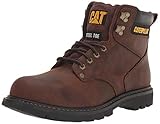
Caterpillar Men’s Second Shift Steel Toe Work Boot
These are excellent overall steel toe work boots. The secret is to combine these with a good supportive orthotic such as the ones found below.
ORDER NOWWolverine Men’s Soft Toe Work Boots
These are a very reasonably priced high quality work boot. We find that the real key is having an orthotic with some cushion that can be swapped out after 3-6 months at a time.
ORDER NOWThorogood Men’s American Heritage Work Boot

Great boot, made in the USA. Even though waterproof it can help to oil the outside to make them more durable.
ORDER NOWARIAT mens Ariat Groundbreaker Round Toe Work Boot

Great Cowboy Style Workboot. The oil can help add durability. Because there are no laces, make sure it is not too tight to add a replaceable orthotic.
ORDER NOW
Top Customer Reviews
I’m an Ironworker and there aren’t many trades harder on your boots than what I throw at them. They stand up to welding, dropping stuff on them, kicking sheets of deck, and water proof to your ankle. The water proof lining actually makes for great insulation in the weather if you’re moving around. These are the only work books I’ve ever worn that are comfortable right out of the box. Fit true to size and are a good looking boot as well. – Ethan
My son loved them. Said they are very comfortable and look nice. – Elodie Medford
Extremely well made!! comfortable for all-day wear!!! The only boot I’ll ever buy. – kristofer siarkowski

Trusted Footwear Recommendations From Michigan’s Leading Podiatrists
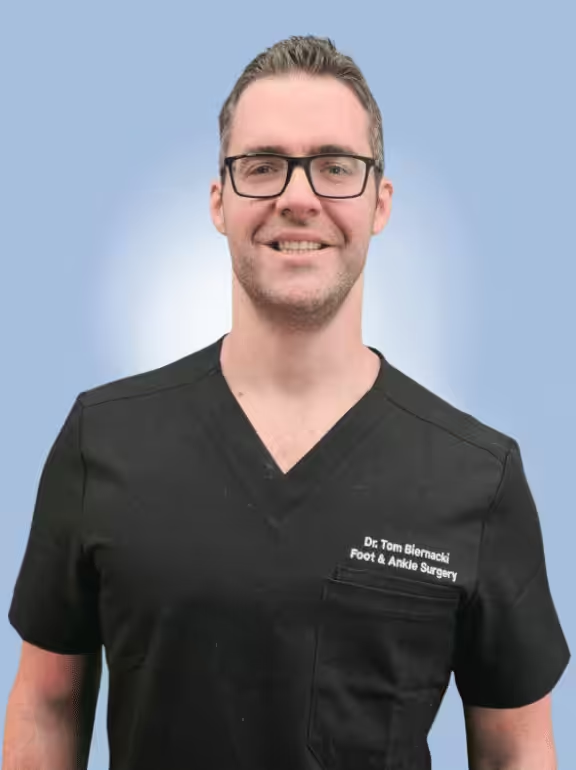
Dr. Tom Biernacki DPM
(Podiatrist, Wound Care, Foot & Ankle Specialist)
Dr. Tom Biernacki, DPM, is a highly respected and experienced podiatrist proudly serving patients in Howell, Michigan, and throughout Oakland County. With a strong commitment to personalized patient care, Dr. Biernacki specializes in diagnosing and treating a many foot and ankle conditions, including chronic foot pain, sports injuries, diabetic foot care, and structural deformities. His practice offers comprehensive services such as routine foot care, advanced wound care, and both non-surgical and surgical solutions for complex issues affecting the lower extremities. Known for his compassionate approach and attention to detail, Dr. Biernacki works closely with each patient to create a customized treatment plan that ensures the best possible outcome.
Dr. Carl Jay DPM (Podiatric Surgeon & Foot Doctor)
Dr. Carl Jay is a board-certified foot and ankle surgeon and proud partner at Balance Foot & Ankle. After completing his residency at the Genesys Regional Medical Center program, he took his talents to Texas. There he covered trauma call, treated complex wounds in the Wound Care Center, and cared for a many patients in private practice, from diabetic limb preservation to sports medicine.
Dr. Jay certainly enjoyed practicing in the Lone Star State. (I mean that amazing warm weather and sunshine.)Family brought him back to Michigan.
Now serving the Detroit Metro area, Dr. Jay brings advanced treatment modalities and years of surgical and clinical experience to every patient encounter. He’s passionate about delivering expert, compassionate care that helps people move better and live better.




Advanced 3D Orthotic Scanning Available
Experiencing Foot Pain at Work? We Can Help.
If your work boots are causing pain or if you experience heel pain, arch pain, numbness, or ankle problems during long workdays, our podiatrists can provide personalized recommendations. We also offer 3D custom orthotics designed to fit inside most work boots. Visit us in Howell or Bloomfield Township for a complete foot evaluation.
Book Appointment – Howell, MI Book Appointment – Bloomfield Township, MI810-206-1402
What Makes a Good Work Boot
Protection is priority #1 but comfort is #1B
We go over our favorite work boots for foot pain!
Podiatrist Recommended Work Boots Criteria:
- Durable outsole to have great grip and provide the best traction.
- Slip resistance for wet conditions.
- Seam sealed waterproof construction.
- Padded tongue and collars.
- Room for a removable pre-made or EVA orthotic.
- Firm shank embedded in the midsole with possible rocker bottom for walking.
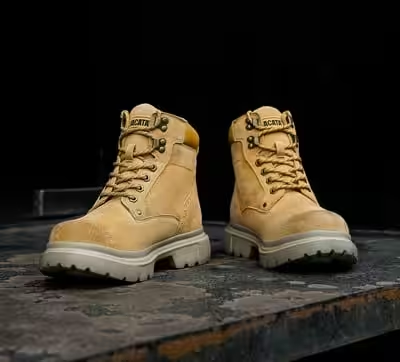
Podiatrist Recommended Work Boots Criteria
Comfortable Boots:
With a strong outsole it will take more pressure off of your foot.
It must have room for a strong insole within the shoe to take pressure off of the foot.
Protection:
- Any podiatrist recommended boot must need a great sense of protection to your toes and ankles.
- We look at taller boots that protect your ankle from rolling or spraining.
- We also look at protection on your toes to prevent them from being crushed.
Durability:
- We want to focus on picking a shoe that will last.
- All of the shoes that we reviewed last for a reasonable period of time, especially relative to the cost.
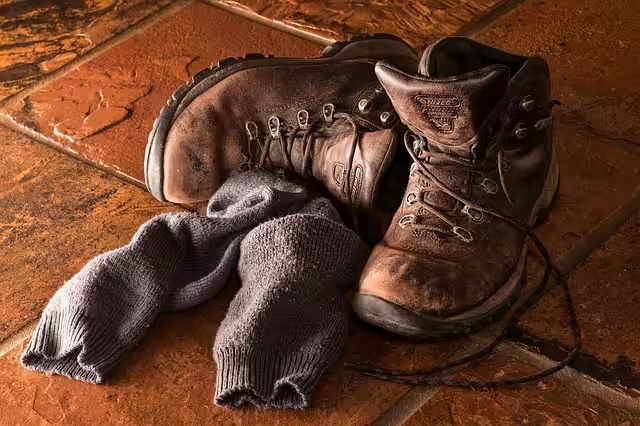
Need Comfortable Podiatrist Recommended Work Boots?
Book Your Appointment or No-Obligation Consultation Today – Balance Foot & Ankle Specialist in Michigan.for
Consult Us TodayHow to Choose a Podiatrist Recommended Work Boots by Foot Type:
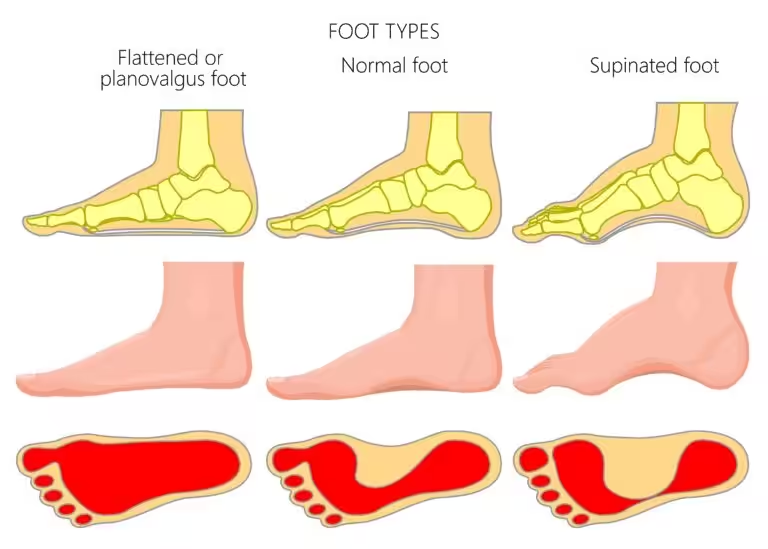
The APMA gives a criteria for choosing a podiatrist recommended work boot based on foot type:
High Arch Foot Type:
With a high arch foot type (Supinated Foot), a shoe that is more focused on flexibility and cushion can be best.
This is because a high arched or supinated foot cannot compensate for impact as well.
A Flat Foot Type:
A flat foot type (Over Pronation Foot) is almost too good at flattening out. This means the arch and the inside of the ankle are stretched and overworked.
This type of foot would benefit most from support and correction.
A taller boot with a stronger insole and shoe would work best in this case.
A Neutral Foot Type:
This type of foot would benefit most from both support and cushion.
Luckily most new good shoe types can allow for this!
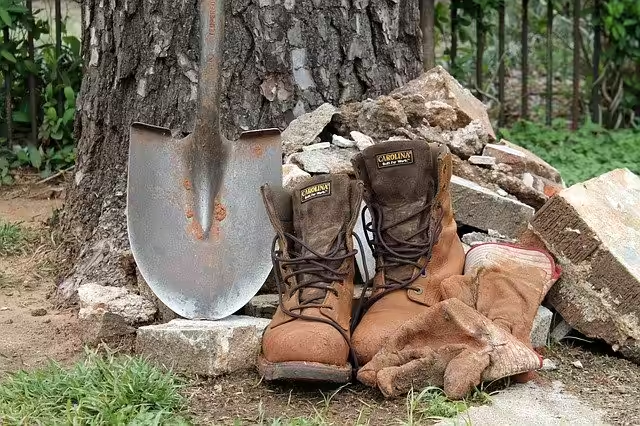
4 Best Podiatrist Recommended Work Boots for Men
1. Cat Footwear Men’s Second Shift Steel Toe Work Boot
Built for rugged environments, this steel toe boot offers durability, slip resistance, and ankle support, making it a reliable choice for construction and warehouse jobs. With a padded collar and Climasphere™ insole, it keeps your feet comfortable and cool—even through long shifts.
2. Wolverine Men’s Floorhand 6″ Waterproof Boot
Known for its combination of comfort and toughness, this waterproof work boot keeps your feet dry while providing great traction on slippery surfaces. The lightweight cement construction and cushioned footbed make it ideal for men who spend hours on hard surfaces.
3. Thorogood 1957 Series 8” Waterproof Steel Toe Work Boots for Men
Made in the USA, these premium boots feature full-grain leather, a steel safety toe, and a MAXWear wedge outsole for superior grip and stability. The waterproof construction and shock-absorbing footbed make them a favorite for electricians, plumbers, and utility workers.
4. ARIAT BMVY9 Men’s Groundbreaker Work Boot
Engineered for durability and comfort, this work boot features a supportive 4LR™ (Four Layer Rebound) insole, a breathable mesh lining, and a slip-resistant outsole. Perfect for demanding outdoor jobs, it combines style, safety, and lasting comfort in one solid package.
The Best Work Boots Recommended by Podiatrists
Below we go over the best work boots recommended by podiatrists.
Let us know if you have any other recommendations.
Best Podiatrist Recommended Work Boots
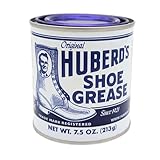
These are our favorite podiatrist recommended work boots! We always recommend routinely treating these with oil so that they are more water resistant, last longer and stay higher quality longer!


Do you need an expensive work boot?
- In our opinion the more expensive boots can be really good, but if you don’t have the budget start with an over the counter orthotic and a lower cost boot first.
- Prioritize getting used to an orthotic in a boot rather than just getting an expensive boot without an orthotic.
Work Boot Oil:
- WATERPROOFS: Protects your leather from water damage and keeps your feet dry.
- SOFTENS: Restores old leather to a soft, supple condition and keeps it pliable.
- CONDITIONS: Revitalizes and replenishes essential oils to help prevent drying.
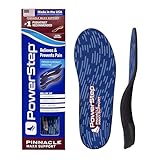
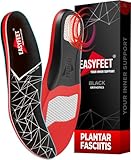
Podiatrist Recommended Orthotic Insoles for Work Boots
- The outside of a work boot has to be tough. This means that the boot can be rigid.
- One easy way to get more life out of your work boots is to get a removable pre-made orthotic insole.
- We go over our favorite podiatrist recommended orthotic insoles for work boots.
- Sometimes this can make a huge difference for a boot that is just not providing the comfort that you are looking for.


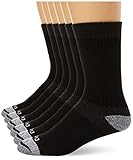
Best Work Boot Anti-Sweat Socks
If you have a work boot, consider getting the best work boot socks.
We go over some of our favorite anti-sweat socks.

Protect You Feet with Podiatrist Recommended Work Boots in Howell & Bloomfield Township
If you’re searching for podiatrist-recommended work boots that keep your feet protected, supported, and pain-free, Balance Foot & Ankle Specialist in Howell and Bloomfield Township, Michigan, is here to help. Our expert podiatrists can guide you in choosing the best footwear tailored to your job demands and even provide custom orthotics for maximum comfort and protection. Don’t let foot pain slow you down—visit us today or book an appointment online to get the right work boots and foot care solutions designed just for you.
Book an Appointment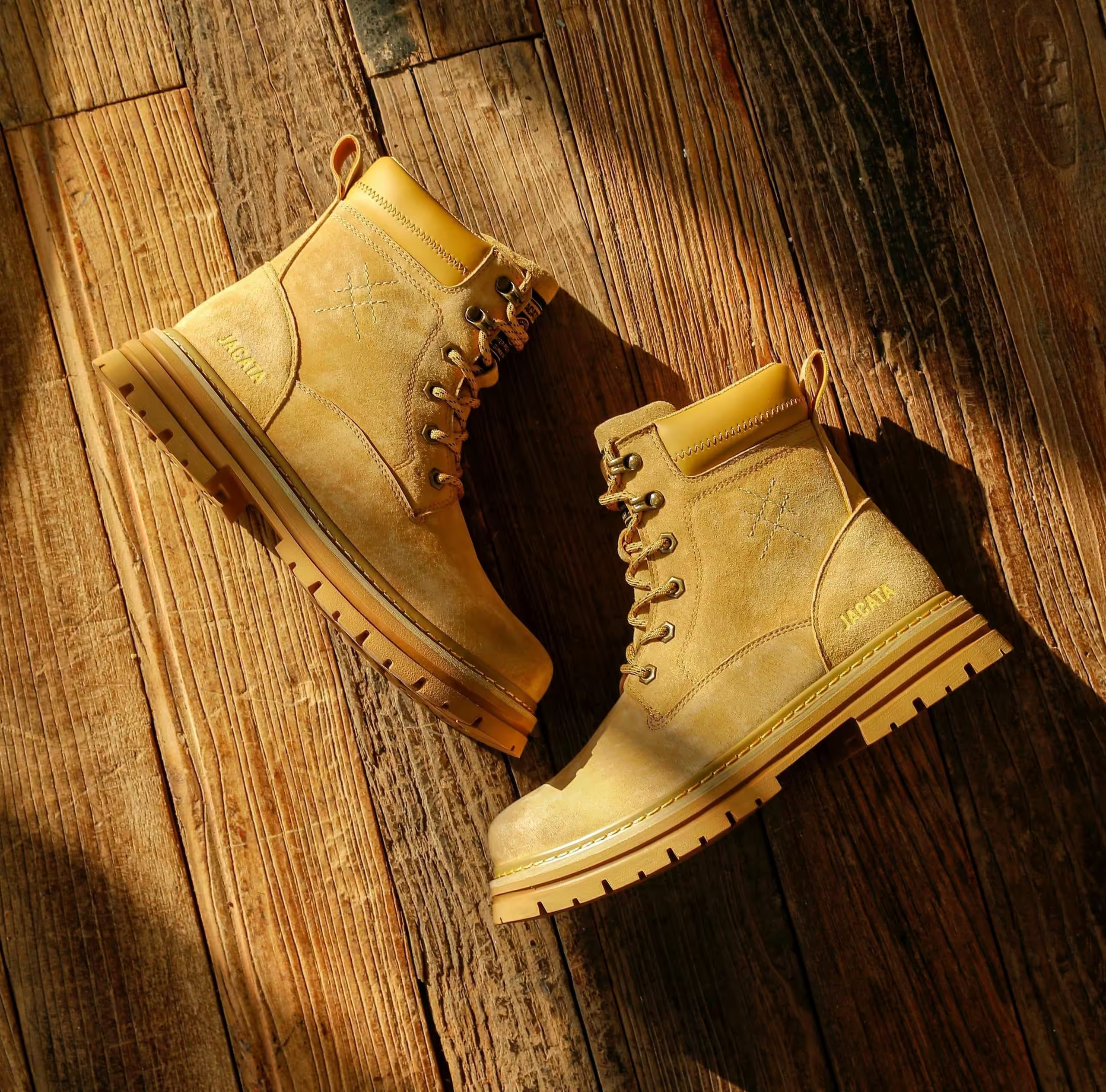
Frequently Asked Questions About Work Boots: Expert Answers from Podiatrists
What are podiatrist recommended work boots?These are boots that provide proper arch support, shock absorption, and toe protection—approved by foot care professionals to help prevent injuries and foot fatigue.
What features should I look for in a good pair of work boots?Look for steel or composite toes, slip-resistant soles, waterproof materials, arch support, and cushioned insoles. If you’re on your feet all day, comfort and protection are key.
Are steel toe boots bad for your feet?Not when properly fitted. Podiatrist-approved steel toe boots offer safety without compromising comfort, especially when they have supportive insoles and a roomy toe box. Width letters are a poor guide to how roomy a forefoot really is: our sister review site Podiatrist Tested measured 31 shoes at the widest point of the forefoot and found that a wide fitting is frequently not a wide toe box, with the figures in its toe box width chart.
Can work boots help with foot pain or plantar fasciitis?Yes. Boots with proper arch support and cushioning can relieve heel pain and help manage conditions like plantar fasciitis. Custom orthotics can also be added to enhance support.
How often should I replace my work boots?On average, every 6–12 months depending on usage. Signs it’s time to replace them include worn-out soles, reduced cushioning, and decreased foot support.
Are waterproof work boots worth it?Absolutely. Waterproof boots keep your feet dry, preventing blisters and fungal infections—especially important for those working outdoors or in wet environments.
Can I wear custom orthotics in podiatrist recommended work boots?Yes. Many podiatrist-recommended boots have removable insoles that allow room for custom orthotics, giving you tailored support throughout the day.
Related Treatment Guides
Foot Pain From Work Boots?
Our podiatrists help workers find the right boot fit and prescribe custom orthotics designed for safety footwear to keep you comfortable on the job.
Clinical References
- Marr SJ, Quine S. “Shoe concerns and foot problems of wearers of safety footwear.” Occupational Medicine. 1993;43(2):73-77.
- Dobson JA, et al. “Work boot design affects the way workers walk: a systematic review of the literature.” Applied Ergonomics. 2017;61:53-68.
- Chander H, et al. “Impact of steel-toed boots on lower limb movements.” Occupational Ergonomics. 2015;12(3):101-112.
📋 Dr. Tom Also Recommends
Podiatrist Recommended Orthotics 2026: Dr. Tom’s Top 10 Insoles & Arch Supports
A podiatrist’s complete clinical guide to the best insoles — custom orthotics, OTC picks, and what actually works for plantar fasciitis, flat feet, neuropathy & more.
Read the Full Guide →Dr. Tom’s Work Boot Insole & Recovery Protocol
- PowerStep Maxx — For laborers and tradespeople: PowerStep Maxx inside work boots provides clinical-grade arch support under heavy-load conditions.
- Doctor Hoy’s Natural Pain Relief Gel — End-of-shift foot, ankle, and calf pain: arnica + camphor gel applied after removing boots provides targeted recovery relief.
- Plantar Fasciitis Compression Socks — Workers on feet all day with lower leg swelling: graduated compression worn inside boots reduces venous insufficiency and muscle fatigue.
Work-related foot pain not responding to better boots? Our occupational foot health evaluation identifies the structural cause → (810) 206-1402
Visit Balance Foot & Ankle — Online Booking 24/7
Our podiatry team serves patients throughout Michigan including Howell, Brighton, and Bloomfield Township. If you’re dealing with heel pain, ingrown toenails, or a foot injury, you can book online 24/7.
Book online 24/7. (810) 206-1402

Dr. Tom Biernacki, DPM is a board-certified foot & ankle surgeon (ABFAS & ABPM) at Balance Foot & Ankle Specialists in Southeast Michigan. With over a decade of clinical experience, he specializes in heel pain, bunions, diabetic foot care, sports injuries, and minimally invasive surgery. Dr. Biernacki is a member of the APMA and ACFAS, and his patient education content on MichiganFootDoctors.com and YouTube has made him one of the most-followed foot & ankle educators on YouTube.
More questions patients ask
What features should work boots have according to podiatrists?
Podiatrists recommend work boots with a wide toe box (no toe compression), firm arch support or removable insole for orthotics, cushioned midsole for shock absorption, heel counter for stability, and appropriate safety features (steel toe, slip resistance). Avoid narrow or thin-soled boots that cause foot fatigue and pain.
What are the best work boot brands for foot health?
Top podiatrist-endorsed work boot brands include Thorogood (wide widths, removable insoles), Red Wing (orthotic-compatible, durable), Keen Utility (wide toe box, excellent arch support), and New Balance Industrial (walking shoe comfort in a safety boot). All accommodate custom orthotics effectively.
Can work boots cause plantar fasciitis?
Yes—work boots with poor arch support, thin midsoles, or that require standing on concrete for long hours significantly increase plantar fasciitis risk. Adding custom orthotics or high-quality aftermarket insoles (Superfeet, Powerstep) to existing work boots can dramatically reduce heel and arch pain.
What work boots are best for foot health?
The best work boots for foot health have a steel or composite safety toe, slip-resistant outsole, cushioned insole, adequate arch support, a roomy toe box, good ankle support, and breathable lining. At Balance Foot & Ankle, we recommend work boots from brands like Red Wing, Thorogood, Wolverine, and Keen that combine safety requirements with good biomechanical support to prevent occupational foot pain.
Can I wear custom orthotics in work boots?
Yes, custom orthotics can be worn in most work boots. Work boots typically have enough depth to accommodate a custom orthotic after removing the factory insole. At Balance Foot & Ankle, we design orthotics specifically for work boot use, considering the demands of standing, walking on uneven terrain, and heavy work environments. Orthotics reduce fatigue and prevent plantar fasciitis in workers who are on their feet all day.
What foot problems do workers get from wearing poor work boots?
Poor work boots cause plantar fasciitis, metatarsalgia, Achilles tendinitis, knee and back pain from inadequate cushioning, nerve compression, ingrown toenails from narrow toe boxes, blisters, and stress fractures. Balance Foot & Ankle treats many occupational foot injuries that result from inadequate or improperly fitted work footwear and helps workers select appropriate boots for their job requirements.
How should work boots fit for maximum comfort?
Work boots should have a half-inch of space beyond the longest toe, the widest part of the shoe should align with the widest part of the foot, the heel should be snug without slipping, and laces should be tightened to support the ankle without constricting the instep. Always try on work boots at the end of the day when feet are largest and slightly swollen. Balance Foot & Ankle can assess work boot fit for foot pain patients.
When should a worker see a podiatrist about foot pain from work boots?
Workers should see a podiatrist if boot-related foot pain persists through the workday, is present first thing in the morning, does not improve with days off, or is accompanied by swelling or localized tenderness. These symptoms suggest a developing overuse injury that benefits from early treatment. Call Balance Foot & Ankle at (810) 206-1402 for a work-related foot pain evaluation at our Howell or Bloomfield Township offices.
What work boots do podiatrists approve?
Top podiatrist-approved work boots: Timberland Pro Endurance HD (best arch support, 8-inch), Keen Utility Davenport (most comfortable break-in), Red Wing Iron Ranger (heritage with custom orthotic), Wolverine Rancher (waterproof comfortable), Dr. Martens Industrial (steel toe with cushion). Look for: removable insole for custom orthotic, arch support, slip-resistant, EH-rated, well-cushioned heel.
What features matter for foot-friendly work boots?
Critical features: removable insole (allows custom orthotic), arch support (matches your foot type), slip-resistant outsole (ASTM-certified), EH-rated (electrical hazard), composite or steel toe (not just leather), cushioned heel, breathable upper, waterproof if needed, easy lacing or zip closure, supportive midsole. Replace every 12-18 months for daily heavy use.
Should I use orthotics in work boots?
Yes — most work boots have minimal stock insoles. Insert custom orthotics or quality OTC inserts (Powerstep Pinnacle, Superfeet Green) for proper arch support and heel cushioning. Most boots have removable insoles. Custom orthotics dramatically reduce foot fatigue, plantar fasciitis, and back pain. Especially important for jobs with 10+ hour shifts.
Still have a question about coverage or cost? Book online and we will check your benefits before your visit: Book in Howell · Book in Bloomfield Township. Prefer to talk it through first? Call (810) 206-1402.