

Quick answer: Biofreeze and Voltaren treat foot pain differently: Biofreeze is a menthol gel that gives fast, temporary cooling relief for sore muscles, while Voltaren (diclofenac) is an anti-inflammatory that reduces the underlying inflammation of arthritis and tendonitis over days. Choose Biofreeze for quick comfort, Voltaren for inflammatory joint or tendon pain.

The difference between Biofreeze and Voltaren isn't just mechanism — it's whether your condition involves active tissue inflammation or just pain signaling. Using Voltaren on a condition that's no longer acutely inflamed provides no anti-inflammatory benefit at all. Using Biofreeze on a condition that requires inflammation control masks pain while the underlying damage progresses. The foot and ankle conditions where each excels are not interchangeable — and the wrong choice can delay recovery by weeks. Book online or call (810) 206-1402 or book a visit online if you're unsure which applies to you.
Biofreeze vs Voltaren: What Is the Real Difference?
The two products compared here — Biofreeze (menthol, cooling, drug-free) vs Voltaren (diclofenac, an anti-inflammatory). Both verified in stock:

- PAIN RELIEVER: Enjoy cooling pain relief with Biofreeze; Helps relieve minor aches & pains of muscles & joints associated with simple backache, arthritis, strains, bruises & sprains
- MORE EFFECTIVE THAN ICE: Biofreeze is 2x more effective than ice alone for reducing pain**
- LOWER BACK PAIN RELIEF: Ideal for both athletes & everyday ache sufferers, our easy-to-apply gel provides targeted menthol pain relief for simple backache; Also helps relieve soreness during muscle recovery
- NECK PAIN RELIEF: Relieve neck pain with Biofreeze; Trusted by chiropractors, podiatrists, physical therapists, massage therapists, retail pharmacists, & athletic trainers
- FAST-ACTING BIOFREEZE GEL: When you're in pain, you need a fast-acting formula that works - Biofreeze delivers cooling, targeted relief and won't wear off quickly, so you can get back to your best

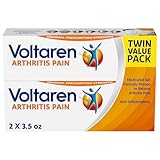
- Number 1 Doctor Recommended topical pain relief brand
- Clinically Proven to relieve arthritis pain, improve mobility and reduce stiffness, aches and pains to provide prescription strength arthritis pain relief
- An Alternative to Pills, Voltaren is a nonsteroidal anti-inflammatory gel that combines the benefits of an arthritis cream and gel for arthritis pain management*
- Voltaren Arthritis Pain Gel Penetrates Deep to attack arthritis pain directly at the source of inflammation, treating arthritis pain
- Significant Arthritis Pain Relief, within seven days of continuous use and long-lasting relief when applied four times a day; apply on up to two joints at the same time for hand pain, wrist pain, elbow pain, ankle pain, foot pain or knee pain relief
As an Amazon Associate, Balance Foot and Ankle earns from qualifying purchases. Product links are affiliate links and we may earn a commission at no extra cost to you. This does not influence our clinical recommendations. Last update on 2026-08-21 / Images from Amazon Product Advertising API
Medically reviewed by Dr. Tom Biernacki, DPM
Board-certified podiatric surgeon | Balance Foot & Ankle
Last reviewed: May 2026
Patients come into our clinic all the time holding both products, asking which one they should use. The honest answer is that Biofreeze and Voltaren are not competing products — they target completely different mechanisms of pain. One masks pain through sensory distraction; the other reduces the inflammation that causes it. Choosing the wrong one for your condition means slower recovery and wasted money.
This guide breaks down the pharmacology, the clinical evidence, the use cases, and how I actually recommend these products in my practice at Balance Foot & Ankle in Howell and Bloomfield Township, Michigan.
How Biofreeze Works: The TENS Effect in a Gel
Biofreeze’s active ingredient is menthol (3.5% in the gel, 4% in the spray). Menthol activates TRPM8 cold-sensitive receptors in the skin. This triggers a cooling sensation that competes with pain signals traveling along the same nerve fibers — a process called gate control theory. The brain prioritizes the cold sensation, effectively “closing the gate” on pain transmission. It’s the same principle behind transcutaneous electrical nerve stimulation (TENS) therapy, just delivered topically.
Biofreeze also contains ilex (a botanical extract) and camphor, which contribute mild counterirritant effects. The result is rapid onset — most patients feel relief within 3–5 minutes — but the effect is temporary, typically lasting 4–6 hours depending on application site and movement.
Critically, Biofreeze does not reduce inflammation. It does not lower prostaglandin levels, does not penetrate into joint tissue at therapeutic concentrations, and does not alter the underlying pathology. It is a pain-masking tool, not a disease-modifying agent.
Key takeaway: Biofreeze works within minutes by activating cold receptors that compete with pain signals. It’s fast but temporary — ideal for acute pain, pre-activity, and during rehabilitation exercises.
How Voltaren Works: Anti-Inflammatory Action at the Tissue Level
Voltaren Arthritis Pain Gel contains diclofenac sodium 1%, an NSAID (non-steroidal anti-inflammatory drug). Unlike menthol, diclofenac penetrates through the skin and into the underlying tissue where it inhibits COX-1 and COX-2 enzymes. These enzymes are responsible for converting arachidonic acid into prostaglandins — the inflammatory mediators that cause swelling, heat, and pain at a cellular level.
Studies measuring synovial fluid concentrations have confirmed that topical diclofenac achieves therapeutic levels in joints — particularly in smaller, more superficial joints like those in the foot and ankle. A 2016 study in Osteoarthritis and Cartilage found that topical diclofenac provided statistically significant pain reduction and functional improvement in knee osteoarthritis comparable to oral NSAIDs, with dramatically lower systemic absorption (and therefore lower GI risk).
The tradeoff: Voltaren is slow. Maximum benefit typically requires 7–14 days of consistent application (3–4 times daily as directed). It is not effective for acute pre-activity pain or post-workout soreness in the way Biofreeze is.
Key takeaway: Voltaren penetrates into joints and reduces the inflammatory mediators causing pain at a cellular level. It’s slow to take effect but modifies the underlying condition — not just the perception of it.
Side-by-Side Comparison: Biofreeze vs Voltaren
Here is how the two products compare across the factors that matter most to patients with foot and ankle conditions:
| Feature | Biofreeze | Voltaren |
|---|---|---|
| Active ingredient | Menthol 3.5–4% | Diclofenac sodium 1% |
| Mechanism | Gate control (cold receptor) | COX-1/COX-2 inhibition (NSAID) |
| Onset | 3–5 minutes | 7–14 days for full effect |
| Duration per application | 4–6 hours | Cumulative (builds over days) |
| Penetration depth | Skin/superficial tissue only | Penetrates into joints |
| Reduces inflammation | No | Yes |
| Clinical evidence | Moderate (counterirritant studies) | Strong (multiple RCTs) |
| OTC availability | Yes | Yes (since 2020) |
| Safe with blood thinners | Yes | Caution needed |
| Safe on broken skin | No | No |
| Price per oz (approx.) | $1.50–$2.00 | $3.00–$4.00 |
The Third Option I Actually Stock: Doctor Hoy’s Natural Pain Relief Gel

Most patients comparing Biofreeze and Voltaren haven’t heard of the gel I actually keep in our clinic. Doctor Hoy’s pairs the fast cooling of menthol with arnica’s botanical anti-inflammatory action — without Voltaren’s NSAID cautions for patients on blood thinners or with kidney disease. It’s my default for plantar fasciitis and metatarsalgia flare-ups when patients want a drug-free option ($20–25).
As an Amazon Associate, Balance Foot & Ankle earns from qualifying purchases.
Which Foot and Ankle Conditions Respond to Each Product?
In my clinical experience, the conditions that respond best to each product are fairly predictable once you understand the mechanism. Here is how I guide patients:
Biofreeze works best for:
- Plantar fasciitis — The morning pain spike responds well to a quick menthol application before first steps. It does not treat the fascia, but it makes those first minutes far more tolerable.
- Achilles tendinopathy — Pre-run or pre-exercise application reduces perceived pain enough to allow therapeutic loading, which is actually the treatment for tendinopathy.
- Post-exercise muscle soreness — Classic counterirritant use case. Works well for the calf and anterior tibialis after high-mileage days.
- Acute ankle sprains (first 24–48 hours) — Rapid pain control while RICE protocol takes effect. Do not use Voltaren acutely; inflammation in the first 48 hours is part of the healing cascade.
- Neuropathic burning (symptomatic relief only) — Some diabetic neuropathy patients report temporary relief from the cooling sensation, though this does not address nerve damage.
Voltaren works best for:
- Big toe joint arthritis (hallux rigidus) — The first MPJ is shallow and accessible. Diclofenac penetrates well here, and this is one of the strongest use cases I see clinically.
- Midfoot arthritis (Lisfranc joints) — Chronic arthritic inflammation responds to sustained NSAID application when oral NSAIDs are not tolerated.
- Subtalar/ankle arthritis — The evidence is less strong for deeper joints, but many patients report meaningful functional improvement over 2–4 weeks.
- Bursitis — Retrocalcaneal and intermetatarsal bursitis involve genuine prostaglandin-driven inflammation that diclofenac directly targets.
- Sesamoiditis — A highly accessible, superficial inflammatory focus. Voltaren is an excellent first-line option before corticosteroid injection.
Key takeaway: Biofreeze is the right tool for fast, temporary relief before activity or during acute pain. Voltaren is the right tool for chronic inflammatory conditions where you need sustained tissue-level anti-inflammatory action.
Can You Use Biofreeze and Voltaren Together?
This question comes up constantly. The short answer: it depends, and you should not layer them.
There is no known pharmacokinetic interaction between menthol and diclofenac when used topically. However, applying Biofreeze on top of Voltaren (or vice versa) creates two practical problems:
- Skin irritation — Layering two active topicals on the same area dramatically increases the risk of contact dermatitis, redness, and burning. Sensitive skin, older skin, and diabetic skin are especially vulnerable.
- Diclofenac absorption interference — Voltaren requires clean, dry skin for consistent absorption. A menthol-based product applied first creates a barrier that may reduce diclofenac penetration.
If you want to use both products, apply them to different areas (e.g., Voltaren on the big toe joint, Biofreeze on the calf), or use them at different times of day (Biofreeze in the morning before activity, Voltaren in the evening as directed). Allow at least 30–60 minutes between applications to the same site.
⚠️ Do not use Voltaren if you:
- Take blood thinners (warfarin, clopidogrel) without physician clearance
- Have a history of peptic ulcer disease — systemic absorption is low but not zero
- Are pregnant (especially third trimester) — NSAIDs are contraindicated
- Have severe kidney disease — diclofenac is renally cleared
- Have broken, infected, or irritated skin at the application site
What the Clinical Evidence Actually Shows
Let me be direct about where the evidence stands, because I think most online comparisons oversimplify this.
Voltaren has more robust clinical evidence. Multiple randomized controlled trials and systematic reviews support topical diclofenac for osteoarthritis pain, with the Cochrane Collaboration (2016) concluding that diclofenac 1% gel was significantly more effective than placebo for knee and hand arthritis. The FDA cleared it as OTC in 2020 based on this evidence base.
Biofreeze has more limited but still meaningful evidence. A 2002 study in Archives of Physical Medicine and Rehabilitation found menthol-based counterirritants reduced acute neck and shoulder pain significantly vs placebo. Several physical therapy studies support menthol gel for increasing pain-free range of motion in musculoskeletal conditions. However, the mechanism (sensory gating) means the effect does not persist beyond the application window.
Neither product has strong evidence for plantar fasciitis specifically — the most common foot condition I treat. The research on topical agents for plantar fasciitis is surprisingly thin. My clinical preference for plantar fasciitis is Biofreeze for morning symptom management and oral NSAIDs or corticosteroid injection for the inflammatory component when needed.
Key takeaway: Voltaren has stronger RCT-level evidence for arthritic conditions. Biofreeze has adequate evidence for acute musculoskeletal pain masking. Neither has been robustly tested specifically for plantar fasciitis.
Cost Comparison and Practical Considerations
Cost matters when you are applying a product 3–4 times daily for weeks. Here is the practical breakdown:
Biofreeze comes in gel, roll-on, spray, and cream formats. The 3oz gel typically runs $12–$18 OTC. Professional-size 32oz bottles are available through clinics. Because you are applying it to a small area (foot/ankle), a 3oz bottle lasts most patients 2–4 weeks with regular use. The roll-on format is particularly convenient for the bottom of the foot.
Voltaren comes in 1oz (21g), 3.5oz (100g), and 5.3oz (150g) tubes. The 3.5oz tube runs $22–$30 and is the most economical for foot use. The FDA-approved dosing is up to 2g per joint per application, 4 times daily, not to exceed 32g/day total body. For a single foot joint, you are using very little per application, so a 3.5oz tube can last 4–6 weeks.
On a per-day cost basis, both products are comparable for foot applications — roughly $0.50–$1.00/day. The bigger factor is whether you are choosing the right product for your condition, not which one is cheaper.
My Clinical Recommendation: How I Prescribe These in Practice
Here is the decision framework I actually use with patients at Balance Foot & Ankle:
- Acute sprain or strain (0–48 hours): Biofreeze only. Do not inhibit the inflammatory cascade with NSAIDs in the acute window. The initial inflammation is not the enemy.
- Plantar fasciitis, Achilles tendinopathy (tendon-based): Biofreeze for pre-activity and morning relief. Physical therapy and stretching are the real treatment. Voltaren adds little here because tendon is avascular and inflammatory only in acute flares.
- Arthritis (big toe, midfoot, ankle): Voltaren as the primary topical agent. Add Biofreeze only for breakthrough pain before activity if needed.
- Bursitis, sesamoiditis: Voltaren first-line. If not improving in 3–4 weeks, corticosteroid injection is the next step.
- Neuropathy: Neither product addresses the underlying nerve damage. Biofreeze for symptomatic comfort only.
- Post-surgical rehabilitation: Biofreeze around (not on) the incision site once healed, for adjacent muscle soreness during PT.
What I actually keep in the clinic: Between these two, I reach for Voltaren for arthritis and localized joint inflammation and Biofreeze for short-term symptom relief. But the topical I personally stock for most patients is Doctor Hoy’s Natural Pain Relief Gel — an arnica-and-menthol formula that pairs the immediate cooling of Biofreeze with botanical anti-inflammatories, without Voltaren’s NSAID cautions. It’s my default for plantar fasciitis and metatarsalgia flare-ups in patients who want a drug-free option.
When Neither Product Is Enough
Topical agents are valuable tools, but they have real limits. In my practice, I escalate beyond topicals when:
- Pain persists beyond 4–6 weeks despite consistent topical use and appropriate activity modification
- Pain is severe enough to alter normal gait or prevent sleep
- Swelling, redness, warmth, or loss of motion is worsening rather than stable or improving
- Neurological symptoms develop (numbness, tingling, burning beyond neuropathic baseline)
- The patient has a structural diagnosis (bone spur, cartilage damage, ligament tear) that topicals cannot address
At that point, options include: custom orthotics, corticosteroid injections, platelet-rich plasma (PRP), extracorporeal shockwave therapy (ESWT), or surgical consultation. Topicals are a useful first step, not a complete treatment plan for complex conditions.
Foot or Ankle Pain Not Improving?
If topical pain relief is not enough, same-day appointments are available in Howell & Bloomfield Township, MI.
4.9★ | 1,123 Reviews | 3,000+ Surgeries
Or call: (810) 206-1402
Frequently Asked Questions
Is Biofreeze or Voltaren better for plantar fasciitis?
Biofreeze is more useful for plantar fasciitis because it provides rapid morning pain relief before the first steps of the day. Voltaren has limited evidence for plantar fasciitis because the condition involves fascia, which has minimal blood supply and does not respond strongly to topical NSAIDs. Neither product treats the root cause; stretching, orthotics, and night splints are the evidence-based treatments.
Can you use Biofreeze and Voltaren at the same time?
You can use both products on the same day, but do not apply them to the same area simultaneously. If using both, apply them to different sites or at different times (at least 30–60 minutes apart). Layering topicals on the same area increases skin irritation risk and may reduce diclofenac absorption.
How long does Biofreeze last compared to Voltaren?
Each Biofreeze application provides 4–6 hours of symptomatic relief. Voltaren does not provide a comparable single-use effect; its benefit builds over 7–14 days of consistent 3–4 times daily application and persists as long as you continue using it. If you stop Voltaren, the anti-inflammatory effect gradually fades over several days.
Is Voltaren safe for long-term use on feet?
Voltaren’s topical formulation has significantly lower systemic absorption than oral diclofenac, making it safer for extended use. The FDA-approved OTC labeling recommends using it for the shortest effective duration. In my practice, I typically use it in 4–8 week courses. Patients with kidney disease, active peptic ulcer disease, or who are on anticoagulants should consult their physician before extended use.
Which is better for arthritis in the foot — Biofreeze or Voltaren?
Voltaren is clearly superior for foot arthritis. It reduces the prostaglandin-driven inflammation that causes arthritic pain at a cellular level, with multiple clinical trials supporting its efficacy. Biofreeze can help with breakthrough pain before activity but does not alter the arthritic process. For hallux rigidus (big toe arthritis) and midfoot arthritis, Voltaren should be your primary topical choice.
The Bottom Line
Biofreeze and Voltaren are not competitors — they are tools with different jobs. Biofreeze is your fast-acting, pre-activity pain manager that works through sensory nerve competition. Voltaren is your sustained, inflammation-reducing agent best suited for arthritic and bursitis conditions. For most foot and ankle conditions, the right answer is knowing which tool matches your diagnosis, not which brand is more popular.
If you have been using one product for weeks without improvement, it is worth reassessing whether you are treating the right mechanism — or whether topical therapy alone is adequate for your condition.
Sources
- Massey T, et al. Topical NSAIDs for acute musculoskeletal pain in adults. Cochrane Database Syst Rev. 2010.
- Derry S, et al. Topical diclofenac for chronic musculoskeletal pain in adults. Cochrane Database Syst Rev. 2016.
- Johar P, et al. A comparison of topical menthol to ice on pain, evoked tetanic and voluntary force during delayed onset muscle soreness. Int J Sports Phys Ther. 2012.
- Altman RD, et al. Diclofenac sodium gel in knee osteoarthritis. J Rheumatol. 2009.
- Lionberger DR. Topical NSAIDs for musculoskeletal disorders. J Pain Res. 2018.
In-Office Treatment at Balance Foot & Ankle
If home care isn’t resolving your symptoms — or if you’re unsure of your diagnosis — a same-visit evaluation with Dr. Tom Biernacki, DPM gives you a clear diagnosis and a treatment plan the same day. We serve patients in Howell and Bloomfield Township, MI. Book online →
Topical gels only mask the ache — persistent foot & ankle arthritis deserves a proper plan. Balance Foot & Ankle’s board-certified podiatrists can help in person at our Bloomfield Township and Howell offices — same-week appointments. Call (810) 206-1402.

Dr. Tom Biernacki, DPM is a board-certified foot & ankle surgeon (ABFAS & ABPM) at Balance Foot & Ankle Specialists in Southeast Michigan. With over a decade of clinical experience, he specializes in heel pain, bunions, diabetic foot care, sports injuries, and minimally invasive surgery. Dr. Biernacki is a member of the APMA and ACFAS, and his patient education content on MichiganFootDoctors.com and YouTube has made him one of the most-followed foot & ankle educators on YouTube.
More questions patients ask
What is the difference between Biofreeze and Voltaren?
Biofreeze uses menthol to create a cooling sensation that temporarily blocks pain signals (counterirritant). Voltaren contains diclofenac sodium, an NSAID that reduces inflammation at the source. Voltaren treats the underlying inflammation; Biofreeze masks the pain sensation.
Which is better for foot pain — Biofreeze or Voltaren?
For inflammatory conditions like plantar fasciitis or arthritis, Voltaren (diclofenac) is generally more effective because it targets the root cause. Biofreeze works well for muscle soreness and immediate pain relief. Your podiatrist can recommend the best option for your specific condition.
Biofreeze vs Voltaren — which is better for foot pain?
Voltaren (diclofenac 1%) is genuinely an anti-inflammatory NSAID — clinically proven to reduce inflammation and pain, FDA-approved for osteoarthritis. Biofreeze (menthol 4%) provides cooling sensation and temporary distraction but does not reduce inflammation. For chronic foot pain like plantar fasciitis: Voltaren works better. For quick muscle soreness: Biofreeze adequate.
How often can you use Voltaren on your foot?
Voltaren gel can be applied to the foot 4 times daily — 2 grams per application (approximately 0.7 inches from tube). Wash hands after application. Avoid: open wounds, broken skin, sunlight on treated area for 1 hour. Use no more than 16 grams per day total. Most patients see relief within 7 days of consistent use.
Does Voltaren contain capsaicin?
No — Voltaren contains diclofenac sodium 1% (an NSAID), not capsaicin. Capsaicin is the active ingredient in cayenne-based topical pain relievers like Capzasin. They work through different mechanisms: Voltaren reduces inflammation; capsaicin depletes nerve substance P. Both can be effective for chronic pain, but they are different products.
Still have a question about coverage or cost? Book online and we will check your benefits before your visit: Book in Howell · Book in Bloomfield Township. Prefer to talk it through first? Call (810) 206-1402.