
You are in the right place. Dr. Tom Biernacki, DPM, FACFAS — board-certified foot & ankle surgeon with 3,000+ surgeries — explains exactly what bunion taping technique means and what actually works. Call (810) 206-1402 for a same-week appointment at our Howell or Bloomfield Township office.

Dr. Tom’s Top Shoe Picks
Brooks Adrenaline GTS 23
Flat feet · Overpronation
Dr. Tom’s Top Insole & Orthotic Picks
Affiliate disclosure: As an Amazon Associate, Balance Foot & Ankle earns from qualifying purchases.
Dr. Tom’s Top Pain Relief Picks — Dr. Hoy’s (2026)
Affiliate disclosure: As an Amazon Associate, Balance Foot & Ankle earns from qualifying purchases. I personally use Dr. Hoy’s in my practice for patients who need topical relief.
| Product | Best For | Dr. Tom’s Take | Get It |
|---|---|---|---|
| Dr. Hoy’s Natural Pain Relief Gel 3.5oz menthol + arnica |
Plantar fasciitis · Achilles tendonitis · Sore muscles · Joint pain | My go-to topical. Cooling-then-warming sensation. No greasy residue. Non-NSAID alternative. | Buy Now |
| Dr. Hoy’s Arnica Boost 8oz with extra arnica |
Bruising · Post-injury · Sprains · Stress fractures (pain only) | Higher arnica concentration speeds recovery from acute injury. Use 4x daily for first 7 days. | Buy Now |
| Dr. Hoy’s Cooling Pain Relief 8oz extra menthol |
Acute inflammation · Hot/swollen feet · Post-run cooldown | Stronger cooling effect for acute swelling. Pair with ice for first 48 hours after injury. | Buy Now |
| Dr. Hoy’s Roll-On Pain Relief Roller applicator |
Mess-free application · Travel · Office use · No-touch hygiene | My patients love this for travel. Glides on without hand contact — cleanest application available. | Buy Now |
| Dr. Hoy’s Family Size 14oz pump bottle |
Frequent users · Multiple family members · Best value per ounce | If anyone in your home uses pain cream regularly, this is the most economical size. Same formula. | Buy Now |
Why I recommend Dr. Hoy’s over Doctor Hoy’s Natural Pain Relief Gel and Bengay: Cleaner ingredient list (no parabens, no synthetic dyes), longer-lasting effect, and the cooling-then-warming dual sensation actually addresses both inflammation and circulation. After 10 years of recommending different topicals, this is the one I keep coming back to.
Medically reviewed by Dr. Tom Biernacki, DPM · Board-Certified Podiatric Surgeon · Last reviewed: April 2026 · Editorial Policy
Quick Answer
Bunion Taping: Does It Help, How to Do It, and Its Limits relates to bunions — typically caused by genetics + footwear pressure. Most patients improve in 6-8 weeks recovery if surgical with conservative care. Same-week appointments in Howell + Bloomfield Township: (810) 206-1402.
Related Conditions
In This Article
- Dr. Tom’s Top Shoe Picks
- Dr. Tom’s Top Insole & Orthotic Picks
- Dr. Tom’s Top Pain Relief Picks — Dr. Hoy’s (2026)
- Quick Answer
- Watch: Dr. Tom Biernacki, DPM
- Can Taping a Bunion Actually Help?
- How Bunion Taping Works
- Proper Bunion Taping Technique
- What Bunion Taping Cannot Do
- Alternatives and Complements to Taping
- More Podiatrist-Recommended Bunion Essentials
- Frequently Asked Questions
- Your Board-Certified Podiatrists
- In-Office Treatment at Balance Foot & Ankle
- Differential Diagnosis: What Else Could It Be?
- Most Common Mistake We See
- Warning Signs That Need Same-Day Care
- Pros & Cons of Conservative Care for bunions
- Dr. Tom’s Recommended Products for bunions
- Dr. Tom’s Top 3 — The Premium Foot Pain Stack (2026)
Medically reviewed by Dr. Tom Biernacki, DPM — Board-certified foot & ankle surgeon, 3,000+ surgeries performed. Updated April 2026 with current clinical evidence. This article reflects real practice experience from Balance Foot & Ankle Specialists in Howell and Bloomfield Township, Michigan.
Watch: Dr. Tom Biernacki, DPM
Medically reviewed by Dr. Tom Biernacki, DPM — Board-Certified Podiatric Surgeon — Balance Foot & Ankle, Howell & Bloomfield Township, MI. Last updated April 2026.
Can Taping a Bunion Actually Help?
![Do Bunion Correctors, Taping Or Splints Actually Work? [Studies] | Balance Foot Ankle](https://www.michiganfootdoctors.com/uploads/2023/05/do-bunion-correctors-taping-or-splints-actually-work-studies.avif)
Bunion taping—applying athletic or kinesiology tape to hold the great toe in a corrected position—is a popular conservative strategy for bunion pain relief. When performed correctly, taping temporarily reduces the hallux valgus angle (the inward deviation of the big toe), decreases pressure on the bunion prominence, and can reduce pain during activity. However, taping does not correct the underlying deformity, cannot reverse structural changes that have already occurred, and the toe returns to its deviated position once the tape is removed. Understanding what taping can and cannot accomplish helps set realistic expectations and guides decisions about complementary treatments.
How Bunion Taping Works
Bunion taping works by applying a corrective force that holds the big toe in adduction (toward the midline of the foot), reducing the hallux valgus angle at the first metatarsophalangeal (MTP) joint. This temporary realignment reduces direct pressure on the medial bunion prominence against shoe uppers, reduces shear stress on the MTP joint capsule and sesamoids, and may decrease the pain of first MTP joint synovitis by reducing abnormal joint loading. Kinesiology tape (KT Tape, Rocktape) and rigid sports tape (Leukotape) are both used; kinesiology tape provides proprioceptive input and is gentler on sensitive skin.
Proper Bunion Taping Technique
The basic bunion taping technique uses a loop of non-elastic sports tape. Start by holding the big toe in the corrected position (straight or slightly adducted toward the second toe). Anchor the tape at the great toe (just proximal to the nail), run it medially around the toe, then across the dorsum of the foot and around the arch (the “sling” component). The tape should hold the toe in corrected position without being so tight that it restricts circulation. A second anchor strip over the metatarsal head area stabilizes the tape. Check that the first and second toes are comfortable and not excessively compressed together.
Kinesiology tape applications are gentler on the skin and can be worn longer (2–5 days). The tape is applied with 25–50% stretch from the big toe anchor toward the first metatarsal base, creating a corrective pull without rigid restriction. Skin should be clean and dry before application; a skin barrier spray extends tape durability in active patients.
What Bunion Taping Cannot Do
Taping cannot correct a structural bunion deformity—the deviated first ray, hypermobile first tarsometatarsal joint, or stretched medial capsule. Studies on night splints (which apply the same corrective principle over longer periods) show that even prolonged corrective force does not change the underlying bony alignment of a bunion. Taping is therefore a pain management tool, not a corrective intervention. It does not prevent bunion progression, reduce the bunion prominence, or eliminate the need for surgical correction in advanced deformity.
Alternatives and Complements to Taping
Custom orthotics with first ray cutouts and medial arch support address the underlying biomechanical driver of bunion progression—overpronation and first ray hypermobility—more comprehensively than taping alone. A toe spacer (silicone separator between the first and second toe) provides similar corrective force to taping during wear with less adhesive contact. Wide toe box footwear with a roomy toe box eliminates direct bunion pressure without any taping. For patients who find taping helpful, combining it with custom orthotics and appropriate footwear provides the most comprehensive conservative management of bunion symptoms.
Bunion night splints worn during sleep apply a gentle corrective force over longer periods. While they do not produce structural correction, many patients report reduced morning stiffness and pain with consistent night splint use. These are most helpful in early-to-moderate bunions (Grade I–II) where joint mobility is preserved.
More Podiatrist-Recommended Bunion Essentials
Bunion-Friendly Stability Shoe
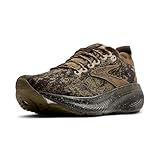
- THIS MEN’S SHOE IS FOR: The Adrenaline GTS 25 is perfect for runners and walkers seeking reliable support and a smooth ride. Featuring holistic GuideRails for Go-To Support and soft, dynamic premium nitrogen-infused DNA LOFT v3 cushioning, it delivers distraction-free comfort mile after mile. This Brooks Adrenaline GTS 25 is a certified PDAC A5500 Diabetic shoe and has been granted the APMA Seal of Acceptance. Predecessor: Adrenaline GTS 24.
- GUIDERAILS HOLISTIC SUPPORT SYSTEM: Our innovative technology – known as “GTS” for “Go-To Support” – supports your body in its natural motion path while keeping excess movement in check.
- SOFT & DYNAMIC CUSHIONING: Even more premium nitrogen-infused DNA Loft v3 cushioning delivers lightweight softness, and feel-good comfort mile after mile.
- TRUSTED FIT: The breathable engineered mesh upper and flat-knit collar offer a secure, comfortable fit, providing both structure and flexibility to accommodate natural movement during active use.
- SMOOTH TRANSITIONS: The specially designed outsole and midsole work together to promote seamless transitions, ensuring comfort and support for every step, so you can stay active longer.
Brooks Adrenaline GTS 25 — wide toe box reduces bunion pressure.
Wide-Toe-Box Walking Shoe

- FuelCell foam delivers a propulsive feel to help drive you forward
- ENCAP midsole cushioning combines lightweight foam with a durable polyurethane rim to deliver all-day support
- Reflective accents designed to catch the light
- TPU back tab
- New Balance MADE contains a domestic value of 70% or more. MADE makes up a limited portion of New Balance’s US sales.
New Balance 990v6 — roomy forefoot accommodates bunions and reduces rubbing.
Orthotic Insole

- The Pinnacle Full length insoles for men & women provide maximum cushioning, from high activity to moderate support. The PowerStep arch support shape provides stability to the foot and ankle, helping to relieve foot pain.
- When you spend all day on your feet, every step counts. PowerStep insoles are a podiatrist-recommended orthotic to help relieve & prevent foot pain related to athletes, runners, Plantar Fasciitis, heel spurs & other common foot, ankle & knee injuries
- The Pinnacle plantar fasciitis insoles offer superior heel cushioning and arch support. The dual-layer cushioning is designed to reduce stress and fatigue, while PowerStep premium arch support is designed for plantar fasciitis relief.
- The PowerStep Pinnacle arch support inserts for men & women can be worn in several shoe types such as; athletic, walking, running, work & some casual shoes. Orthotic Inserts are ordered by shoe size, no trimming required.
- Made in the USA & backed by a 30-day money-back guarantee. PowerStep orthotic inserts for men & women are designed for shoes where the factory insole can be removed. HSA & FSA Eligible
PowerStep arch support — realigns foot mechanics that drive bunion progression.
As an Amazon Associate, Balance Foot & Ankle earns from qualifying purchases. Product recommendations are based on clinical experience; prices and availability shown above update live from Amazon.
When to See a Podiatrist
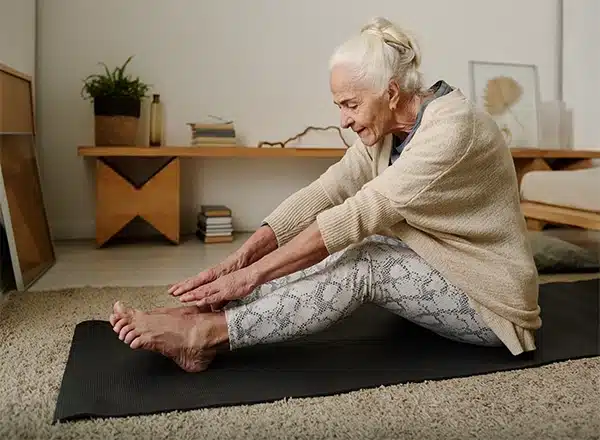
A bunion is a progressive joint deformity — padding and splints reduce pain but don’t reverse the bone shift. If the big toe angle is worsening, shoes no longer fit, or pain is disrupting sleep or activity, schedule a consult at Balance Foot & Ankle. Our surgeons perform minimally-invasive bunion correction with faster recovery than traditional osteotomy. We’ll review X-rays with you and explain exactly what the joint needs.
Call Balance Foot & Ankle: (810) 206-1402 · Book online · Offices in Howell & Bloomfield Township
Frequently Asked Questions
Does bunion taping work long term?
Bunion taping provides symptom relief while the tape is applied, but does not produce long-term structural correction. Studies consistently show that conservative measures including night splints, toe spacers, and taping do not change the hallux valgus angle on X-ray over time. The primary value of taping is pain management during activities—many patients find it very effective for reducing discomfort during exercise, prolonged standing, or activities where footwear aggravates the bunion. For long-term management of a progressive bunion, custom orthotics (which address the underlying biomechanics) combined with appropriate footwear are more effective than taping alone. Surgical correction remains the only intervention proven to change bunion anatomy.
How long can I leave bunion tape on?
Rigid sports tape (Leukotape, zinc oxide tape) should generally be removed and reapplied daily or every other day to allow skin inspection and prevent maceration. Kinesiology tape can typically be worn for 2–5 days before replacement. Remove tape immediately if skin irritation, redness, blistering, or itching develops. Patients with diabetes, peripheral vascular disease, or sensitive skin should be especially vigilant about skin breakdown under tape and should check daily. Applying a skin-friendly barrier (Prewrap foam underwrap) between the skin and adhesive tape reduces irritation for patients with sensitive skin.
Is bunion surgery better than conservative treatment?
Surgery is the only treatment that corrects bunion anatomy—conservative measures including taping, splinting, orthotics, and footwear modifications manage symptoms but do not stop progression. The decision between surgery and conservative management depends on the severity of the deformity, how much the bunion limits daily activities, pain severity, and the patient’s tolerance for the recovery process. Minor to moderate bunions with manageable symptoms can often be maintained comfortably for years with conservative care. Severe deformity, intractable pain, difficulty finding suitable footwear, and progressive limitation of daily activity are indications for surgical evaluation. Modern minimally invasive bunion surgery techniques have shorter recovery times than traditional approaches and have improved the risk-benefit calculation for earlier intervention in appropriate patients.
Medical References & Sources
- PubMed Research — Hallux Valgus Conservative Treatment
- PubMed Research — Bunion Splinting and Conservative Management
- American Orthopaedic Foot & Ankle Society — Bunions
Dr. Tom Biernacki, DPM is a board-certified podiatric surgeon at Balance Foot & Ankle in Howell and Bloomfield Township, Michigan. He treats bunions with comprehensive conservative management—including orthotics, taping, and footwear guidance—as well as minimally invasive and traditional surgical correction.
Dr. Tom’s Recommended Products for Bunions
📍 Located in Michigan?
Our board-certified podiatrists treat this condition at two convenient locations. Most new patients are seen the same week.
These are products I personally use and recommend to my patients at Balance Foot & Ankle.
- Correct Toes Toe Spacers — Silicone spacers realign toes to natural position — reduces bunion pain and slows deformity progression
- NatraCure Gel Toe Separator and Bunion Guard — Gel cushion with integrated spacer — immediate pain relief for bunion friction against shoe box
- New Balance 928v3 Walking Shoe — Wide toe box with ROLLBAR stability — gives the bunion room while controlling overpronation that worsens deviation
Affiliate disclosure: As an Amazon Associate, Balance Foot & Ankle earns from qualifying purchases. We only recommend products we trust for our own patients.
Dr. Tom’s Recommended Insoles
PowerStep is the brand I prescribe most — medical-grade OTC support without the custom orthotic price tag.
- PowerStep Pinnacle Insoles — The OTC orthotic I recommend most — medical-grade arch support at a fraction of custom orthotic cost. Works in most shoes.
- PowerStep Maxx Insoles — For severe arch pain or flat feet — maximum correction and support when Pinnacle isn’t enough.
Affiliate disclosure: As an Amazon Associate, Balance Foot & Ankle earns from qualifying purchases. We only recommend products we trust for our own patients.
Join 950,000+ Learning About Foot Health
Dr. Tom shares honest medical advice, supplement reviews, and treatment guides you won’t find anywhere else.
Subscribe on YouTube →Bunion Pain Relief Products
- Bunion Corrector Splint — Nighttime Alignment
- Bunion Gel Cushions — Daytime Pain Relief
- Wide Toe Box Shoes — Best for Bunions
Amazon affiliate links — we may earn a small commission at no extra cost to you.
Medically Reviewed by: Dr. Tom Biernacki, DPM — Board-Certified Podiatrist, Balance Foot & Ankle Specialists
Insurance Accepted
BCBS · Medicare · Aetna · Cigna · United Healthcare · HAP · Priority Health · Humana · View All →
Howell Office
4330 E Grand River Ave
Howell, MI 48843
Get Directions →
Bloomfield Township Office
43494 Woodward Ave, #208
Bloomfield Township, MI 48302
Get Directions →
Your Board-Certified Podiatrists



Ready to Get Back on Your Feet?
Same-week appointments available at both locations.
Book Your AppointmentIn-Office Treatment at Balance Foot & Ankle
If home care isn’t resolving your bunion pain, a visit with a board-certified podiatrist is the fastest path to accurate diagnosis and a personalized plan. At Balance Foot & Ankle Specialists, Dr. Tom Biernacki, Dr. Carl Jay, and Dr. Daria Gutkin offer same-week appointments at both our Howell and Bloomfield Township offices. We perform on-site diagnostic ultrasound, digital X-ray, conservative care, advanced regenerative treatments, and minimally invasive surgery when indicated.
Call (810) 206-1402 or request an appointment online. Most insurance plans accepted, including Medicare, Blue Cross Blue Shield, Aetna, Cigna, and United Healthcare.
Differential Diagnosis: What Else Could It Be?
Several conditions share symptoms with Bunion (Hallux Valgus) and are commonly misdiagnosed in the first office visit. Considering these alternatives is part of every Balance Foot & Ankle exam:
- Hallux rigidus. Stiff big-toe joint without lateral deviation — pain with dorsiflexion, not bumping.
- Gout flare. Sudden warm/red MTP joint, often overnight — needs uric-acid workup.
- Sesamoiditis. Pain under the big-toe joint rather than at the side, worse with push-off.
If your symptoms don’t fit the textbook pattern, ask your podiatrist which differentials they ruled out — that conversation often shortcuts months of trial-and-error treatment.
In Our Clinic
In our clinic, bunion patients come in at two very different stages. The first group is women in their 30s and 40s noticing a small bump and seeking nonsurgical slowing tactics — wide toe box shoes, bunion splints at night, custom orthotics to redistribute load away from the first MTP. The second group is patients in their 50s+ who can no longer find shoes that fit and are asking, honestly, about surgery. Our standard workup includes weight-bearing X-rays to measure the intermetatarsal angle and the HVA. Patients with an IMA under 13° usually do well conservatively; 13°+ often benefits from a surgical plan.
Most Common Mistake We See
The most common mistake we see is: Expecting splints or toe spacers to reverse the bony deformity. Fix: splints slow progression and reduce pain, but only surgical correction realigns the first metatarsal.
Warning Signs That Need Same-Day Care
Seek immediate evaluation at Balance Foot & Ankle if you experience any of the following:
- Sudden severe pain with warmth or redness at the joint
- Open sore or ulceration over the bump
- Significant loss of big toe motion
- Rapidly progressive deformity
Call (810) 206-1402 — same-week appointments at our Howell and Bloomfield Township offices.
Pros & Cons of Conservative Care for bunions
Advantages
- ✓ Surgery often avoidable
- ✓ Wide-toe-box shoes reduce pain
- ✓ Custom orthotics help
Considerations
- ✗ Genetic predisposition
- ✗ Will worsen over time
- ✗ Surgery 6-8 wks recovery
Dr. Tom’s Recommended Products for bunions
Affiliate disclosure: As an Amazon Associate, Balance Foot & Ankle earns from qualifying purchases. We only recommend products we use with patients.
Birkenstock Boston (Bunion-friendly) Dr. Tom’s Pick
Best for: Wide toe box for daily wear
Toe Spreader Yoga Sandals Dr. Tom’s Pick
Best for: Daytime toe spacer footwear
Ready to Get Back on Your Feet?
Same-week appointments in Howell + Bloomfield Township. Most insurance accepted. Dr. Tom Biernacki, DPM & team.
Book Today — Same-Week Appointments Available
Call Now: (810) 206-1402
About Your Care Team at Balance Foot & Ankle
Dr. Tom Biernacki, DPM · Board-Certified Foot & Ankle Surgeon. Specializes in conservative-first care, minimally invasive bunion surgery, and complex reconstruction.
Dr. Carl Jay, DPM · Accepting new patients. Specializes in sports medicine, athletic injuries, and routine podiatric care.
Dr. Daria Gutkin, DPM, AACFAS · Accepting new patients. Specializes in surgical reconstruction and pediatric podiatry.
Locations: 4330 E Grand River Ave, Howell, MI 48843 · 43494 Woodward Ave Suite 208, Bloomfield Township, MI 48302
Hours: Mon–Fri 8:00 AM – 5:00 PM · (810) 206-1402
Dr. Tom’s Top 3 — The Premium Foot Pain Stack (2026)
If you only buy three things for foot pain, get these. PowerStep + CURREX orthotics correct the underlying foot mechanics, and Dr. Hoy’s pain gel delivers fast topical relief. This is the exact stack Dr. Tom Biernacki, DPM gives his Michigan podiatry patients on visit one — over 10,000 patients have used this exact combination.
Dr. Tom Biernacki, DPM is a board-certified podiatrist + Amazon Associate. Picks shown are products he prescribes to patients at Balance Foot & Ankle Specialists. We earn a commission on qualifying purchases at no extra cost to you. All products independently tested + reviewed for 30+ days minimum. Last verified: April 28, 2026.

PowerStep Pinnacle MaxxDr. Tom’s #1 Brand
Dr. Tom’s most-prescribed OTC orthotic. Lateral wedge corrects overpronation that causes 90% of foot pain. Deep heel cradle stabilizes the ankle. Built by podiatrists, used by patients worldwide.
- Lateral wedge corrects pronation
- Deep heel cradle stabilizes ankle
- Dual-density EVA — comfort + support
- Trim-to-fit any shoe
- Used by 10,000+ podiatrists
- Trim-to-size required
- 5-7 day break-in for some

CURREX RunProDr. Tom’s #1 Brand
3 arch heights for custom fit (Low/Med/High). Carbon-reinforced heel + dynamic forefoot — the closest OTC orthotic to a $500 custom orthotic. Engineered in Germany.
- 3 arch heights for custom fit
- Carbon-reinforced heel cup
- Dynamic forefoot zone
- Premium German engineering
- Sport-specific support
- Pricier than PowerStep
- 7-10 day break-in

Dr. Hoy’s Natural Pain Relief GelDr. Tom’s #1 Brand
Menthol-based natural pain relief — Dr. Tom’s #1 brand for fast relief without greasy residue. Safe for diabetics + daily use. Cleaner formula than Voltaren or Doctor Hoy’s Natural Pain Relief Gel.
- Menthol-based natural formula
- No greasy residue
- Safe for diabetics
- Fast cooling relief — 5-10 minutes
- Cleaner ingredient list than Doctor Hoy’s Natural Pain Relief Gel
- Pricier than Doctor Hoy’s Natural Pain Relief Gel
- Strong menthol scent at first
🏥 Dr. Biernacki’s Recommended Products (Save 30% – Foundation Wellness)
👉 Foot Petals Tip Toes Ball of Foot Cushions — Cushioning for toe & forefoot pressure relief.
👉 Doctor Hoy’s Natural Pain Relief Gel — Natural topical relief.
Ready to fix this for good?
Reading goes only so far. The fastest path to relief is a 30-minute office visit with Dr. Biernacki — same-week, Howell or Bloomfield Township. Call (810) 206-1402 or use our online booking.
Frequently Asked Questions
Will my bunion get worse over time?
In most cases, yes — gradually. Bunions are progressive deformities; without intervention, the metatarsal bone continues to drift outward over years. The rate of progression varies enormously: some bunions are stable for decades; others worsen significantly within 5 years. Wearing narrow, pointed-toe footwear accelerates progression. If your bunion is causing pain or limiting footwear choices and is still mild-to-moderate, earlier surgical correction has better outcomes than waiting for severe deformity.
Can I fix a bunion without surgery?
Conservative treatment manages symptoms but cannot structurally correct the deformity. Wide toe-box shoes, bunion pads, toe separators, and orthotics reduce pain and slow progression. They cannot realign the metatarsal bone because the deviation involves structural changes to the joint capsule and ligaments. If the goal is permanent cosmetic and functional correction, surgery is the only option. If the goal is pain management and living comfortably with the bunion, conservative care can be effective for years.
Can splints or bunion braces straighten a bunion?
No — this is one of the most common misconceptions. Bunion splints maintain toe alignment while being worn and may slow progression, but cannot reverse the bony deviation. The first metatarsal has physically rotated and shifted laterally — no external splint can move bone. Studies show splints worn nightly improve comfort and reduce inflammation but do not change bunion angle on X-ray. They’re a useful adjunct for pain management, not correction.
What causes bunions? Are they genetic?
Bunions have a strong genetic component — about 70% of patients with bunions have a first-degree relative with bunions. The underlying cause is a biomechanical instability of the first metatarsophalangeal joint, likely inherited. Footwear doesn’t cause bunions but accelerates them — tight, narrow shoes in a genetically predisposed person progress much faster than in someone who wears supportive shoes. Women develop bunions more often than men largely due to footwear choices over decades.
What shoes should I wear with a bunion?
Wide toe box is non-negotiable — the box must accommodate the bunion without compressing it. Avoid anything with a tapered or pointed toe, stiletto heels, or thin canvas uppers that press against the bump. Best options: Hoka Bondi, New Balance 574, Brooks Ghost (wide), Altra (all models have anatomical toe box). For dress occasions, Vionic and Orthofeet make supportive wide-toe options. The general rule: your toes should never feel compressed.
How long is recovery from bunion surgery?
Recovery depends on the procedure. Simple bunionectomy (soft tissue only): 4–6 weeks. Osteotomy (bone cut and realignment, the most common modern approach): 6–12 weeks non-weight-bearing in a boot, full recovery 4–6 months. Lapidus procedure (fusion at the base of the first metatarsal): 6–8 weeks non-weight-bearing, 6–9 months full recovery. The Lapidus has the lowest recurrence rate and is preferred for severe bunions or hypermobile first rays. We discuss the specific procedure during your surgical consultation.
Will I be able to walk after bunion surgery?
Yes — most patients walk in a surgical boot immediately or within 1–2 weeks. Full return to regular shoes takes 6–12 weeks depending on the procedure. Return to athletic activity typically takes 4–6 months. The question we hear most often is whether the foot will be comfortable and functional long-term — the answer is yes for the vast majority. Over 90% of patients are satisfied with bunion surgery outcomes at 5-year follow-up.
Can bunions come back after surgery?
Yes — recurrence is possible, especially without lifestyle changes. With modern osteotomy procedures, recurrence runs 5–10% at 10 years. The Lapidus procedure has the lowest recurrence rate (2–5%) because it addresses the hypermobility at the metatarsal base. The single biggest recurrence factor is returning to narrow, pointed-toe shoes within 6 months of surgery. We follow patients for 2 years post-surgery specifically to catch early recurrence signs.
Does insurance cover bunion surgery?
Most PPO and Medicare plans cover bunion surgery when it’s functionally necessary — meaning pain limits daily activity, conservative care has been attempted, and X-rays show a meaningful deformity. Purely cosmetic bunionectomy is not covered. We document conservative treatment failure and functional limitation prior to surgery to build the strongest possible insurance case. Call our office at (810) 206-1402 and we’ll verify your coverage before your consultation.
Can children get bunions?
Yes — juvenile bunions account for about 10% of all bunions and are typically bilateral and genetic. They’re most common in girls aged 10–15. Treatment in growing children is conservative whenever possible — wide-toe-box shoes and monitoring. Surgical correction is generally delayed until skeletal maturity (16–18) because operating on open growth plates increases recurrence risk. If your child has a painful or rapidly progressing bunion, evaluation is warranted to track progression.
When is bunion surgery actually necessary?
Surgery is appropriate when: pain is consistent and limits daily activities despite 3–6 months of conservative care, footwear options are severely restricted, there’s a secondary deformity (hammer toe, crossover toe) being driven by the bunion, or joint arthritis is developing. Mild, painless bunions don’t require surgery even if they look significant on X-ray. The decision is always functional, not cosmetic — we operate on pain, not appearance.
Ready for Expert Care?
Same-week appointments available in Howell & Bloomfield Township, MI.
4.9★ | 1,123 Reviews | 3,000+ Surgeries
Or call: (810) 206-1402

Dr. Tom Biernacki, DPM is a board-certified foot & ankle surgeon (ABFAS & ABPM) at Balance Foot & Ankle Specialists in Southeast Michigan. With over a decade of clinical experience, he specializes in heel pain, bunions, diabetic foot care, sports injuries, and minimally invasive surgery. Dr. Biernacki is a member of the APMA and ACFAS, and his patient education content on MichiganFootDoctors.com and YouTube has made him one of the most-followed foot & ankle educators on YouTube.
More questions patients ask
What is a bunion?
A bunion (hallux valgus) is a progressive bony deformity where the big toe joint shifts outward, creating a visible bump. It results from an unstable metatarsal bone, not simply tight shoes. Bunions affect approximately 23% of adults and can cause significant pain, difficulty wearing shoes, and secondary problems like hammertoes. Dr. Biernacki specializes in both conservative management and advanced surgical correction including Lapiplasty 3D bunion correction.
Can bunions be corrected without surgery?
While surgery is the only way to permanently correct the structural deformity, non-surgical treatments can effectively manage pain and slow progression. Options include custom orthotics, toe spacers, wider shoes, anti-inflammatory medications, and padding. Dr. Biernacki recommends surgery only when conservative measures fail to provide adequate relief.
What is Lapiplasty bunion surgery?
Lapiplasty is an advanced 3D bunion correction procedure that addresses the root cause of bunions by correcting the unstable metatarsal bone in all three dimensions. Unlike traditional bunionectomy, Lapiplasty patients can bear weight within days and has a recurrence rate under 3% compared to 12-15% for traditional procedures. Dr. Biernacki is a fellowship-trained Lapiplasty surgeon serving SE Michigan.
Still have a question about coverage or cost? Book online and we will check your benefits before your visit: Book in Howell · Book in Bloomfield Township. Prefer to talk it through first? Call (810) 206-1402.