
Quick answer: Calcaneonavicular Coalition Diagnosis Surgical Resection Adolescents is a common foot/ankle topic that affects many patients. The 2026 evidence-based approach combines proper diagnosis, conservative-first treatment, and escalation only when needed. We treat this regularly at our Howell and Bloomfield Hills practices. Call (810) 206-1402.
Medically reviewed by Dr. Tom Biernacki, DPM — Board-Certified Podiatric Surgeon — Balance Foot & Ankle, Howell & Bloomfield Hills, MI. Last updated April 2026.
Medically Reviewed by Dr. Tom Biernacki, DPM — Board-Certified Podiatrist, Balance Foot & Ankle Specialists, Michigan. Last updated April 2026.
Medically reviewed by Dr. Tom Biernacki, DPM, FACFAS — Board-Certified Podiatric Surgeon at Balance Foot & Ankle PLLC. Last updated April 3, 2026.
Quick Answer: A calcaneonavicular coalition is an abnormal bony or cartilaginous bridge between the calcaneus (heel bone) and the navicular bone that restricts normal foot motion and causes pain, stiffness, and recurrent ankle sprains — typically becoming symptomatic in adolescents between ages 8 and 16. When conservative treatment with orthotics, immobilization, and physical therapy fails, surgical resection (removal of the coalition bar) with fat graft or muscle interposition restores motion and relieves pain in 85–90% of patients.
Table of Contents
- What Is a Calcaneonavicular Coalition?
- Causes and Development
- Symptoms in Children and Adolescents
- Diagnosis and Imaging
- Conservative Treatment Options
- When Surgery Is Needed
- Surgical Resection Technique
- Recovery Timeline After Resection
- Best Products for Coalition Recovery
- Outcomes and Success Rates
- Most Common Mistake
- Warning Signs After Surgery
- Frequently Asked Questions
- Sources
What Is a Calcaneonavicular Coalition?
If your child has been complaining about a stiff, achy foot that seems to “lock up” during sports — or if they keep spraining the same ankle over and over — a calcaneonavicular coalition may be the underlying cause. This is one of the most commonly missed diagnoses in pediatric foot pain, and understanding what it is helps you advocate effectively for your child’s care.
A calcaneonavicular coalition is an abnormal connection between the calcaneus (heel bone) and the navicular bone on the top-outside of the midfoot. This bridge of tissue — which can be made of bone (osseous), cartilage (cartilaginous), or fibrous tissue (fibrous) — forms during fetal development when the bones fail to fully separate. The coalition restricts the normal gliding and rotating motion of the subtalar and midtarsal joints, which are essential for adapting to uneven ground, absorbing shock, and maintaining balance.
Tarsal coalitions affect approximately 1–2% of the general population, though many remain asymptomatic throughout life. Calcaneonavicular coalitions are the most common type, accounting for roughly 53% of all tarsal coalitions. They occur bilaterally (in both feet) in 50–60% of patients, so if your child is diagnosed with a coalition in one foot, the other foot should be evaluated as well.
What Causes Calcaneonavicular Coalition?
Calcaneonavicular coalition is a congenital condition — meaning it develops before birth during the first trimester when the foot bones are forming. The exact genetic mechanism is not fully understood, but the condition has a strong hereditary component and is thought to follow an autosomal dominant inheritance pattern with variable penetrance.
Failure of mesenchymal segmentation. During weeks 4–8 of embryonic development, the foot begins as a single cartilaginous mass that gradually separates into individual bones. In a calcaneonavicular coalition, this segmentation process is incomplete between the calcaneus and navicular, leaving an abnormal bridge of tissue connecting them.
Why symptoms appear in adolescence. Although the coalition is present from birth, symptoms typically emerge between ages 8 and 16. This is because the cartilaginous or fibrous bridge gradually ossifies (turns to bone) during adolescence. As the bridge stiffens, it increasingly restricts joint motion and triggers pain, muscle spasm, and compensatory flatfoot. Increased activity levels during adolescence — sports, growth spurts, heavier body weight — add stress that exposes the movement limitation.
Associated conditions. Calcaneonavicular coalitions are occasionally associated with other congenital foot conditions, including vertical talus, clubfoot, and fibular hemimelia. However, the vast majority of calcaneonavicular coalitions occur as an isolated finding in otherwise healthy children.
Symptoms of Calcaneonavicular Coalition in Children and Adolescents
The symptoms of calcaneonavicular coalition can be subtle and are often attributed to “growing pains” or ankle sprains, which delays proper diagnosis. Understanding the specific symptom pattern helps parents and pediatricians recognize this condition earlier.
Lateral foot and ankle pain. The most common symptom is a deep, aching pain on the outside of the foot, just below and in front of the ankle bone (lateral malleolus). Pain worsens with activity — especially running, jumping, and walking on uneven ground — and improves with rest. The pain is typically described as a dull ache rather than a sharp sensation.
Rigid flatfoot. Unlike flexible flatfoot (which is common and usually painless in children), a coalition-related flatfoot is stiff and does not correct when the child stands on tiptoe. This rigidity is a hallmark finding that should raise suspicion for tarsal coalition. The peroneal muscles along the outside of the leg often go into spasm as a protective response to the restricted motion, which further flattens the arch.
Limited subtalar motion. The subtalar joint (between the talus and calcaneus) allows the foot to roll inward and outward. A calcaneonavicular coalition restricts this motion significantly, making the foot feel “stiff” or “locked.” Your child may have difficulty walking on uneven terrain, hiking, or playing sports that require quick lateral movements.
Recurrent ankle sprains. Because the foot cannot adapt normally to ground surfaces, children with calcaneonavicular coalitions are prone to repeated ankle sprains. If your child sprains the same ankle three or more times in a year, a coalition should be considered as an underlying cause.
Peroneal muscle spasm. The peroneal muscles (on the outside of the lower leg) frequently go into spasm in response to the coalition. This condition, historically called “peroneal spastic flatfoot,” causes visible tightness along the outside of the leg and ankle, contributing to both pain and rigid flatfoot posture.
How Is Calcaneonavicular Coalition Diagnosed?
Accurate diagnosis of calcaneonavicular coalition requires a combination of clinical examination and imaging. The good news is that calcaneonavicular coalitions are the easiest tarsal coalition type to identify on standard X-rays when the correct views are obtained.
Physical examination findings. Your podiatrist will assess subtalar range of motion (inversion/eversion), which is significantly restricted in coalition patients. Attempting to invert the heel while the patient stands may reproduce peroneal muscle spasm. The foot typically appears flat with a rigid arch that does not correct with toe-standing. Tenderness is often present over the sinus tarsi (the soft spot just in front of the outside ankle bone) and along the dorsolateral midfoot where the coalition bridge exists.
Oblique X-ray: the “anteater sign.” The 45-degree medial oblique X-ray view is the most reliable plain film for diagnosing calcaneonavicular coalition. The elongated anterior process of the calcaneus extending toward the navicular creates a characteristic appearance called the “anteater sign” — the calcaneus looks like an anteater’s elongated nose reaching toward the navicular bone. This finding is pathognomonic (definitively diagnostic) for calcaneonavicular coalition.
Lateral X-ray: the “reverse C sign.” On the lateral (side view) X-ray, an incomplete calcaneonavicular coalition may show the “reverse C sign” — a C-shaped density between the talar head and the sustentaculum tali created by the overlapping coalition and talar head outlines.
CT scan. Computed tomography provides the most detailed assessment of coalition morphology, helping surgeons understand whether the bridge is osseous, cartilaginous, or fibrous. CT is essential for surgical planning because it precisely maps the three-dimensional extent of the coalition, guides the resection margins, and identifies any secondary arthritic changes in adjacent joints.
MRI. Magnetic resonance imaging is particularly valuable for identifying fibrous and cartilaginous coalitions that may not be visible on X-ray or CT. MRI also reveals bone marrow edema (stress reaction) at the coalition site and surrounding joints, which helps determine whether the coalition is actively causing symptoms. In younger patients where the coalition has not yet ossified, MRI may be the only imaging modality that confirms the diagnosis.
Conservative Treatment for Calcaneonavicular Coalition
Conservative treatment is always the first approach for calcaneonavicular coalition, particularly in younger patients whose coalitions are still cartilaginous and potentially more adaptable. The goals are reducing pain, managing peroneal spasm, and improving function.
Immobilization. For acute symptom flares, a short period (2–4 weeks) in a walking boot or below-knee walking cast reduces inflammation and allows peroneal muscle spasm to resolve. This is often the most effective initial treatment for a child presenting with significant pain and rigid flatfoot.
Custom orthotic insoles. After the acute phase, supportive orthotic insoles help control pronation and reduce stress across the coalition. PowerStep orthotic insoles provide firm arch support that limits excessive midfoot motion and distributes pressure more evenly across the foot. For adolescent athletes, the PowerStep Pinnacle Sport offers additional cushioning for high-impact activities while maintaining the arch control needed to protect the coalition area.
Physical therapy. Stretching the peroneal muscles and Achilles tendon, combined with strengthening the intrinsic foot muscles and tibialis posterior, helps improve function within the limits of the coalition. Proprioceptive training reduces the risk of recurrent ankle sprains.
Activity modification. Reducing high-impact activities during symptomatic periods — switching from running and jumping sports to swimming or cycling — allows inflammation to settle. Most children can return to full activity between symptomatic episodes with proper orthotic support.
Anti-inflammatory management. NSAIDs (ibuprofen, naproxen) help manage pain during flare-ups. For localized discomfort, topical options like Doctor Hoy’s Natural Pain Relief provide targeted relief without systemic side effects — particularly useful for younger patients where parents prefer to minimize oral medication use.
Success rates of conservative treatment. Conservative management successfully controls symptoms in approximately 30–50% of patients with calcaneonavicular coalition. Patients with fibrous or cartilaginous (non-osseous) coalitions and those with less than 50% joint surface involvement tend to respond better to conservative care.
When Is Surgery Needed for Calcaneonavicular Coalition?
Surgical treatment is recommended when conservative measures fail to provide adequate pain relief and functional improvement after 3–6 months of consistent treatment. Several factors guide the decision toward surgery.
Persistent pain despite conservative care. If your child continues to have significant pain that limits sports participation, walking, or daily activities despite orthotics, physical therapy, and activity modification, surgery is typically the next appropriate step.
Recurrent symptom flares. Some children experience repeated cycles of improvement and relapse — feeling better with immobilization but immediately flaring when returning to activity. This pattern suggests the coalition is too restrictive for conservative management alone.
Age considerations. The ideal age for coalition resection is typically 10–16 years, before secondary degenerative changes develop in the surrounding joints. Earlier intervention generally produces better outcomes because the foot retains more adaptability and the joints have not yet developed compensatory arthritis.
Absence of secondary arthritis. Pre-operative CT or MRI must confirm that the surrounding joints (talonavicular, subtalar) have not developed significant degenerative changes. If arthritis is present, simple resection may not provide adequate relief, and fusion procedures may need to be considered instead.
Calcaneonavicular Coalition Surgical Resection Technique
The standard surgical treatment for calcaneonavicular coalition is resection (removal) of the coalition bar with interposition of soft tissue to prevent the bridge from reforming. This procedure has been performed successfully for decades and has well-established outcomes in the pediatric orthopedic and podiatric literature.
Surgical approach. The surgery is performed through a 4–5 cm incision on the lateral (outside) aspect of the foot, centered over the sinus tarsi region. The extensor digitorum brevis muscle is identified and carefully mobilized — it will serve as the interposition graft. The coalition bar is then exposed, and the surgeon removes the entire bridge of abnormal bone, cartilage, or fibrous tissue connecting the calcaneus to the navicular.
Resection margins. Adequate resection is the single most important technical factor for surgical success. The surgeon removes enough bone to create a clear gap (typically 1–1.5 cm) between the calcaneus and navicular surfaces. Intraoperative fluoroscopy (live X-ray) confirms complete resection and adequate gap creation. Incomplete resection is the primary cause of surgical failure and coalition recurrence.
Interposition grafting. After resection, the extensor digitorum brevis (EDB) muscle is rotated into the resection gap and secured with sutures. This muscle interposition serves as a biological spacer that prevents bone regrowth across the gap. Alternative interposition materials include fat grafts (harvested from the lateral foot) or bone wax, though EDB interposition remains the gold standard technique with the most published evidence.
Anesthesia. The procedure is performed under general anesthesia (typical for pediatric patients) with a popliteal nerve block for post-operative pain control. The nerve block provides 12–24 hours of numbness below the knee, making the immediate post-operative period very comfortable. Most patients go home the same day.
Recovery Timeline After Coalition Resection
Recovery from calcaneonavicular coalition resection follows a structured progression designed to protect the resection site while restoring foot motion and strength. Children and adolescents generally recover faster than adults from this procedure.
Weeks 0–2: Non-weight-bearing. A bulky soft dressing and posterior splint immobilize the foot. The child uses crutches or a knee scooter and keeps the foot elevated as much as possible. Sutures are removed at the 2-week visit.
Weeks 2–4: Protected weight bearing. Transition to a walking boot with progressive weight bearing as tolerated. Most children are walking comfortably in the boot by week 3. Gentle range of motion exercises begin under physical therapy guidance.
Weeks 4–6: Increasing activity. Progressive weight bearing in the boot with emphasis on restoring subtalar joint motion through targeted physical therapy. Swelling management with DASS medical grade compression socks helps control persistent edema and supports the healing tissues. Most children can begin riding a stationary bike during this phase.
Weeks 6–8: Transition to shoes. The boot is discontinued and the child transitions to supportive athletic shoes with orthotic insoles. Walking on flat surfaces is unrestricted. Physical therapy focuses on strengthening, balance, and gait normalization.
Weeks 8–12: Return to sports. Gradual return to running, cutting, and jumping activities. Most adolescents return to full sports participation by 10–12 weeks. A quality orthotic like PowerStep should be worn in athletic shoes for at least 6 months post-operatively to support the restructured midfoot.
Best Products for Coalition Recovery
Supporting your child’s recovery with the right products helps optimize healing and long-term outcomes after calcaneonavicular coalition resection.
Affiliate disclosure: Some links below are affiliate links, meaning we may earn a small commission if you purchase through them — at no extra cost to you. We only recommend products we use in our own practice.
PowerStep Orthotic Insoles for Post-Coalition Support
After coalition resection, the midfoot needs structured support as it adapts to its new range of motion. PowerStep orthotic insoles provide the semi-rigid arch support that controls excessive pronation — a key concern after coalition removal because the foot may initially over-pronate as it gains newfound flexibility. For active adolescents, the PowerStep Pinnacle Sport combines firm arch control with additional heel cushioning for return-to-sport activities. We recommend starting orthotics immediately when transitioning from the boot to regular shoes and continuing for a minimum of 6 months.
DASS Medical Grade Compression Socks
Post-surgical swelling in the midfoot and ankle can persist for weeks after coalition resection. DASS medical grade compression socks provide graduated 20–30 mmHg compression that effectively manages edema throughout the recovery period. This is especially important for adolescents who want to return to activity quickly — uncontrolled swelling delays healing and increases stiffness. We recommend daily compression wear starting at week 2 post-op and continuing through the return-to-sport phase.
Doctor Hoy’s Natural Pain Relief
Managing post-surgical discomfort in younger patients requires a thoughtful approach. Doctor Hoy’s Natural Pain Relief gel provides effective topical analgesic relief using natural ingredients, making it an excellent option for parents who prefer to minimize their child’s use of oral pain medications. Apply around the surgical site once the incision is fully healed (typically 2–3 weeks post-op). The cooling menthol sensation provides immediate comfort during physical therapy sessions and after activity.
Calcaneonavicular Coalition Resection Outcomes and Success Rates
Calcaneonavicular coalition resection is one of the most reliable surgical procedures in pediatric foot surgery, with decades of published outcomes supporting its effectiveness.
Pain relief: 85–90% of patients report significant or complete pain relief after resection. Most adolescents are pain-free during daily activities by 6–8 weeks and pain-free during sports by 10–12 weeks.
Motion restoration: Subtalar and midtarsal joint motion improves significantly after resection, though it may not reach fully normal levels. Most patients gain enough motion to eliminate the rigid flatfoot posture and allow comfortable participation in all activities.
Return to sports: 90–95% of adolescent athletes return to their pre-symptom sport level within 3–4 months of surgery. Many parents report that their child performs better than before surgery because the foot can now adapt normally to ground surfaces.
Recurrence rates: Coalition recurrence (regrowth of the bony bar) occurs in approximately 5–10% of cases and is most commonly associated with inadequate initial resection or failure to place an interposition graft. If recurrence occurs, revision resection is possible with good outcomes.
Long-term outcomes: Ten-year follow-up studies show that 85%+ of patients maintain their surgical improvement with continued pain relief and functional improvement. Early resection (before secondary joint arthritis develops) produces the most durable results.
Most Common Mistake With Calcaneonavicular Coalition
🔑 Key Takeaway: The most common mistake with calcaneonavicular coalition is delayed diagnosis. Many children are treated for “ankle sprains” or “growing pains” for months or even years before the coalition is identified. Every recurrent ankle sprain in a child or adolescent — especially when accompanied by a stiff flatfoot — should prompt evaluation for tarsal coalition with an oblique foot X-ray. Early diagnosis means earlier access to appropriate treatment, better surgical outcomes if surgery is needed, and less time lost from sports and activities. If your child has chronic foot pain that does not respond to typical sprain treatments, ask your podiatrist specifically about tarsal coalition.
Warning Signs After Coalition Resection Surgery
⚠️ Contact your surgeon immediately if your child experiences any of the following after coalition resection:
- Increasing redness, warmth, or swelling around the incision that worsens after the first 72 hours rather than improving
- Fever above 101°F (38.3°C) with foot pain, which may indicate surgical site infection
- Drainage of pus or foul-smelling fluid from the incision site
- Sudden severe pain not controlled by prescribed medications
- Numbness or tingling in the toes that does not improve with elevation
- Inability to move the toes or a foot that appears pale, blue, or cold
- Return of pre-operative symptoms (pain, stiffness, peroneal spasm) after an initial period of improvement, which may suggest coalition recurrence
Contact Balance Foot & Ankle at (586) 207-4540 if you notice any of these signs. Early intervention prevents minor issues from becoming serious complications.
Calcaneonavicular Coalition Treatment at Balance Foot & Ankle
At Balance Foot & Ankle, Dr. Biernacki provides hands-on exam plus imaging when needed and treatment for calcaneonavicular coalition in children and adolescents. Our approach includes thorough clinical assessment with in-office imaging, conservative management with custom orthotics and physical therapy guidance, and — when needed — surgical resection using the gold-standard EDB interposition technique. We work closely with families to develop individualized treatment plans that minimize time away from sports and school activities.
Calcaneonavicular Coalition: Understanding the Condition [Video]
Dr. Biernacki explains pediatric foot conditions and treatment options in this educational video from Balance Foot & Ankle:
In-Office Treatment at Balance Foot & Ankle
If home treatment isn’t providing relief for your foot and ankle conditions, our podiatry team at Balance Foot & Ankle can help with same-day evaluations and advanced in-office care.
Same-day appointments available. (810) 206-1402
Frequently Asked Questions About Calcaneonavicular Coalition
At what age should calcaneonavicular coalition be treated surgically?
The ideal age for surgical resection is typically between 10 and 16 years. Surgery during this window — after the coalition has begun to ossify and cause symptoms but before secondary arthritic changes develop in surrounding joints — produces the best outcomes. Children younger than 10 may benefit from conservative management first, as some cartilaginous coalitions respond well to orthotics and activity modification. Patients over 16–18 with established joint arthritis may require fusion rather than resection, which is why timely diagnosis matters.
Can my child play sports after coalition resection?
Yes — 90–95% of adolescents return to full sports participation after calcaneonavicular coalition resection. Most patients return to running by 8–10 weeks and full contact or cutting sports by 10–12 weeks. Many parents report that their child actually performs better after surgery because the foot can now adapt to uneven surfaces and absorb shock normally. Wearing supportive shoes with PowerStep orthotic insoles during sports for at least 6 months after surgery helps protect the healing foot during return to activity.
Is calcaneonavicular coalition hereditary?
Yes, calcaneonavicular coalition has a strong genetic component and appears to follow an autosomal dominant inheritance pattern with variable penetrance. This means if one parent has a tarsal coalition, each child has roughly a 50% chance of inheriting the condition — though not all who inherit it will develop symptoms. If your child is diagnosed with a coalition, siblings should be examined if they develop foot pain, stiffness, or recurrent ankle sprains. Bilateral coalitions (both feet affected) occur in 50–60% of cases.
Can a calcaneonavicular coalition come back after surgery?
Coalition recurrence occurs in approximately 5–10% of resection cases. The primary risk factors are inadequate resection (not removing enough bone to create a sufficient gap) and failure to place an interposition graft. Modern surgical technique with fluoroscopic confirmation of complete resection and EDB muscle interposition has significantly reduced recurrence rates. If recurrence does occur, revision resection with a larger gap and interposition grafting is usually successful.
What is the difference between calcaneonavicular and talocalcaneal coalition?
These are the two most common types of tarsal coalition. Calcaneonavicular coalition (bridge between the calcaneus and navicular) is easier to diagnose on X-ray, easier to surgically resect, and has higher success rates — making it the more favorable condition overall. Talocalcaneal coalition (bridge between the talus and calcaneus at the middle facet of the subtalar joint) is harder to visualize on plain X-rays (requiring CT or MRI for diagnosis), technically more difficult to resect surgically, and has somewhat lower resection success rates. Both types present with similar symptoms of rigid flatfoot, pain, and restricted motion.
Sources
- Stormont DM, Peterson HA. “The relative incidence of tarsal coalition.” Clin Orthop Relat Res. 1983;(181):28-36.
- Cowell HR, Elener V. “Rigid painful flatfoot secondary to tarsal coalition.” Clin Orthop Relat Res. 1983;(177):54-60.
- Mubarak SJ, Patel PN, Upasani VV, et al. “Calcaneonavicular coalition: treatment by excision and fat graft.” J Pediatr Orthop. 2009;29(5):418-426.
- Lemley F, Berlet G, Hill K, et al. “Current concepts review: tarsal coalition.” Foot Ankle Int. 2006;27(12):1163-1169.
- Gonzalez P, Kumar SJ. “Calcaneonavicular coalition treated by resection and interposition of the extensor digitorum brevis muscle.” J Bone Joint Surg Am. 1990;72(1):71-77.
Pediatric Foot Specialist in Southeast Michigan
If your child is experiencing chronic foot pain, recurrent ankle sprains, or a rigid flatfoot, Dr. Biernacki at Balance Foot & Ankle can provide a thorough evaluation for tarsal coalition and other pediatric foot conditions. Early diagnosis leads to better outcomes — whether through conservative management or surgical resection when needed.
Balance Foot & Ankle | (586) 207-4540 | Serving Southeast Michigan
Related Foot Surgery Guides
- Accessory Navicular Surgery: Kidner Procedure Guide
- Ankle Arthroscopy: Minimally Invasive Diagnosis & Treatment
- Flat Feet Treatment: Causes, Symptoms & Solutions
- Foot Health After 65: Complete Senior Care Guide
- Podiatrist Recommended Foot Care Products 2026
When to See a Podiatrist for Tarsal Coalition
If your adolescent child has stiff, flat feet with recurrent ankle sprains or activity-related foot pain, a tarsal coalition may be the underlying cause. At Balance Foot & Ankle, we diagnose and treat pediatric and adolescent foot conditions at our Howell and Bloomfield Hills offices.
Learn About Our Pediatric Foot Treatment | Book Your Appointment | Call (810) 206-1402
Clinical References
- Bohne WH. “Tarsal coalition.” Current Opinion in Pediatrics. 2001;13(1):29-35.
- Lemley F, Berlet G, Hill K, Philbin T, Isaac B, Lee T. “Current concepts review: tarsal coalition.” Foot & Ankle International. 2006;27(12):1163-1169.
- Kulik SA Jr, Clanton TO. “Tarsal coalition.” Foot & Ankle International. 1996;17(5):286-296.
Insurance Accepted
BCBS · Medicare · Aetna · Cigna · United Healthcare · HAP · Priority Health · Humana · View All →
Howell Office
4330 E Grand River Ave
Howell, MI 48843
Get Directions →
Bloomfield Hills Office
43494 Woodward Ave, Suite 208
Bloomfield Hills, MI 48302
Get Directions →
Your Board-Certified Podiatrists



Ready to Get Back on Your Feet?
Same-week appointments available at both locations.
Book Your AppointmentWatch Dr. Tom on Tarsal Coalition
Dr. Tom on calcaneonavicular coalition — the adolescent flatfoot cause requiring resection, diagnosis, surgical technique.
Coalition Surgery Recovery
Coalition resection recovery spans 6–10 weeks. These four items support the adolescent athlete’s return:
CAM Walking Boot
Required weeks 0–4 post-resection — allows the coalition void to heal without refusion.
Check Amazon Price →PowerStep Pinnacle Insoles
Return to shoes phase — supports the newly-mobile subtalar joint during its adaptation period.
Check Amazon Price →Doctor Hoy’s Pain Relief Gel
Topical for adolescents avoids chronic NSAID use during critical growth/bone healing years.
Check Amazon Price →Resistance Band Set
Week 6+ — rebuilds the ankle strength lost during immobilization. Critical for return-to-sport.
Check Amazon Price →Affiliate disclosure: Amazon links are affiliate links — we earn a small commission if you buy through them. We only recommend products we actually prescribe to patients at Balance Foot & Ankle.
Related from Balance Foot & Ankle
When Shoes Aren’t Enough — Dr. Tom’s Top 9 Orthotics
About 30% of patients I see for foot pain need MORE than a great shoe — they need a structured insole. Below: my complete 2026 orthotic ranking with pros, cons, and the specific patient I’d give each one to.
★ DR. TOM’S COMPLETE 2026 ORTHOTIC RANKING
9 Best Prefab Orthotics by Use Case
PowerStep, Currex, Spenco, Vionic, and Superfeet — every orthotic I’ve fitted to thousands of patients across both Michigan offices. Each card includes pros, cons, and the specific patient I’d give it to. Real Amazon ratings, review counts, and prices below.
Best All-Purpose Orthotic for Most Patients
Semi-rigid arch shell + dual-layer cushion + deep heel cup. The orthotic I’ve fitted to more patients than any other for 15 years. APMA-accepted. Trim-to-fit design works in athletic shoes, casual shoes, and most work boots.


✓ Pros
- Semi-rigid arch shell provides true biomechanical correction
- Deep heel cup centers the heel and reduces lateral instability
- Dual-layer cushion (top + bottom) lasts 9-12 months daily wear
- Available in 8 sizes for precise fit
- APMA-accepted and clinically validated
- Lower price than Superfeet Green for equivalent function
✗ Cons
- Too thick for most dress shoes (use ProTech Slim instead)
- Some break-in period required (3-7 days for arch tolerance)
- Not enough correction for severe pes planus or rigid pes cavus
Dr. Tom’s Recommendation: If a patient has run-of-the-mill plantar fasciitis, mild flat feet, or arch fatigue, this is the first orthotic I try. Better value than Superfeet for 90% of patients, which is why I swapped it into our clinic kits three years ago. Sub-$50 typically.
Maximum Motion Control · Flat Feet & Severe Over-Pronation
PowerStep’s most aggressive stability orthotic. Adds a 2°-7° medial heel post on top of the standard PowerStep platform — designed specifically for flat-footed patients and severe pronators who need real corrective force.

✓ Pros
- 2°-7° medial heel post adds aggressive pronation control
- Same trusted PowerStep arch shell, more correction
- Built specifically for flat-foot biomechanics
- Excellent for posterior tibial tendon dysfunction (PTTD)
- Removable top cover for cleaning
✗ Cons
- Too aggressive for neutral-arch patients
- Needs longer break-in (10-14 days) due to stronger correction
- Adds 2-3 mm of stack height — won’t fit slim dress shoes
Dr. Tom’s Recommendation: When a patient comes in with significant flat feet AND symptoms (heel pain, arch pain, knee pain), the Original PowerStep isn’t aggressive enough. The Maxx is what gets prescribed. About 25% of my flat-footed patients end up here.
Low-Profile · Fits Dress Shoes & Narrow Casuals
3 mm slim profile with podiatrist-designed tri-planar arch technology. Engineered specifically to fit inside dress shoes, oxfords, loafers, and women’s flats without crowding the toe box. Vionic was founded by an Australian podiatrist.
✓ Pros
- 3 mm slim profile (vs 7-10 mm for standard orthotics)
- Tri-planar arch technology adds support without bulk
- Built-in deep heel cup despite slim design
- Fits dress shoes WITHOUT having to remove the factory insole
- Trim-to-fit · APMA-accepted
✗ Cons
- Less arch support than full-volume orthotics
- Top cover wears faster than thicker alternatives
- Not enough correction for severe foot deformities
Dr. Tom’s Recommendation: My default when a patient says ‘I need orthotics but I have to wear dress shoes for work.’ Slim enough to fit in oxfords and pumps without the heel sliding out. The single highest-impact change you can make for office workers with foot pain.
Built-In Metatarsal Pad · Morton’s Neuroma · Ball-of-Foot Pain
Standard Pinnacle orthotic with a built-in metatarsal pad positioned proximal to the metatarsal heads — the exact location that offloads neuromas and metatarsalgia. No need for separate met pads or pad placement guesswork.

✓ Pros
- Built-in met pad eliminates DIY pad placement errors
- Specifically designed for Morton’s neuroma + metatarsalgia
- Same trusted PowerStep arch + heel cup platform
- Top cover protects sensitive forefoot skin
- Faster relief than orthotics + add-on met pads
✗ Cons
- Met pad position is fixed (can’t fine-tune individual placement)
- Some patients with very small or very large feet need custom
- Slightly thicker than the standard Pinnacle
Dr. Tom’s Recommendation: If a patient has Morton’s neuroma, sesamoiditis, or generalized ball-of-foot pain (metatarsalgia), this saves a clinic visit and a prescription. The built-in pad placement is anatomically correct for 80% of feet. Way better than DIY met pads.
Adaptive Dynamic Arch · Athletic & Daily Wear
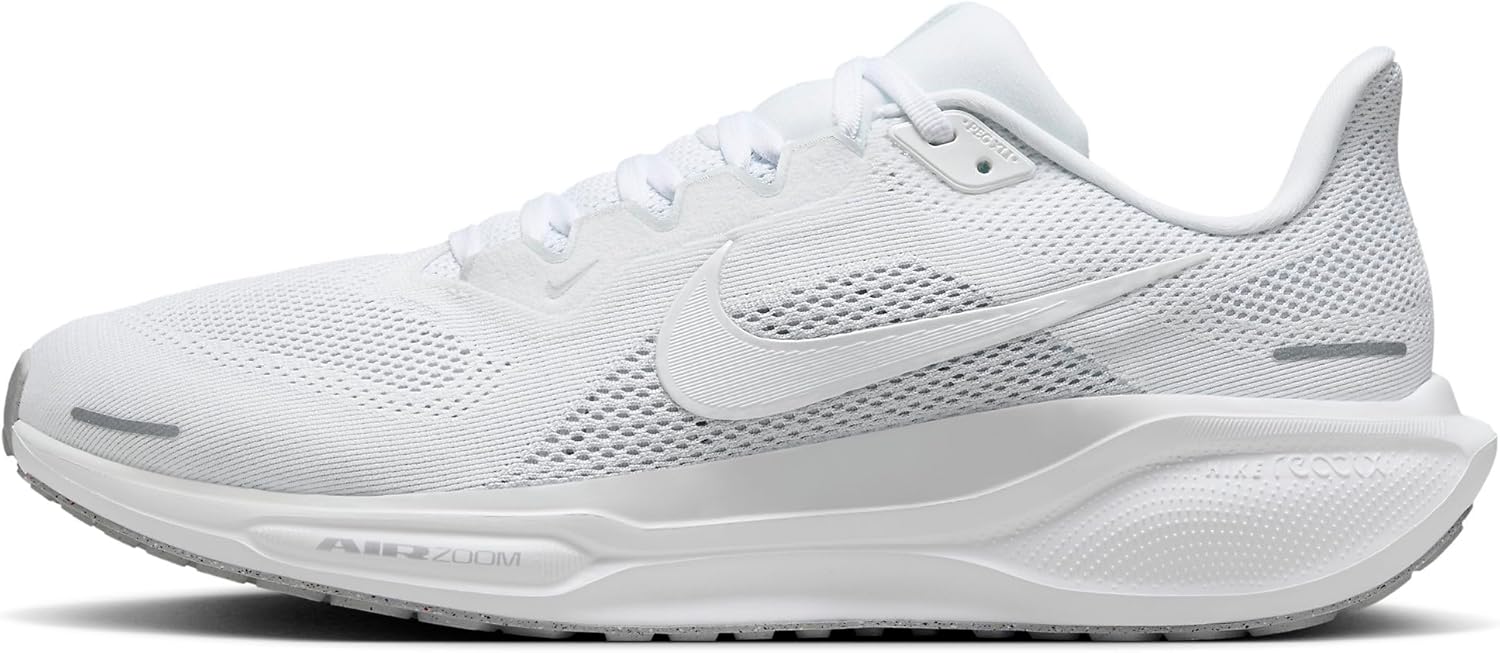
Currex’s flagship adaptive arch technology — the orthotic flexes with your gait instead of fighting it. Different stiffness zones along the length give you targeted support at the heel, midfoot, and forefoot. Available in three arch heights (low/medium/high).
✓ Pros
- Dynamic flex zones adapt to natural gait cycle
- Three arch heights ensure precise fit
- Lighter than rigid orthotics (no ‘heavy foot’ feel)
- Excellent for runners and athletic walkers
- European podiatric design (German engineering)
✗ Cons
- More expensive than PowerStep Original ($55-65 typically)
- Less aggressive correction than Pinnacle Maxx for severe cases
- Three arch heights means you must self-select correctly
Dr. Tom’s Recommendation: I started recommending Currex three years ago for runners who said PowerStep felt ‘too rigid.’ The dynamic flex zones respect natural gait. Best for active patients who walk 8K+ steps daily and don’t need maximum motion control.
Running-Specific · Heel Strike + Forefoot Strike Compatible
Currex’s purpose-built running orthotic. The midfoot flex zone is positioned for runner’s gait mechanics, with a flared heel cushion for heel strikers and a forefoot rocker for midfoot/forefoot strikers. Tested on 1000+ runners during product development.

✓ Pros
- Designed by German biomechanics lab specifically for runners
- Dynamic arch flexes with running gait (not static like PowerStep)
- Three arch heights (low/medium/high)
- Reduces overuse injury risk in mid-distance runners
- Lightweight (no impact on cadence)
✗ Cons
- Premium price ($60-75)
- Not aggressive enough for severe over-pronators (use Pinnacle Maxx)
- Runner-specific design = less ideal for daily walking shoes
Dr. Tom’s Recommendation: If a patient runs 20+ miles per week and has plantar fasciitis or shin splints, this is the orthotic I prescribe. The dynamic flex zones respect running biomechanics in a way that no rigid PowerStep can match. Pricier but worth it for serious runners.
Cavus Foot & High-Arch Patients
Polyurethane base with a deeper heel cup and higher arch profile than PowerStep — built for cavus (high-arched) feet that need maximum cushion and support. The 5-zone cushioning system addresses the unique pressure points of high-arch feet.

✓ Pros
- Deeper heel cup centers the heel for cavus foot stability
- Higher arch profile fills the void under high arches
- 5-zone cushioning addresses cavus foot pressure points
- Polyurethane base lasts 12+ months
- Available in Wide width
✗ Cons
- Too tall/aggressive for normal or low arches
- Won’t fit slim dress shoes
- Pricier than PowerStep Original
- Some patients find the arch height uncomfortable initially
Dr. Tom’s Recommendation: Cavus foot patients are often misdiagnosed and given low-arch orthotics — that makes everything worse. Spenco’s Total Support has the arch profile that high-arch feet actually need. About 15% of my patients have cavus feet; this is what they wear.
Cushion Layer · Standing All Day · Gel Pressure Relief
NOT a true biomechanical orthotic — this is a cushion insole. But for patients who want gel pressure relief instead of arch correction (or to add ON TOP of factory insoles in work boots), this is the best gel option on Amazon.

✓ Pros
- Genuine gel cushioning (not foam pretending to be gel)
- Targeted gel waves under heel and ball of foot
- Trim-to-fit · works in most shoe types
- Sub-$15 price (most affordable option in this list)
- Massaging texture is genuinely soothing
✗ Cons
- ZERO arch support — this is cushion only
- Won’t fix plantar fasciitis or flat-foot issues
- Compresses faster than PowerStep (4-6 months)
- Top cover wears through in high-mileage applications
Dr. Tom’s Recommendation: I recommend these to patients who tell me ‘I just want my feet to stop hurting at the end of my shift’ and who don’t have a biomechanical issue. Construction workers, factory workers, retail. Pure cushion does the job for them.
Tight-Fitting Shoes · Cycling Shoes · Hockey Skates
Superfeet’s slim version of their famous Green insole. The trademark stabilizer cap is preserved but the overall thickness is reduced — works in cycling shoes, hockey skates, ski boots, and other tight-fitting footwear that the standard Superfeet Green can’t fit into.

✓ Pros
- Stabilizer cap centers the heel (Superfeet’s signature feature)
- Slim profile fits tight athletic footwear
- Lasts 12+ months daily wear
- Excellent for cycling shoes specifically
- Built-in odor-control treatment
✗ Cons
- Premium price ($45-55)
- Less cushion than PowerStep equivalents
- Not as aggressive correction as Pinnacle Maxx for flat feet
- The signature ‘heel cup feel’ takes 1-2 weeks to adapt to
Dr. Tom’s Recommendation: If you’re a cyclist with foot numbness, hot spots, or knee pain — this is the orthotic. The stabilizer cap solves cycling-specific biomechanical issues that no other orthotic addresses. Worth the premium for athletes.
None of these solving your foot pain?
Some patients (about 30%) need custom-molded prescription orthotics. We make 3D-scanned custom orthotics in our Howell and Bloomfield Hills offices — specifically built for your foot mechanics.
Schedule a Custom Orthotic Fitting →FSA/HSA eligible · Most insurance accepted · (810) 206-1402
What is Foot pain?
Foot pain is a common foot/ankle condition that affects mobility and quality of life. Understanding the underlying cause is the first step in successful treatment. Our podiatrists at Balance Foot & Ankle perform a hands-on biomechanical exam, review your activity history, and use diagnostic imaging when appropriate to identify the root cause—not just treat the symptom. Many patients have been told to “rest and ice” without a deeper diagnostic workup; our approach is different.
Symptoms and warning signs
Common signs of foot pain include pain that worsens with activity, morning stiffness, swelling, tenderness when palpated, and difficulty bearing weight. If you experience sudden severe pain, inability to walk, visible deformity, numbness or color change, contact our office the same day or visit urgent care—these can signal a more serious injury such as a fracture, tendon rupture, or vascular compromise. Diabetics with any foot wound should seek same-day care.
Conservative treatment options
Most cases of foot pain respond to non-surgical care: structured rest, supportive footwear changes, custom orthotics, targeted stretching and strengthening protocols, anti-inflammatory medications when medically appropriate, and in-office procedures such as ultrasound-guided injections. We also offer advanced therapies including MLS laser therapy, EPAT/shockwave, regenerative injections, and image-guided procedures. Treatment is sequenced from least invasive to most invasive, and we explain the rationale at every step.
When is surgery considered?
Surgery is reserved for cases that fail 3-6 months of well-structured conservative care, when there is structural pathology (severe deformity, complete tear, advanced arthritis), or when imaging shows damage that will not heal without intervention. Our surgeons have performed 3,000+ foot and ankle procedures and prioritize minimally-invasive techniques whenever appropriate. We discuss recovery timelines, return-to-activity milestones, and realistic outcome expectations before any procedure is scheduled.
AAOS OrthoInfo: Calcaneonavicular Coalition
Recovery timeline and prevention
Recovery from foot pain varies based on severity and chosen treatment path. Conservative cases often improve within 4-8 weeks with consistent adherence to the protocol. Post-procedural recovery may range from a few days (in-office procedures) to several months (reconstructive surgery). Long-term prevention involves footwear assessment, activity modification, structured strengthening, and regular check-ins with your podiatrist if you have a history of recurrence. We provide written home-exercise plans and digital follow-up support.
Ready to feel better?
Same-week appointments available in Howell and Bloomfield Hills, Michigan.
Book Your VisitGet Expert Care at Balance Foot & Ankle
Same-week appointments at our Howell and Bloomfield Hills offices. Board-certified podiatric surgeons. Most insurance accepted.

Dr. Tom Biernacki, DPM is a board-certified foot & ankle surgeon (ABFAS & ABPM) at Balance Foot & Ankle Specialists in Southeast Michigan. With over a decade of clinical experience, he specializes in heel pain, bunions, diabetic foot care, sports injuries, and minimally invasive surgery. Dr. Biernacki is a member of the APMA and ACFAS, and his patient education content on MichiganFootDoctors.com and YouTube has made him one of the most-followed foot & ankle educators on YouTube.