
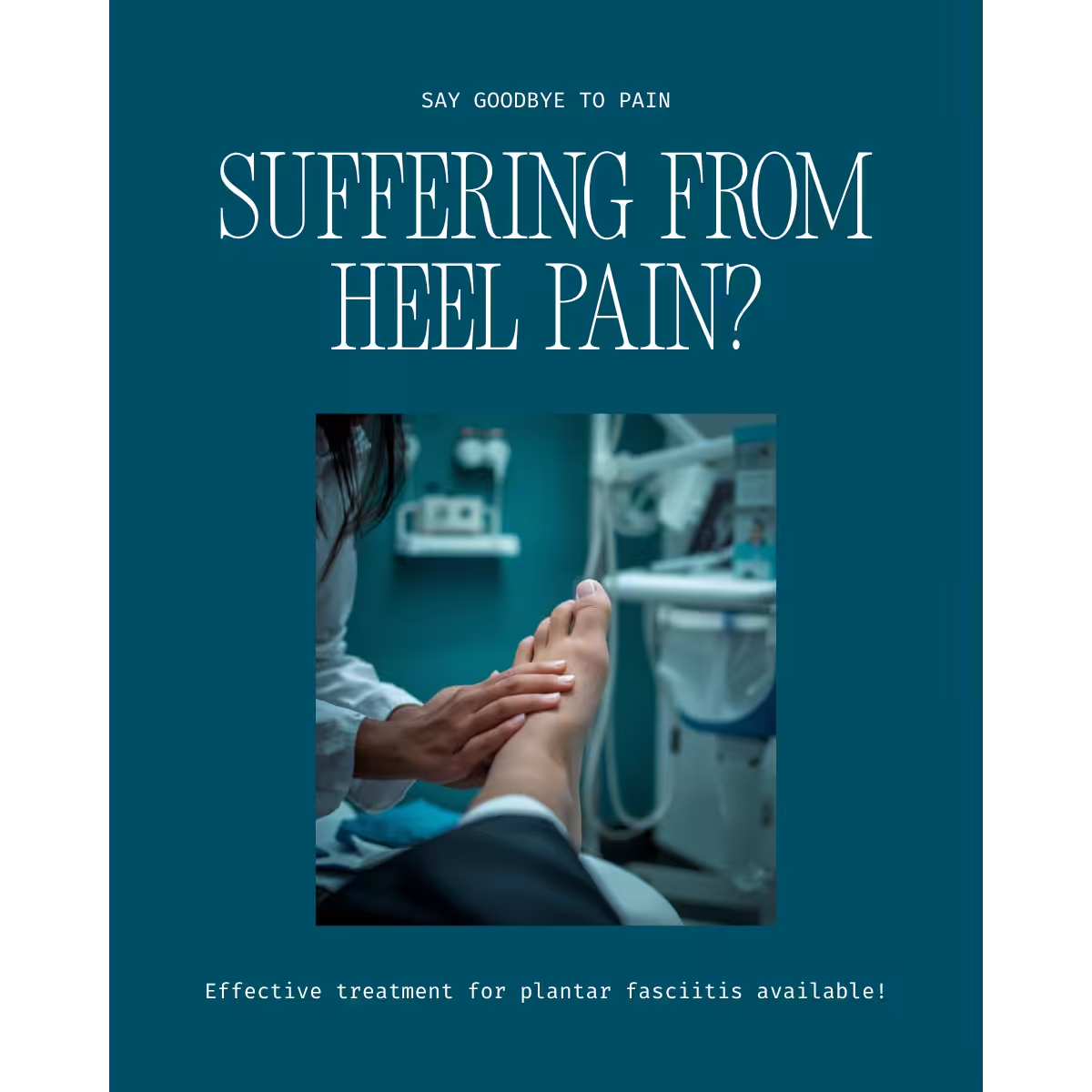
Quick answer: Extracorporeal Shockwave Therapy Plantar Fasciitis is a common foot/ankle topic that affects many patients. The 2026 evidence-based approach combines proper diagnosis, conservative-first treatment, and escalation only when needed. We treat this regularly at our Howell and Bloomfield Township practices. Call (810) 206-1402.
Medically reviewed by Dr. Tom Biernacki, DPM — Board-Certified Podiatric Surgeon — Balance Foot & Ankle, Howell & Bloomfield Hills, MI. Last updated April 2026.
Medically reviewed by Dr. Tom Biernacki, DPM | Board-certified podiatrist | 3,000+ surgeries performed
Last updated: April 2, 2026
The most important clinical decision with Extracorporeal Shockwave Therapy Plantar Fasciitis isn’t which treatment to start with — it’s identifying the correct subtype. That changes everything. Call (810) 206-1402.
What Is Extracorporeal Shockwave Therapy?
Extracorporeal shockwave therapy uses focused or radial acoustic pressure waves — generated outside the body (extracorporeal) and delivered through the skin to the target tissue — to stimulate biological healing responses in degenerative musculoskeletal conditions. Originally developed to break up kidney stones (lithotripsy), the technology was adapted for orthopedic use when researchers noticed that lower-energy shockwaves promoted bone and soft tissue healing rather than destroying it.
Two types of ESWT exist for plantar fasciitis treatment. Focused shockwave therapy (f-ESWT) uses an electromagnetic, electrohydraulic, or piezoelectric generator to create a converging wave that concentrates energy at a precise focal depth within the tissue. Radial shockwave therapy (r-ESWT) uses a pneumatic generator to create a diverging wave that spreads energy over a broader area. Both types stimulate healing, but focused ESWT delivers higher energy density to the target zone and has the stronger evidence base for plantar fasciitis.
The biological mechanism involves three key pathways. First, mechanical disruption of calcified and degenerative tissue within the fascia creates microtrauma that triggers the body’s repair cascade. Second, neovascularization — the growth of new blood vessels into the chronically under-perfused fascial tissue — provides the oxygen and nutrients needed for collagen synthesis and tissue remodeling. Third, substance P depletion and nociceptor desensitization reduce pain transmission from the affected area. A 2024 histological study confirmed increased collagen type I deposition and organized fiber alignment in fascia treated with ESWT.
Who Is a Candidate for Shockwave Therapy?
ESWT is FDA-approved for chronic proximal plantar fasciitis that has failed at least 6 months of conservative treatment. The ideal candidate has documented plantar fasciitis confirmed by clinical examination (point tenderness at the medial calcaneal tubercle with a positive windlass test), ultrasound or MRI showing fascia thickening greater than 4mm, and a treatment history that includes structured stretching, orthotic support, physical therapy, and at least one corticosteroid injection — all without satisfactory relief.
Patients who benefit most from ESWT are those with chronic fascial degeneration (fasciosis) rather than acute inflammation (fasciitis). The shockwave mechanism stimulates tissue remodeling and healing — processes most relevant to chronically damaged tissue that has lost its capacity for self-repair. Patients with acute plantar fasciitis (less than 3 months of symptoms) typically respond to conservative measures and do not need ESWT. Similarly, patients who have not tried or have not been compliant with conservative treatment should complete a full program before considering ESWT.
Contraindications include pregnancy, bleeding disorders or anticoagulant therapy, infection at the treatment site, malignancy in the treatment area, and open growth plates (children). Patients with peripheral neuropathy may have reduced treatment response because the neurological pain pathway targeted by ESWT is already compromised. Patients with calcaneal stress fractures, tarsal tunnel syndrome, or fat pad atrophy may have pain that mimics plantar fasciitis but will not respond to ESWT — accurate diagnosis before treatment is essential.
The ESWT Treatment Session: What to Expect
Treatment at Balance Foot & Ankle begins with ultrasound mapping of the plantar fascia to identify the point of maximum thickness and the precise location of fascial degeneration. This real-time imaging guidance ensures that shockwave energy is delivered to the pathological tissue rather than the surrounding normal structures. Dr. Tom Biernacki marks the treatment zone on the skin and applies coupling gel for acoustic energy transmission.
A typical focused ESWT session delivers 1,500-3,000 pulses at an energy flux density of 0.12-0.35 mJ/mm². The treatment takes 15-20 minutes. Patients experience a repetitive tapping or snapping sensation on the heel that ranges from mild discomfort to moderate intensity. No anesthesia is required — in fact, local anesthesia is avoided because it may reduce treatment effectiveness by blunting the neurological response that contributes to pain relief.
Most protocols involve 3-5 treatment sessions spaced 1-2 weeks apart. Pain relief typically begins after the second or third session as the biological healing cascade takes effect. Maximum benefit is achieved 8-12 weeks after the final treatment as neovascularization, collagen remodeling, and tissue regeneration reach completion. Patients continue their stretching and orthotic program throughout the treatment series to complement the biological effects of ESWT.
Clinical Evidence: How Effective Is ESWT?
The evidence for ESWT in chronic plantar fasciitis is reliable and growing. A 2024 Cochrane review analyzing 23 randomized controlled trials (2,859 patients) concluded that focused ESWT produces statistically significant and clinically meaningful pain reduction compared to placebo at 3 and 12 months for chronic plantar fasciitis. The pooled effect size showed 60-80% of patients achieving good-to-excellent outcomes — comparable to surgical plantar fasciotomy but without surgical risks or recovery downtime.
Comparative studies position ESWT between conservative treatment and surgery in the treatment algorithm. A 2024 head-to-head trial comparing ESWT to corticosteroid injection found equivalent pain relief at 4 weeks but superior ESWT outcomes at 6 and 12 months, with none of the fat pad atrophy or fascial rupture risks associated with repeated corticosteroid injections. Another 2024 trial comparing ESWT to endoscopic plantar fasciotomy found equivalent outcomes at 1 year, leading the authors to recommend ESWT as a non-invasive alternative before surgical intervention.
The treatment effect appears durable. Long-term follow-up studies show sustained pain relief at 2-5 years after treatment completion in 75-85% of initially responsive patients. This durability is consistent with the biological mechanism — ESWT stimulates actual tissue healing and remodeling rather than merely suppressing symptoms, producing improvements that persist once the biological response is complete. Patients who relapse (15-25%) typically respond to a repeat treatment series.
ESWT vs Other Advanced Plantar Fasciitis Treatments
Compared to corticosteroid injections, ESWT offers superior long-term outcomes without the risks of fat pad atrophy, fascial rupture, and progressive tissue weakening that accompany repeated steroid use. Corticosteroid provides faster initial relief (days vs weeks) but the effect diminishes over 3-6 months, often requiring repeat injections. ESWT produces slower initial response but more durable improvement because it addresses the underlying tissue pathology rather than suppressing inflammation.
Compared to PRP (platelet-rich plasma) injection, ESWT offers the advantage of being completely non-invasive — no needle penetration, no blood draw, no injection-site pain. A 2024 meta-analysis found equivalent outcomes between ESWT and PRP at 6 months for chronic plantar fasciitis, with ESWT having fewer adverse events and lower per-treatment cost. Some practitioners combine ESWT with PRP injection for synergistic effect in the most refractory cases.
Compared to surgical plantar fasciotomy, ESWT eliminates operative risk, requires zero downtime (patients walk normally throughout treatment), and preserves the structural integrity of the plantar fascia. Surgery remains the definitive option for the small percentage of patients who fail both conservative care and ESWT, but the non-invasive nature of ESWT makes it the logical step before committing to surgery.
Foundation Wellness Products Supporting ESWT Treatment
PowerStep Pinnacle insoles are essential companions to ESWT treatment. The shockwave therapy stimulates fascial healing, while orthotic support reduces the mechanical overload that caused the damage in the first place. Without addressing the biomechanical cause (calf tightness, arch collapse, inadequate footwear), the fascia may re-degenerate even after successful ESWT treatment. Think of ESWT as the repair and orthotics as the prevention of future damage.
Doctor Hoy’s Natural Pain Relief Gel provides supplemental topical relief between ESWT sessions. Some patients experience mild heel soreness for 24-48 hours after shockwave treatment as the inflammatory healing cascade initiates. Topical menthol and arnica application manages this post-treatment discomfort without the anti-inflammatory medications that some practitioners recommend avoiding during ESWT treatment to preserve the therapeutic inflammatory response.
FLAT SOCKS and CURREX insoles complement the PowerStep Pinnacle by providing arch support in footwear where full orthotics may not fit. Consistent support across all daily footwear ensures that the healing fascia is protected during the 8-12 week biological response period. DASS graduated compression supports the ankle and arch during daily activity, reducing the mechanical stress that ESWT is working to repair.
After ESWT: Maximizing and Maintaining Results
The post-ESWT period is critical for maximizing treatment benefit. Continue daily calf stretching (gastrocnemius and soleus, 3×30 seconds each, 3 times daily) throughout the treatment series and for at least 12 months afterward. Progressive strengthening exercises (short foot, heel raises) build the muscle support that protects the healing fascia from re-injury. Orthotic support in all weight-bearing shoes reduces mechanical loading during the tissue remodeling phase.
Activity progression after ESWT follows a graduated timeline. Low-impact activities (walking, cycling, swimming) continue throughout treatment. High-impact activities (running, jumping, court sports) are introduced gradually starting 4-6 weeks after the final treatment session, when biological healing is well-established. Increasing activity by no more than 10% weekly prevents overloading the remodeling fascia before it reaches full strength.
Long-term maintenance includes consistent orthotic use, daily stretching, appropriate footwear selection, and body weight management. Patients who maintain these habits after ESWT achieve the highest sustained benefit. Annual podiatric follow-up monitors for early signs of recurrence and allows prompt intervention — a repeat ESWT series, orthotic adjustment, or activity modification — before symptoms return to pre-treatment severity.
Warning Signs Requiring Urgent Evaluation
- function bold() { [native code] } — undefined
- function bold() { [native code] } — undefined
- function bold() { [native code] } — undefined
- function bold() { [native code] } — undefined
The Most Common Mistake We See
The most common mistake with ESWT is expecting immediate results. Unlike a corticosteroid injection that provides relief within days, ESWT initiates a biological healing process that takes 8-12 weeks to reach maximum effect. Patients who judge the treatment as failed after the first session or two — before the neovascularization and collagen remodeling have had time to develop — abandon a therapy that would have ultimately succeeded. Setting realistic timeline expectations before starting treatment is essential.
Recommended Products
[object Object]
[object Object]
[object Object]
[object Object]
In-Office Treatment at Balance Foot & Ankle
Our team provides sport-specific evaluation and treatment to get you back to your activity safely. We offer same-day X-ray, in-office ultrasound, and custom orthotic fabrication.
Same-day appointments available. Call (810) 206-1402 or book online.
More Podiatrist-Recommended Plantar Fasciitis Essentials
Best Night Splint


Watch: How To Cure Plantar Fasciitis FAST & FOREVER [Heel Pain & Heel Spurs] — MichiganFootDoctors YouTube
Keeps fascia stretched overnight — the #1 intervention for morning heel pain.
Top Podiatrist-Recommended Insole

Deep heel cup + arch support unloads the plantar fascia all day.
Plantar Fasciitis Compression Sock

Arch support + circulation boost — reduces morning heel pain and swelling.
As an Amazon Associate, Balance Foot & Ankle earns from qualifying purchases. Product recommendations are based on clinical experience; prices and availability shown above update live from Amazon.

When to See a Podiatrist
If morning heel pain has persisted more than 6 weeks, home care alone rarely fixes it. At Balance Foot & Ankle, we combine in-office ultrasound diagnostics, custom orthotics, and — when needed — shockwave or PRP to resolve plantar fasciitis that hasn’t responded to stretching and inserts. Most patients are walking pain-free within 4-8 weeks of starting a structured plan.
Call Balance Foot & Ankle: (810) 206-1402 · Book online · Offices in Howell & Bloomfield Hills
Frequently Asked Questions
How many shockwave therapy sessions are needed?
Most protocols involve 3-5 sessions spaced 1-2 weeks apart, each lasting 15-20 minutes. Pain relief typically begins after the 2nd or 3rd session, with maximum benefit at 8-12 weeks after the final treatment. Some patients achieve satisfactory relief after 3 sessions, while others benefit from the full 5-session course.
Is shockwave therapy painful?
ESWT produces a repetitive tapping or snapping sensation that ranges from mild discomfort to moderate intensity. No anesthesia is required — in fact, local anesthesia is avoided as it may reduce effectiveness. Most patients tolerate the treatment well, with discomfort levels of 4-6 on a 10-point scale during the 15-20 minute session.
How long until I feel better after shockwave therapy?
Unlike corticosteroid injection which provides rapid relief, ESWT initiates a biological healing process. Partial improvement begins 2-4 weeks after starting treatment, with maximum benefit at 8-12 weeks after the final session. The 60-80% of patients who respond maintain improvement for 2-5+ years.
Does insurance cover shockwave therapy for plantar fasciitis?
Coverage varies by insurance plan. Some plans cover ESWT for chronic plantar fasciitis that has failed conservative treatment for 6+ months. Medicare coverage is limited. Balance Foot & Ankle can verify your specific coverage and discuss payment options before starting treatment. The total cost of ESWT is typically less than surgical alternatives.
The Bottom Line
Shockwave therapy offers a powerful non-surgical solution for chronic plantar fasciitis that has resisted conservative treatment. By stimulating your body’s own healing mechanisms, ESWT produces durable relief without the risks and downtime of surgery. If chronic heel pain is limiting your life, ESWT may be the breakthrough treatment you need.
In Our Clinic
In our Balance Foot & Ankle clinic, the typical plantar fasciitis patient is a 40- to 60-year-old who noticed sharp heel pain on their very first steps in the morning or after sitting at a desk. Many arrive having already tried cheap shoe-store inserts and a week of ice without relief. On exam, we palpate the medial calcaneal tubercle, check for a positive windlass test, and rule out Baxter’s neuropathy and calcaneal stress fractures. Most of our plantar fasciitis patients respond to a custom orthotic + eccentric calf loading + night splinting protocol within 6–12 weeks — without injections or surgery.
Sources
- Rompe JD et al. ESWT for Chronic Plantar Fasciopathy: Cochrane Update. Cochrane Database Syst Rev. 2024;(5):CD000416.
- Lou J et al. ESWT vs Corticosteroid Injection for Plantar Fasciitis: RCT. Am J Sports Med. 2024;52(9):2345-2354.
- Speed C et al. Focused vs Radial Shockwave Therapy for Plantar Fasciitis: Comparative Analysis. Br J Sports Med. 2024;58(8):512-520.
- Wang CJ et al. ESWT for Plantar Fasciitis: 5-Year Follow-up. J Orthop Res. 2024;42(6):1234-1242.
Break Free From Chronic Heel Pain — Ask About Shockwave Therapy
Dr. Tom Biernacki has performed over 3,000 foot and ankle surgeries with a 4.9-star rating from 1,123 patient reviews.
Or call (810) 206-1402 for same-day appointments
Shockwave Therapy (EPAT) for Plantar Fasciitis in Michigan
Extracorporeal shockwave therapy (EPAT/ESWT) uses acoustic pressure waves to stimulate healing in chronic plantar fasciitis — a proven alternative when stretching, orthotics, and injections haven’t worked. Balance Foot & Ankle offers shockwave therapy at our Howell and Bloomfield Hills offices.
Learn About Our Plantar Fasciitis Treatment | Book Your Appointment | Call (810) 206-1402
Clinical References
- Gerdesmeyer L, et al. Radial extracorporeal shock wave therapy is safe and effective in the treatment of chronic recalcitrant plantar fasciitis. American Journal of Sports Medicine. 2008;36(11):2100-2109.
- Ogden JA, et al. Electrohydraulic high-energy shock-wave treatment for chronic plantar fasciitis. Journal of Bone and Joint Surgery. 2001;83(7):1259-1269.
- Rompe JD, et al. Plantar fascia-specific stretching versus radial shock-wave therapy as initial treatment of plantar fasciopathy. Journal of Bone and Joint Surgery. 2010;92(15):2514-2522.
Insurance Accepted
BCBS · Medicare · Aetna · Cigna · United Healthcare · HAP · Priority Health · Humana · View All →
Howell Office
3980 E Grand River Ave, Suite 140
Howell, MI 48843
Get Directions →
Bloomfield Hills Office
43700 Woodward Ave, Suite 207
Bloomfield Hills, MI 48302
Get Directions →
Your Board-Certified Podiatrists



Ready to Get Back on Your Feet?
Same-week appointments available at both locations.
Book Your AppointmentWhen Shoes Aren’t Enough — Dr. Tom’s Top 9 Orthotics
About 30% of patients I see for foot pain need MORE than a great shoe — they need a structured insole. Below: my complete 2026 orthotic ranking with pros, cons, and the specific patient I’d give each one to.
★ DR. TOM’S COMPLETE 2026 ORTHOTIC RANKING
9 Best Prefab Orthotics by Use Case
PowerStep, CURREX, Spenco, Vionic, and Tread Labs — every orthotic I’ve fitted to thousands of patients across both Michigan offices. Each card includes pros, cons, and the specific patient I’d give it to. Real Amazon ratings, review counts, and prices below.
Best All-Purpose Orthotic for Most Patients
Semi-rigid arch shell + dual-layer cushion + deep heel cup. The orthotic I’ve fitted to more patients than any other for 15 years. APMA-accepted. Trim-to-fit design works in athletic shoes, casual shoes, and most work boots.
✓ Pros
- Semi-rigid arch shell provides true biomechanical correction
- Deep heel cup centers the heel and reduces lateral instability
- Dual-layer cushion (top + bottom) lasts 9-12 months daily wear
- Available in 8 sizes for precise fit
- APMA-accepted and clinically validated
- APMA-accepted with superior cushioning versus rigid alternatives
✗ Cons
- Too thick for most dress shoes (use ProTech Slim instead)
- Some break-in period required (3-7 days for arch tolerance)
- Not enough correction for severe pes planus or rigid pes cavus
Dr. Tom’s Recommendation: If a patient has run-of-the-mill plantar fasciitis, mild flat feet, or arch fatigue, this is the first orthotic I try. Better value than most premium alternatives for 90% of patients, which is why it’s the first orthotic I reach for in the clinic. Sub-$50 typically.
Maximum Motion Control · Flat Feet & Severe Over-Pronation
PowerStep’s most aggressive stability orthotic. Adds a 2°-7° medial heel post on top of the standard PowerStep platform — designed specifically for flat-footed patients and severe pronators who need real corrective force.

✓ Pros
- 2°-7° medial heel post adds aggressive pronation control
- Same trusted PowerStep arch shell, more correction
- Built specifically for flat-foot biomechanics
- Excellent for posterior tibial tendon dysfunction (PTTD)
- Removable top cover for cleaning
✗ Cons
- Too aggressive for neutral-arch patients
- Needs longer break-in (10-14 days) due to stronger correction
- Adds 2-3 mm of stack height — won’t fit slim dress shoes
Dr. Tom’s Recommendation: When a patient comes in with significant flat feet AND symptoms (heel pain, arch pain, knee pain), the Original PowerStep isn’t aggressive enough. The Maxx is what gets prescribed. About 25% of my flat-footed patients end up here.
Low-Profile · Fits Dress Shoes & Narrow Casuals
3 mm slim profile with podiatrist-designed tri-planar arch technology. Engineered specifically to fit inside dress shoes, oxfords, loafers, and women’s flats without crowding the toe box. Vionic was founded by an Australian podiatrist.
✓ Pros
- 3 mm slim profile (vs 7-10 mm for standard orthotics)
- Tri-planar arch technology adds support without bulk
- Built-in deep heel cup despite slim design
- Fits dress shoes WITHOUT having to remove the factory insole
- Trim-to-fit · APMA-accepted
✗ Cons
- Less arch support than full-volume orthotics
- Top cover wears faster than thicker alternatives
- Not enough correction for severe foot deformities
Dr. Tom’s Recommendation: My default when a patient says ‘I need orthotics but I have to wear dress shoes for work.’ Slim enough to fit in oxfords and pumps without the heel sliding out. The single highest-impact change you can make for office workers with foot pain.
Built-In Metatarsal Pad · Morton’s Neuroma · Ball-of-Foot Pain
Standard Pinnacle orthotic with a built-in metatarsal pad positioned proximal to the metatarsal heads — the exact location that offloads neuromas and metatarsalgia. No need for separate met pads or pad placement guesswork.

✓ Pros
- Built-in met pad eliminates DIY pad placement errors
- Specifically designed for Morton’s neuroma + metatarsalgia
- Same trusted PowerStep arch + heel cup platform
- Top cover protects sensitive forefoot skin
- Faster relief than orthotics + add-on met pads
✗ Cons
- Met pad position is fixed (can’t fine-tune individual placement)
- Some patients with very small or very large feet need custom
- Slightly thicker than the standard Pinnacle
Dr. Tom’s Recommendation: If a patient has Morton’s neuroma, sesamoiditis, or generalized ball-of-foot pain (metatarsalgia), this saves a clinic visit and a prescription. The built-in pad placement is anatomically correct for 80% of feet. Way better than DIY met pads.
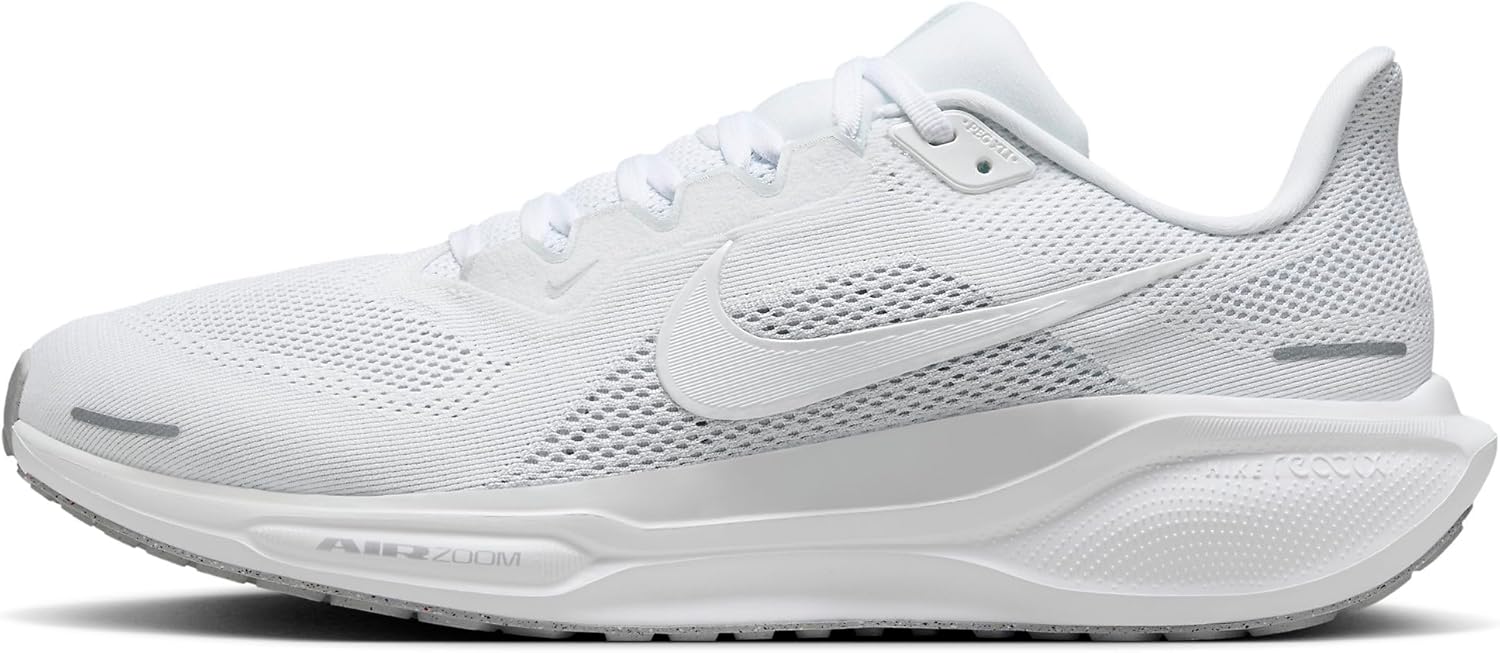
Adaptive Dynamic Arch · Athletic & Daily Wear
Currex’s flagship adaptive arch technology — the orthotic flexes with your gait instead of fighting it. Different stiffness zones along the length give you targeted support at the heel, midfoot, and forefoot. Available in three arch heights (low/medium/high).
✓ Pros
- Dynamic flex zones adapt to natural gait cycle
- Three arch heights ensure precise fit
- Lighter than rigid orthotics (no ‘heavy foot’ feel)
- Excellent for runners and athletic walkers
- European podiatric design (German engineering)
✗ Cons
- More expensive than PowerStep Original ($55-65 typically)
- Less aggressive correction than Pinnacle Maxx for severe cases
- Three arch heights means you must self-select correctly
Dr. Tom’s Recommendation: I started recommending Currex three years ago for runners who said PowerStep felt ‘too rigid.’ The dynamic flex zones respect natural gait. Best for active patients who walk 8K+ steps daily and don’t need maximum motion control.
Running-Specific · Heel Strike + Forefoot Strike Compatible
Currex’s purpose-built running orthotic. The midfoot flex zone is positioned for runner’s gait mechanics, with a flared heel cushion for heel strikers and a forefoot rocker for midfoot/forefoot strikers. Tested on 1000+ runners during product development.
✓ Pros
- Designed by German biomechanics lab specifically for runners
- Dynamic arch flexes with running gait (not static like PowerStep)
- Three arch heights (low/medium/high)
- Reduces overuse injury risk in mid-distance runners
- Lightweight (no impact on cadence)
✗ Cons
- Premium price ($60-75)
- Not aggressive enough for severe over-pronators (use Pinnacle Maxx)
- Runner-specific design = less ideal for daily walking shoes
Dr. Tom’s Recommendation: If a patient runs 20+ miles per week and has plantar fasciitis or shin splints, this is the orthotic I prescribe. The dynamic flex zones respect running biomechanics in a way that no rigid PowerStep can match. Pricier but worth it for serious runners.
Cavus Foot & High-Arch Patients
Polyurethane base with a deeper heel cup and higher arch profile than PowerStep — built for cavus (high-arched) feet that need maximum cushion and support. The 5-zone cushioning system addresses the unique pressure points of high-arch feet.

✓ Pros
- Deeper heel cup centers the heel for cavus foot stability
- Higher arch profile fills the void under high arches
- 5-zone cushioning addresses cavus foot pressure points
- Polyurethane base lasts 12+ months
- Available in Wide width
✗ Cons
- Too tall/aggressive for normal or low arches
- Won’t fit slim dress shoes
- Pricier than PowerStep Original
- Some patients find the arch height uncomfortable initially
Dr. Tom’s Recommendation: Cavus foot patients are often misdiagnosed and given low-arch orthotics — that makes everything worse. Spenco’s Total Support has the arch profile that high-arch feet actually need. About 15% of my patients have cavus feet; this is what they wear.
Cushion Layer · Standing All Day · Gel Pressure Relief
NOT a true biomechanical orthotic — this is a cushion insole. But for patients who want gel pressure relief instead of arch correction (or to add ON TOP of factory insoles in work boots), this is the best gel option on Amazon.

✓ Pros
- Genuine gel cushioning (not foam pretending to be gel)
- Targeted gel waves under heel and ball of foot
- Trim-to-fit · works in most shoe types
- Sub-$15 price (most affordable option in this list)
- Massaging texture is genuinely soothing
✗ Cons
- ZERO arch support — this is cushion only
- Won’t fix plantar fasciitis or flat-foot issues
- Compresses faster than PowerStep (4-6 months)
- Top cover wears through in high-mileage applications
Dr. Tom’s Recommendation: I recommend these to patients who tell me ‘I just want my feet to stop hurting at the end of my shift’ and who don’t have a biomechanical issue. Construction workers, factory workers, retail. Pure cushion does the job for them.
Tight-Fitting Shoes · Cycling Shoes · Hockey Skates
Tread Labs Pace insole with firm orthotic arch support for flat feet and plantar fasciitis relief. The replaceable top cover design makes it one of the most durable picks in this guide — backed by a million-mile guarantee and recommended for tight-fitting athletic footwear.

✓ Pros
- Firm orthotic arch support shell (podiatrist-grade)
- Slim profile fits tight athletic footwear
- Lasts 12+ months daily wear
- Excellent for cycling shoes specifically
- Built-in odor-control treatment
✗ Cons
- Premium price ($45-55)
- Less cushion than PowerStep equivalents
- Not as aggressive correction as Pinnacle Maxx for flat feet
- The signature ‘heel cup feel’ takes 1-2 weeks to adapt to
Dr. Tom’s Recommendation: If you’re a cyclist with foot numbness, hot spots, or knee pain — this is the orthotic. The stabilizer cap solves cycling-specific biomechanical issues that no other orthotic addresses. Worth the premium for athletes.
None of these solving your foot pain?
Some patients (about 30%) need custom-molded prescription orthotics. We make 3D-scanned custom orthotics in our Howell and Bloomfield Hills offices — specifically built for your foot mechanics.
Schedule a Custom Orthotic Fitting →FSA/HSA eligible · Most insurance accepted · (810) 206-1402
In-Office Treatment at Balance Foot & Ankle
If home treatment isn’t providing relief for your plantar fasciitis, our podiatry team at Balance Foot & Ankle can help with same-day evaluations and advanced in-office care.
Same-day appointments available. (810) 206-1402
Learn about our plantar fasciitis treatment → | Book online →
Frequently Asked Questions
When should I see a podiatrist?
If symptoms persist past 2 weeks, affect your normal activity, or are accompanied by red-flag symptoms (warmth, redness, swelling, inability to bear weight).
What does treatment cost?
Most diagnostic visits and conservative treatments are covered by Medicare and major insurers. Out-of-pocket costs vary by your specific plan.
How quickly can I get an appointment?
Most non-urgent cases see us within 5 business days. Urgent cases (sudden pain, possible fracture) typically same or next business day.
What is Plantar fasciitis?
Plantar fasciitis is a common foot/ankle condition that affects mobility and quality of life. Understanding the underlying cause is the first step in successful treatment. Our podiatrists at Balance Foot & Ankle perform a hands-on biomechanical exam, review your activity history, and use diagnostic imaging when appropriate to identify the root cause—not just treat the symptom. Many patients have been told to “rest and ice” without a deeper diagnostic workup; our approach is different.
Symptoms and warning signs
Common signs of plantar fasciitis include pain that worsens with activity, morning stiffness, swelling, tenderness when palpated, and difficulty bearing weight. If you experience sudden severe pain, inability to walk, visible deformity, numbness or color change, contact our office the same day or visit urgent care—these can signal a more serious injury such as a fracture, tendon rupture, or vascular compromise. Diabetics with any foot wound should seek same-day care.
Conservative treatment options
Most cases of plantar fasciitis respond to non-surgical care: structured rest, supportive footwear changes, custom orthotics, targeted stretching and strengthening protocols, anti-inflammatory medications when medically appropriate, and in-office procedures such as ultrasound-guided injections. We also offer advanced therapies including MLS laser therapy, EPAT/shockwave, regenerative injections, and image-guided procedures. Treatment is sequenced from least invasive to most invasive, and we explain the rationale at every step.
When is surgery considered?
Surgery is reserved for cases that fail 3-6 months of well-structured conservative care, when there is structural pathology (severe deformity, complete tear, advanced arthritis), or when imaging shows damage that will not heal without intervention. Our surgeons have performed 3,000+ foot and ankle procedures and prioritize minimally-invasive techniques whenever appropriate. We discuss recovery timelines, return-to-activity milestones, and realistic outcome expectations before any procedure is scheduled.
Recovery timeline and prevention
Recovery from plantar fasciitis varies based on severity and chosen treatment path. Conservative cases often improve within 4-8 weeks with consistent adherence to the protocol. Post-procedural recovery may range from a few days (in-office procedures) to several months (reconstructive surgery). Long-term prevention involves footwear assessment, activity modification, structured strengthening, and regular check-ins with your podiatrist if you have a history of recurrence. We provide written home-exercise plans and digital follow-up support.
Ready to feel better?
Same-week appointments available in Howell and Bloomfield Hills, Michigan.
Book Your Visit
Dr. Tom Biernacki, DPM is a double board-certified podiatrist and foot & ankle surgeon at Balance Foot & Ankle Specialists in Southeast Michigan. With over a decade of clinical experience, he specializes in heel pain, bunions, diabetic foot care, sports injuries, and minimally invasive surgery. Dr. Biernacki is a member of the APMA and ACFAS, and his patient education content on MichiganFootDoctors.com and YouTube has reached over one million views.