

Quick answer: Treatment for foot odor causes treatment bromhidrosis follows a stepwise approach: 1) conservative care first (rest, ice, supportive footwear, OTC anti-inflammatories), 2) physical therapy and targeted exercises, 3) in-office treatments (injections, custom orthotics) if conservative fails at 4-6 weeks, 4) surgery for refractory cases. Most patients resolve at step 1 or 2. Call (810) 206-1402.
Medically reviewed by Dr. Tom Biernacki, DPM — Board-Certified Podiatric Surgeon — Balance Foot & Ankle, Howell & Bloomfield Hills, MI. Last updated April 2026.
Medically reviewed by Dr. Tom Biernacki, DPM | Board-certified podiatrist | 3,000+ surgeries performed
Last updated: April 2, 2026
The most important clinical decision with Foot Odor Causes Treatment Bromhidrosis isn’t which treatment to start with — it’s identifying the correct subtype. That changes everything. Call (810) 206-1402.
What Causes Smelly Feet: The Science of Foot Odor
Foot odor is not caused by sweat itself — fresh sweat is virtually odorless. The smell develops when skin bacteria, particularly Staphylococcus epidermidis, Corynebacterium species, and Brevibacterium linens, metabolize sweat components and dead skin cells. These bacteria produce isovaleric acid, methanethiol, and other volatile organic compounds responsible for the characteristic pungent smell.
The feet are uniquely susceptible to odor because they contain the highest concentration of eccrine sweat glands in the body — approximately 125,000 per foot. Enclosed in shoes and socks for most of the day, feet create a warm, dark, moist environment (occluded microclimate) where bacterial populations thrive. The average foot produces about half a pint of moisture daily.
Hormonal changes during puberty, pregnancy, and menopause can amplify sweat production. Stress and anxiety activate the sympathetic nervous system, triggering additional sweat from both eccrine and apocrine glands. Certain medications including antidepressants, hormonal therapies, and some blood pressure medications can worsen hyperhidrosis as a side effect.
Hyperhidrosis: When Excessive Foot Sweating Becomes a Medical Condition
Primary plantar hyperhidrosis is excessive foot sweating that goes beyond what is needed for temperature regulation. Affecting approximately 3% of the population, it often begins in adolescence and has a strong genetic component. Patients with plantar hyperhidrosis may soak through socks within hours, slip in sandals, and leave wet footprints on floors.
Secondary hyperhidrosis results from an underlying condition — thyroid dysfunction, diabetes, neurological disorders, infections, or medication side effects. If excessive sweating develops suddenly in adulthood or is accompanied by night sweats, weight loss, or other systemic symptoms, medical evaluation for underlying causes is warranted.
Dr. Tom Biernacki evaluates excessive foot sweating by assessing the pattern, severity, and impact on daily activities. The Minor starch-iodine test can map sweat production across the sole of the foot. Treatment is escalated based on severity, from topical antiperspirants to prescription medications to advanced therapies like iontophoresis.
Medical-Grade Treatment Options for Chronic Foot Odor
First-line treatment combines daily foot hygiene with aluminum chloride hexahydrate antiperspirant (20% concentration) applied to dry feet at bedtime. This prescription-strength antiperspirant physically blocks sweat gland ducts and reduces moisture that feeds odor-producing bacteria. Over-the-counter antiperspirants containing 12-15% aluminum chloride are a good starting point.
Antibacterial washes containing benzoyl peroxide (5-10%) or chlorhexidine reduce bacterial colony counts on the foot surface. Apply for 60 seconds during showering, focusing on the soles and between toes. Tea tree oil and zinc-based washes provide milder antibacterial effects for patients with sensitive skin.
For moderate-to-severe cases, iontophoresis uses a low-level electrical current delivered through water to temporarily shut down sweat glands. Treatment sessions of 20-30 minutes are performed three to four times weekly initially, then reduced to a maintenance schedule. Success rates range from 80-90% for plantar hyperhidrosis. Botulinum toxin (Botox) injection into the soles provides four to nine months of sweat reduction per treatment session.
Footwear and Sock Strategies That Actually Work
Sock selection has the greatest day-to-day impact on foot odor management. Moisture-wicking synthetic fibers (polyester, nylon blends) and merino wool transport sweat away from the skin surface far more effectively than cotton. Cotton socks absorb moisture but hold it against the skin, creating a bacterial breeding ground. Copper-infused and silver-impregnated socks add antimicrobial properties.
Shoe rotation is essential — never wear the same pair of shoes on consecutive days. Shoes need 24-48 hours to fully dry between wearings. Using cedar shoe trees absorbs residual moisture and provides natural antimicrobial properties. Removable insoles that can be air-dried or replaced regularly prevent bacterial buildup within the shoe.
Breathable shoe materials (leather, canvas, mesh) allow moisture to evaporate rather than accumulate. Avoid plastic-lined or fully synthetic shoes for extended wear. At work, keep a separate pair of clean, dry shoes to change into if morning shoes become damp. UV shoe sanitizers and ozone generators can sterilize shoes overnight.
When Foot Odor Signals a Deeper Problem
Sudden onset of unusually strong or foul foot odor can indicate fungal infection (tinea pedis), bacterial infection (erythrasma, pitted keratolysis), or metabolic conditions. Pitted keratolysis — a bacterial infection causing characteristic small pits or craters on the soles — produces a particularly intense smell and requires prescription antibiotic treatment.
A fishy or ammonia-like odor may suggest trimethylaminuria (fish odor syndrome), a rare metabolic disorder. Sweet or fruity foot odor in a diabetic patient may indicate poor glucose control. Green discoloration with odor suggests Pseudomonas bacterial colonization, which requires specific antibiotic treatment.
Patients with diabetes need particular attention to foot odor changes, as bacterial infections can progress rapidly due to impaired immune response and reduced blood flow. Any new odor accompanied by skin breakdown, drainage, redness, or warmth warrants prompt podiatric evaluation to rule out developing infection.
Daily Foot Odor Prevention Routine
An effective daily routine takes five minutes and dramatically reduces foot odor. Wash feet thoroughly with antibacterial soap during every shower, ensuring you scrub between toes where bacteria concentrate. Dry feet completely — especially the toe webspaces — before putting on socks. Apply antiperspirant to the soles and between toes at bedtime to maximize overnight penetration.
Use a pumice stone or foot file two to three times per week to remove dead skin buildup on the heels and ball of the foot. Dead skin provides a food source for odor-producing bacteria and traps moisture. Keep toenails trimmed short and clean, as debris under toenails harbors bacteria and fungi.
Alternate between at least two pairs of shoes daily. Insert moisture-absorbing insoles and replace them monthly. Use antifungal powder inside shoes on high-sweat days. For patients with persistent odor despite these measures, Dr. Biernacki creates a plan tailored to your foot type that may include prescription antiperspirants, iontophoresis, or Botox injections.
Warning Signs Requiring Urgent Evaluation
- function bold() { [native code] } — undefined
- function bold() { [native code] } — undefined
- function bold() { [native code] } — undefined
- function bold() { [native code] } — undefined
The Most Common Mistake We See
Many people try to mask foot odor with deodorizing sprays and scented powders rather than addressing the root causes — excess moisture and bacterial overgrowth. Deodorizers temporarily cover the smell but do nothing to reduce sweating or kill bacteria. Medical-grade antiperspirants and antibacterial washes treat the actual problem. Patients who have struggled with foot odor for years are often surprised at how quickly evidence-based treatments produce results when properly implemented.
Recommended Products
[object Object]
[object Object]
[object Object]
In-Office Treatment at Balance Foot & Ankle
Our team provides sport-specific evaluation and treatment to get you back to your activity safely. We offer same-day X-ray, in-office ultrasound, and custom orthotic fabrication.
Same-day appointments available. Call (810) 206-1402 or book online.
More Podiatrist-Recommended Foot Health Essentials
Hoka Clifton 10


Max-cushion everyday shoe — podiatrist favorite for walking and running.

OOFOS Recovery Slide

Impact-absorbing recovery sandal — wear after long days on your feet.
As an Amazon Associate, Balance Foot & Ankle earns from qualifying purchases. Product recommendations are based on clinical experience; prices and availability shown above update live from Amazon.
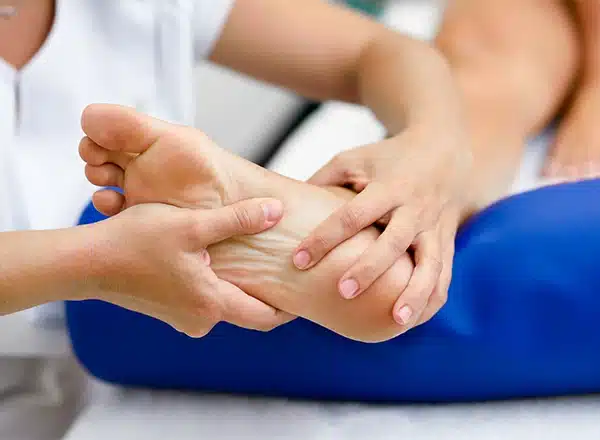
When to See a Podiatrist
If foot or ankle pain has been bothering you for more than a few weeks, home care alone may not be enough. Balance Foot & Ankle offers same-week appointments at our Howell and Bloomfield Hills clinics — no referral needed in most cases. Bring your current shoes and a short list of symptoms and we’ll build you a treatment plan in one visit.
Call Balance Foot & Ankle: (810) 206-1402 · Book online · Offices in Howell & Bloomfield Hills
Frequently Asked Questions
Why do my feet smell so bad even when I wash them every day?
Foot odor persists despite washing because soap alone does not significantly reduce bacterial colony counts in the thick skin of the soles. You need antibacterial washes (benzoyl peroxide or chlorhexidine) to kill odor-producing bacteria, combined with thorough drying and antiperspirant application to reduce the moisture that allows bacteria to thrive between washes.
Can foot odor be a sign of diabetes?
Yes, changes in foot odor can indicate diabetic complications. Poorly controlled blood sugar creates conditions that favor fungal and bacterial infections, which intensify foot odor. A sweet or fruity smell may indicate elevated glucose levels. Any sudden change in foot odor in a diabetic patient should prompt evaluation by a podiatrist.
Does foot odor go away on its own?
Mild foot odor from temporary causes like new shoes or hot weather may resolve independently. However, chronic foot odor caused by hyperhidrosis or bacterial overgrowth typically requires active treatment — it will not improve without targeted intervention. The good news is that evidence-based treatments produce rapid improvement in most patients.
Is foot odor genetic?
Yes, primary hyperhidrosis (excessive sweating) has a strong genetic component, with studies showing up to 65% of patients have a family history of the condition. The composition of your skin microbiome, which affects odor production, is also influenced by genetics. Having a genetic predisposition does not mean the condition cannot be effectively treated.
The Bottom Line
Foot odor is a treatable medical condition, not an inevitable nuisance. By targeting both excessive sweating and bacterial overgrowth with evidence-based strategies, most patients achieve dramatic improvement within two to four weeks. If over-the-counter measures have failed, prescription-strength treatments and advanced therapies like iontophoresis offer highly effective next steps.
In-Office Treatment at Balance Foot & Ankle
If home treatment isn’t providing relief for your foot and ankle conditions, our podiatry team at Balance Foot & Ankle can help with same-day evaluations and advanced in-office care.
Same-day appointments available. (810) 206-1402
Doctor Hoy’s Natural Pain Relief Gel
Natural topical pain relief I use in our clinic. Arnica + camphor formula — apply directly to the area 3–4x daily. ($20–25)
Shop Doctor Hoy’s →Sources
- Lam TH, et al. ‘Pathogenesis and Management of Bromhidrosis: A Comprehensive Review.’ Int J Dermatol. 2024;63(5):612-623.
- Nawrocki S, Cha J. ‘Plantar Hyperhidrosis: Current Treatments and Emerging Therapies.’ Dermatol Clin. 2024;42(3):367-378.
- Patel T, et al. ‘Pitted Keratolysis: Diagnosis and Treatment Update.’ J Am Podiatr Med Assoc. 2025;115(1):44-52.
- Grabell DA, Hebert AA. ‘Current and Emerging Medical Therapies for Primary Hyperhidrosis.’ Dermatol Ther. 2024;14(6):1345-1358.
Get Expert Treatment for Chronic Foot Odor
Dr. Tom Biernacki has performed over 3,000 foot and ankle surgeries with a 4.9-star rating from 1,123 patient reviews.
Or call (810) 206-1402 for same-day appointments
Foot Odor Causes & Treatment
Chronic foot odor is more than an embarrassment — it can indicate hyperhidrosis, fungal infection, or bacterial overgrowth. At Balance Foot & Ankle, we diagnose the underlying cause and offer medical-grade treatments for lasting relief when home remedies haven’t worked.
Learn About Our Skin & Nail Treatment Options → | Book Your Appointment | Call (810) 206-1402
Clinical References
- Sharquie KE, et al. Treatment of foot malodor with topical benzoyl peroxide 10% lotion. Dermatol Ther. 2013;26(2):136-141.
- Vlahovic TC. Plantar hyperhidrosis: an overview. Clin Podiatr Med Surg. 2016;33(3):441-446.
- Pariser DM, et al. Topical glycopyrronium tosylate for the treatment of primary axillary hyperhidrosis. J Am Acad Dermatol. 2019;80(1):128-138.
Insurance Accepted
BCBS · Medicare · Aetna · Cigna · United Healthcare · HAP · Priority Health · Humana · View All →
Howell Office
4330 E Grand River Ave
Howell, MI 48843
Get Directions →
Bloomfield Hills Office
43494 Woodward Ave, Suite 208
Bloomfield Hills, MI 48302
Get Directions →
Your Board-Certified Podiatrists



Ready to Get Back on Your Feet?
Same-week appointments available at both locations.
Book Your AppointmentWatch: Dr. Tom explains
Podiatrist-recommended products
As an Amazon Associate, Dr. Tom earns from qualifying purchases.
Deodorize footwear.
View on Amazon →Reduce sweat in shoes.
View on Amazon →Replace odor-trapping insoles.
View on Amazon →Reduce excessive foot sweating.
View on Amazon →Related resources
Ready to solve this? Book today.
Same-week appointments · Howell & Bloomfield Hills · 4.9★ (1,123+ reviews)
☎ (810) 206-1402Book Online →What is Foot pain?
Foot pain is a common foot/ankle condition that affects mobility and quality of life. Understanding the underlying cause is the first step in successful treatment. Our podiatrists at Balance Foot & Ankle perform a hands-on biomechanical exam, review your activity history, and use diagnostic imaging when appropriate to identify the root cause—not just treat the symptom. Many patients have been told to “rest and ice” without a deeper diagnostic workup; our approach is different.
Symptoms and warning signs
Common signs of foot pain include pain that worsens with activity, morning stiffness, swelling, tenderness when palpated, and difficulty bearing weight. If you experience sudden severe pain, inability to walk, visible deformity, numbness or color change, contact our office the same day or visit urgent care—these can signal a more serious injury such as a fracture, tendon rupture, or vascular compromise. Diabetics with any foot wound should seek same-day care.
Conservative treatment options
Most cases of foot pain respond to non-surgical care: structured rest, supportive footwear changes, custom orthotics, targeted stretching and strengthening protocols, anti-inflammatory medications when medically appropriate, and in-office procedures such as ultrasound-guided injections. We also offer advanced therapies including MLS laser therapy, EPAT/shockwave, regenerative injections, and image-guided procedures. Treatment is sequenced from least invasive to most invasive, and we explain the rationale at every step.
When is surgery considered?
Surgery is reserved for cases that fail 3-6 months of well-structured conservative care, when there is structural pathology (severe deformity, complete tear, advanced arthritis), or when imaging shows damage that will not heal without intervention. Our surgeons have performed 3,000+ foot and ankle procedures and prioritize minimally-invasive techniques whenever appropriate. We discuss recovery timelines, return-to-activity milestones, and realistic outcome expectations before any procedure is scheduled.
Recovery timeline and prevention
Recovery from foot pain varies based on severity and chosen treatment path. Conservative cases often improve within 4-8 weeks with consistent adherence to the protocol. Post-procedural recovery may range from a few days (in-office procedures) to several months (reconstructive surgery). Long-term prevention involves footwear assessment, activity modification, structured strengthening, and regular check-ins with your podiatrist if you have a history of recurrence. We provide written home-exercise plans and digital follow-up support.
Ready to feel better?
Same-week appointments available in Howell and Bloomfield Hills, Michigan.
Book Your VisitGet Expert Care at Balance Foot & Ankle
Same-week appointments at our Howell and Bloomfield Hills offices. Board-certified podiatric surgeons. Most insurance accepted.
Same-Week Appointments in Howell & Bloomfield Hills
Three board-certified podiatric surgeons. 1,123+ five-star reviews. Most insurance accepted.

Dr. Tom Biernacki, DPM is a board-certified foot & ankle surgeon (ABFAS & ABPM) at Balance Foot & Ankle Specialists in Southeast Michigan. With over a decade of clinical experience, he specializes in heel pain, bunions, diabetic foot care, sports injuries, and minimally invasive surgery. Dr. Biernacki is a member of the APMA and ACFAS, and his patient education content on MichiganFootDoctors.com and YouTube has made him one of the most-followed foot & ankle educators on YouTube.