
Medically reviewed by Dr. Tom Biernacki, DPM
Board-certified podiatric surgeon | Balance Foot & Ankle, Howell & Bloomfield Township, MI
Last reviewed: May 2026
| Menstrual Phase | Hormonal Change | Foot Effect | Management |
|---|---|---|---|
| Follicular (Days 1–14) | Estrogen rising; progesterone low | Minimal foot symptoms; best phase for foot comfort | Standard footwear; normal activity |
| Ovulation (Day 14) | LH surge; estrogen peak | Brief ligament laxity peak; ankle stability slightly reduced | Supportive shoes during high-impact activity |
| Luteal (Days 14–28) | Progesterone high; fluid retention | Foot swelling; ligament laxity; increased pain sensitivity | Compression socks; reduce sodium; elevate feet |
| Late luteal / PMS (Days 25–28) | Prostaglandins rising; estrogen falling | Peak foot swelling; inflammation amplification | Looser shoes; ice after activity; NSAID if needed |
| Menstruation (Days 1–5) | Progesterone drops; prostaglandins peak | Swelling resolves; acute systemic inflammation | Hydrate; magnesium for cramps; rest if severe |
| Period-Related Foot Symptom | Cause | Relief Strategy |
|---|---|---|
| Bilateral ankle + foot swelling | Progesterone fluid retention | Compression socks; elevate feet; reduce sodium 1 week pre-period |
| Plantar fasciitis flare | Ligament laxity + inflammation amplification | Extra arch support; ice; avoid barefoot during luteal phase |
| Foot and toe aching | Systemic prostaglandin inflammation | Ibuprofen or naproxen (if appropriate); warm foot soak |
| Restless legs + foot discomfort at night | Hormonal shifts; magnesium depletion | Magnesium glycinate supplementation; regular sleep schedule |
| Shoes too tight premenstrually | Fluid retention causing temporary foot widening | Slightly larger shoes or slip-on for premenstrual days |
You are in the right place. Dr. Tom Biernacki, DPM, FACFAS — board-certified foot & ankle surgeon with 3,000+ surgeries — explains exactly what foot pain during period means and what actually works. Call (810) 206-1402 for a same-week appointment at our Howell or Bloomfield Township office.
Quick answer: Foot Pain During Period has multiple potential causes including mechanical, neurological, vascular, and inflammatory. The most common causes we identify are overuse, ill-fitting shoes, and biomechanical imbalance. Red flags requiring urgent evaluation: warmth/redness (infection), inability to bear weight (fracture), and unilateral swelling without injury (DVT). Call (810) 206-1402.
Medically Reviewed | Dr. Tom Biernacki, DPM | Board-Certified Podiatrist | Balance Foot & Ankle, Michigan
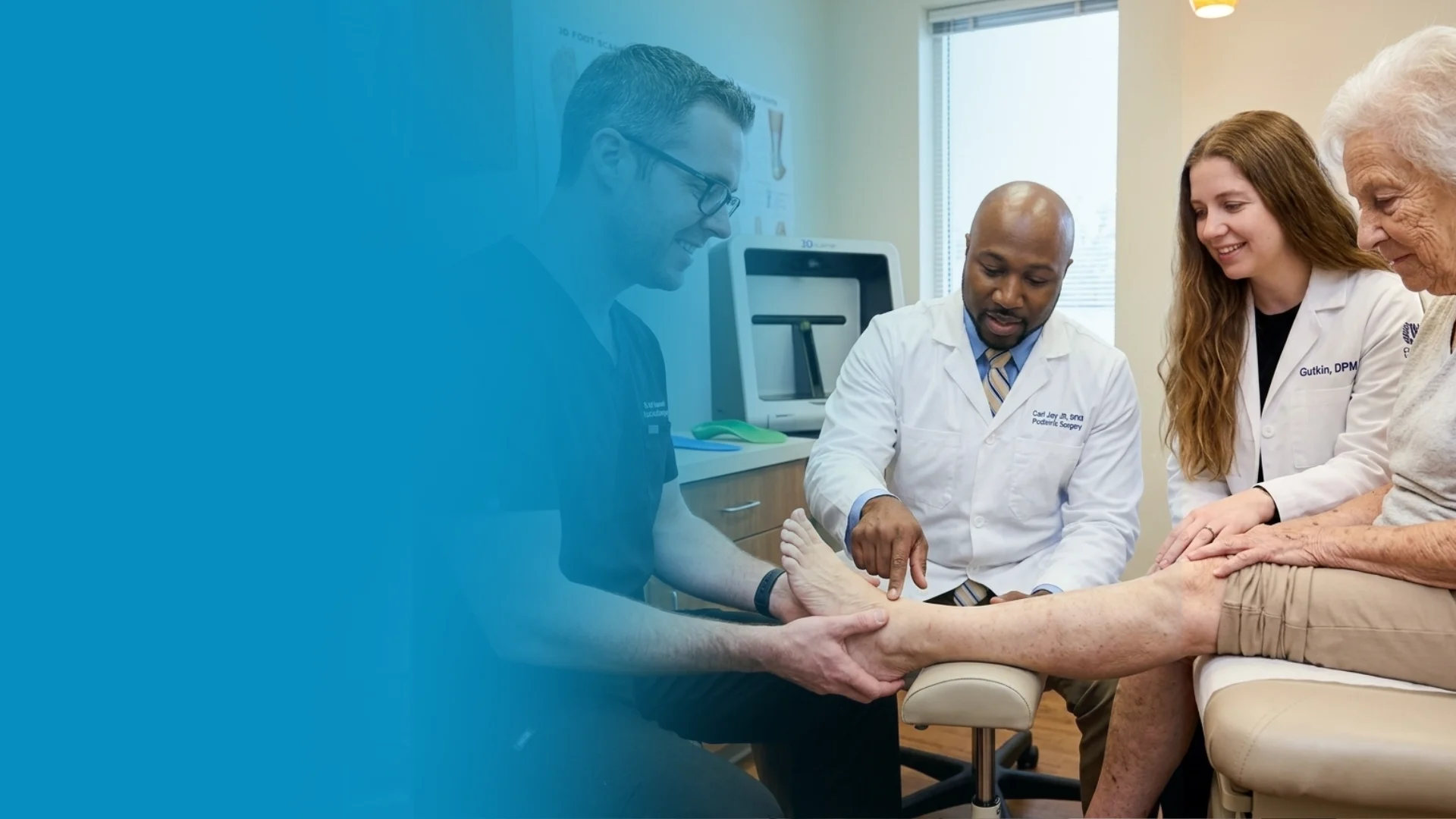
![How to Cure Plantar Fasciitis in One Week? [FAST Heel Pain Relief!]](https://www.michiganfootdoctors.com/wp-content/cache/flying-press/b5600c3bfb9845a6095da8266d8b5363.jpg)
Watch: How to Cure Plantar Fasciitis in One Week? [FAST Heel Pain Relief!] — MichiganFootDoctors YouTube
Foot Pain During Period: Quick Answer
Some women experience foot pain during their menstrual period – the hormonal changes affect feet through multiple mechanisms. We help dozens of women yearly at Balance Foot and Ankle. Here is the comprehensive period-related foot pain guide.
Why Periods Can Cause Foot Pain
Hormonal effects on feet: Estrogen affects ligament laxity; progesterone affects fluid balance; prostaglandins cause inflammation; serotonin changes affect pain perception; iron loss can affect overall energy/circulation. Cycle effects: Some women experience predictable foot pain pattern with cycle; some with PMS; some during period itself; varies tremendously.
Most Common Period Foot Issues
1. Foot/ankle swelling: Common; especially before period. 2. Foot fatigue: Common during period. 3. Joint pain (arthritis-like): Hormonal effects on joints. 4. Plantar fasciitis flare: Inflammation effects. 5. Restless legs syndrome: Sometimes worse during period. 6. Ligament sensitivity: Estrogen effects. 7. Migraines (foot symptoms): Sometimes neuropathy-like. 8. Foot cramps: Common. 9. Cold feet: Sometimes. 10. Pre-existing conditions worse: Almost any foot condition can flare.
Hormonal Mechanisms
Estrogen and feet: Affects collagen; ligament laxity especially around ovulation; sometimes joint pain; affects fluid balance; sometimes affects pain perception. Progesterone: Fluid retention; sometimes joint effects. Prostaglandins: Cause uterine cramps but also affect inflammation throughout body including feet. Serotonin: Pain perception changes; affects sleep.
Premenstrual vs Menstrual Foot Pain
Premenstrual (PMS): Often water retention/swelling; bloating includes feet; mood affects pain perception; sometimes joint symptoms. Menstrual: Often inflammation effects; sometimes anemia from blood loss; fatigue; cramps. Post-menstrual: Usually improvement; sometimes relief of fluid retention; sometimes ovulation effects later in cycle.
Treatment Approach
NSAIDs: Often help period-related foot pain (also help cramps); appropriate timing important. Hormonal management: Sometimes oral contraceptives reduce cyclic symptoms (consult OB/GYN). Lifestyle: Reduce sodium during PMS week; hydration; exercise; sleep. Compression socks: Help PMS edema. Address foot conditions: If underlying conditions, address them; cyclic flares less severe with good baseline foot health.
PMS Edema Management
PMS-related foot/ankle swelling: Common. Causes: Hormonal fluid retention; sodium retention; sometimes constipation contributes. Management: Reduce sodium during PMS week; adequate hydration (paradoxically helps); compression socks; elevation when possible; sometimes magnesium supplementation; sometimes diuretics for severe cases (with PCP). Usually resolves: 1-2 days into period as hormones shift.
Coexisting Conditions
Conditions that flare with menstrual cycle: Migraines (with foot/leg symptoms sometimes); fibromyalgia; arthritis; chronic regional pain syndrome; restless legs syndrome; some chronic pain conditions. Important: Severe or new foot symptoms with period need evaluation – dont assume hormonal cause; pattern recognition over months helps identify cyclic vs other causes.
When Period Foot Pain Indicates Issue
RED FLAGS: Sudden severe foot pain (rule out other causes); calf pain/swelling (DVT – can be hormonally related to estrogen levels); signs of anemia from heavy bleeding (paleness, weakness); foot swelling not resolving after period. For women on oral contraceptives: Increased DVT risk; take calf symptoms seriously.
Pregnancy and Cyclic Foot Issues
Women trying to conceive or pregnant: Sometimes confusion between cyclic and pregnancy foot symptoms. Pregnancy foot pain: Usually different pattern than menstrual; persistent rather than cyclic; often progressive. If pregnancy possible: Test if appropriate; pregnancy considerations affect treatment options.
When to See a Podiatrist
See us if: cyclic foot pain pattern significantly affecting quality of life; pre-existing foot conditions that flare with cycle; need help distinguishing hormonal vs other causes; need orthotic evaluation; need pregnancy-safe foot care planning; sudden severe period-related foot symptoms. Same-week appointments at Balance Foot and Ankle. Sometimes coordinate with OB/GYN: For hormonal management. Schedule online.
Podiatrist-Recommended Products


Frequently Asked Questions About Foot Pain During Period
Why do my feet hurt during my period?
Hormonal effects on feet: estrogen affects ligament laxity; progesterone affects fluid balance; prostaglandins cause inflammation; serotonin changes affect pain perception; iron loss can affect circulation. Some women experience predictable foot pain pattern with cycle.
Why do my feet swell before my period?
PMS-related foot/ankle swelling common. Causes: hormonal fluid retention; sodium retention. Management: reduce sodium during PMS week; adequate hydration; compression socks; elevation when possible. Usually resolves 1-2 days into period as hormones shift.
Should I take NSAIDs for period foot pain?
OFTEN HELPFUL – NSAIDs (ibuprofen, naproxen) often help period-related foot pain (also help cramps). Appropriate timing important. Avoid if pregnancy possible (especially after 20 weeks). Discuss with PCP if regular use.
Can birth control help cyclic foot pain?
SOMETIMES – oral contraceptives reduce cyclic symptoms by stabilizing hormones. Consult OB/GYN for individual decision. Trade-off: birth control has its own considerations including DVT risk. Not always appropriate solution.
Can my period make my plantar fasciitis worse?
POSSIBLY – inflammation effects from prostaglandins can flare plantar fasciitis and other inflammatory conditions during period. Address underlying foot condition; NSAIDs help during flare; lifestyle modifications.
Are blood clots more common during period?
PERIOD ITSELF – not really. ORAL CONTRACEPTIVES significantly increase DVT risk. Take calf symptoms seriously: calf pain (often unilateral); swelling; warmth; redness. Same-day evaluation if RED FLAGS. Consider risk factors (smoking, obesity, family history).
When should I see a podiatrist about period-related foot pain?
Cyclic foot pain pattern significantly affecting quality of life; pre-existing foot conditions that flare with cycle; need help distinguishing hormonal vs other causes; need orthotic evaluation; sudden severe period-related foot symptoms.
Related Resources from Balance Foot & Ankle
Still Dealing With Foot Pain During Period?
Same-week appointments at Balance Foot & Ankle in Howell & Bloomfield Township, MI.
Book Your Appointment⚕ Doctor Recommended
Doctor Hoy’s Natural Pain ReliefTopical relief for foot & ankle pain
View Product →Frequently Asked Questions
Podiatrist-Recommended Products
These are the products Dr. Tom recommends most often in his clinic at Balance Foot & Ankle for lasting foot pain relief:
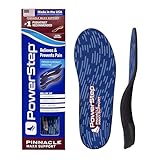
- PowerStep Pinnacle Arch Support Insoles — #1 clinic recommendation for arch support and heel pain relief
- Doctor Hoy’s Natural Pain Relief Gel — Fast-acting topical relief used and trusted by podiatrists
- CURREX RunPro Insoles — Dynamic arch profile for active patients and runners
As an Amazon Associate, Balance Foot & Ankle earns from qualifying purchases. These recommendations reflect genuine clinical use.
What is Foot pain?
Foot pain is a common foot/ankle condition that affects mobility and quality of life. Understanding the underlying cause is the first step in successful treatment. Our podiatrists at Balance Foot & Ankle perform a hands-on biomechanical exam, review your activity history, and use diagnostic imaging when appropriate to identify the root cause—not just treat the symptom. Many patients have been told to “rest and ice” without a deeper diagnostic workup; our approach is different.
Symptoms and warning signs
Common signs of foot pain include pain that worsens with activity, morning stiffness, swelling, tenderness when palpated, and difficulty bearing weight. If you experience sudden severe pain, inability to walk, visible deformity, numbness or color change, contact our office the same day or visit urgent care—these can signal a more serious injury such as a fracture, tendon rupture, or vascular compromise. Diabetics with any foot wound should seek same-day care.
Conservative treatment options
Most cases of foot pain respond to non-surgical care: structured rest, supportive footwear changes, custom orthotics, targeted stretching and strengthening protocols, anti-inflammatory medications when medically appropriate, and in-office procedures such as ultrasound-guided injections. We also offer advanced therapies including laser therapy, EPAT/shockwave, regenerative injections, and image-guided procedures. Treatment is sequenced from least invasive to most invasive, and we explain the rationale at every step.
When is surgery considered?
Surgery is reserved for cases that fail 3-6 months of well-structured conservative care, when there is structural pathology (severe deformity, complete tear, advanced arthritis), or when imaging shows damage that will not heal without intervention. Our surgeons have performed 3,000+ foot and ankle procedures and prioritize minimally-invasive techniques whenever appropriate. We discuss recovery timelines, return-to-activity milestones, and realistic outcome expectations before any procedure is scheduled.
Recovery timeline and prevention
Recovery from foot pain varies based on severity and chosen treatment path. Conservative cases often improve within 4-8 weeks with consistent adherence to the protocol. Post-procedural recovery may range from a few days (in-office procedures) to several months (reconstructive surgery). Long-term prevention involves footwear assessment, activity modification, structured strengthening, and regular check-ins with your podiatrist if you have a history of recurrence. We provide written home-exercise plans and digital follow-up support.
Ready to feel better?
Same-week appointments available in Howell and Bloomfield Township, Michigan.
Book Your VisitReady to fix this for good?
Reading goes only so far. The fastest path to relief is a 30-minute office visit with Dr. Biernacki — same-week, Howell or Bloomfield Township. Call (810) 206-1402 or use our online booking.
Foot Health & Care Resource Center (American Podiatric Medical Association)
Ready to Get Relief?
Same-week appointments available in Howell & Bloomfield Township, MI
4.9★ | 1,123 Reviews | 3,000+ Surgeries
Or call: (810) 206-1402

Dr. Tom Biernacki, DPM is a board-certified foot & ankle surgeon (ABFAS & ABPM) at Balance Foot & Ankle Specialists in Southeast Michigan. With over a decade of clinical experience, he specializes in heel pain, bunions, diabetic foot care, sports injuries, and minimally invasive surgery. Dr. Biernacki is a member of the APMA and ACFAS, and his patient education content on MichiganFootDoctors.com and YouTube has made him one of the most-followed foot & ankle educators on YouTube.