
Medically reviewed by Dr. Tom Biernacki, DPM
Board-certified podiatric surgeon | Balance Foot & Ankle, Howell & Bloomfield Township, MI
Last reviewed: May 2026

| Blood Pressure Medication Class | Common Examples | Foot Effect | Prevalence | Management |
|---|---|---|---|---|
| Calcium channel blockers (CCBs) | Amlodipine, nifedipine, diltiazem | Peripheral edema — ankle/foot swelling | 10–30% of CCB users | Compression socks; dose reduction; add ACE inhibitor |
| Thiazide diuretics | Hydrochlorothiazide, chlorthalidone | Hypokalemia — cramps; hyperuricemia — gout flares | Common | Potassium monitoring; dietary potassium; gout management |
| Loop diuretics | Furosemide, bumetanide | Hypokalemia + hypomagnesemia — severe cramps | Common at higher doses | Electrolyte supplementation; magnesium monitoring |
| Beta-blockers | Metoprolol, carvedilol, atenolol | Cold feet; reduced exercise tolerance; worsened PAD | Moderate | Avoid in PAD patients; consider alternative class |
| ACE inhibitors / ARBs | Lisinopril, losartan, valsartan | Rarely direct foot effects; reduce CCB-edema | Uncommon | Often preferred combination with CCB for edema reduction |
| Foot Symptom | Most Likely Medication Cause | Test | Solution |
|---|---|---|---|
| Bilateral ankle swelling (pitting) | Calcium channel blocker | Clinical; rule out cardiac/renal cause | Compression; dose reduction; switch class |
| Nocturnal calf + foot cramps | Diuretic (K+ or Mg2+ depletion) | Serum potassium + RBC magnesium | Electrolyte supplementation; dietary changes |
| Gout flare (big toe joint) | Thiazide diuretic | Serum uric acid | Switch diuretic; allopurinol; colchicine prophylaxis |
| Cold, pale, cramping feet on exertion | Beta-blocker + PAD interaction | ABI (ankle-brachial index); vascular evaluation | Switch to ACE inhibitor or CCB; vascular surgery referral |
You are in the right place. Dr. Tom Biernacki, DPM, FACFAS — board-certified foot & ankle surgeon with 3,000+ surgeries — explains exactly what foot pain from blood pressure medications means and what actually works. Call (810) 206-1402 for a same-week appointment at our Howell or Bloomfield Township office.
Quick answer: Foot Pain From Blood Pressure Medications has multiple potential causes including mechanical, neurological, vascular, and inflammatory. The most common causes we identify are overuse, ill-fitting shoes, and biomechanical imbalance. Red flags requiring urgent evaluation: warmth/redness (infection), inability to bear weight (fracture), and unilateral swelling without injury (DVT). Call (810) 206-1402.

Watch: How to Cure Plantar Fasciitis in One Week? [FAST Heel Pain Relief!] — MichiganFootDoctors YouTube
Foot Pain From Blood Pressure Medications: Quick Answer
Blood pressure medications commonly cause foot pain through multiple mechanisms – swelling, cramps, and other effects. We help dozens of patients yearly at Balance Foot and Ankle. Here is the comprehensive blood pressure medication foot pain guide.
Why BP Medications Cause Foot Pain
BP medication mechanisms: Affect blood vessels; affect kidney function; affect electrolytes; affect heart function; affect fluid balance. Foot effects: Edema/swelling (common); cramps; cold feet; sometimes weakness; circulation changes. Variable side effects: Some patients no problems; others significant; sometimes one medication causes issues but another doesnt.
Most Common BP Medication Foot Issues
1. Foot/ankle edema (swelling): Most common; especially calcium channel blockers. 2. Foot cramps: Especially diuretics. 3. Cold feet: Especially beta blockers. 4. Foot/leg weakness: Sometimes. 5. Slow healing: Sometimes circulation effects. 6. Low blood pressure (orthostatic): Affects activity. 7. Reduced exercise tolerance: From medication effects. 8. Tingling/numbness: Sometimes. 9. Reduced wound healing: If circulation affected. 10. Diabetic foot complications: Indirect via diabetes interactions.
Calcium Channel Blockers and Edema
Calcium channel blockers (amlodipine, nifedipine, diltiazem): Most common cause of medication-related foot edema. Pattern: Often bilateral; can be significant; usually peripheral (not heart failure); dose-dependent; usually develops within first few weeks. Management: Sometimes reduces with time; compression socks help; lower dose if possible; sometimes switch medication; combination with ACE inhibitor sometimes reduces edema. Discuss with PCP: If significant or bothersome.
Diuretic-Related Foot Issues
Diuretics (furosemide, HCTZ, triamterene, spironolactone): Cause electrolyte imbalances. Foot effects: Cramps (especially night); sometimes weakness; can affect feet specifically. Mechanism: Sodium, potassium, magnesium losses. Management: Adequate hydration; sometimes potassium supplementation (if recommended by PCP); magnesium supplementation; sometimes change to different diuretic. Discuss with PCP: dont stop without consultation.
Beta Blockers and Cold Feet
Beta blockers (metoprolol, atenolol, propranolol, etc.): Cause cold feet. Mechanism: Reduced cardiac output; reduced peripheral circulation; sometimes affect Raynauds phenomenon. Management: Adequate warmth; quality wool socks; sometimes change to vasodilating beta blocker (carvedilol, nebivolol); sometimes switch class. For Raynauds patients: Beta blockers often avoided.
ACE Inhibitors and ARBs
ACE inhibitors (lisinopril, enalapril) and ARBs (losartan, valsartan): Generally fewer foot side effects. Possible issues: Cough (not foot related but common); rarely angioedema; sometimes potassium issues affecting muscle function. Foot benefits: Sometimes reduce edema from other medications; protect kidney function (helps diabetic foot). Often combined: with other BP medications.
Distinguishing BP Medication Pain From Other Causes
BP medication pain patterns: Started after beginning medication; often bilateral; specific to medication class. Other foot pain: Plantar fasciitis (different pattern); peripheral neuropathy (burning, tingling – different); arthritis (joint pain); stress fractures (localized). Diagnosis: Medication history; sometimes medication trial-off (with PCP approval); blood work for electrolytes.
Should I Stop My BP Medication?
NEVER stop without consulting PCP: BP medications prevent serious complications (stroke, heart attack, kidney damage). Strategies if foot pain develops: 1. Discuss with prescriber. 2. Sometimes try different medication; 3. Sometimes lower dose; 4. Sometimes change time of administration; 5. Sometimes try combination therapy. Address symptoms while continuing: Compression socks; activity modification; foot care.
Lifestyle Strategies
Reduce BP medication foot effects: Adequate hydration; appropriate sodium management; regular exercise (improves circulation); compression socks for edema; quality footwear; address underlying foot conditions; coordinate care with PCP. For severe medication-related foot pain: Consider discussion with PCP about alternative medications.
When to See a Podiatrist
See us if: foot pain coinciding with starting BP medications; chronic foot edema not responsive to compression; chronic conditions worsening from BP medications; need orthotic evaluation; need foot care during BP medication adjustments. Same-week appointments at Balance Foot and Ankle. Coordinate with PCP/cardiologist: For medication management decisions. Schedule online.
Podiatrist-Recommended Products

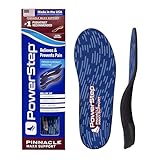
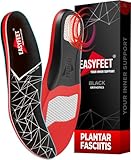

Frequently Asked Questions About Foot Pain From Blood Pressure Medications
Can blood pressure medications cause foot pain?
YES – through multiple mechanisms: edema/swelling (especially calcium channel blockers); cramps (especially diuretics); cold feet (especially beta blockers); sometimes weakness; circulation changes. Variable side effects: some patients no problems; others significant.
Why do my feet swell from blood pressure medication?
Calcium channel blockers (amlodipine, nifedipine) most common cause. Pattern: often bilateral; can be significant; usually peripheral (not heart failure); dose-dependent; usually develops within first few weeks. Management: compression socks help; lower dose; sometimes switch.
Why do diuretics cause foot cramps?
Cause electrolyte imbalances. Foot effects: cramps (especially night); sometimes weakness. Mechanism: sodium, potassium, magnesium losses. Management: adequate hydration; sometimes potassium/magnesium supplementation (with PCP guidance).
Why do beta blockers make my feet cold?
Mechanism: reduced cardiac output; reduced peripheral circulation; sometimes affect Raynauds phenomenon. Management: adequate warmth; quality wool socks; sometimes change to vasodilating beta blocker (carvedilol, nebivolol); sometimes switch class.
Should I stop my blood pressure medication if my feet hurt?
NEVER without consulting PCP – BP medications prevent serious complications (stroke, heart attack, kidney damage). Strategies: discuss with prescriber; sometimes try different medication; sometimes lower dose; sometimes change time of administration.
Are some BP medications less likely to cause foot problems?
YES – varies. ACE inhibitors and ARBs generally fewer foot side effects. Calcium channel blockers most often cause edema. Beta blockers often cause cold feet. Diuretics often cause cramps. Sometimes need to try different medications to find tolerable option.
When should I see a podiatrist about BP medication foot pain?
Foot pain coinciding with starting BP medications; chronic foot edema not responsive to compression; chronic conditions worsening from BP medications; need orthotic evaluation; need foot care during BP medication adjustments.
Related Resources from Balance Foot & Ankle
Still Dealing With Foot Pain From Blood Pressure Medications?
Same-week appointments at Balance Foot & Ankle in Howell & Bloomfield Township, MI.
Book Your Appointment⚕ Doctor Recommended
Doctor Hoy’s Natural Pain ReliefTopical relief for foot & ankle pain
View Product →Ready to fix this for good?
Reading goes only so far. The fastest path to relief is a 30-minute office visit with Dr. Biernacki — same-week, Howell or Bloomfield Township. Call (810) 206-1402 or use our online booking.
APMA: Foot Pain Relief and Activity-Related Causes
Ready to Get Relief?
Same-week appointments available in Howell & Bloomfield Township, MI
4.9★ | 1,123 Reviews | 3,000+ Surgeries
Or call: (810) 206-1402

Dr. Tom Biernacki, DPM is a board-certified foot & ankle surgeon (ABFAS & ABPM) at Balance Foot & Ankle Specialists in Southeast Michigan. With over a decade of clinical experience, he specializes in heel pain, bunions, diabetic foot care, sports injuries, and minimally invasive surgery. Dr. Biernacki is a member of the APMA and ACFAS, and his patient education content on MichiganFootDoctors.com and YouTube has made him one of the most-followed foot & ankle educators on YouTube.