
Medically reviewed by Dr. Tom Biernacki, DPM
Board-certified podiatric surgeon | Balance Foot & Ankle, Howell & Bloomfield Township, MI
Last reviewed: May 2026

| Medication Category | Common Examples | Foot Effect | Action |
|---|---|---|---|
| Chemotherapy (taxanes) | Paclitaxel, docetaxel | CIPN — bilateral burning, tingling, numbness | Dose modification; gabapentin; cold cap therapy |
| Fluoroquinolone antibiotics | Ciprofloxacin, levofloxacin | Achilles tendinopathy / rupture (black box warning) | Stop med; rest; avoid in tendon-risk patients |
| Statins | Atorvastatin, rosuvastatin, simvastatin | Myopathy — foot/calf cramps, weakness | CK level; CoQ10 supplement; dose reduction |
| Corticosteroids (chronic) | Prednisone, dexamethasone | Osteoporosis → stress fractures; fat redistribution | Calcium + D3; DXA scan; minimize dose/duration |
| Calcium channel blockers | Amlodipine, nifedipine | Peripheral edema — foot and ankle swelling | Compression; dose reduction; switch class |
| Thiazide diuretics | Hydrochlorothiazide | Hyperuricemia → gout flares in big toe | Uric acid monitoring; allopurinol; switch diuretic |
| PPIs | Omeprazole, pantoprazole | Magnesium/B12 depletion → cramps + neuropathy | Electrolyte monitoring; supplementation |
| Drug-Induced Foot Symptom | Most Likely Drug Class | Diagnosis | Management |
|---|---|---|---|
| Bilateral burning + tingling (stocking pattern) | Chemotherapy; metformin; PPIs | Nerve conduction study; B12; methylmalonic acid | Address deficiency; neuropathic pain meds |
| Acute Achilles or tendon pain | Fluoroquinolone antibiotics | Clinical; MRI if rupture suspected | Stop antibiotic; rest; podiatry urgent eval |
| Bilateral pitting ankle edema | Calcium channel blockers | Clinical; rule out cardiac/renal | Compression; physician medication review |
| Nocturnal foot + calf cramps | Statins; diuretics; PPIs | CK; potassium; magnesium | Supplement deficiency; reduce statin dose |
| Acute gout flare (big toe) | Thiazide diuretics; low-dose aspirin | Serum uric acid | Colchicine; NSAIDs; switch medication class |
You are in the right place. Dr. Tom Biernacki, DPM, FACFAS — board-certified foot & ankle surgeon with 3,000+ surgeries — explains exactly what foot pain from medications means and what actually works. Call (810) 206-1402 for a same-week appointment at our Howell or Bloomfield Township office.
Quick answer: Foot Pain From Medications has multiple potential causes including mechanical, neurological, vascular, and inflammatory. The most common causes we identify are overuse, ill-fitting shoes, and biomechanical imbalance. Red flags requiring urgent evaluation: warmth/redness (infection), inability to bear weight (fracture), and unilateral swelling without injury (DVT). Call (810) 206-1402.

Watch: How to Cure Plantar Fasciitis in One Week? [FAST Heel Pain Relief!] — MichiganFootDoctors YouTube
Foot Pain From Medications: Quick Answer
Many medications cause foot pain as a side effect – from common prescriptions to over-the-counter drugs. Understanding which medications and patterns helps identify the cause. We help dozens of patients yearly at Balance Foot and Ankle. Here is the comprehensive medication-related foot pain guide.
Why Medications Cause Foot Pain
Mechanisms: Direct muscle effects (statin myopathy); peripheral neuropathy (chemotherapy, antibiotics); fluid retention/edema; tendon effects (fluoroquinolones); circulation effects; metabolic effects; bone density effects (long-term steroids); skin changes; sometimes drug-induced lupus or other syndromes; immune-mediated effects. Often underrecognized: medications as cause of new foot pain.
Most Common Medication-Related Foot Issues
1. Statin myopathy: Common; muscle pain. 2. Diuretic-induced cramps: Electrolyte changes. 3. Chemotherapy neuropathy (CIPN): Major issue. 4. Fluoroquinolone tendon issues: Achilles especially. 5. Edema from various medications: Calcium channel blockers, steroids, etc. 6. Steroid-induced bone density loss: Long-term use. 7. Osteoporosis from medications: Various. 8. Diabetes medication effects: Various. 9. Drug-induced lupus: Some medications. 10. Allergic/idiosyncratic reactions: Various.
Fluoroquinolones and Tendon Issues
Fluoroquinolones (Cipro, Levaquin, Avelox, etc.): Major foot/ankle concern. Risk: Tendon rupture (especially Achilles); tendinopathy; sometimes within hours of starting; sometimes weeks to months after; bilateral common. Risk factors: Older age (60+); concurrent steroids; kidney disease; transplant patients; previous tendon issues. Pattern: Sudden onset Achilles pain; sometimes with audible pop (rupture). Recommendations: Avoid in high-risk patients if alternatives exist; FDA black box warning; emergency evaluation if Achilles pain develops.
Diuretic-Induced Foot Cramps
Diuretics (water pills): Cause electrolyte imbalances. Foot effects: Cramps (especially night); sometimes weakness; can affect feet specifically. Common diuretics: Lasix (furosemide); HCTZ; triamterene; spironolactone. Mechanism: Sodium, potassium, magnesium losses. Management: Adequate hydration; sometimes potassium supplementation (if recommended by PCP); magnesium supplementation; sometimes change to different diuretic. Discuss with PCP: dont stop without consultation.
Calcium Channel Blockers and Edema
Calcium channel blockers (amlodipine, nifedipine): Common cause of foot/ankle edema. Pattern: Often bilateral; can be significant; usually peripheral (not heart failure); dose-dependent. Management: Sometimes reduces with time; compression socks help; lower dose if possible; sometimes switch medication; combination with ACE inhibitor sometimes reduces. Discuss with PCP: If significant or bothersome.
Long-Term Steroid Effects
Long-term corticosteroid use: Multiple foot effects. Effects: Bone density loss (osteoporosis – stress fracture risk); muscle weakness; skin thinning (cracks/ulcers); sometimes weight gain affecting feet; immunosuppression (infection risk); fluid retention; sometimes avascular necrosis. Steroid-induced osteoporosis: Major foot complication risk; calcium/vitamin D supplementation; sometimes bisphosphonates; minimize dose when possible.
Diabetes Medications
Diabetes medications and feet: Variable effects. Insulin/sulfonylureas: Hypoglycemia risk; affects foot care indirectly. Metformin: Generally safe; B12 deficiency possible long-term (causes neuropathy). Newer agents: Generally good safety profile. Indirect effects: Diabetes itself major foot risk; medications generally protect feet by controlling diabetes.
Drug-Induced Lupus
Drug-induced lupus: Some medications. Common culprits: Hydralazine; procainamide; isoniazid; quinidine; some others. Foot manifestations: Similar to other lupus (arthritis, sometimes skin); usually resolves with stopping medication. Diagnosis: Drug history; antibody testing; clinical correlation. Management: Stop offending medication; sometimes brief immunosuppression.
Identifying Medication-Related Foot Pain
Approach: Detailed medication history; timing of symptom onset relative to medication start; drug-specific patterns; sometimes medication trial-off (with PCP approval); blood tests if indicated. Red flags: New foot pain after starting medication; bilateral symptoms; pattern matching known drug effects. Important: Dont stop medications without PCP consultation – benefits often outweigh side effects.
When to See a Podiatrist
See us if: foot pain coinciding with starting medication; suspected medication-related foot condition; need to differentiate medication side effect from other foot conditions; need orthotic evaluation; suspected medication-induced osteoporosis stress fracture; chronic conditions worsening from medications. Same-week appointments at Balance Foot and Ankle. Coordinate with PCP/prescriber: For medication management decisions. Schedule online.
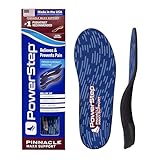
Podiatrist-Recommended Products



Frequently Asked Questions About Foot Pain From Medications
Can medications cause foot pain?
YES – many medications. Mechanisms: direct muscle effects (statin myopathy); peripheral neuropathy (chemotherapy, antibiotics); fluid retention/edema; tendon effects (fluoroquinolones); circulation effects; bone density effects (long-term steroids); often underrecognized as cause.
What antibiotics cause Achilles problems?
Fluoroquinolones (Cipro, Levaquin, Avelox, etc.). Risk: tendon rupture (especially Achilles); tendinopathy; sometimes within hours; sometimes weeks-months later; bilateral common. Risk factors: older age (60+); concurrent steroids; kidney disease. FDA black box warning.
Why do diuretics cause foot cramps?
Cause electrolyte imbalances. Foot effects: cramps (especially night); sometimes weakness. Mechanism: sodium, potassium, magnesium losses. Management: adequate hydration; sometimes potassium/magnesium supplementation (with PCP guidance).
Why do my ankles swell from blood pressure medication?
Calcium channel blockers (amlodipine, nifedipine) common cause. Pattern: often bilateral; can be significant; usually peripheral (not heart failure); dose-dependent. Management: sometimes reduces with time; compression socks help; lower dose; sometimes switch.
Are long-term steroids bad for feet?
YES – multiple foot effects. Bone density loss (osteoporosis – stress fracture risk); muscle weakness; skin thinning (cracks/ulcers); sometimes weight gain; immunosuppression; sometimes avascular necrosis. Calcium/vitamin D supplementation; sometimes bisphosphonates; minimize dose.
Should I stop my medication if it causes foot pain?
NEVER without consulting PCP. Benefits often outweigh side effects. Approach: detailed medication history; timing of symptom onset; drug-specific patterns; sometimes medication trial-off (with PCP approval); discuss alternatives with prescriber.
When should I see a podiatrist about medication foot pain?
Foot pain coinciding with starting medication; suspected medication-related foot condition; need to differentiate medication side effect from other foot conditions; need orthotic evaluation; suspected medication-induced osteoporosis stress fracture; chronic conditions worsening.
Related Resources from Balance Foot & Ankle
Still Dealing With Foot Pain From Medications?
Same-week appointments at Balance Foot & Ankle in Howell & Bloomfield Township, MI.
Book Your Appointment⚕ Doctor Recommended
Doctor Hoy’s Natural Pain ReliefTopical relief for foot & ankle pain
View Product →Ready to fix this for good?
Reading goes only so far. The fastest path to relief is a 30-minute office visit with Dr. Biernacki — same-week, Howell or Bloomfield Township. Call (810) 206-1402 or use our online booking.
APMA: Foot Pain Relief and Activity-Related Causes
Ready to Get Relief?
Same-week appointments available in Howell & Bloomfield Township, MI
4.9★ | 1,123 Reviews | 3,000+ Surgeries
Or call: (810) 206-1402

Dr. Tom Biernacki, DPM is a board-certified foot & ankle surgeon (ABFAS & ABPM) at Balance Foot & Ankle Specialists in Southeast Michigan. With over a decade of clinical experience, he specializes in heel pain, bunions, diabetic foot care, sports injuries, and minimally invasive surgery. Dr. Biernacki is a member of the APMA and ACFAS, and his patient education content on MichiganFootDoctors.com and YouTube has made him one of the most-followed foot & ankle educators on YouTube.