
Medically reviewed by Dr. Tom Biernacki, DPM
Board-certified podiatric surgeon | Balance Foot & Ankle, Howell & Bloomfield Hills, MI
Last reviewed: May 2026

| Injury | Training Phase | Pain Pattern | Cause | Modification |
|---|---|---|---|---|
| Plantar fasciitis | Base building (miles ↑) | Heel pain first step AM; during long runs | Rapid mileage increase; hard surface | 10% rule; insole; calf stretching |
| Metatarsal stress fracture | High-mileage weeks | Focal midfoot ache worsening daily | Repetitive impact; bone fatigue | Stop running; boot; 6–10 weeks off |
| Achilles tendinopathy | Speed work phase | Morning stiffness; mid-tendon pain during/after | Heel-to-toe drop change; speed increase | Eccentric heel drops; reduce speed work |
| Black toenail (subungual hematoma) | Long run phase (18+ miles) | Painful/painless dark nail | Toe repetitively hits front of shoe | Half-size larger shoe; moisture-wick socks |
| Sesamoiditis | Track/speed sessions | Pain under big toe joint with push-off | Forefoot strike pattern on hard track | Sesamoid pad; reduce forefoot loading |
| Blisters | Any phase with mileage jump | Hot spots → fluid-filled blisters | Friction from shoe seams, moisture | Moisture-wick socks; Body Glide; proper fit |
| Prevention Strategy | Evidence | Implementation |
|---|---|---|
| 10% mileage increase rule | High — reduces overuse injury by ~25% | Never increase weekly mileage by more than 10% per week |
| Running shoe replacement (500–700 miles) | High — midsole compression degrades | Track mileage; replace by 500 miles or 6 months |
| Running gait analysis + orthotics | Moderate–High | Podiatry biomechanical analysis before 18-week plan |
| Strength training (hip, glute, calf) | High — reduces injury by 50% | 2× weekly hip/glute strengthening throughout cycle |
| Gradual surface transition | Moderate | Introduce track/concrete gradually; vary terrain |
| Rest day compliance | High | Minimum 1 rest day per week; deload week every 4th week |
Quick answer: Foot Pain Marathon Training has multiple potential causes including mechanical, neurological, vascular, and inflammatory. The most common causes we identify are overuse, ill-fitting shoes, and biomechanical imbalance. Red flags requiring urgent evaluation: warmth/redness (infection), inability to bear weight (fracture), and unilateral swelling without injury (DVT). Call (810) 206-1402.
![How to Cure Plantar Fasciitis in One Week? [FAST Heel Pain Relief!]](https://www.michiganfootdoctors.com/wp-content/cache/flying-press/b5600c3bfb9845a6095da8266d8b5363.jpg)
Watch: How to Cure Plantar Fasciitis in One Week? [FAST Heel Pain Relief!] — MichiganFootDoctors YouTube
The most important clinical decision with Foot Pain Marathon Training isn’t which treatment to start with — it’s identifying the correct subtype. That changes everything. Call (810) 206-1402.
Foot Pain Marathon Training: Quick Answer
Marathon training stresses feet more than nearly any other recreational activity – and 60-80% of marathon trainees experience foot pain at some point. Proper management prevents injury that ends training. We help dozens of marathon trainees yearly at Balance Foot and Ankle. Here are the 10 most common foot issues and proven solutions.
Why Marathon Training Causes Foot Pain
Cumulative stress factors: Mileage progression; long runs; varied terrain; possibly hills; sometimes too-rapid mileage increases (more than 10% rule); inadequate recovery time; worn-out shoes; biomechanical issues exposed by high volume; pre-existing foot conditions worsened. Most marathon foot injuries are preventable with proper training, gear, and recovery.
1. Plantar Fasciitis
Most common marathon training injury. Risk factors: Sudden mileage increase; inadequate calf flexibility; worn shoes. Prevention: Daily stretching; custom orthotics; replace shoes every 300-500 miles; gradual mileage progression. Treatment if developed: Reduce mileage 50%; supportive shoes always; daily stretching; custom orthotics; ice; never barefoot at home; possibly cortisone if severe.
2. Stress Fractures (Most Serious)
Common locations: 2nd-3rd metatarsal; navicular; calcaneus; tibia. Risk factors: Sudden mileage increase; female athlete triad; vitamin D deficiency; running on hard surfaces. Symptoms: Localized pinpoint pain; doesnt improve with rest. Diagnosis: X-ray often misses early – MRI gold standard. Treatment: Walking boot 6-8 weeks; STOP running; if continuing to train you may need to defer marathon.
3. Achilles Tendinitis
Risk factors: Hill running; sudden mileage increase; tight calves; worn shoes. Prevention: Daily eccentric heel drops; calf stretching; gradual hill introduction; quality shoes. Treatment: Eccentric heel drops protocol (Alfredson); reduced mileage; ice; heel lifts; supportive shoes. Can usually continue training with modifications.
4. Mortons Neuroma
Risk factors: Tight running shoes; high mileage; foot deformity. Symptoms: Burning between toes; “pebble in shoe” feeling. Treatment: Wide-toe-box running shoes; metatarsal pad in shoe; cortisone injection if severe; can usually continue training with modifications.
5. Subungual Hematoma (Black Toenails)
Risk factors: Shoes too short or laced too loose; long downhill runs; toenails too long. Prevention: Shoes 0.5 inches longer than longest toe; lace snugly for downhills; trim nails properly. Treatment: Drainage if severe pressure; better-fitting shoes; new nail growth 9-12 months. Can continue training with proper shoe modifications.
6. Sesamoiditis
Risk factors: High arches; sudden mileage increase; running on hard surfaces. Symptoms: Pain UNDER big toe joint with push-off. Treatment: Stiff-soled shoes; metatarsal pad with sesamoid-relief cutout; reduced mileage 50%; possibly walking boot for severe cases. May need to defer marathon if severe.
7. Hallux Limitus / Big Toe Pain
Risk factors: Pre-existing big toe arthritis; high mileage; pushing off long distances. Treatment: Stiff-soled rocker shoes; carbon fiber footplate; custom orthotic with Morton extension; address underlying arthritis. Can usually continue training with modifications.
8. Posterior Tibial Tendinopathy
Risk factors: Overpronation; sudden mileage increase; flat feet. Symptoms: Inside ankle/arch pain; visible arch flattening over time. Treatment: Custom orthotics with deep heel cup and arch support; ankle bracing; reduced mileage; PT. Can continue training with proper orthotics if Stage I.
9. Mortons Foot / Long Second Toe Issues
Risk factors: Pre-existing Mortons foot anatomy aggravated by high marathon mileage. Symptoms: Pain at base of 2nd toe; sometimes plantar plate tear development. Treatment: Custom orthotics with Morton extension; stiff-soled shoes; address developing plantar plate issues promptly. Important to catch before plantar plate tears.
10. Compartment Syndrome (Exertional)
Risk factors: High mileage running. Symptoms: Tight cramping leg pain at predictable distance; resolves with rest. Diagnosis: Compartment pressure measurement before/after exercise. Treatment: Activity modification first; surgical fasciotomy for severe persistent cases.
Marathon Training Foot Care Strategy
Pre-training: Get baseline foot evaluation; address pre-existing conditions; quality running shoes properly fitted; custom orthotics if biomechanical issues. During training: Replace shoes every 300-500 miles; rotate between 2 pairs of shoes; gradual mileage progression (10% rule); cross-train; address pain early; daily stretching; adequate recovery; nutrition (calcium, vitamin D). Pre-marathon: Final foot check 2-4 weeks before race; race-day shoe and gear set; foot care kit. Pre-training evaluation recommended.
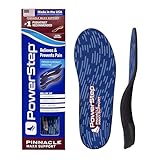
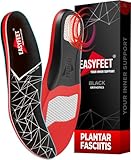
Podiatrist-Recommended Products


In-Office Treatment at Balance Foot & Ankle
If home treatment isn’t providing relief for your activity or footwear-related foot pain, our podiatry team at Balance Foot & Ankle can help with same-day evaluations and advanced in-office care.
Same-day appointments available. (810) 206-1402
Doctor Hoy’s Natural Pain Relief Gel
Natural topical pain relief I use in our clinic. Arnica + camphor formula — apply directly to the area 3–4x daily. ($20–25)
Shop Doctor Hoy’s →Frequently Asked Questions About Foot Pain Marathon Training
Why do my feet hurt during marathon training?
Common: plantar fasciitis, Achilles tendinitis, Mortons neuroma, black toenails, sesamoiditis, hallux limitus aggravation. Most serious: stress fracture (often missed). Address pain early.
What is the most serious foot injury in marathon training?
Stress fracture – often missed initially because X-rays miss early. Continuing to run on stress fracture turns 6-week injury into 6-month one. Localized pinpoint pain warrants MRI.
How often should I replace running shoes during training?
Every 300-500 miles. Track mileage; do not rely on visual wear alone. Cushioning compresses faster than appearance suggests. Rotate between 2 pairs.
Should I keep running with foot pain?
Mild pain that resolves quickly: cautious continuation acceptable with adjustments. Persistent pain, focal pinpoint pain, severe pain: STOP and get evaluated. Continuing to run can convert minor injury into major one.
What shoes are best for marathon training?
Quality cushioned running shoes appropriate for foot type: Hoka Bondi (max cushion), Brooks Adrenaline (stability), Asics Nimbus (gel cushion). Custom orthotics if biomechanical issues. Replace every 300-500 miles.
How can I prevent stress fractures?
Gradual mileage progression (10% rule); adequate calcium/vitamin D; address female athlete triad; appropriate shoes; rotate between shoes; cross-training; recovery time; address pain early.
When should I see a podiatrist during marathon training?
Pain persists 1+ week despite rest; localized pinpoint pain on bone (stress fracture concern); recurring same-area pain; pre-training evaluation if you have foot conditions; need orthotic evaluation; concerning symptoms.
Related Resources from Balance Foot & Ankle
- Foot Pain While Running
- Stress Fracture Foot Symptoms
- Best Running Shoes Flat Feet
- Foot Pain After Running Relief
Still Dealing With Foot Pain Marathon Training?
Same-week appointments at Balance Foot & Ankle in Howell & Bloomfield Hills, MI.
Book Your AppointmentPubMed: Marathon Training and Foot Injury Prevention
Ready to Get Relief?
Same-day appointments available in Howell & Bloomfield Hills, MI
4.9★ | 1,123 Reviews | 3,000+ Surgeries
Or call: (810) 206-1402

Dr. Tom Biernacki, DPM is a board-certified foot & ankle surgeon (ABFAS & ABPM) at Balance Foot & Ankle Specialists in Southeast Michigan. With over a decade of clinical experience, he specializes in heel pain, bunions, diabetic foot care, sports injuries, and minimally invasive surgery. Dr. Biernacki is a member of the APMA and ACFAS, and his patient education content on MichiganFootDoctors.com and YouTube has made him one of the most-followed foot & ankle educators on YouTube.