
Medically reviewed by Dr. Tom Biernacki, DPM
Board-certified podiatric surgeon | Balance Foot & Ankle, Howell & Bloomfield Township, MI
Last reviewed: May 2026
Quick answer: Foot Pain Teenagers has multiple potential causes including mechanical, neurological, vascular, and inflammatory. The most common causes we identify are overuse, ill-fitting shoes, and biomechanical imbalance. Red flags requiring urgent evaluation: warmth/redness (infection), inability to bear weight (fracture), and unilateral swelling without injury (DVT). Call (810) 206-1402.

Why Teenagers Are Uniquely Vulnerable
The adolescent foot is in a dynamic state during the growth spurt — bones are elongating, growth plates (apophyses) are actively active, and increased athletic demands are placed on a skeleton that hasn’t fully matured. This combination creates conditions that adults don’t experience: apophyseal injuries unique to actively growing bones.
The peak incidence of most adolescent foot conditions coincides with the adolescent growth spurt: ages 8–13 in girls, 10–15 in boys. A rapid growth spurt temporarily tightens the Achilles tendon relative to the growing calcaneus, dramatically increasing apophyseal stress.
Sever’s Disease: The Most Common Adolescent Heel Condition
Calcaneal apophysitis (Sever’s disease) is the most common cause of heel pain in children and adolescents aged 8–14. It is caused by repetitive stress on the calcaneal growth plate where the Achilles tendon inserts. The pain is at the posterior and inferior heel, worsens with impact activities (running, jumping), and is reproduced by squeezing the sides of the heel (the squeeze test). X-rays may show sclerosis or fragmentation of the apophysis.
Treatment: a 2-week reduction in high-impact activities, heel cup insoles to cushion the apophysis, and a daily calf stretching program to reduce Achilles tension on the growth plate. Most cases resolve completely with skeletal maturity. Immobilization in a walking boot is reserved for severe cases.
Accessory Navicular Syndrome
The accessory navicular is an extra bone on the inner arch adjacent to the navicular, present in 10% of the population. When symptomatic (typically in adolescence), it causes medial arch pain that worsens with activity. The tibialis posterior tendon inserts into the accessory navicular rather than the navicular itself, creating a mechanically disadvantaged arch stabilization. Treatment: orthotic arch support, activity modification, and occasionally surgical excision (Kidner procedure) for persistent cases.
Flat feet (flexible and rigid) are another common adolescent finding. Flexible flatfoot in adolescents without symptoms requires no treatment. Painful flatfoot with peroneal spasm (tarsal coalition flatfoot) requires imaging and sometimes surgical coalition resection.
Dr. Tom's Product Recommendations

PowerStep Pinnacle Insoles
⭐ Highly Rated
For adolescents with Sever’s disease, the semi-rigid heel cup of PowerStep Pinnacle cushions the calcaneal apophysis from impact loading and provides heel lift that reduces Achilles tension on the growth plate.
Adolescents with Sever’s disease, accessory navicular, flexible flatfoot
Rigid tarsal coalition flatfoot (needs surgical evaluation); acute severe cases needing casting
Disclosure: We earn a commission at no extra cost to you.
✅ Pros / Benefits
- Apophyseal conditions resolve with skeletal maturity in all cases
- Conservative treatment manages symptoms effectively during the growth phase
- Early orthotic prescription prevents chronic deformity formation
- Most adolescent foot conditions require no surgery
❌ Cons / Risks
- Parents often delay seeking care, leading to prolonged activity limitation
- Distinguishing Sever’s from Achilles tendinopathy requires clinical expertise
- Tarsal coalition is frequently misdiagnosed as flexible flatfoot
- Adolescents are often non-compliant with activity restriction
Dr. Tom Biernacki’s Recommendation
The most important message for parents of adolescents with heel pain: Sever’s disease is not a disease — it’s a growth process. It will resolve completely when the growth plate fuses. Our job is to manage symptoms so the child stays active in a modified capacity. Rest entirely is counterproductive and unnecessary. Heel cups, modified activity, and daily calf stretching — that’s the protocol.
— Dr. Tom Biernacki, DPM | Board-Certified Podiatric Surgeon | Balance Foot & Ankle
Frequently Asked Questions
Is Sever’s disease serious?
No. Sever’s disease is a self-limiting condition that resolves when the calcaneal growth plate closes (typically ages 14–16). It does not cause long-term damage.
Can teenagers get plantar fasciitis?
Yes, though less common than in adults. Adolescent plantar fasciitis is associated with flat feet and weight gain. It is treated similarly to adult PF but with age-appropriate considerations.
Should my teenager stop playing sports?
Activity modification (reducing high-impact activities like running and jumping) rather than complete cessation is the goal. Swimming and cycling maintain fitness without apophyseal stress.
When should a teenager see a podiatrist for foot pain?
Any foot pain lasting more than 2 weeks, causing significant activity limitation, or with visible deformity (flat feet, in-toeing, overlapping toes) warrants a podiatric evaluation.
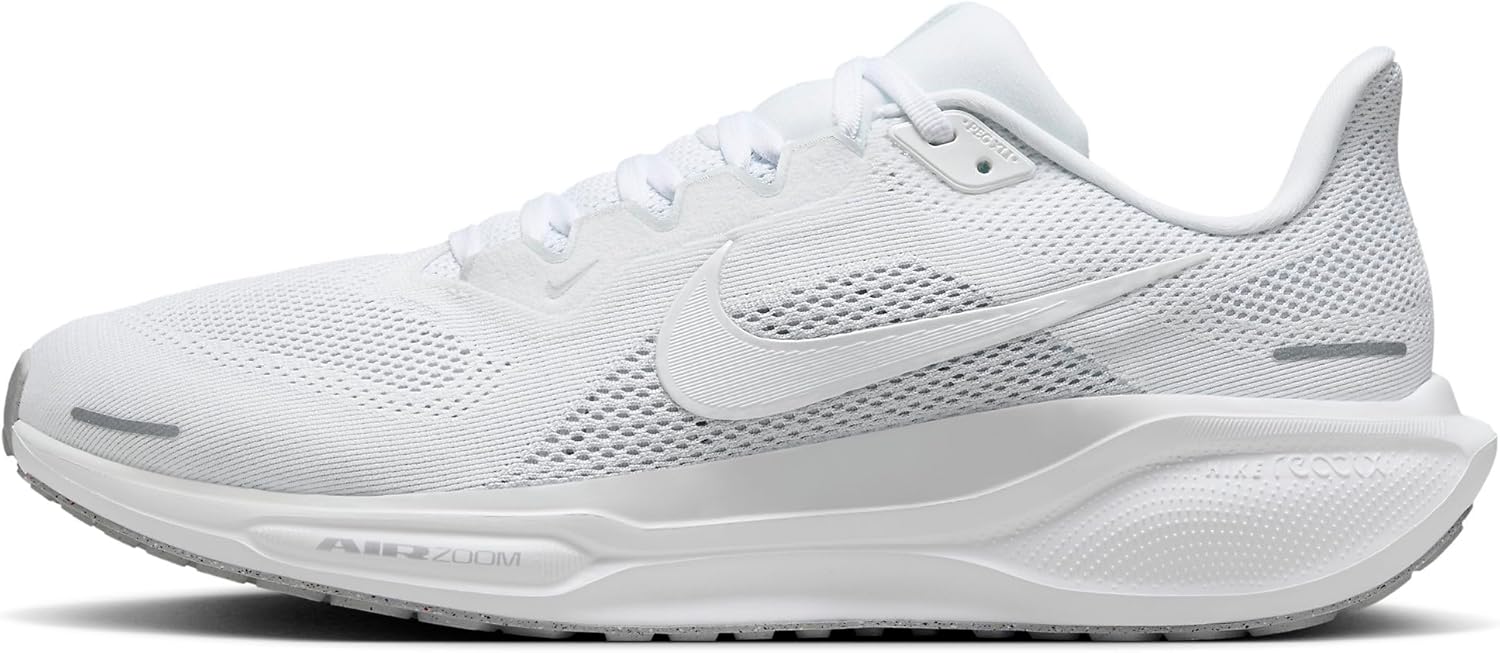
When Shoes Aren’t Enough — Dr. Tom’s Top 9 Orthotics
About 30% of patients I see for foot pain need MORE than a great shoe — they need a structured insole. Below: my complete 2026 orthotic ranking with pros, cons, and the specific patient I’d give each one to.




Ready to Get Relief?
Book online 24/7 in Howell & Bloomfield Township, MI
4.9★ | 1,200+ Reviews | 3,000+ Surgeries
Or call: (810) 206-1402

Dr. Tom Biernacki, DPM is a board-certified foot & ankle surgeon (ABFAS & ABPM) at Balance Foot & Ankle Specialists in Southeast Michigan. With over a decade of clinical experience, he specializes in heel pain, bunions, diabetic foot care, sports injuries, and minimally invasive surgery. Dr. Biernacki is a member of the APMA and ACFAS, and his patient education content on MichiganFootDoctors.com and YouTube has made him one of the most-followed foot & ankle educators on YouTube.